SIGD Looks Back on 80 Years

The School of Industrial and Graphic Design (SIGD) has upheld 80 years of education and tradition, weathering name changes, building relocations and university reorganization to become one of the nation’s top design schools.
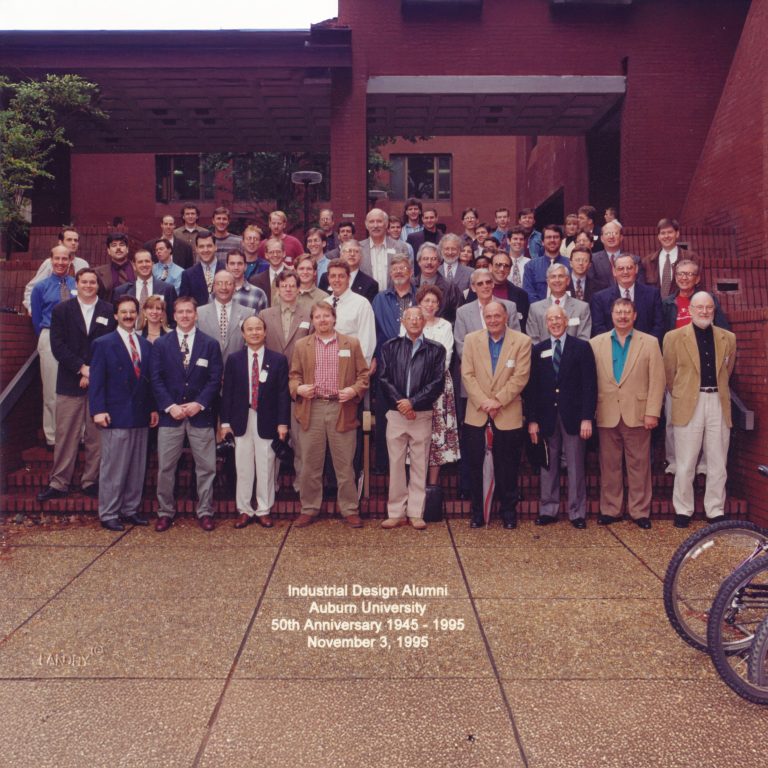
SIGD is proud to recognize the momentous anniversary and the achievements of the faculty, students and alumni who define the School with an 80th anniversary celebration and alumni showcase on Friday, Nov. 7.
“It signifies to the school and its broader community by honoring eight decades of excellence and innovation in design education,” said Wei Wang, SIGD School Head and Graphic Design Professor. “Celebrating our heritage, legacy and forward vision; bridging the past, present and future; and signaling a commitment to growth, innovation and preparing design leaders for the future.”
In preparation for the celebration, look back at the history of SIGD and the major milestones that brought the School to prominence today.
Industrial Design
In 1945, Auburn University, then Alabama Polytechnic Institute, established the Industrial Design (INDD) program as part of the School of Architecture and Applied Arts under Professor Frank Applebee. Housed in the Langdon Hall Annex and temporary trailers, the program expanded the Art Department to focus on technical illustration and styling for an influx of students following World War II, who were going to school on the GI Bill.
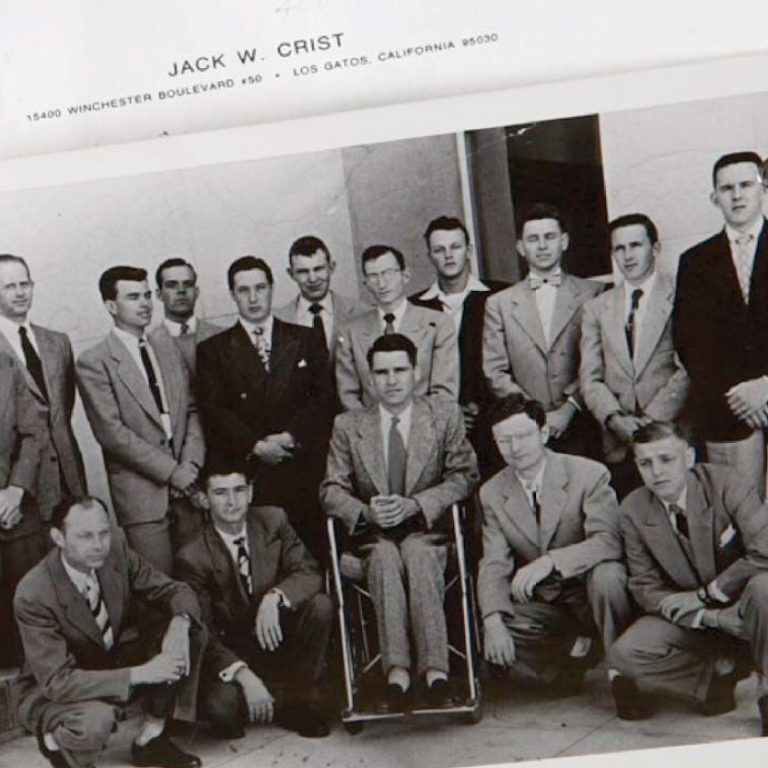
Four years later, Jack Crist became the head of the program, which soon relocated to the basement level of the newly completed Biggin Hall. At the time, the Art Department awarded only one degree: Bachelor of Arts (Applied), but in 1962, Professor Walter Schaer established the university’s Bachelor of Industrial Design degree. Ten years later, the School launched its Master of Industrial Design degree.
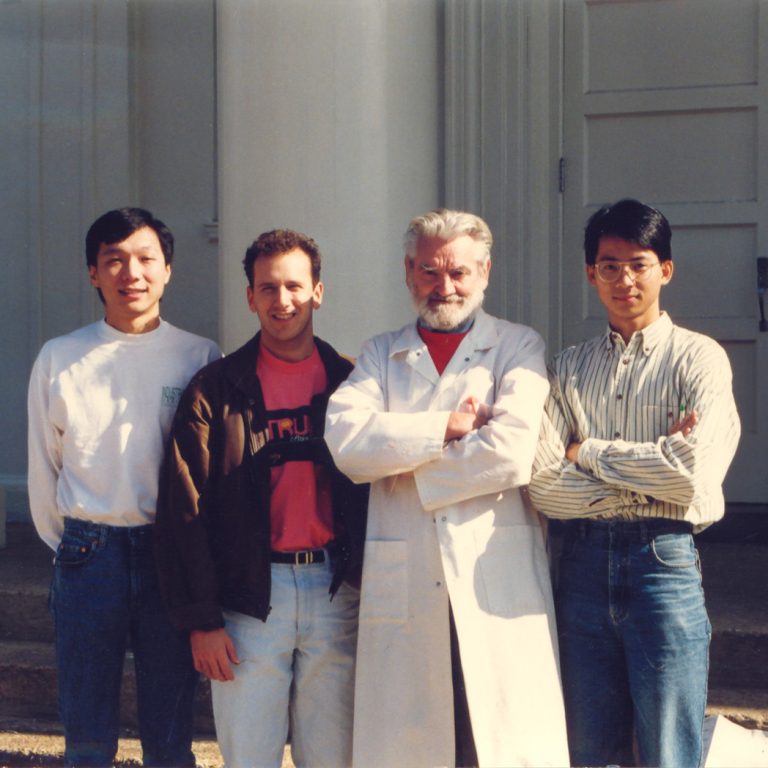
Professor Emeritus Randy Bartlett, who taught at Auburn for three decades, reflected on his first day as a student in the basement of Biggin Hall. Bartlett encountered Schaer wearing a white lab coat like a mad scientist, he remembered, and ushered him into a Design Methods course.
“That class set me on a path that shaped the way I came to understand design,” Bartlett said. “I’ll always be grateful for my time at Auburn—it gave me the foundation for my career as a designer, and later, for my years as a professor of Industrial Design at Auburn.”
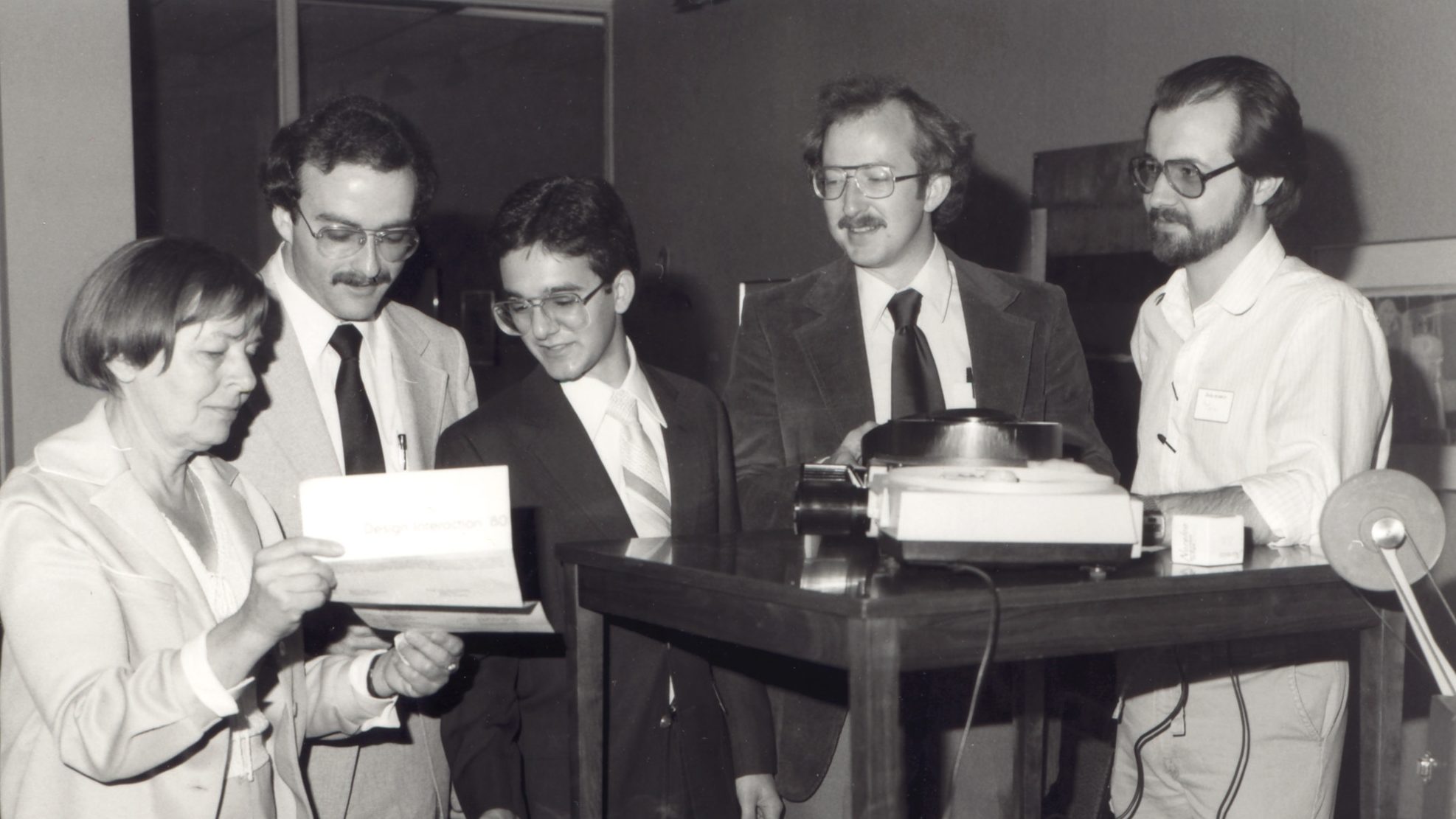
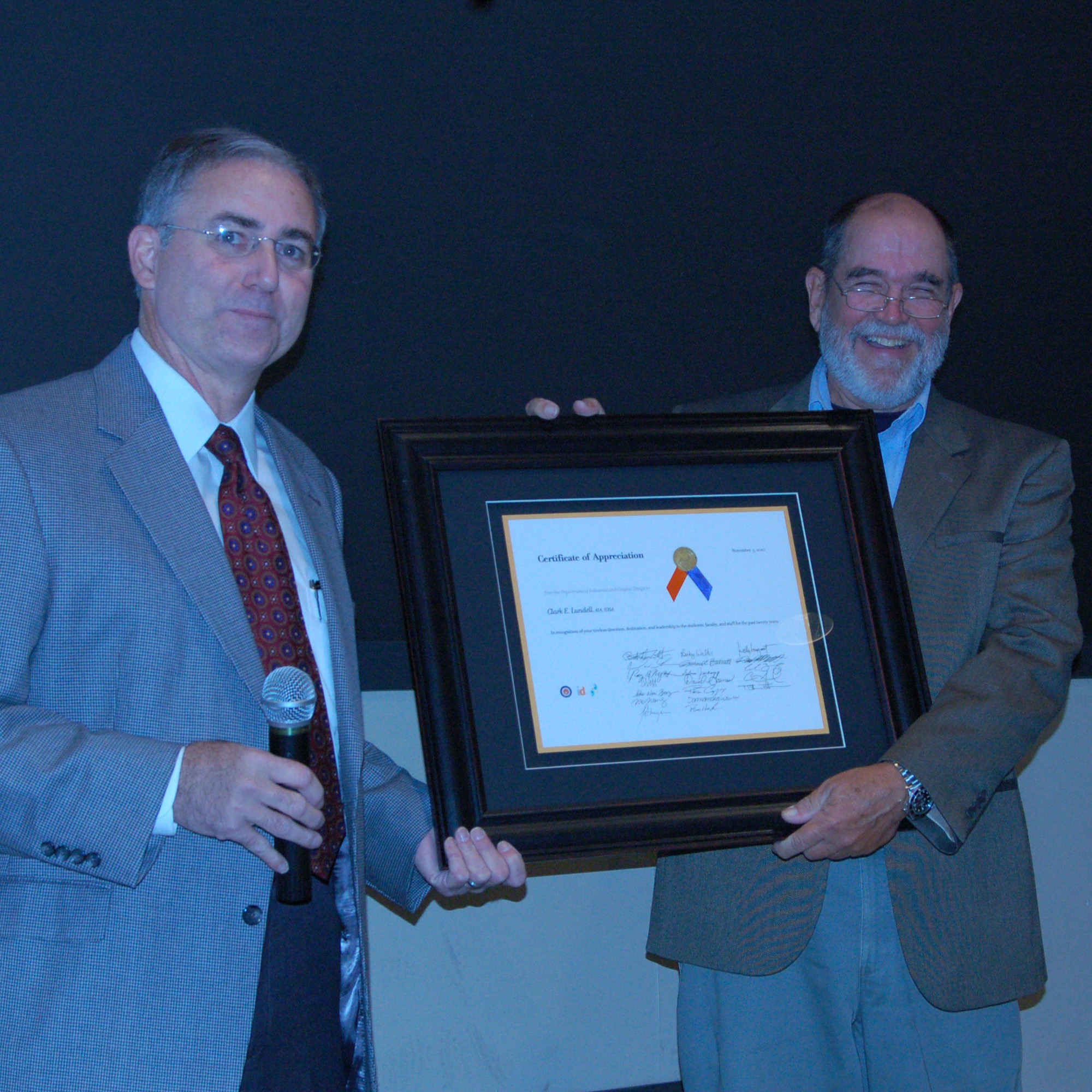
In 1977 under William Bullock, Industrial Design gained departmental status, relocating to O.D. Smith Hall and soon launching its first Design Interaction Symposium. Following the reassignment of the Department of Art into the College of Liberal Arts in 1980s, Clark Lundell took up the role of Department Head, one that he held for over 30 years.
The College of Architecture, Design and Construction was formally established in 1996, reconsolidating INDD with other design programs. In 2000, the program took up its current residence in Wallace Hall, where it waited for its Graphic Design other half to join.
Graphic Design
While the Industrial Design program saw many studio locations, the Graphic Design (GDES) program has touted numerous identities throughout its history.
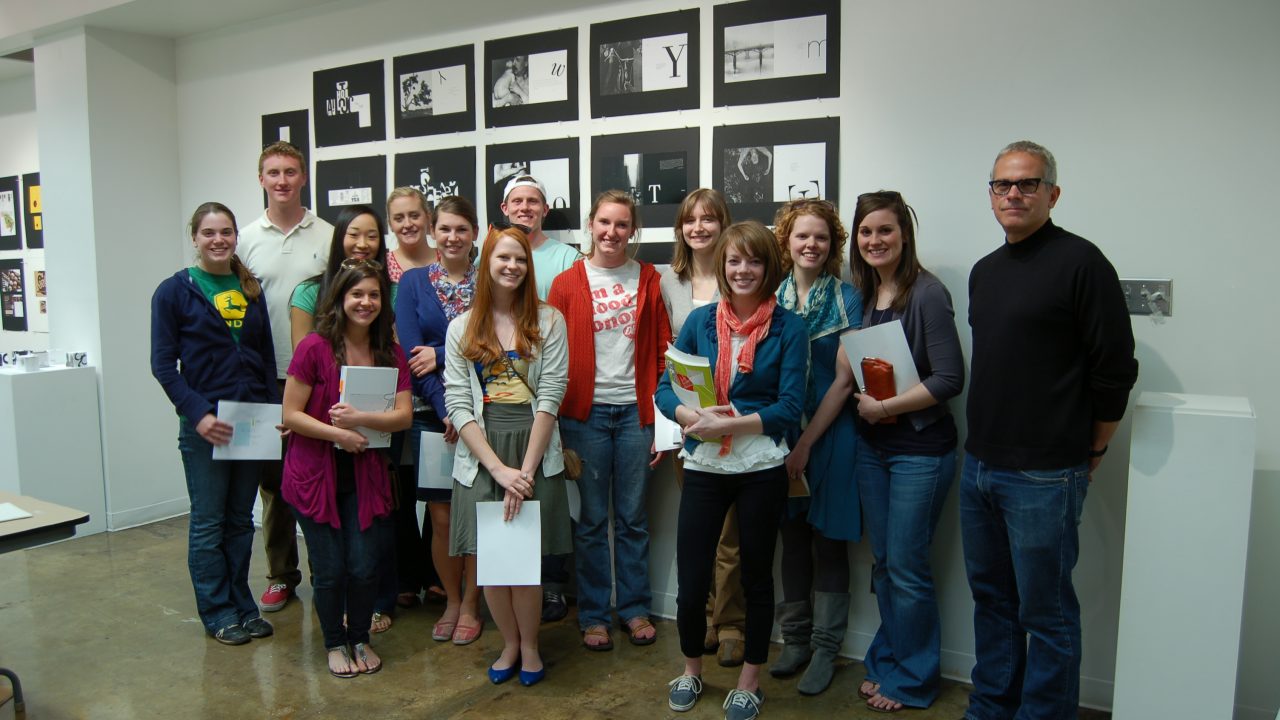
“I’ve seen the Auburn University Design program grow from being an advertising- and illustration-oriented ‘practical program’ with very few resources and faculty to becoming a highly successful nationally prominent graphic design program with extremely talented students and faculty,” said Ray Dugas, Professor Emeritus of Graphic Design, who taught at Auburn from the early 1970s until he retired in 2013.
Originally known as Commercial Art, the Bachelor of Fine Arts program became Advertising Design in 1949, following the Art Department’s initial accreditation by the National Association of Schools of Art and Design. Relocating to Biggin Hall with INDD, the program held its first annual Graphic Design Juried Student Show in 1961, before assuming the name of Visual Design two years later. In 1976, the program underwent yet another name change to Visual Communications. It finally offered a Bachelor of Fine Arts in Graphic Design in 1999 and became the Graphic Design program known today in 2000 with nine full-time faculty.
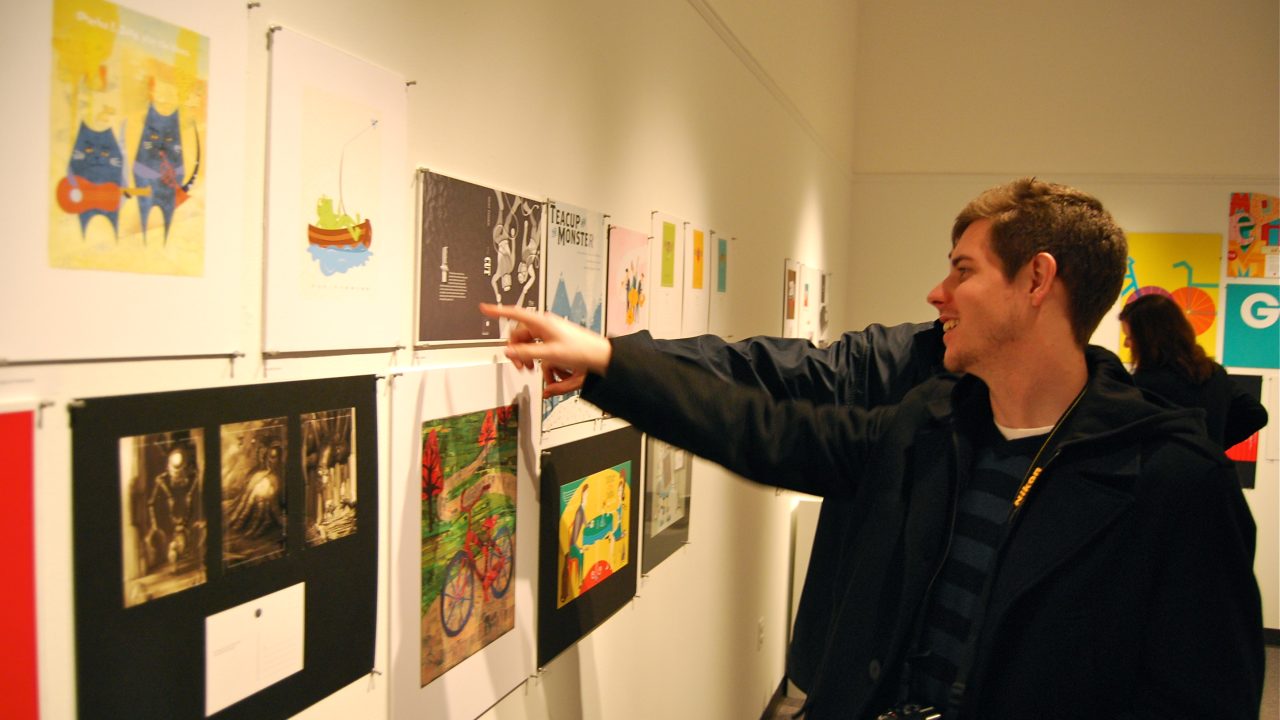
In 2007, GDES joined INDD in Wallace Hall, and the pair soon became the Department of Industrial and Graphic Design (DIGD) before it was elevated to school status in 2013. Following Lundell’s retirement, Wang took up his current role as School Head in 2023 , ushering in new traditions like the Kaleidoscope Design Show.
“The school has changed in many ways over the years—in response both to internal pressures and the ever-changing contexts of design practice,” said Samantha Herbert, Associate Professor of Graphic Design. “What has remained consistent is the more remarkable: the generations of gifted, dedicated faculty and talented, hardworking students that have come through Auburn University to teach and learn design.”
Looking forward
In addition to the November celebration, the School is commemorating its history with a new visual identity, designed by GDES alum Will Dove ‘11.
Wang said the “new identity for the School will provide a cohesive, collaborative and modern representation of SIGD.”
The new identity gives a nod to the long history of SIGD, maintains the high standard of design the School has come to represent and looks toward the future—one that continues with the hard work of the students and the dedication of the faculty.

“As the design disciplines have advanced, so has the teaching of the methods, tools and skillsets that are needed to be successful,” said Shea Tillman, Professor of Industrial Design. “Above all, faculty in the School of Industrial and Graphic Design remain committed to preparing students to be professionals creating human-centered ideas for a practical world.”
Related people:
Wei Wang,
Clark Lundell,
Tin-Man Lau,
Samantha Herbert,
Shea Tillman,
Randall Bartlett