CADC Team Awarded Additional $875,000 for Gulf Futures Challenge
An interdisciplinary team from Auburn University’s College of Architecture, Design and Construction (CADC) was awarded $875,000 by the National Academies of Sciences, Engineering, and Medicine’s (NASEM) Gulf Research Program to help Gulf Coast communities build healthful, resilient and thriving futures.
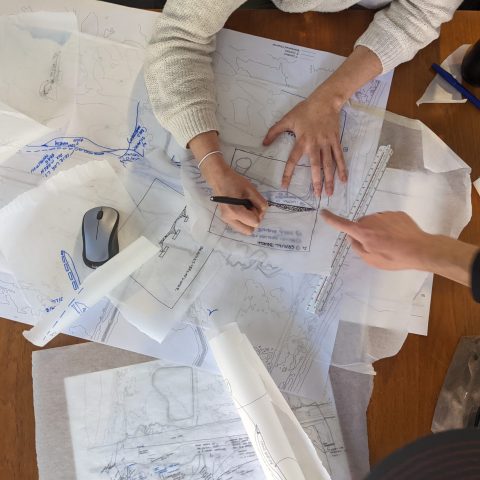
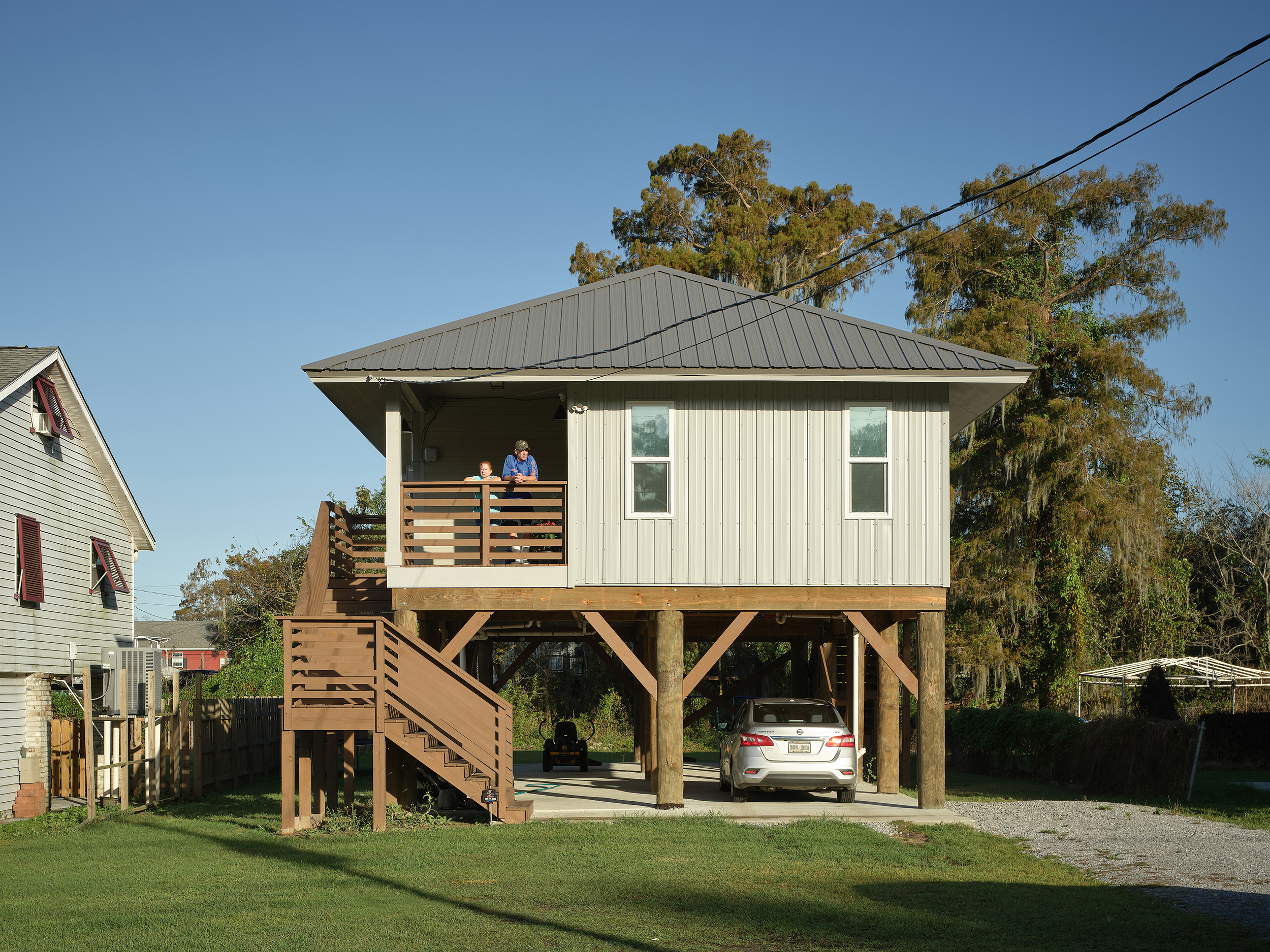
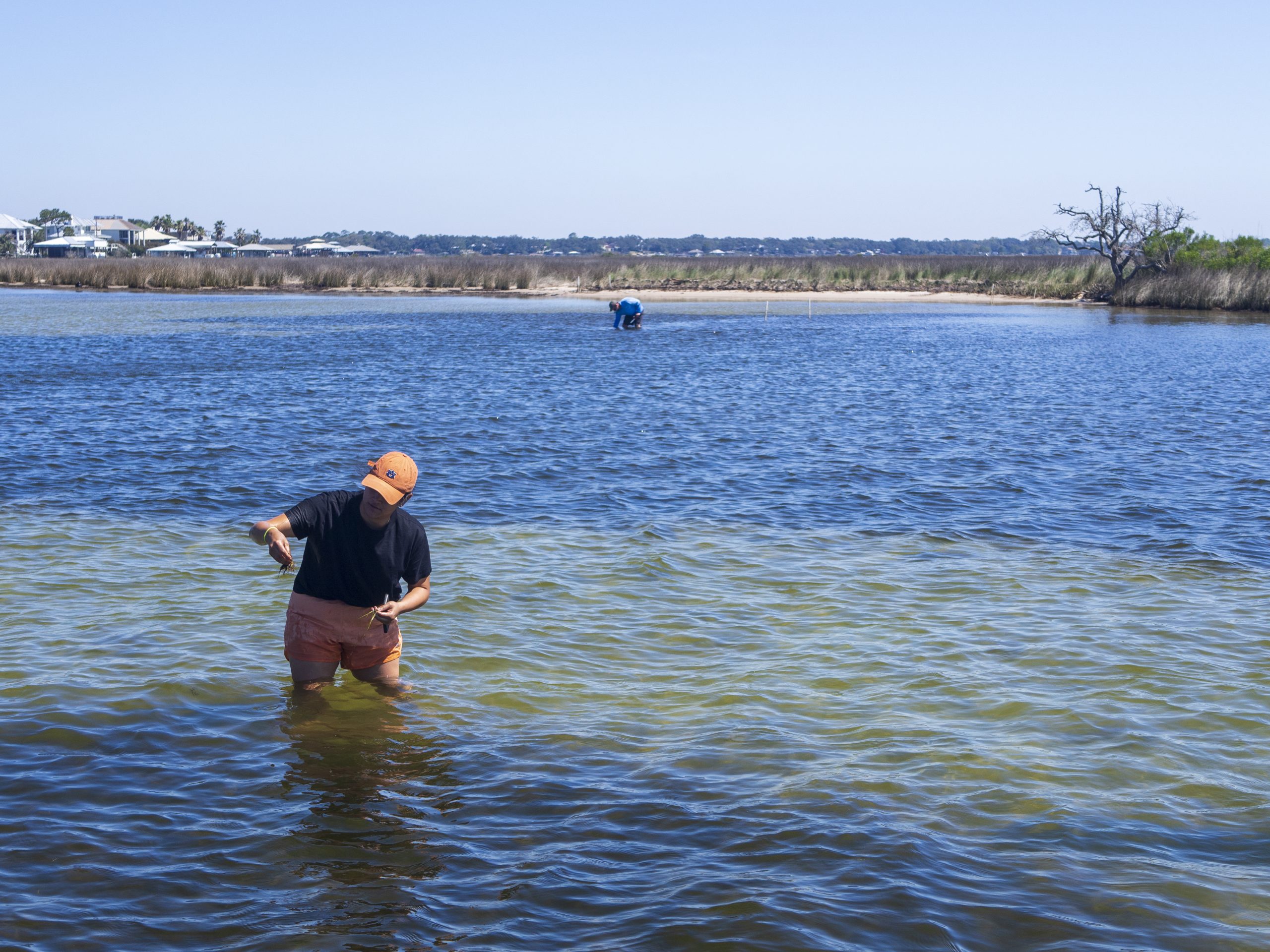
“Ready to Adapt: Building the Working Rural Coast through Design” is a project focused on rural working coast communities that need resources and tools to adapt to intensifying natural disasters and the socioeconomic disruptions they trigger: rising poverty, housing unaffordability, displacement and poor public health. Such communities need actionable models of what building for adaptation looks like. “Ready to Adapt” brings together design practitioners and researchers to provide Gulf Coast communities with a framework for action. By designing high performance housing, green stormwater management and natural infrastructure as an interconnected system, the team can deliver community-scale risk-reduction benefits while strengthening local economies and ecosystems.
The team is being led by the Landscape Infrastructure Design Lab (LIDL) and Rural Studio’s Front Porch Initiative (FPI) in partnership with SCAPE Landscape Architecture. Auburn team members include Rob Holmes, Rusty Smith, Christian Ayala Lopez, Madhura Vaze, Mackenzie Stagg, Helena Starnes, Betsy Garcia, Laurel Holloway, Tim Tamulonis, Dan Meyer, and Courtney Windham.
The Gulf Futures Challenge was managed by Lever for Change, a nonprofit that leverages its networks to help donors find and fund bold solutions to the world’s biggest problems.
In this next phase, the team aims to deliver implementable design guidance for a partner community while working with the Gulf Research Program and the Bold Solutions Network to identify additional support that can scale the Ready to Adapt approach to other rural working coast communities around the Gulf.
“We were thrilled to be selected as one of the ten finalist teams for the Gulf Futures Challenge,” shared Holmes, who serves as Director of LIDL. “We’re equally excited that the Gulf Research Program has now awarded us the funding that will allow us to take the multiscalar approach of Ready to Adapt from concept to reality.”
The National Academies’ Gulf Research Program (GRP) is an independent, science-based program founded in 2013 as part of legal settlements with the companies involved in the 2010 Deepwater Horizon disaster. The GRP’s mission is to develop, translate, and apply science to enhance the safety of offshore energy, the environment, and the well-being of the people of the Gulf region for generations to come. It supports innovative science, guides data design and monitoring, and builds and sustains networks to generate long-term benefits for the Gulf region and the nation.
Read more about ten finalists in NASEM’s press release.