CADC Summer Camps Empower Students to Create

Over 200 high schoolers workshopped what it’s like to be design and construction students this summer with the College of Architecture, Design and Construction (CADC) camps.
From sketching sessions to product prototyping to carpentry basics, CADC campers dipped their toes into creative thinking, studio culture and fieldwork over 10 week-long sessions in Auburn.
“CADC summer camps give high school students the opportunity to explore the fields of architecture, design and construction in an environment similar to the one we create for our current students during the academic year,” Katherine Buck Chastain, CADC Recruitment and Scholarship Manager, said. “We hope that our campers are able to walk away from camp with a better idea of whether one of our academic majors is the right fit for them.”
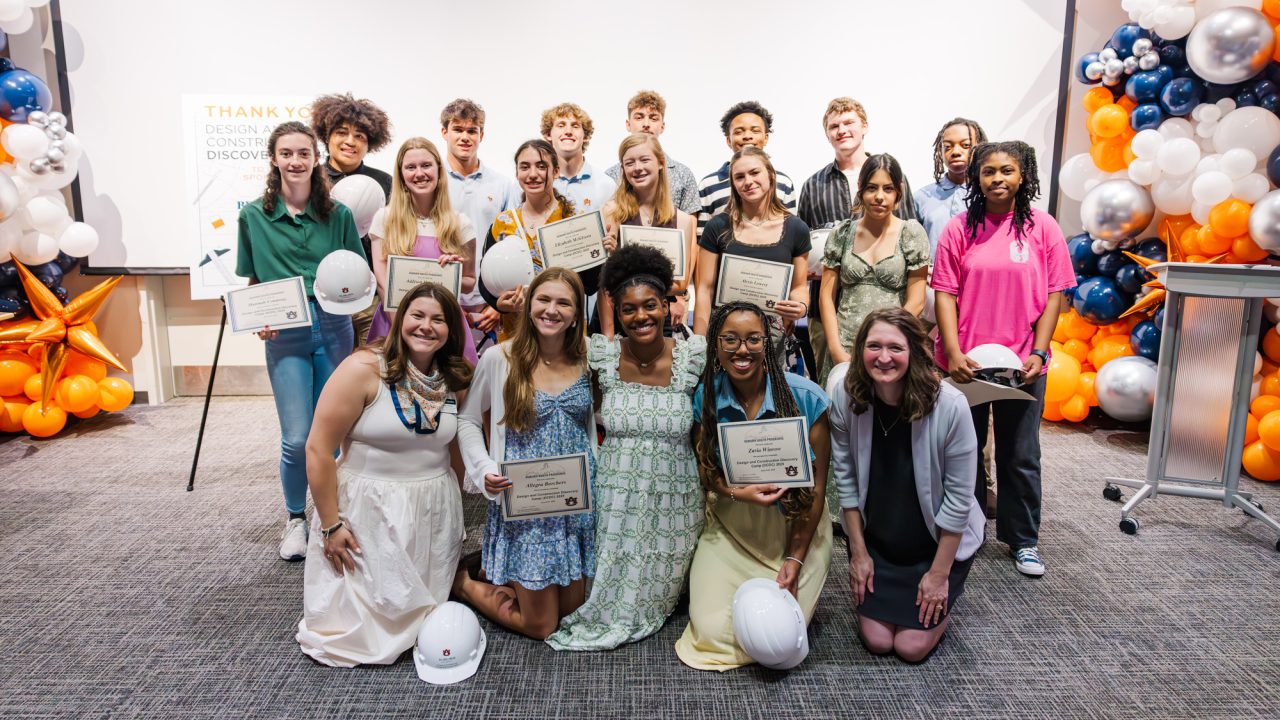
Working with Auburn Youth Programs, an initiative of the Office of Professional and Continuing Education, the College hosted three architecture camps, two building construction camps and two industrial design workshops. This summer, CADC also launched two new camps, a landscape architecture camp and an industrial and graphic design camp to expand offerings in those disciplines.
Additionally, with sponsorship from Seay, Seay and Litchfield and Brasfield & Gorrie, CADC held its annual Design and Construction Discovery Camp (DCDC), that gives campers exposure to each of the College’s degree programs and an array of professional possibilities available with design and construction education.
“One of the best pieces of advice I give to high school students is to try as many directions as possible before they choose a major,” Ben Bush, Associate Professor in the School of Industrial and Graphic Design who led three camps and guest lectured in DCDC, said. “I want them to pick a direction that makes their heart come alive—if that’s design, then fantastic and if it isn’t, that’s great too.”
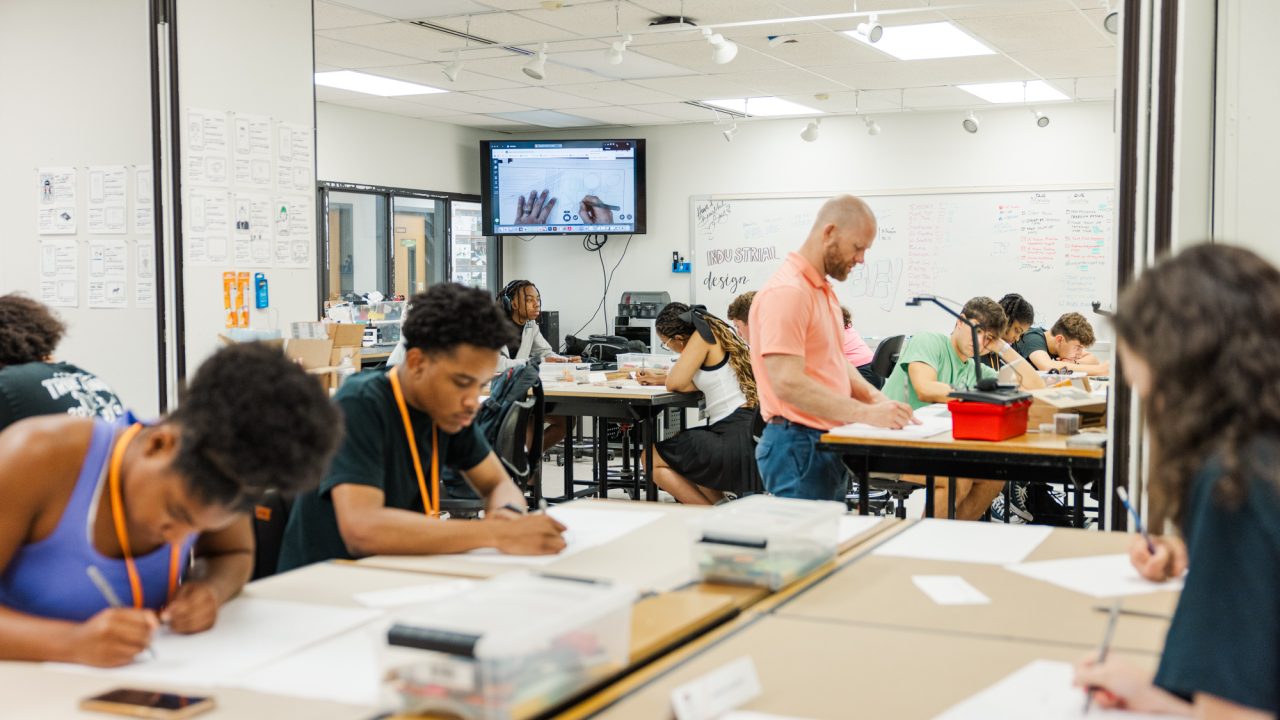
During each of the camps, the students learn about different industry processes and complete a corresponding project. For example, industrial design campers sketched, 3D modeled and made polymer clay chess pieces. Then, they built oak and maple chess boards and sewed bags to carry the pieces—creating a complete, multi-faceted design in just five days.
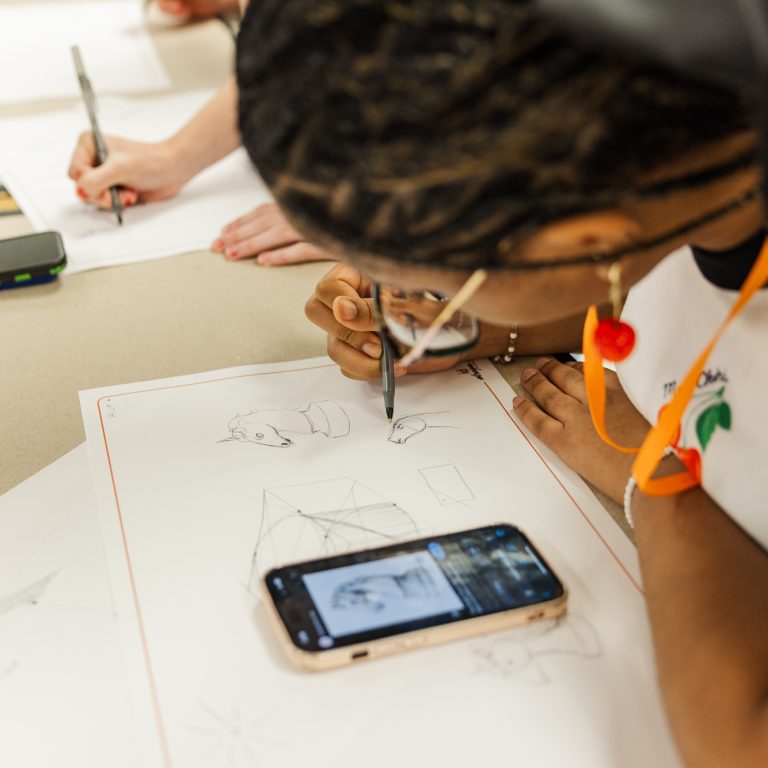
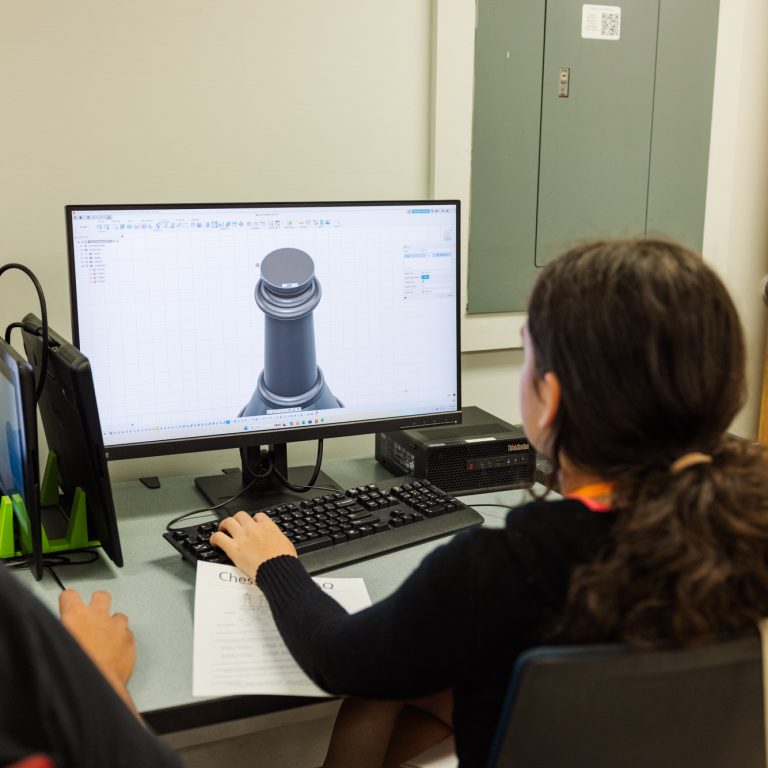
“I am always so impressed by the high-quality work our campers produce after only one week of instruction,” Chastain continued.
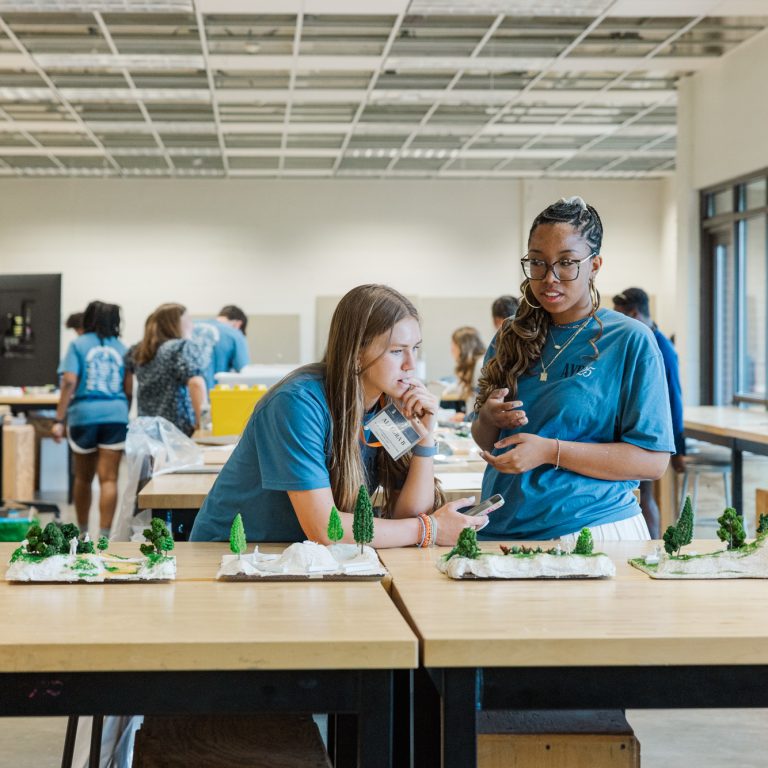
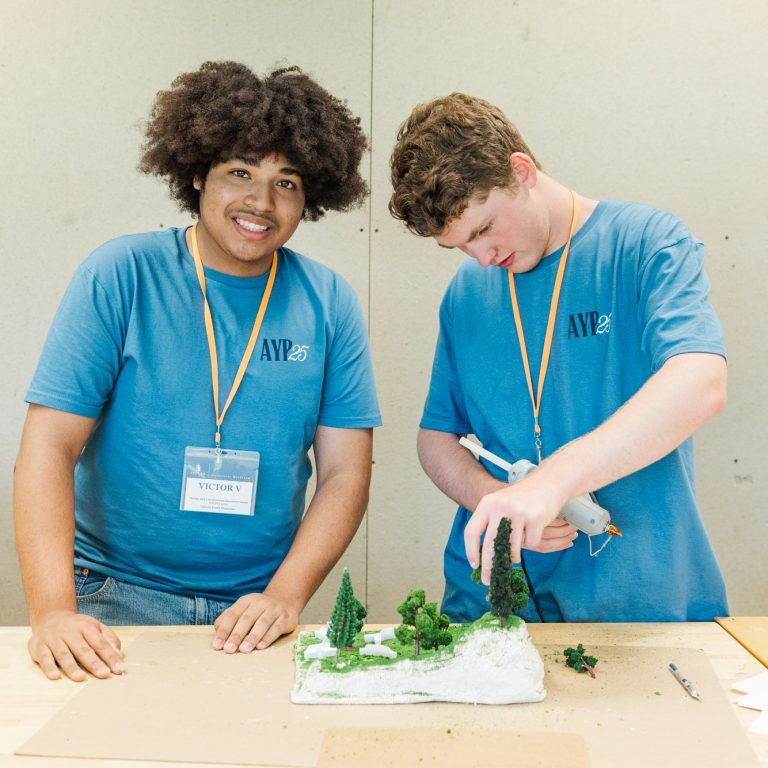
Campers in the School of Architecture, Planning and Landscape Architecture (APLA) explored both the built and natural environment—taking building tours and doing field work, sketching and building models, and presenting their projects in critiques.
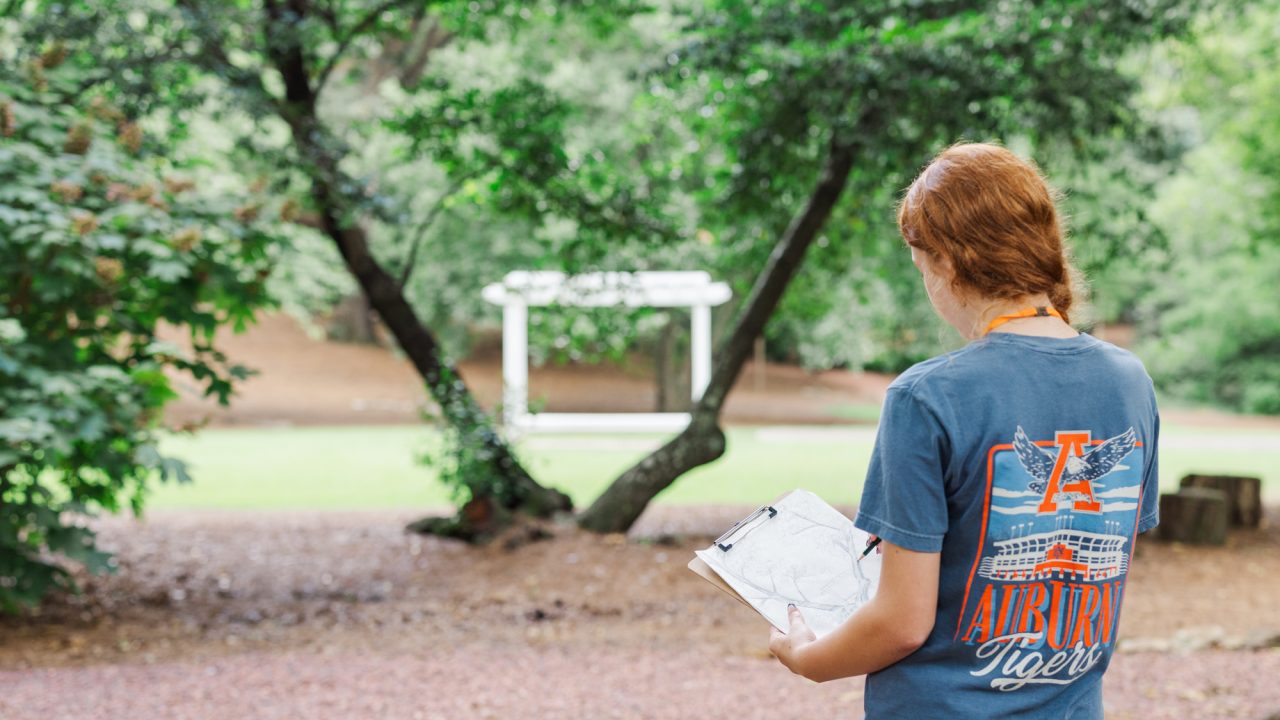
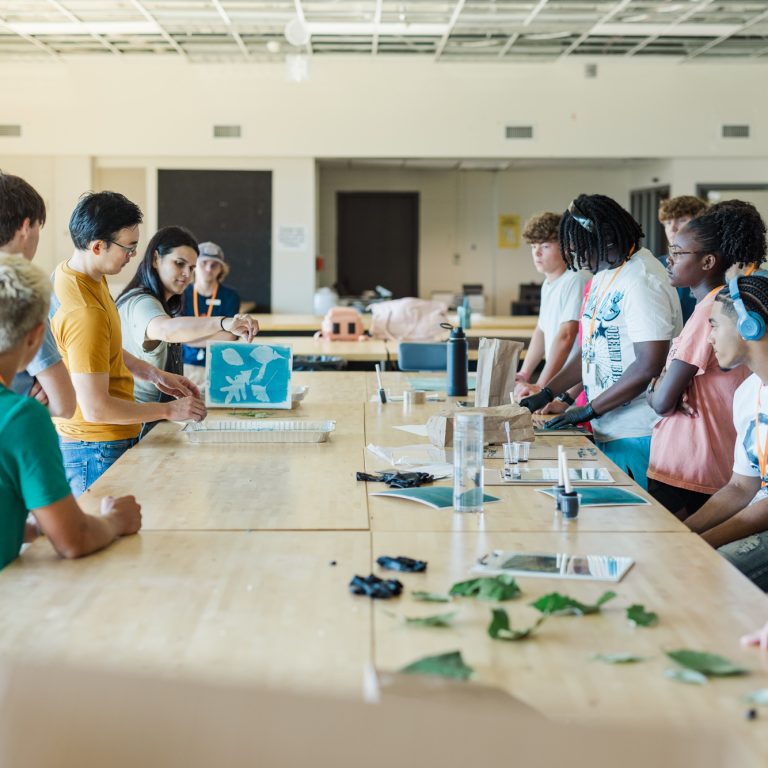
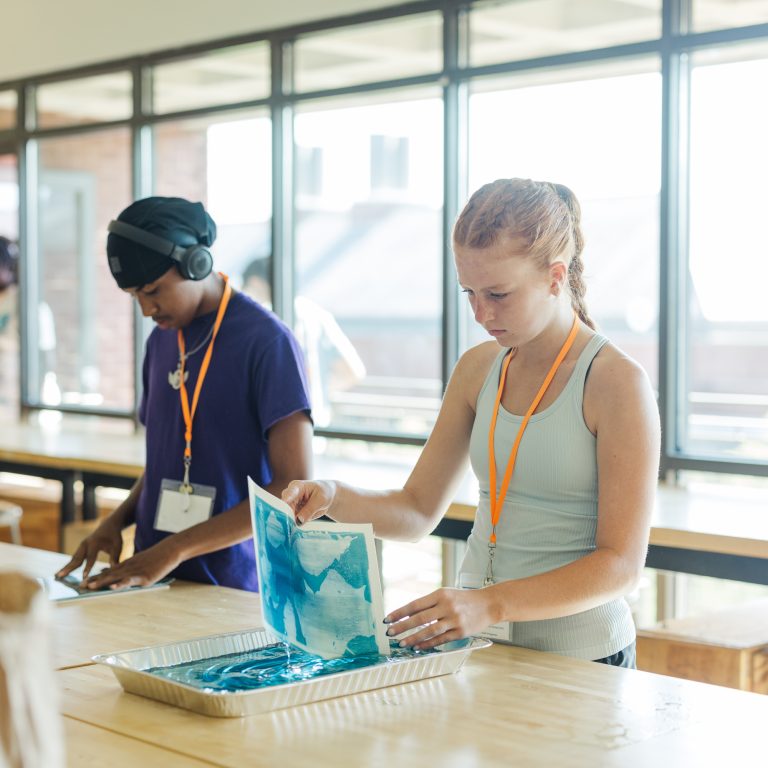
Assistant Professor Frank Hu led the landscape architecture campers in a cyanotyping project, creating figure-ground images using foliage collected from Auburn University’s Davis Arboretum.
“The exercise is a fun way to engage their creativity while also sparking interest in the natural world of trees and plants,” Hu said.
The impact that CADC summer camps have on students’ education and career path can be seen with Camryn Brewis, a student in the McWhorter School of Building Science (BSCI), CADC Ambassador and camp counselor. Brewis said that attending camp and learning from BSCI Associate Professor Lauren Redden was a “turning point in choosing [her] major.”
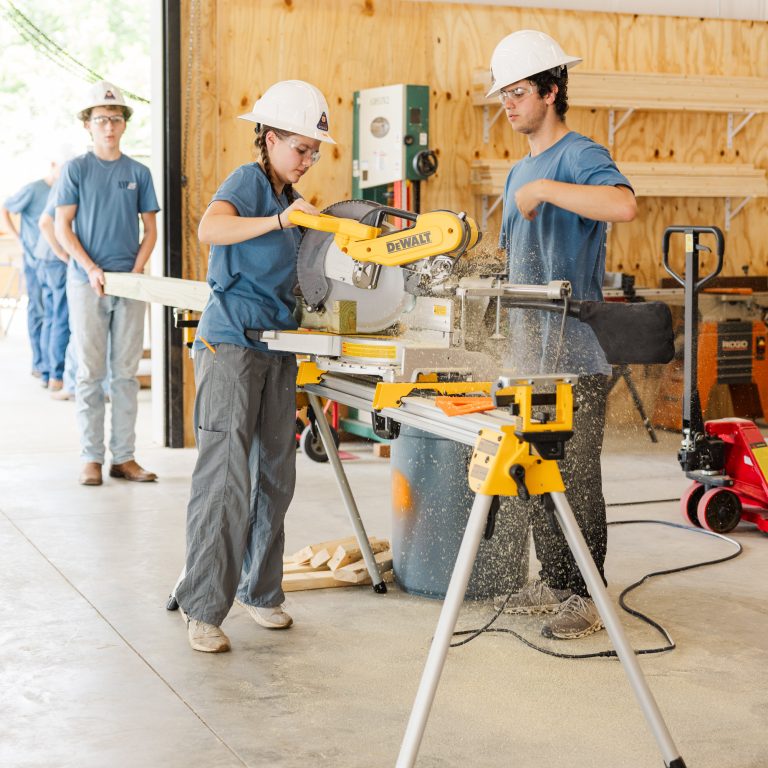
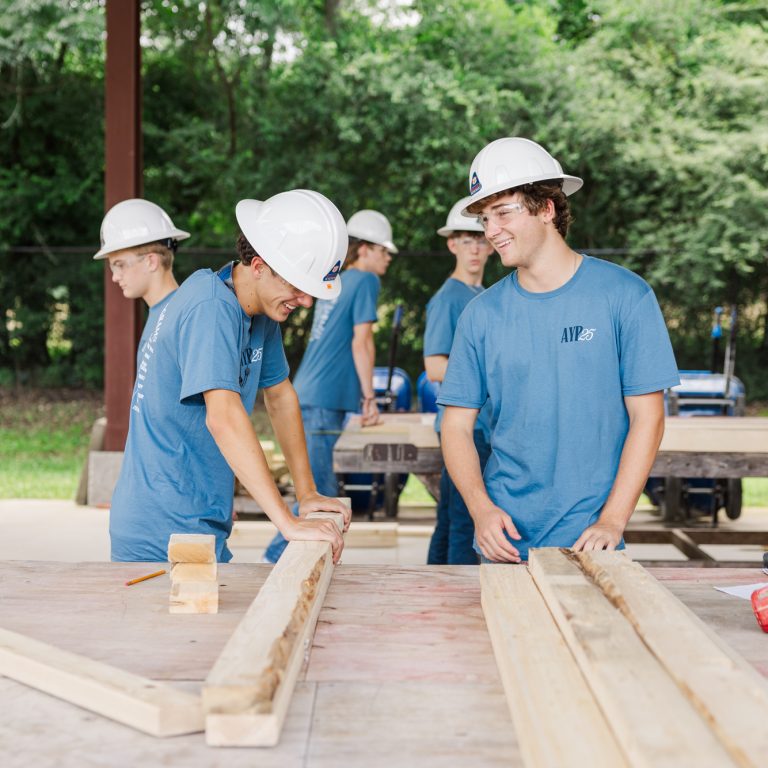
“This summer has been so rewarding to meet students who are excited about Building Science and other CADC majors,” Brewis said, noting that throughout the summer campers built picnic tables and benches that were donated to the Kreher Preserve & Nature Center, concrete stepping stones to take home and a shed for Habitat for Humanity at the Robins & Morton Construction Field Lab.
“Watching them shine has brought back so many great memories from when I was in their shoes,” Brewis continued.
Whether CADC camps help students make decisions about their future or just explore possibilities, the experience opens their eyes to what they can create, which is the most important part to Bush.
“I hope that the students are empowered to design the world that they interact with every day,” he said.