ARCH Faculty Advances Education through Preservation, Innovation
For Associate Professor Gorham Bird, the past year has been defined by momentum—both in his own research and in the continued evolution of the School of Architecture, Planning and Landscape Architecture’s (APLA) architecture program.
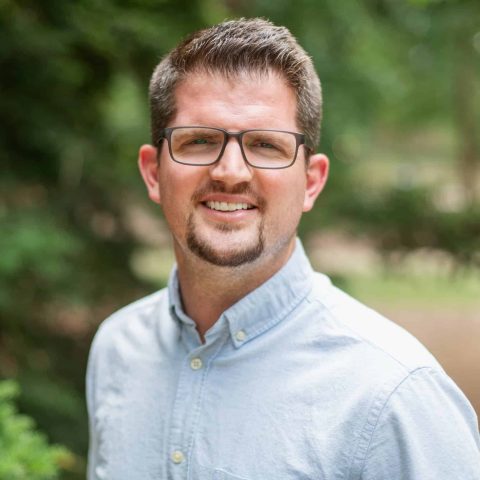
Since being appointed to chair of the Architecture (ARCH) program in August, Bird’s biggest task has been keeping ARCH moving forward with accreditation through the National Architectural Accreditation Board (NAAB), ongoing curriculum reviews and a growing faculty. Recently promoted from Assistant Professor to Associate Professor with tenure, he has focused on ensuring students receive rigorous, relevant architectural education grounded in service and innovation.
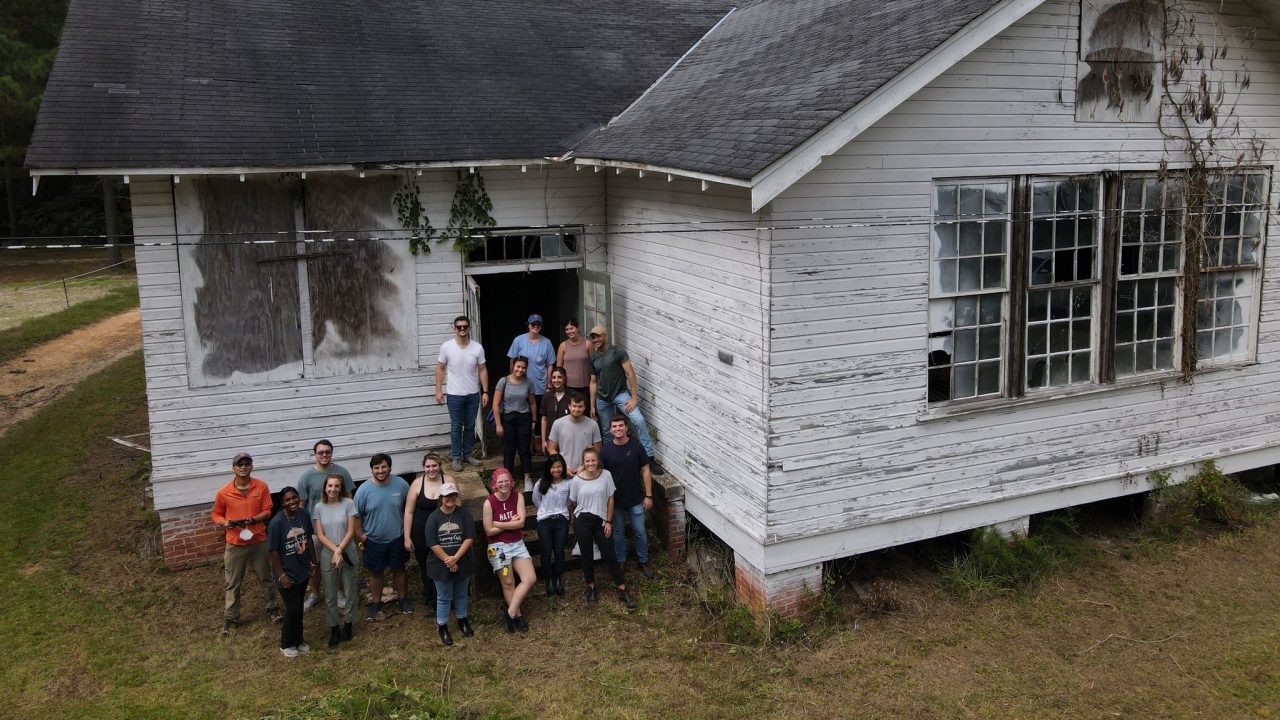
Much of Bird’s recent work centers on historic preservation and community engagement—particularly surrounding Alabama’s historic Rosenwald Schools.
He has been working with an interdisciplinary faculty group to oversee the first phase of the restoration of the Tankersley Rosenwald School, with Phase II planned for the summer of 2026. The related traveling exhibition, “History Lives On,” continues to circulate across the Southeast, moving from Huntsville’s Burritt on the Mountain to Pickensville this past summer. At the same time, Bird has continued developing the Digital Rosenwald project, collecting oral histories and presenting his co-design research at international conferences.
His dedication to community engagement and collaboration has not gone unnoticed. In March, at the Association of Collegiate Schools of Architecture 114th Annual Meeting in Chicago, Bird will receive the 2026 ACSA Collaborative Practice Award for his project, “Reframing Architecture: Engaged Practice for Community Preservation.”
This spring, Bird is piloting a new seminar in historic preservation—an early step toward a potential minor that would expand Auburn’s public history offerings.
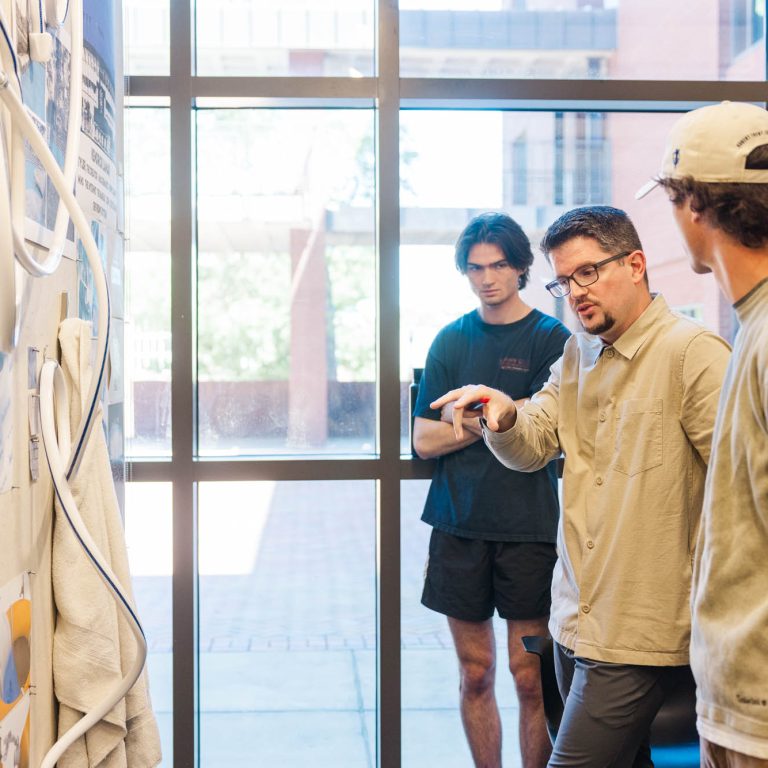
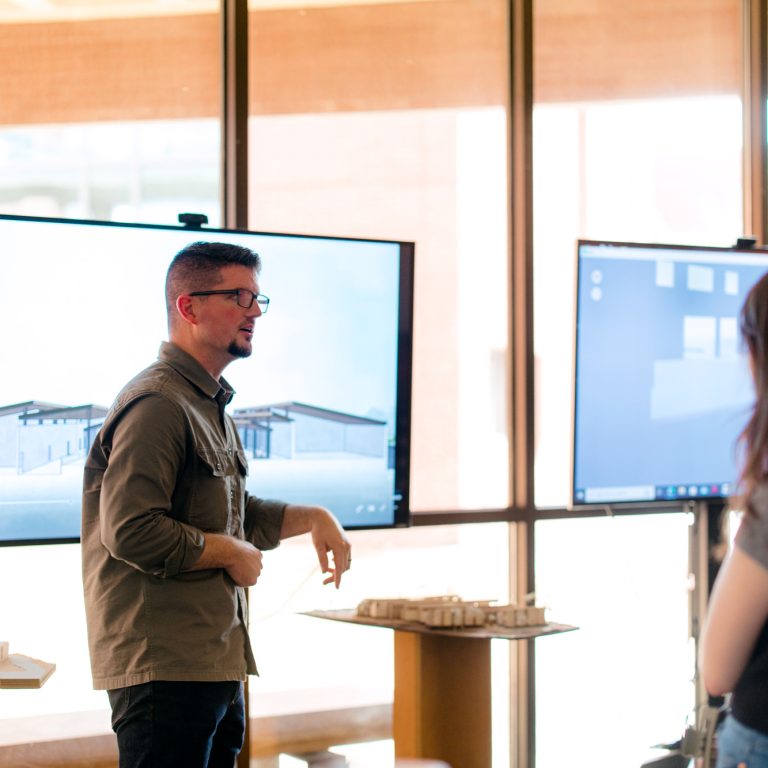
Bird’s teaching centers around beginning design, guiding students from pre-architecture summer studios into the early studio courses in the professional program. He also teaches Environmental Controls and has led the long-standing Wood Competition, where students study Alabama’s forestry and wood-product industries before completing a timber-focused design project. His Critical Conservation course allows students to assist directly with his preservation research, blending fieldwork with design practice.

For Bird, teaching at Auburn is an honor rooted in purpose.
“I see architecture as a public service,” he said, harkening back to his own Auburn experience and the Rural Studio’s ethos of the Citizen Architect.
He hopes his students recognize their ability to influence the world—through thoughtful design, community engagement and responsible practice.
“I want my students to recognize the influence they have—and will continue to have—on the world,” Bird said. “As designers of the built environment, architects provide vision, shape ideas and make decisions that affect individuals and communities… hopefully with a positive impact.”
As enrollment grows and faculty research expands, Bird sees an exciting future for the program with new offerings, continued global and away-studio opportunities and a renewed commitment to shaping architects prepared to lead a more collaborative, integrated future for the profession.
“Design has the power to improve lives, revitalize neglected places and create meaningful change for the future,” he said.
Related people:
Gorham Bird