Undergraduate Research Fellowships Provide Exploration Opportunities for CADC Students
For nearly two decades, Auburn University has supported research fellowships for undergraduate students, encouraging them to wade into the ocean of research with support and mentorship from faculty.
Participating in the URF program strengthens the student’s applications for graduate programs, helping them take a step into their academic futures.
“The Undergraduate Research Fellowship program has given scores of CADC students the opportunity to dive into areas of research normally associated with graduate-level studies. It has been amazing to see how much this opportunity impacts the students and the way they think about their future careers,” said David Hinson, CADC Associate Dean for Research and Graduate Studies and R. Hugh Daniel Professor. “For some students, the URF experience is a steppingstone to graduate studies; for others, it opens new ways of thinking about the ideas they’ll pursue in their professional careers.”
In the 2025–26 academic year, the Office of Undergraduate Research awarded fellowships to six students from the College of Architecture, Design and Construction.
Kathryn McEniry, Building Science
McEniry is researching how to improve artificial intelligence’s ability to interpret complex construction documents. Guided by Associate Professor Eric Wetzel—director of the Construction Automation, Robotics & Visualization (CARV) Laboratory—McEniry is using machine learning to advance a multi-modal large language model for construction processes.
“To do so, the model must be able to use optical character recognition to navigate multi-sheet references, architectural legends and layered drawing structures that are quite common in floor plans,” McEniry explained, noting that the project is a collaboration with Jian Zhang and Amatul Bushra Akhi from Kennesaw State University’s Embodied Intelligence lab.
Emily Griffin, Environmental Design
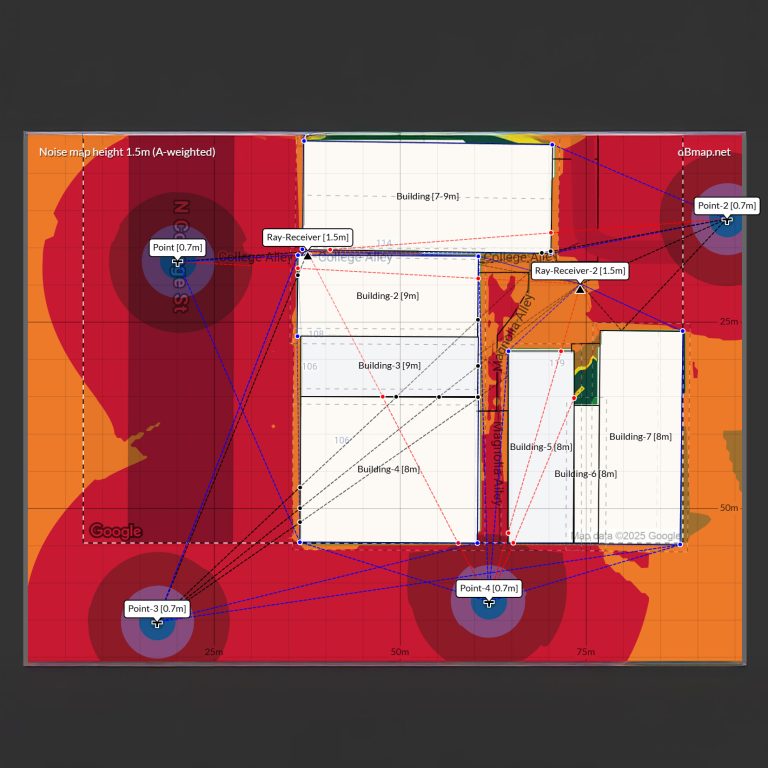
Guided by Associate Professor Christian Dagg, Griffin is investigating how architecture, landscape and sound interact to shape human experience within Auburn’s built and outdoor environments.
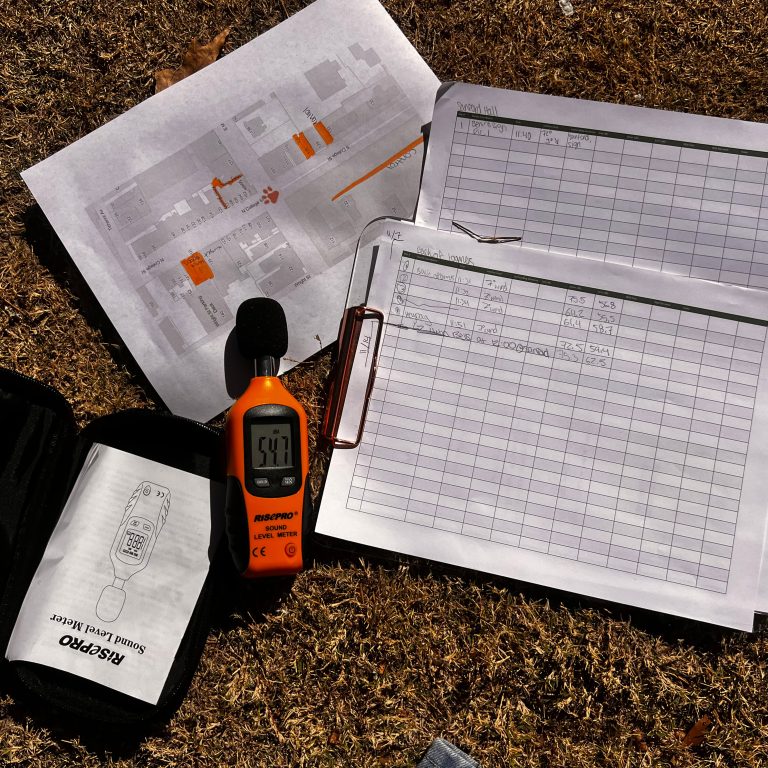
Griffin has been taking sound measurements from alleyway sites in downtown Auburn, conducting public perception surveys and building digital acoustic models to examine how soundscapes influence comfort, atmosphere, safety and emotional response. Her overall goal is to demonstrate how intentional acoustic and spatial design can enhance the quality, immersion and usability of compact public spaces.
“The Undergraduate Research Program has transformed how I approach research by highlighting the importance of integrating observation, measurement and design,” Griffin said. “I’ve learned that research isn’t just about collecting data; it’s about understanding context, making meaningful connections, asking the right questions and interpreting how people experience and interact with the spaces we create.”
India Joiner, Environmental Design
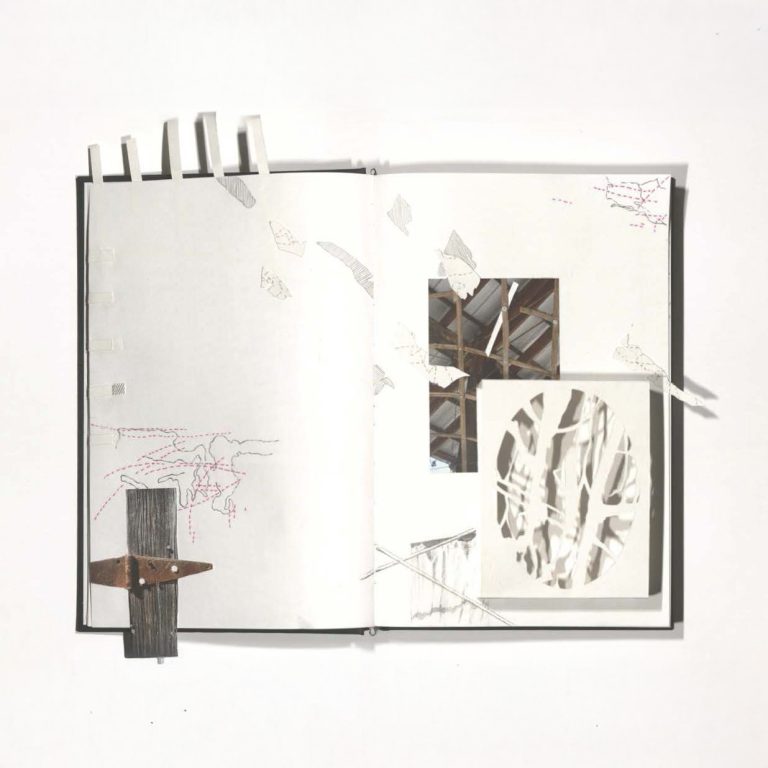
Working with Assistant Professor Eilís Finnegan, Joiner is exploring different methods of representation to add storytelling, material and scale into traditional analytique drawings. Using Rural Studio projects as case studies, Joiner has been working “phygital”—physical and digital—ideas into analytiques to bring present day technologies into the historic representation format.
The URF has reinforced Joiner’s desire to pursue a master’s degree in architecture and uncovered her interest in the human emotion and storytelling of domestic spaces.
“This research program has helped me understand that research is not linear, but iterative,” Joiner said, explaining that she redefined her project multiple times, narrowing her focus to specific concepts and building confidence as she went. “I realized that research is a process of experimentation, discovery and implementation rather than one focused on maintaining a consistent subject and goal.”
Annie Neill, Environmental Design

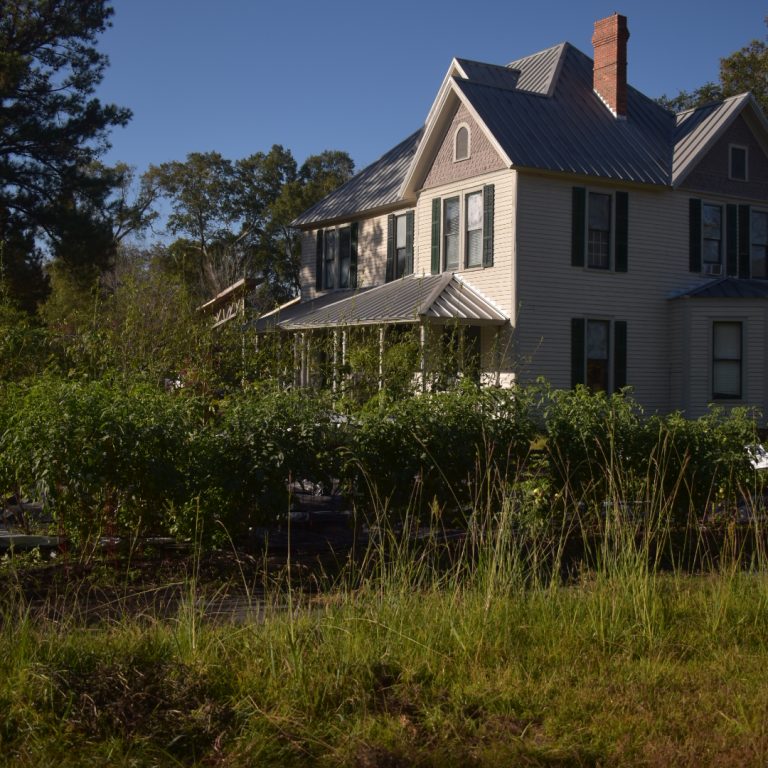
Overseen by Associate Professor Robert Sproull, Neill’s research explores how underutilized infrastructure can be reimagined as socially and ecologically performative systems. She is investigating how spaces like waterfront edges, transit corridors and industrial remnants can function as connective thresholds that support community engagement, environmental resilience and adaptive public use.
“This research has strengthened my time management and project-planning skills while allowing me to build a body of work deeply aligned with my personal interests,” she said. “Being able to pursue a topic I’m genuinely passionate about has made the research process both challenging and incredibly exciting and has made me excited for graduation and the possibilities ahead.”
Christine Pham, Environmental Design
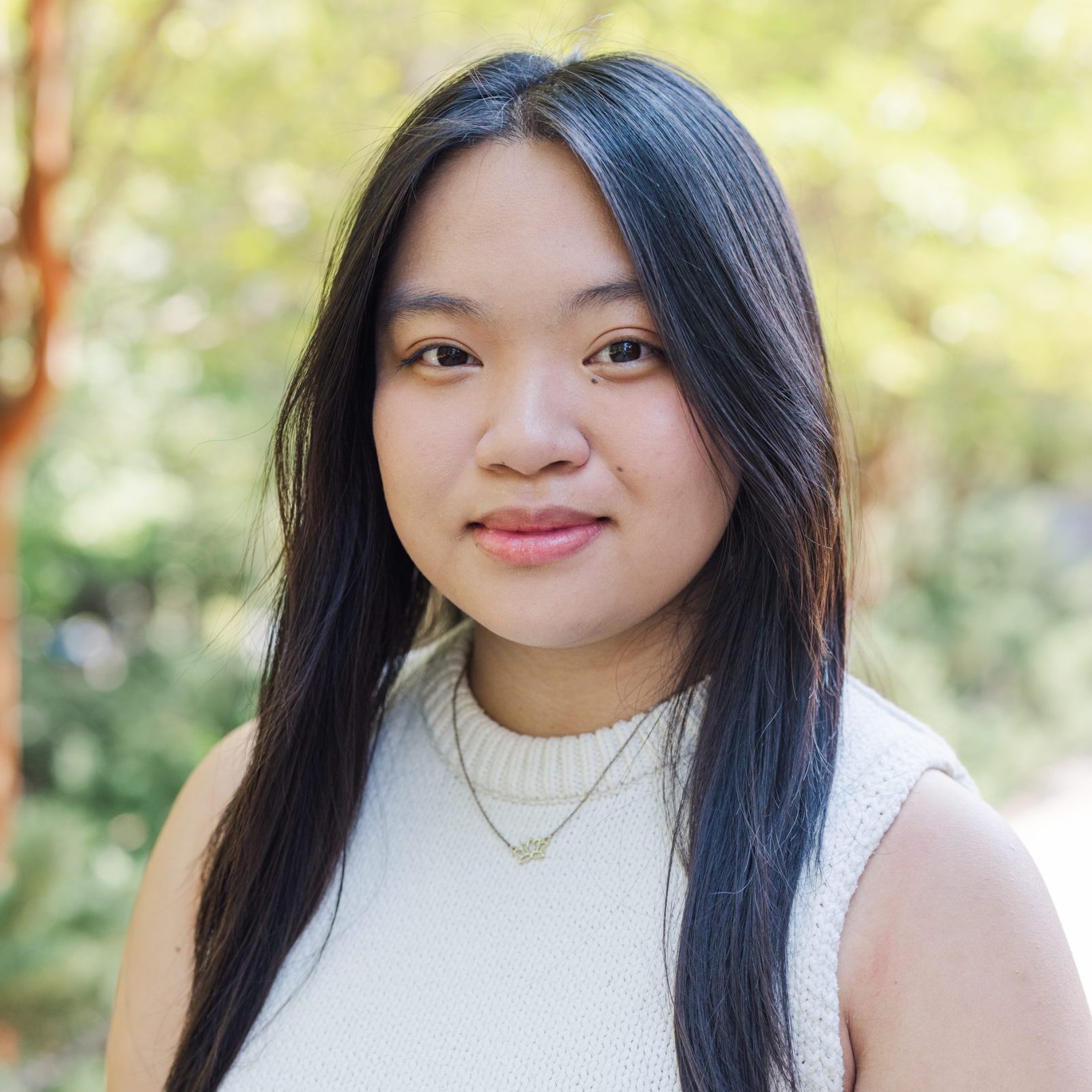
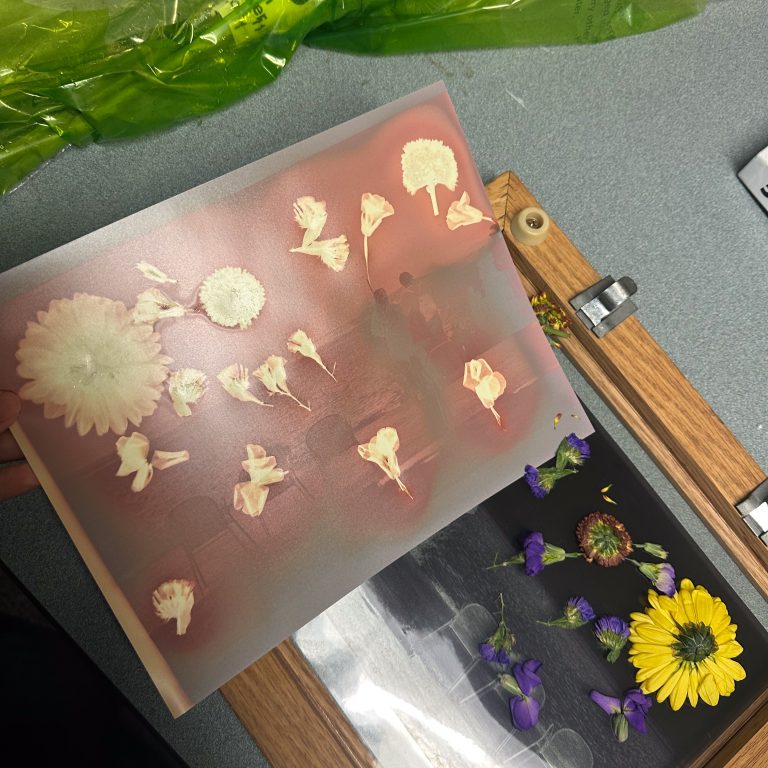
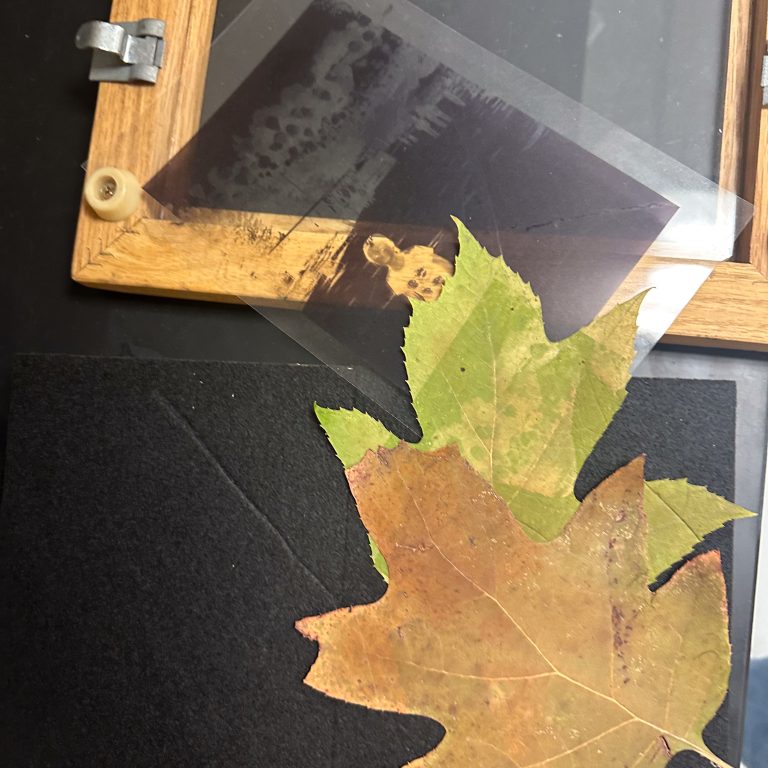
Guided by Assistant Professor Kelly Homan, Pham has been testing alternative image making methods, broadening her perception of research to include creative pursuits. The fellowship led Pham to a lightbulb moment while experimenting with her research project.
“There is nothing more satisfying than finally figuring out the correct timing, method or process that you envisioned and making your project successful,” she said.
The URF program has opened academic and professional opportunities in which Pham can explore creative research and interdisciplinary work that allows her design and artistic pursuits to flourish, rather than be pigeonholed into a defined discipline.
“I want to continue to be in an environment where I feel like I can push, experiment and feel excited by my work,” she said.
Abby Garner, Landscape Architecture
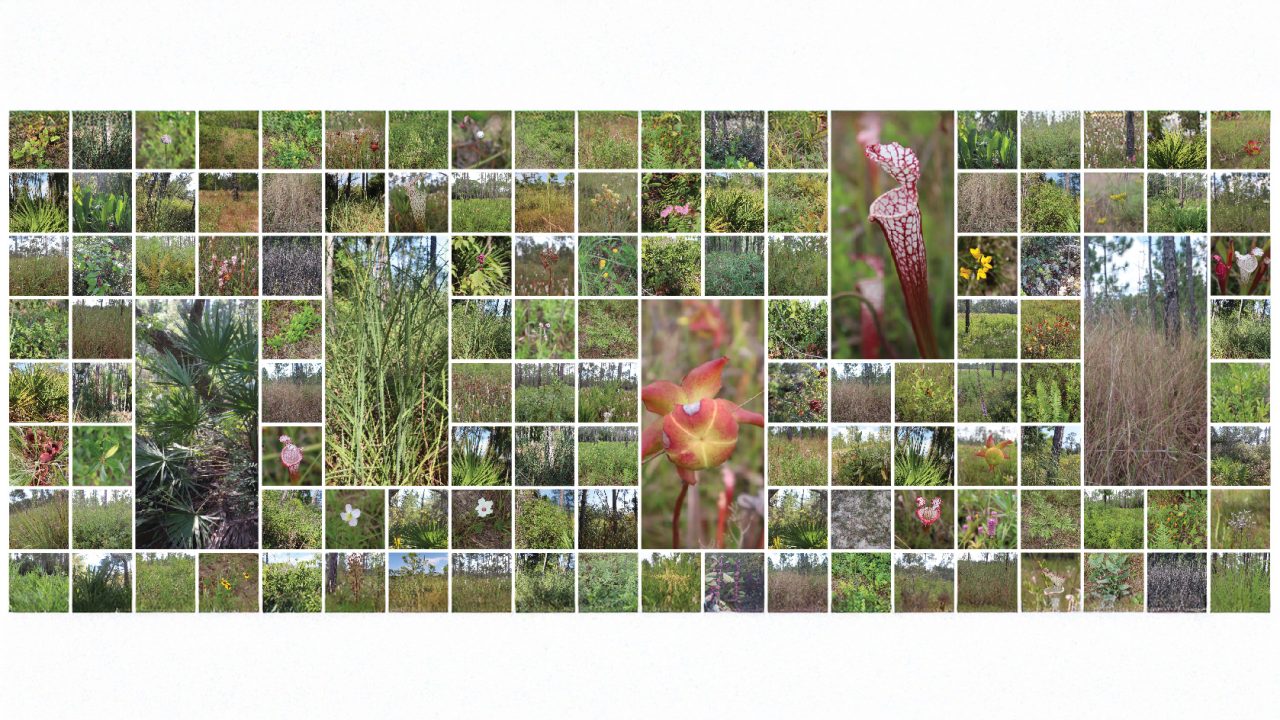
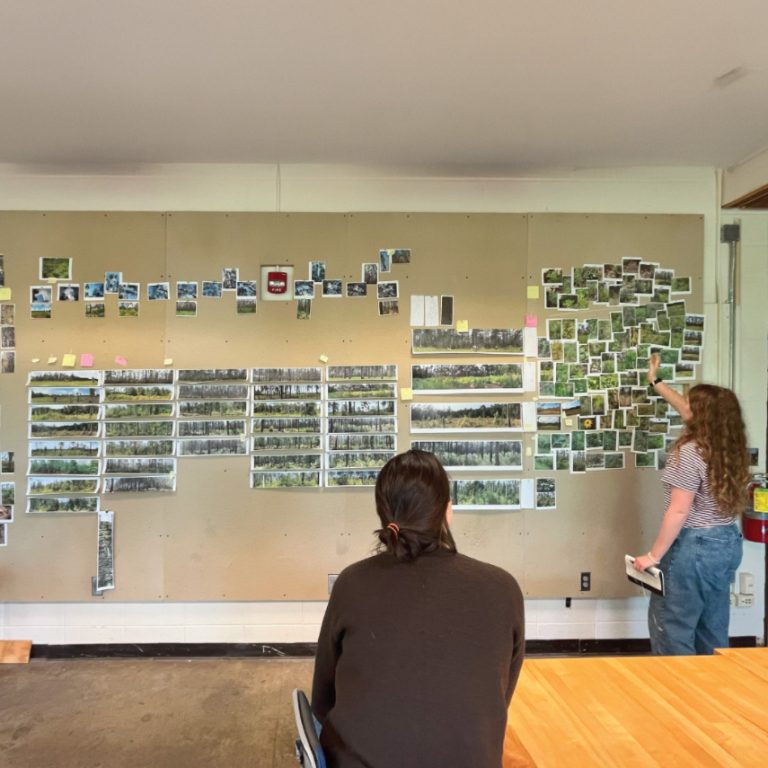
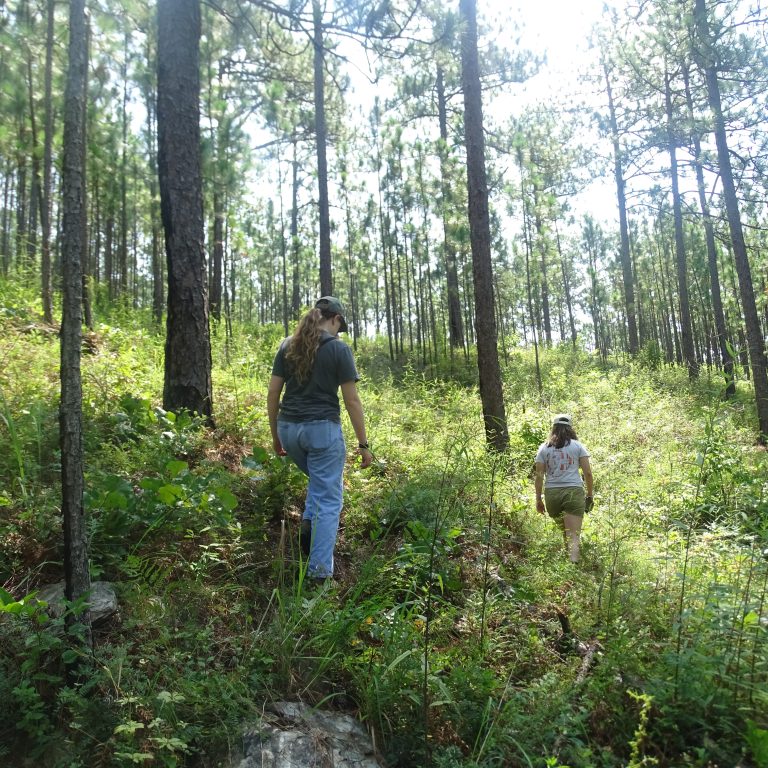
Working with both Associate Professor Emily Knox and Visiting Assistant Professor Maria Elena Vanegas Perez, Garner is researching pine ecosystems in order to better frame their ecological and spatial value. She is documenting the complex system through panoramas, sectional drawings and detail photographs to explore the value of the forest system beyond timber production—including physiographic regions, management regimes, natural disturbances and seasonal changes.
“Focus on timber production in the state often oversimplifies pine ecosystems, removing the differentiation between timber plantations and ecologically robust forests,” Garner said. “This project aims to speak towards the latter, providing a visual way to represent the landscape as a complex and dynamic system for various audiences and to show the value of fieldwork as a tool of landscape architecture.”
In addition to the year-long fellows, CADC hosted one other summer-only research fellow under Finnegan. Environmental Design alum Christopher Henderson ‘25 studied the wear and tear of physical and digital representation, combining his research with his program capstone project documenting how materials deteriorate over time. The URF program helped Henderson carry his academic career forward into the Master of Architecture program at Yale University.
See more in:
Research,
Student Experience,
Student Recognition,
Student Work