BSCI Competition Teams Provide Real World Experience
Each year, the McWhorter School of Building Science (BSCI) prepares its students for an intense and rewarding competition season—a defining part of the student experience.
Supported by generous industry partners who help fund travel and entry fees, Auburn’s competition teams spend months preparing for national and international events that challenge them to apply classroom knowledge to real-world construction problems. While the program has participated in competitions for over 30 years, their presence and impact continue to grow.
In the 2025-2026 academic year, Auburn students will compete in nearly 20 events across the U.S. and abroad from Dublin, Ireland to Greenville, S.C. The categories span roofing, electrical, finance and risk management, design-build, heavy civil, commercial, preconstruction and project management. Each competition demands a unique blend of technical skills teamwork and strategic thinking.
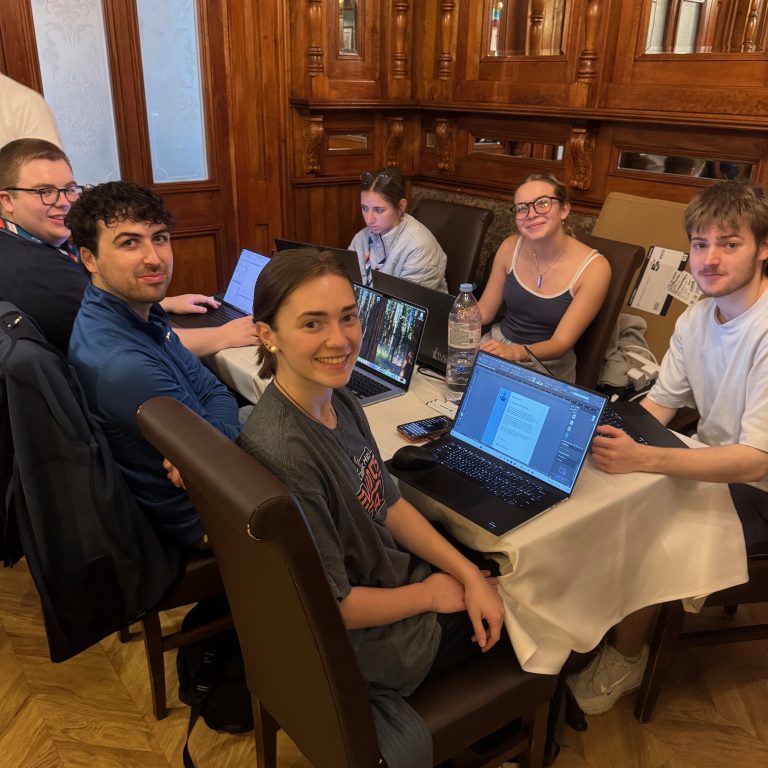
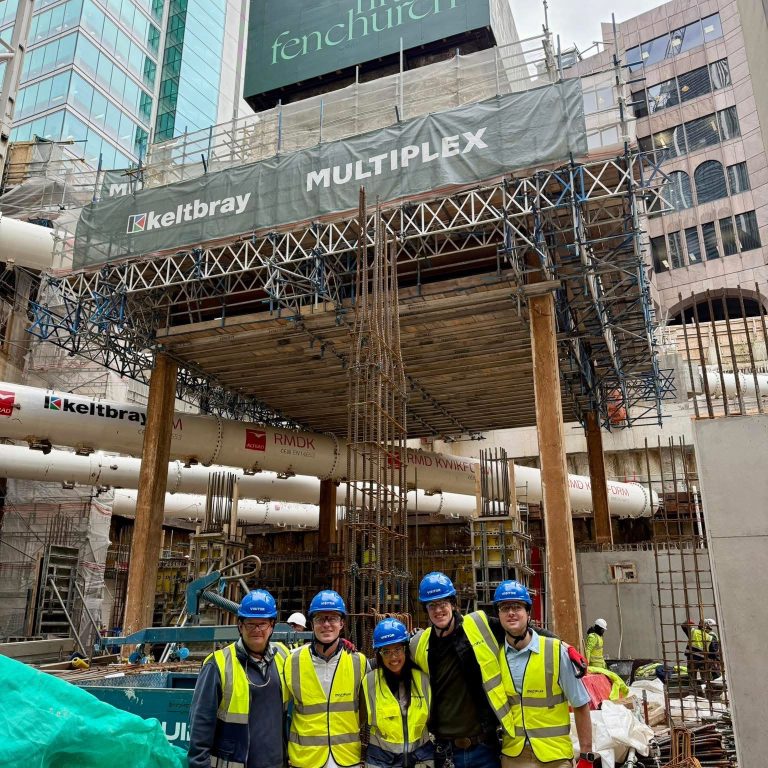
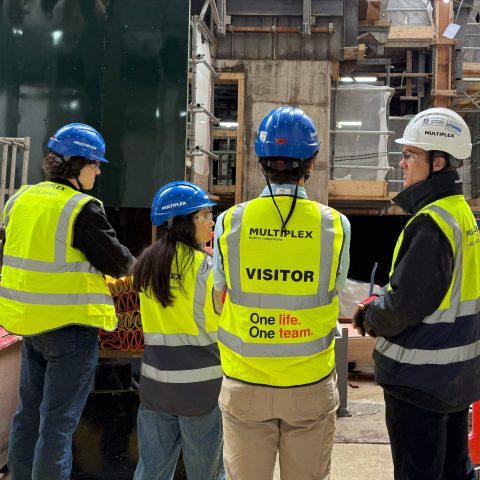
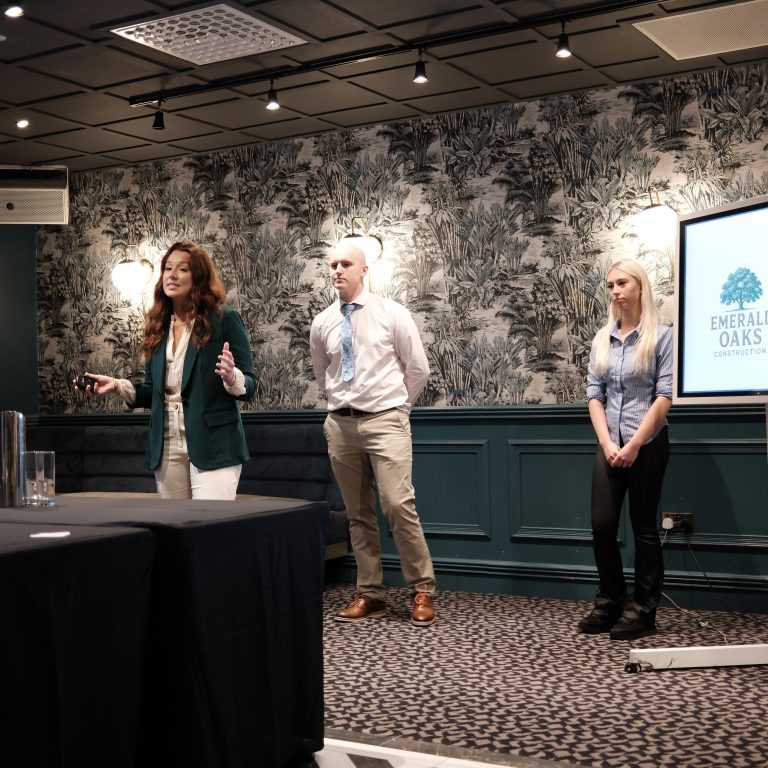
Preparation is rigorous. Students visit active construction sites in Atlanta or Birmingham to understand project conditions, meet with contractors and observe field practices. They participate in workshops led by industry speakers who walk them through real scenarios and problem-solving approaches. Teams also run mock competitions—working under time constraints with past competition files—to simulate the competition experience. Presentations in front of industry panels allow teams to refine their delivery and receive candid feedback.
Associate Professor and competition coach Wes Collins said this hands-on preparation is key.
“They get to hear what it’s like doing construction in the real world from industry participants,” Collins said. “The lightbulbs go off—they see that what they learn in the classroom applies in the real world.”
Competitions also open doors. One alternate, senior Isaac Anderton, secured an internship from Baker Concrete Construction when he was just a freshman, after stepping in last-minute and impressing company representatives. Graduate students, too, often earn positions with firms—like Michaela Robinson ‘19, who is now a project manager at Clark Construction Group in Nashville—through the prestigious ASC Region 6/7 competition in Reno, Nevada.
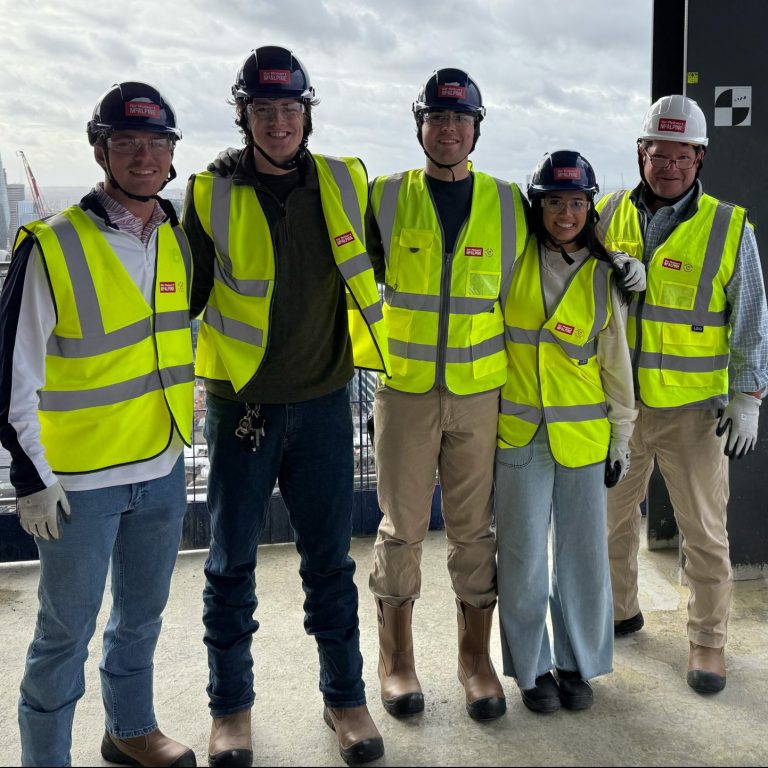
For Auburn’s BSCI students, competitions are more than contests—they are catalysts for learning, confidence-building and launching successful careers.
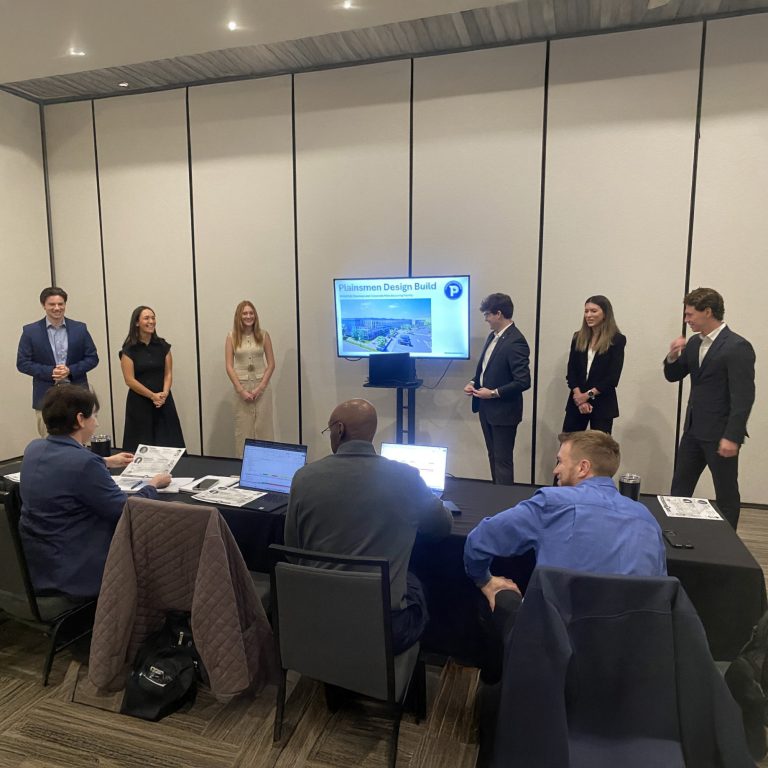
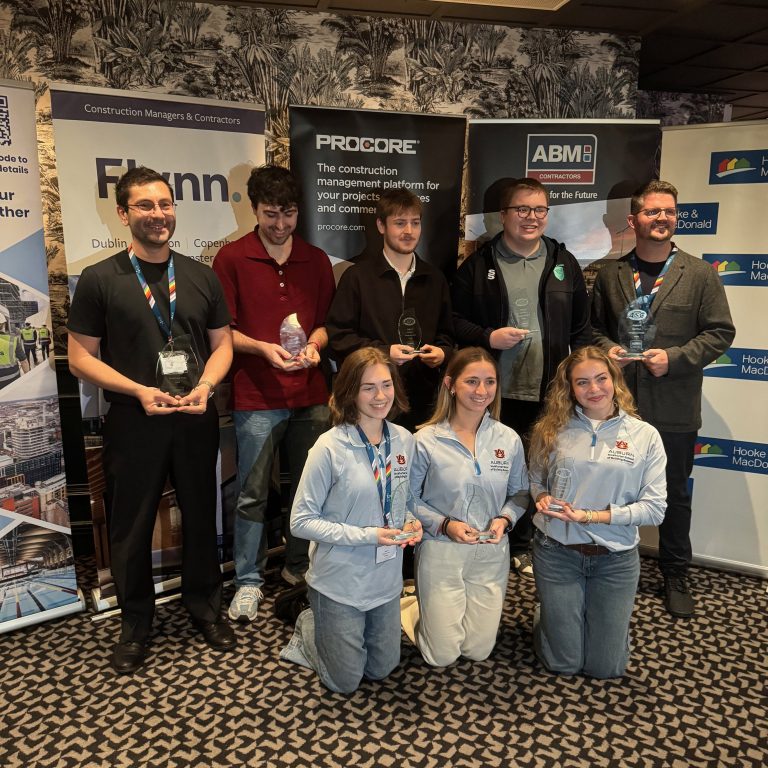
Keep reading to see how the competition teams placed in 2025.
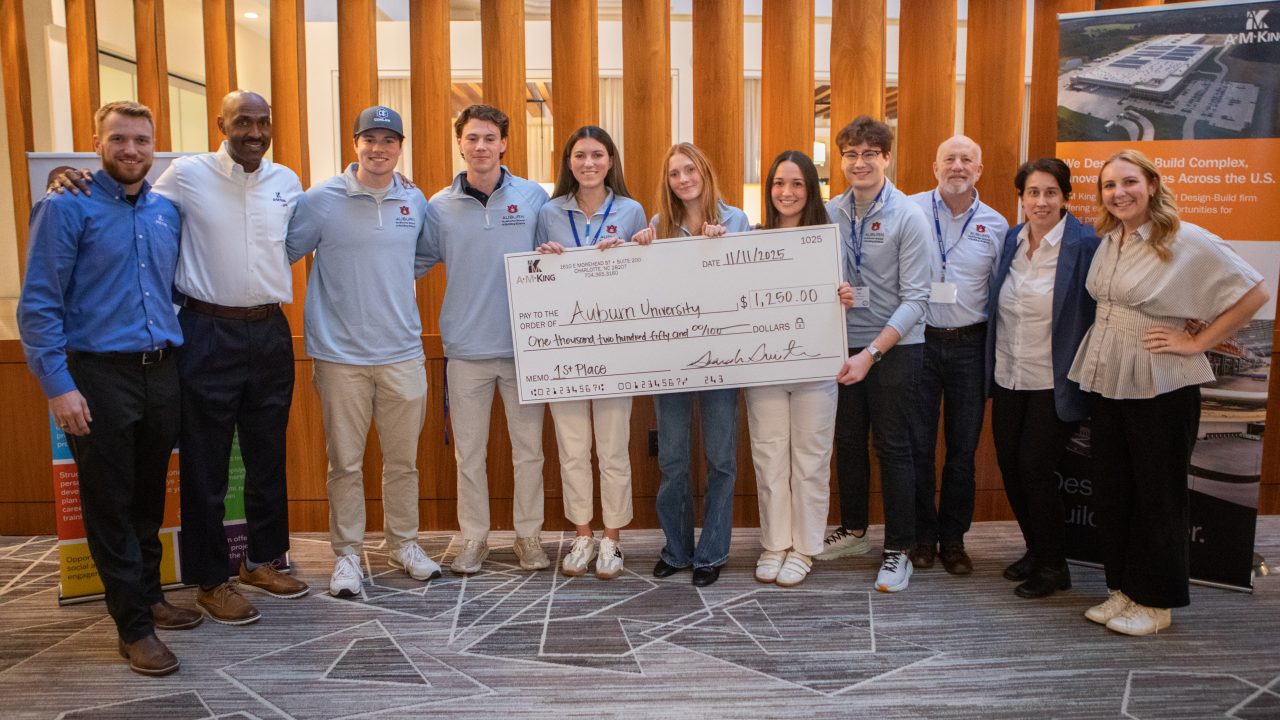
ASC Region 2 (Greenville, South Carolina)
- Design Build team, Coach: Bob Muir | FIRST PLACE | SECOND PLACE in Alternate Competition: Owen Nichols
- Commercial team, Coach: Anoop Sattineni | THIRD PLACE
- Pre-Construction team, Coaches: Wes Collins, Alex Adolf, Lauren Redden | THIRD PLACE
- Graduate team, Coaches: Wes Collins, Shadi Alathamneh | SECOND PLACE
ASC Region 8 (Dublin, Ireland)
- CM-QS joint team with Liverpool John Moores University, Coach: Hunter McGonagill | SECOND PLACE
- CM-QS joint team, Coaches: Paul Holley, Richard Burt | THIRD PLACE
- Design Build joint team with Liverpool John Moores University, Coach: Wes Collins | SECOND PLACE | BEST PRESENTER: Olivia Fontaine
- Design Build joint team with TU Dublin, Coach: Alan Bugg | FIRST PLACE
- Project Management joint team with TU Dublin, Coach: Drew Yantis | SECOND PLACE
See more in:
Student Competitions,
Student Experience