Auburn Landscape Architecture Celebrates Deep Roots, New Growth
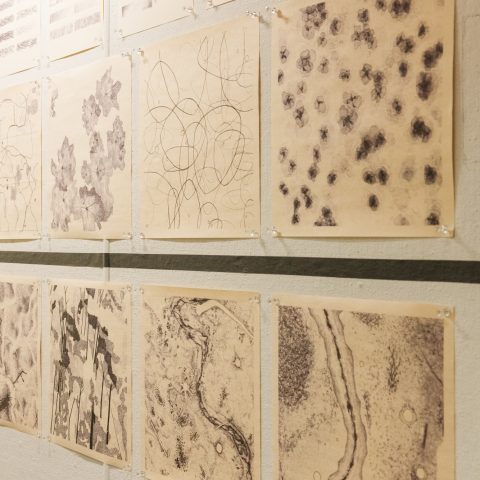
Auburn Landscape Architecture, housed within the School of Architecture, Planning and Landscape Architecture (APLA), boasts a rich history that spans four decades.
Both programs—the Bachelor of Landscape Architecture (BLA) and the Master of Landscape Architecture (MLA)—are recognized nationally for their academic rigor, innovative design approaches and the success of graduates leading the profession.
“It was a pleasure to gather with alumni to celebrate 40 years of Auburn Landscape Architecture,” shared MLA Program Chair and Associate Professor Emily Knox. “I have taught in the program for just seven years, but I have always had the sense that our work builds upon the foundation laid by the many incredible faculty and students who came before. The MLA and BLA programs have had eras, shifting to meet the needs of the time and evolving with the values of the faculty.

“This milestone provides an opportunity to both recognize and reflect upon that rich history and look forward toward what’s to come.”
A Legacy in the Making
While Auburn’s current programs reflect decades of design-focused education, the university’s connection to Landscape Architecture goes back even further. A BLA was first offered in the early 1930s through what was then called the Department of Horticulture and Forestry. The program had expanded beyond its agricultural roots by the early 1940s, prompting a move to the then-School of Architecture and the Applied Arts, before it was paused in the late 1950s.
In 1976, in response to a request from the Alabama Chapter of the American Society of Landscape Architects (ASLA), the program was re-established with a renewed focus on design, the built and natural environments and interdisciplinary collaboration.
The program’s reestablishment marked the beginning of a vibrant new chapter—one remembered by early graduates for its energy, experimentation and deep sense of purpose.
“The BLA program in the early 80’s had incredible energy,” recalled Jane Reed Ross ’82, a Senior Landscape Architect at Goodwyn Mills Cawood in Birmingham, Alabama, who was elevated to ASLA Fellow last year. “Landscape architecture students were mixed with architecture and interior architecture students for the first two years of design in a five-year program, which gave us a full sense of the built environment and the collaborative teams needed to implement our ideas.”
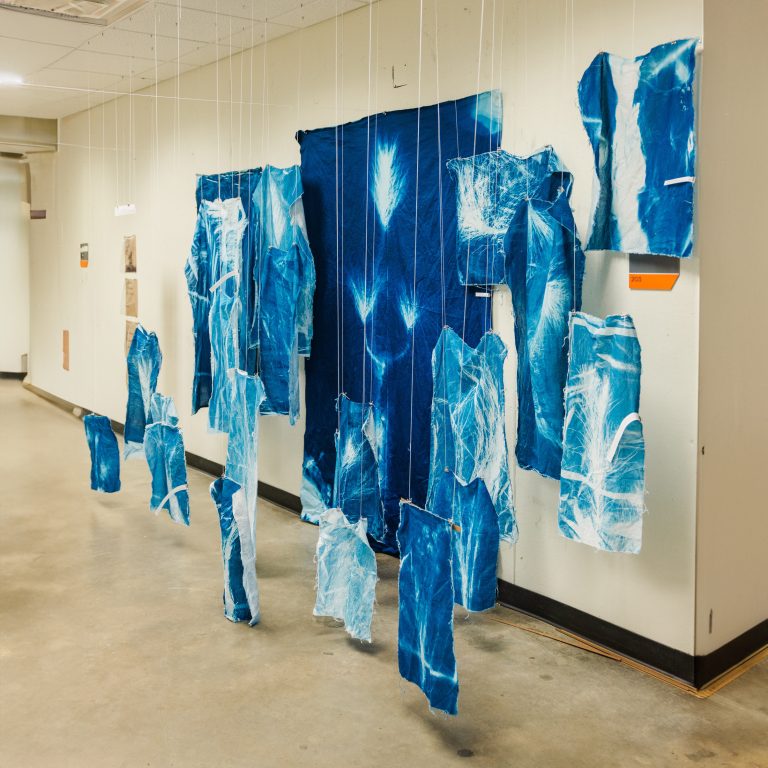

Ross also recalled the program’s summer option—an immersive first year of design that built lasting friendships and offered students the opportunity to complete the program more quickly. She credits faculty like Richard Rome and John Robinson with providing valuable mentorship in those early days. Rome, a practicing landscape architect based in Montgomery, brought professional insight into the studio, bridging the gap between students’ studio-based education and the realities of practice.
The program’s blend of academic rigor, real-world perspective and thoughtful faculty support remains true today, a strong foundation that helped position the program for key milestones in the years that followed.
The BLA earned its initial accreditation from the Landscape Architecture Accreditation Board in 1984. That same year, the program’s advisory council was established, bringing vital industry perspectives and strengthening ties with the professional community.


The school was renamed the School of Architecture in 1987, and Landscape Architecture became one of four programs in the Department of Architecture. By the mid-1990s, the program had grown to 75 students under the leadership of Jack Williams, who served as Program Chair from 1992 to 2008. As enrollment grew, so did the demand for faculty. Under Williams’ leadership, the program expanded its teaching staff to match its growing student population—a move that, he notes, has had a lasting impact.
“The program attracts terrific instructors by offering opportunities for them to improve in their careers and showing real support,” Williams said. “There is an investment in the faculty, just as they invest in their students.”
An Era of Change
That same investment in students shaped a major transformation in the late 1990s. In response to shifts in the profession and the evolving needs of students, the faculty began planning a transition from the BLA to an MLA. This change aligned Auburn’s offerings with national trends in the field and prepared graduates for advanced professional practice. The first MLA students were admitted in 1998, and the BLA began a gradual phase-out. Auburn’s first MLA cohort graduated in 2000, and by 2003, the program had become a fully accredited, first professional degree at the graduate level.
“I began teaching in the early days of the MLA, working with a thoughtful and engaged group of students who brought a wide range of perspectives to the program,” said Professor Charlene LeBleu, who served as MLA Program Chair from 2004 to 2007 and again from 2014 to 2017. “Students have always been our most important and precious asset, and all were encouraged to develop their curiosity about the Earth through field studies.”

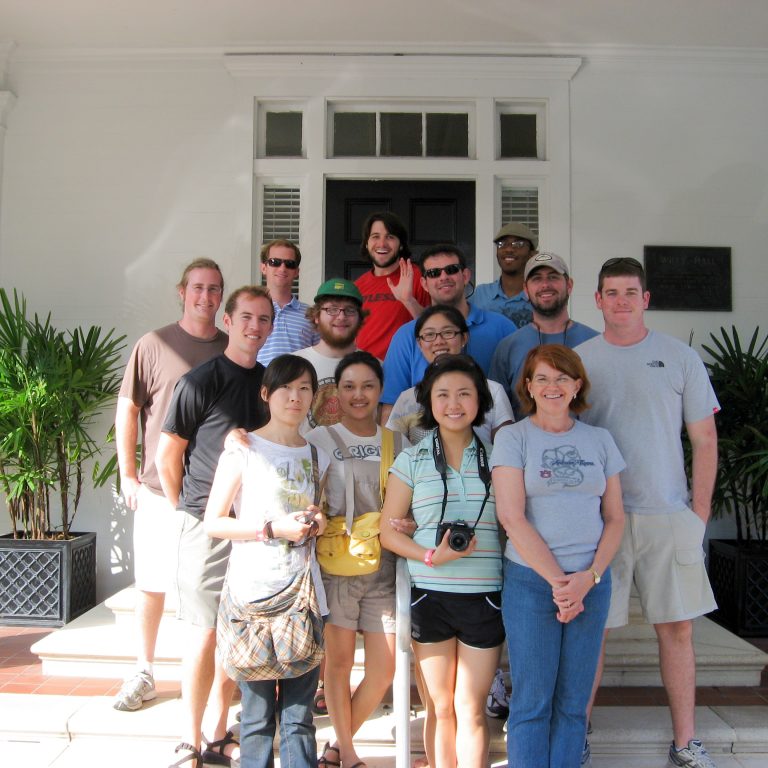
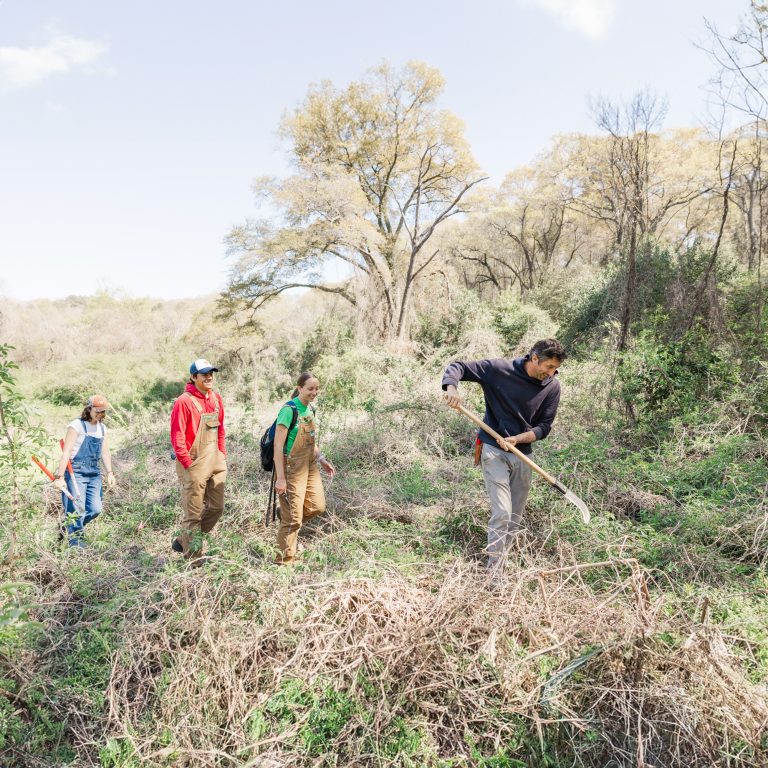
The program’s fieldwork emphasis—which remains a hallmark of the program to this day—allowed students to deepen their understanding of the land through immersion in it, exploring the rich landscapes of Alabama and participating in international travel to places like China and Portugal.
“One of my fondest memories is a semester that first-year MLA students spent at the Dauphin Island Sea Lab, a robust mix of class, studio and field studies focused on coastal ecology and local design projects,” LeBleu shared. “Auburn Landscape Architecture has always had an emphasis on field work. It’s the thread that ties together our BLA and MLA students and alumni throughout the years—our legacy.”
Following LeBleu’s initial tenure, Associate Professor John Pittari served as the MLA Program Chair from 2007 to 2008. He was succeeded by Professor Rod Barnett, who led the program from 2008 to 2014 and now serves as Head of the School of Architecture at Victoria University of Wellington in New Zealand.
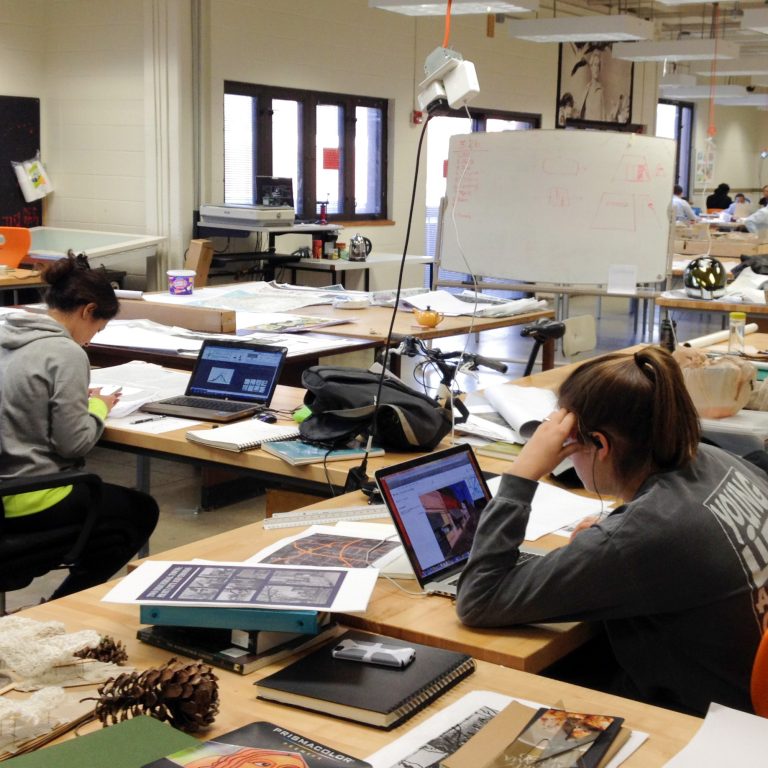
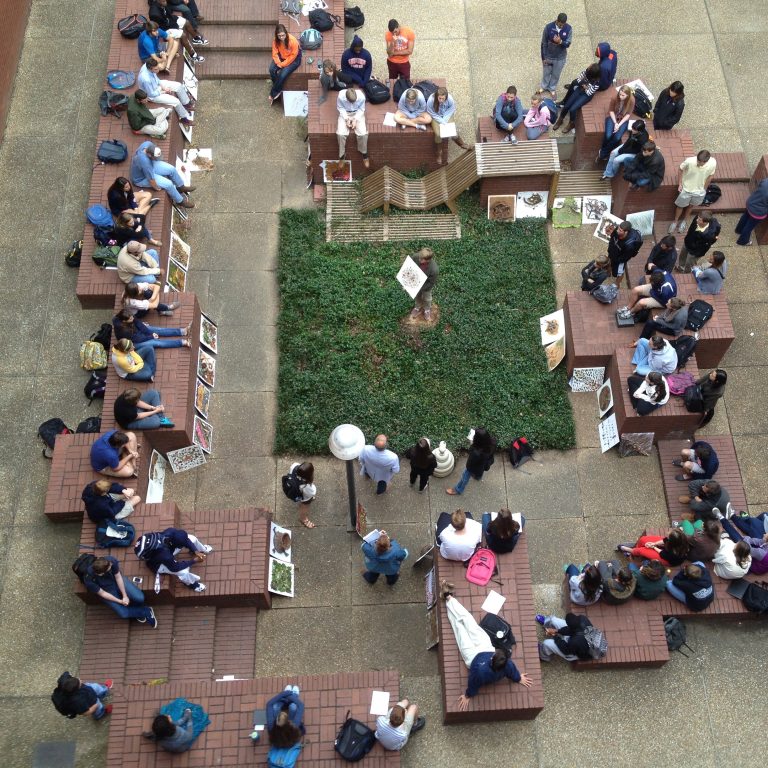
“When I arrived, Auburn had a deep and long-standing tradition of site investigation and analysis,” Barnett stated. “It was an evidentiary approach to design that provided MLA students with the skills to develop projects that addressed ecological and social challenges through site-specific solutions. The work that Professor Michael Robinson was doing with them at the time encouraged creative thinking and the exploration of different types of representation and imaginative making.”
Barnett’s arrival coincided with that of Associate Professor David Hill. Together, they recognized that combining fieldwork with creative design techniques could shape a unique identity for the program. Studio courses began to embrace an ideas-driven approach, encouraging students to develop conceptual frameworks—often inspired by unexpected sources—that pushed their work in bold, original directions.
“It was an exciting phase, one that influenced the direction of the program,” he said.
After Barnett’s tenure as chair concluded in 2014, leadership of the program transitioned once again. LeBleu returned as interim chair that year before officially stepping into the role from 2015 to 2017. She was followed by Hill, who served from 2017 to 2024, when Knox assumed the position.

Throughout the 2000s and 2010s, the program exclusively offered graduate education in Landscape Architecture, averaging around 35 students across the three-year curriculum.
In 2010, the School of Architecture was renamed the School of Architecture, Planning and Landscape Architecture to more accurately reflect the breadth of its academic offerings.
For nearly 25 years, the MLA served as the only Landscape Architecture program in the state, educating hundreds of students and extending the program’s national and international presence in both practice and academia.
A New Chapter and Celebration of Legacy
Building on the strength of the early BLA and the growth of the MLA over the past two decades—reflected in an alumni network that includes Ross, Cathy Gerachis ’82, Ron Huffman ’83 ’84, Richard Roark ’99 ’00 ’01, Wanona Satcher ’05, Galen Newman ’06 and many others—Auburn reintroduced the Bachelor of Landscape Architecture in 2021. The revitalized program was reimagined to meet the needs of today’s students, the evolving demands of the profession and the proud legacy of Auburn Landscape Architecture.
“So many hands have contributed to re-launching the BLA program,” said Rob Holmes, Associate Professor and BLA Program Chair. “Not least among them are the students in our first graduating class, who have risen to the challenge of defining a new chapter for Auburn Landscape Architecture—including, but hardly limited to new graduate Chase Hoytink winning the nation’s top design award for landscape architecture students while only in her third year. We’re incredibly excited to watch their careers and practices take off in the coming years.”
The first graduates of the relaunched BLA crossed the stage during Auburn’s spring commencement in May. Just weeks earlier, in mid-April, those same graduates joined alumni, faculty and friends of the programs for LAND40, an anniversary weekend celebrating 40 years of Auburn Landscape Architecture graduates. The two-day celebration featured a keynote, panel discussion, student work exhibition, private alumni reception and a guided tour of the Mary Olive Thomas Demonstration Forest.
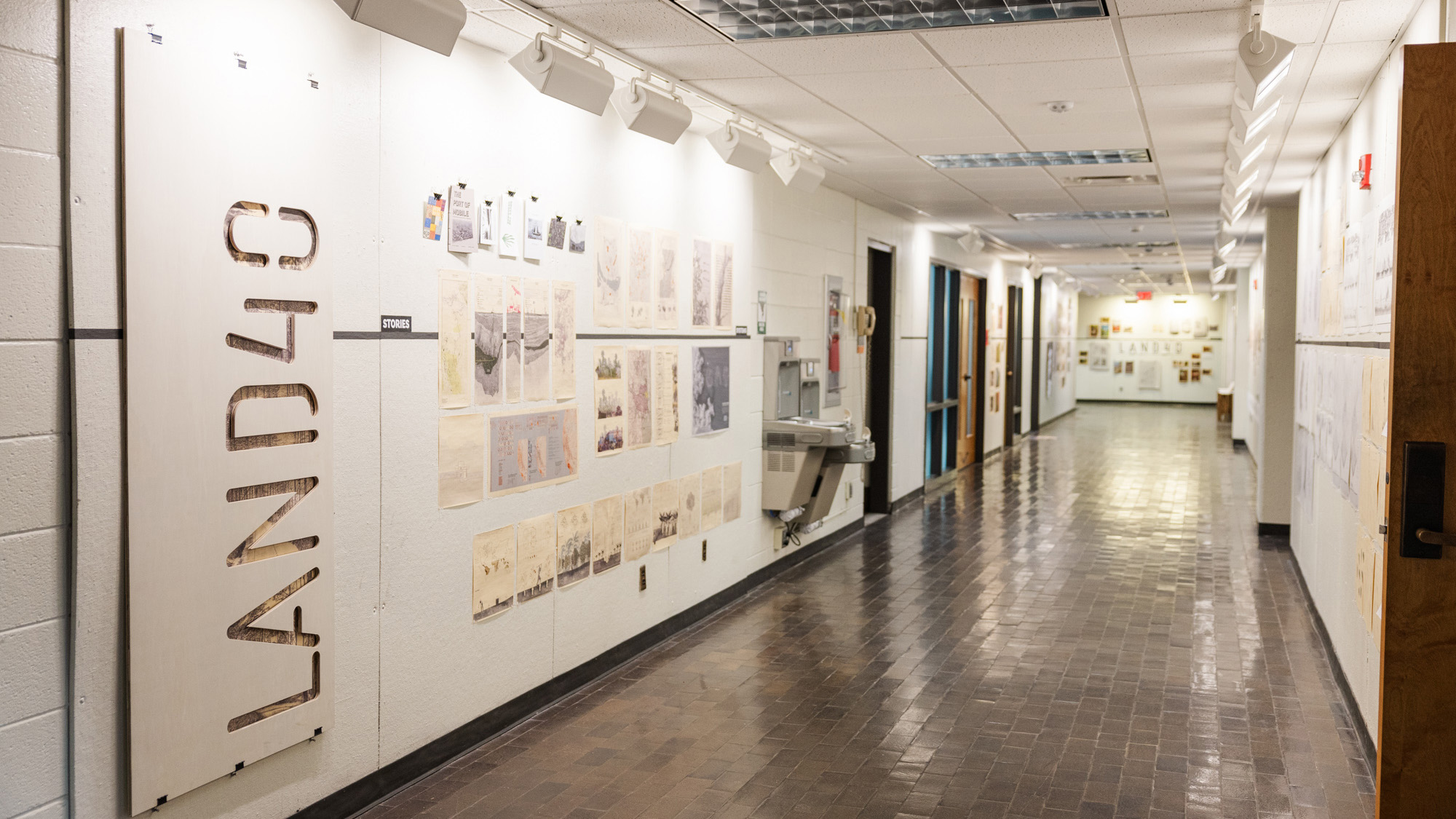
“Hosting LAND40 was both humbling and affirming,” Holmes reflected. “It was humbling to speak with alumni whose lives and careers were shaped by Auburn Landscape Architecture long before I joined faculty. Their achievements set an incredible bar for us to aspire to today.
“But it was also affirming to share work from the current program with those inspirational alumni. Hearing their excitement about what our students are doing now gives me confidence that the future of Auburn Landscape Architecture is every bit as bright as its past.”
See more in:
Faculty Recognition,
Student Experience,
Student Recognition