APLA Alumnus Richard Roark Elevated to ASLA Fellow
The School of Architecture, Planning and Landscape Architecture (APLA) is pleased to congratulate three-time alumnus Richard Roark in his elevation to the Council of Fellows of the American Society of Landscape Architects (ASLA).

Roark, a partner at OLIN in Philadelphia, will be recognized as one of 50 ASLA members to earn FASLA titles at the 2025 Conference on Landscape Architecture in New Orleans in October.
“I’m really thankful to be recognized,” Roark said, noting that the nomination helps uplift the values and model of his career. “I hope people are saying the good projects that I’ve been lucky to be a part of and things that I’ve advocated for—which are values that I found at Auburn—matter and are important.”
Barbara Deutsch, ASLA, the Chief Executive Officer of the Landscape Architecture Foundation, supported his FASLA nomination, saying his ideas are always ahead of the curve.
“I’m particularly inspired by his works in resilience,” Deutch said. “Making the circular economy a research focus in practice—an exciting opportunity for future innovation.”
A three-time graduate of APLA, he earned a Bachelor of Science in Environmental Design in 1999, a Master of Landscape Architecture in 2000 and a Master of Community Planning in 2001. He joined OLIN directly upon graduation—after meeting founder Laurie Olin during an Auburn lecture—where he has spent the last two decades working between tactile and analytical projects.

OLIN has earned over 300 awards in its 40 years of practice, including the 2006 ASLA Landscape Architecture Firm Award. Roark, who became a partner in 2012, has contributed to the studio’s numerous accolades with projects ranging from public parks like Dilworth Park in Philadelphia to infrastructure planning like the LA River Master Plan Update in Los Angeles County.
Roark led the framework plan for Sojourner Truth State Park in Ulster County, New York, working to transform an industrial quarry site into 520 acres of parkland. The studio worked with ecologists to use the site’s thin, rocky soil to form new meadows for bird nesting.
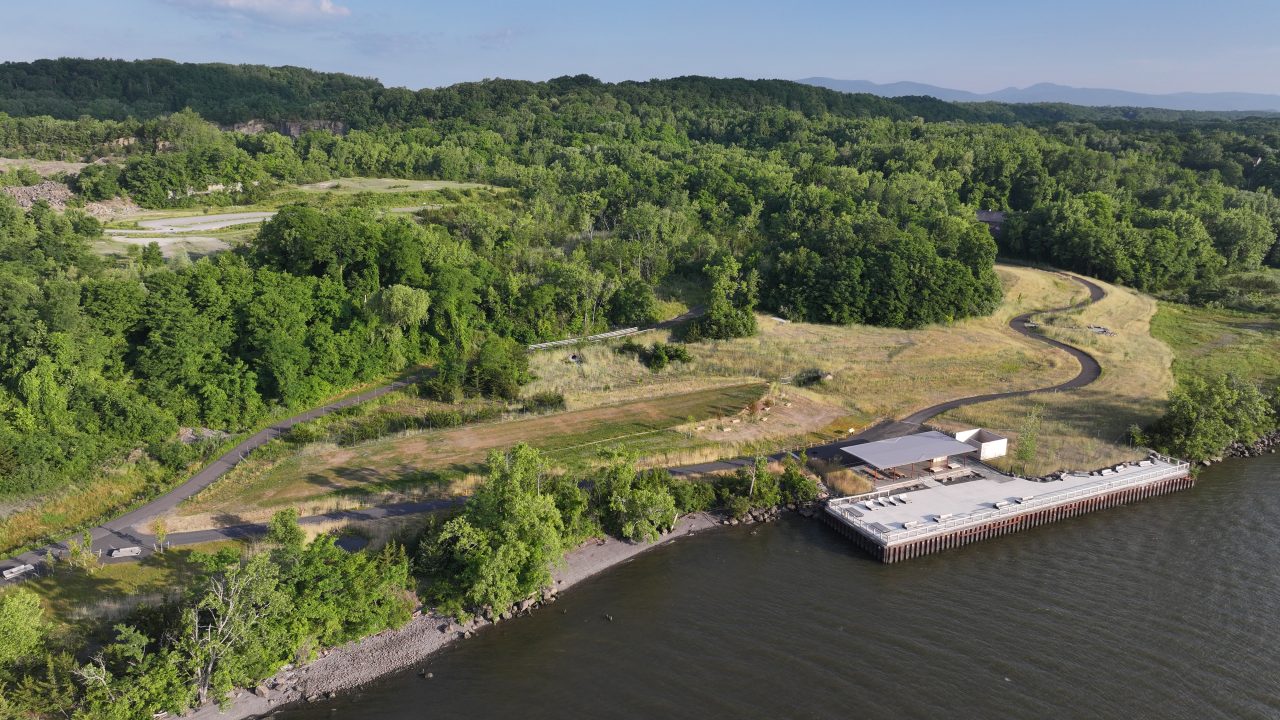
“I like to find new life for places,” Roark said. “Celebrating overlooked things like a community’s industrial history and thinking about new futures, a new relationship with nature.”
Closer to Auburn, Roark worked with Bryan Stevenson’s Equal Justice Initiative to develop a narrative journey through Freedom Monument Sculpture Park in Montgomery, Ala., that traces the horrors of slave trafficking and the path to community healing.

“It was really special to work on a project that had so much meaning,” he said. “To have a part in that and to look at ways people could connect to the site and understand that journey according to the vision that the Equal Justice Institute established.”
On the technical side of the practice, Roark spearheaded the Caño Martín Peña Comprehensive Infrastructure master plan in San Juan, Puerto Rico. The studio developed an inclusive approach community health, economic growth and environmental restoration for the United States’ only tropical estuary, in which 12,000 residents live with severe flood risks.
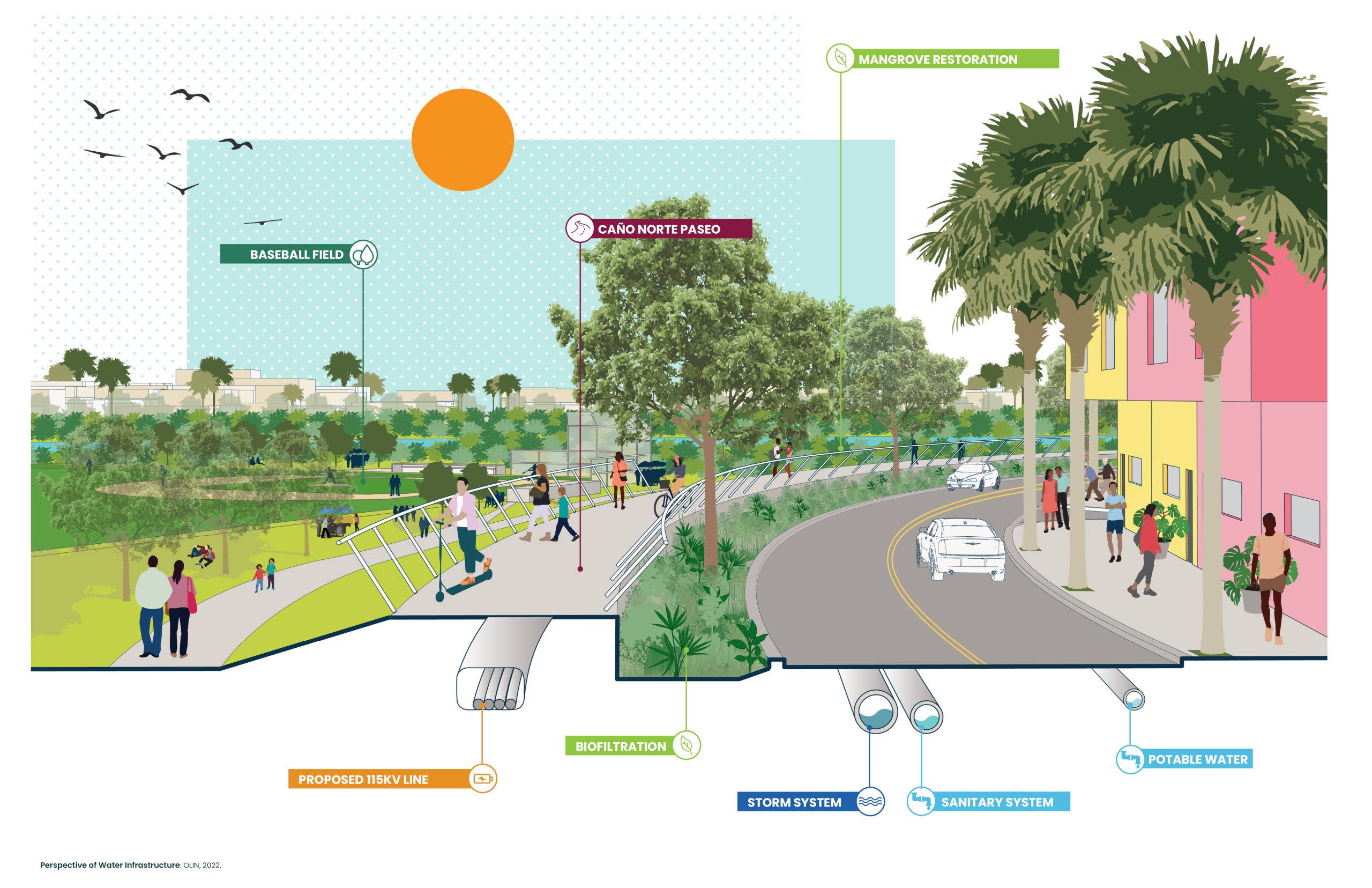
Roark drew on his Auburn education—particularly lessons from Samuel Mockbee, Jack Williams and Michael Robinson—to drive questions about what place-making should really be and to create holistic visions. This design thinking and commitment to community-driven design was also recognized by the ASLA Council of Fellows.
“He has a gift for bridging fairness and ecology through community engagement and good design,” said Frederick Steiner, FASLA, Dean and Paley Professor at the University of Pennsylvania Stuart Weitzman School of Design.
In addition to his professional endeavors, Roark has served in multiple volunteer roles including on the Board of the Landscape Architecture Foundation since 2020. He also sits on the board for Studio Ludo, an innovative play research non-profit, and regularly provides pro-bono design services through Philadelphia’s Community Design Collaborative. Roark is also a former member of Auburn University’s Landscape Advisory Council.
Roark has been known as a ‘change agent’ for leveraging technology, research and invention to address pressing issues for both people and the planet—working with intuition and empathy that harken back to his time at Auburn.
“The programs at Auburn have always been value-driven in terms of trying to bring benefit to the world through design,” he said.
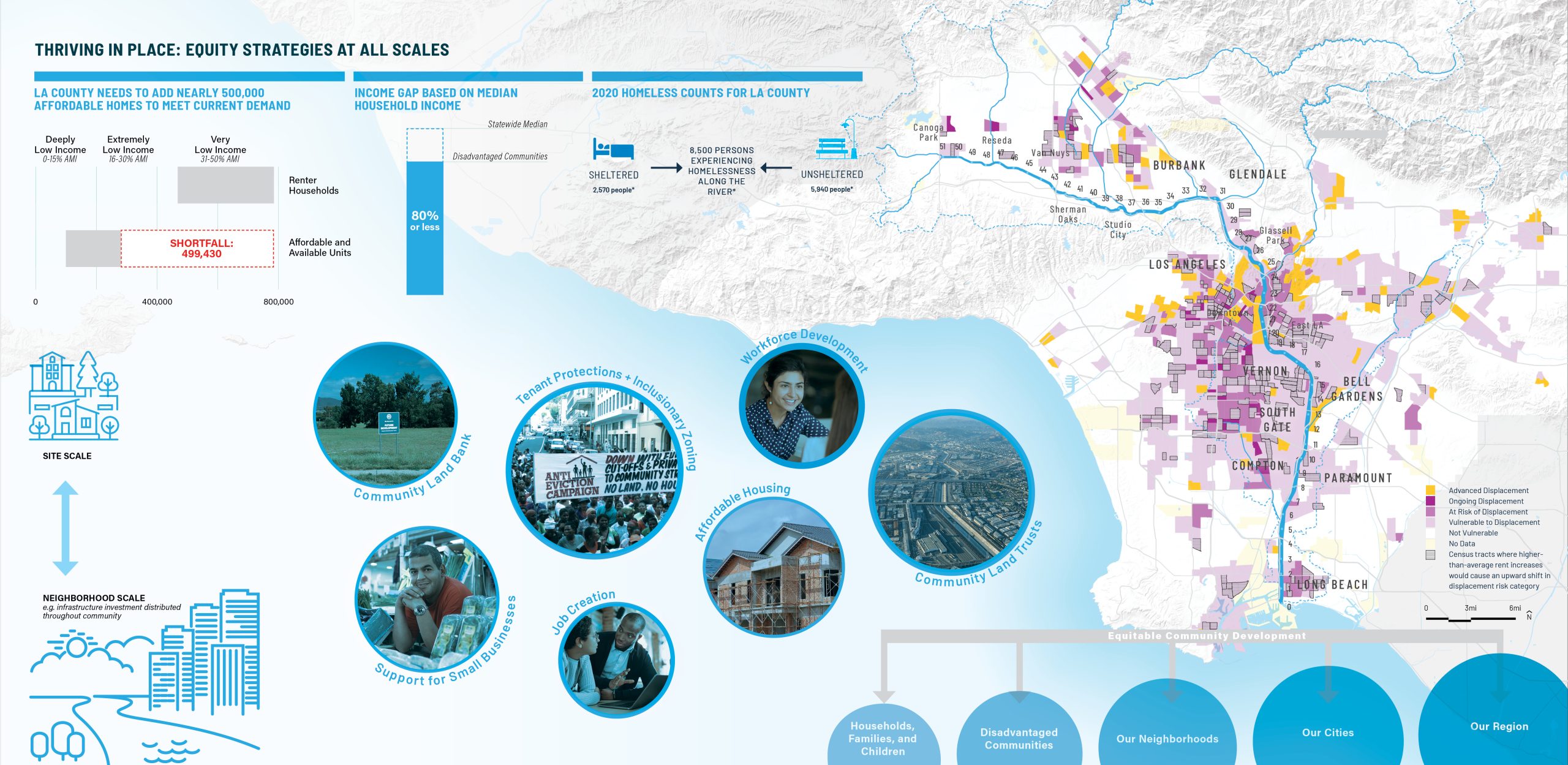
Roark credited the overlap and collaboration between environmental design and industrial design, landscape and architecture for his fluidity of design thinking and rigor.
“It made me believe in the power of the profession,” he said. “Everybody was asking really deep questions about what design is and how we should work together.”
See more in:
Alumni,
Alumni Recognition,
Industry Recognition