APLA Faculty Explores Play, Systems-Thinking
Jennifer Pindyck brings decades of design experience to challenge her architecture and interior architecture students to think outside the box.
She has recently been promoted to Associate Professor with tenure in the School of Architecture, Planning and Landscape Architecture (APLA).

In August, Pindyck took up three-year appointments as both the Undergraduate Program Chair for Interior Architecture (ARIA) and the Associate Program Chair for Architecture (ARCH). A faculty member since 2019, Pindyck has taught across multiple levels of Auburn’s architecture and interior architecture programs and will now help lead the programs alongside Architecture Program Chair Gorham Bird.
Until this appointment, Pindyck regularly taught in the fourth-year integrated and interior architecture studios, the second-year architecture studio sequence, the Elements for Interior Architecture course and various seminars, as well as summer ARIA thesis studios. In 2022, Pindyck received the AIAS Educator Award for her leadership, collaboration, scholarship and service both in and out of the studio. With her new administrative role, she will focus her teaching on the fourth-year studio.
Pindyck practiced architecture and landscape architecture for two decades before joining Auburn. She worked at Atlanta-based Mack Scogin Merrill Elam Architects and Brooklyn-based landscape practice Michael Van Valkenburgh Associates and was a founding principal of architecture practice DSNWRK before fully dedicating herself to research and teaching.
Her current research examines heirs property—land passed down through generations without formal probate—and how it disproportionately affects Black landowners in the South. She is exploring how linking heirs property with cooperative ownership models could yield new architectural typologies.
Across her courses and research projects, Pindyck is drawn to systems-based logic—and how it can be reimagined.


“I’m interested in understanding how systems are formed, exist and operate,” she said. “I want to understand them enough so that we can change them.”
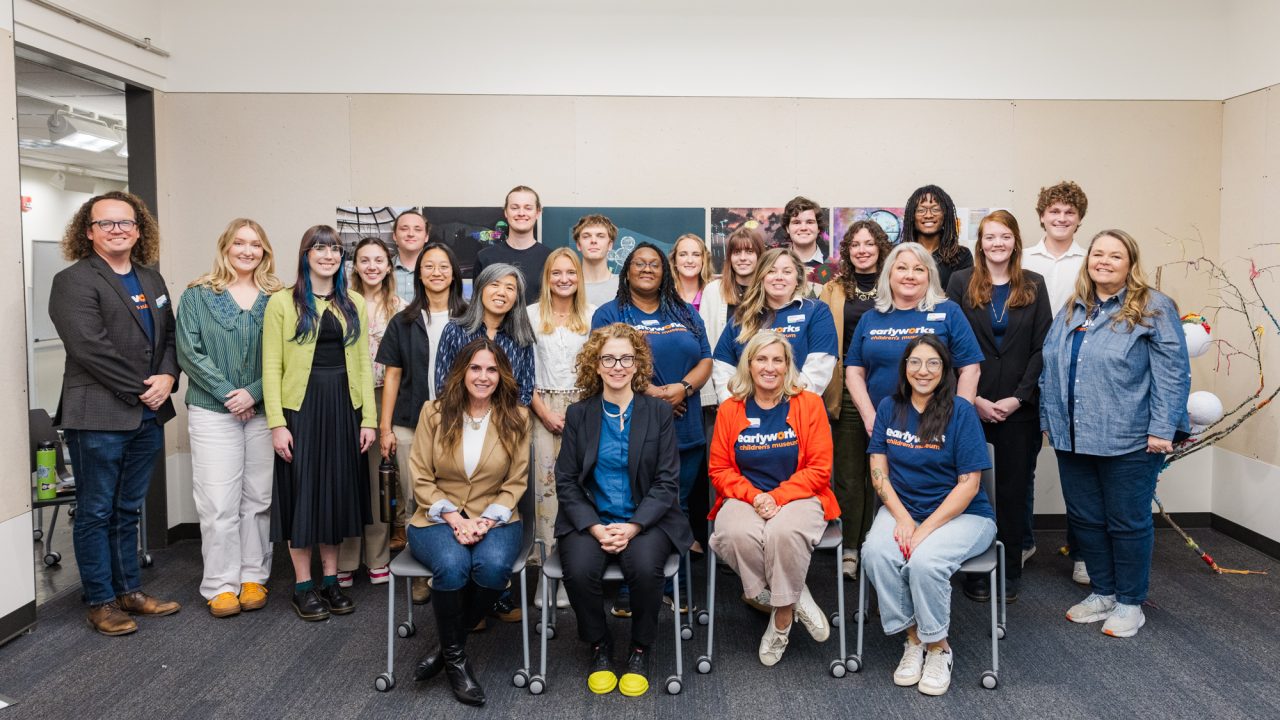
Her work often investigates notions of play, risk and failure as tools for creative growth. She collaborates with colleagues in the College of Human Sciences and the College of Education and recently began working with Huntsville’s EarlyWorks Children’s Museum to explore the power of play at every age and its role in creation and innovation.
“We continue to make the box smaller and smaller,” she said, explaining that the way systems are designed come with embedded limitations. “We need to find ways to break that apart, and that’s where the systems come into play.”
Pindyck brings creativity to both leadership and the classroom—helping Auburn’s design students imagine new ways to build, play and think.
See more in:
Faculty Collaboration,
Faculty Recognition,
Faculty Work
Related people:
Jennifer Pindyck