Auburn Black Alumnae Reflect on Resilience, Mentorship and Representation in Architecture

At Auburn University and beyond, a generation of Black women have carved out space in the architecture industry where less than half a percent of licensed U.S. architects share their identity.
When Andrea Simpson ’05 walked into her first design studio at Auburn University, she realized she was the only Black woman in the room.
“I remember having to quickly realize that it was going to be okay,” she said. “I learned to be confident in it, to embrace it and to be very comfortable with being uncomfortable.”
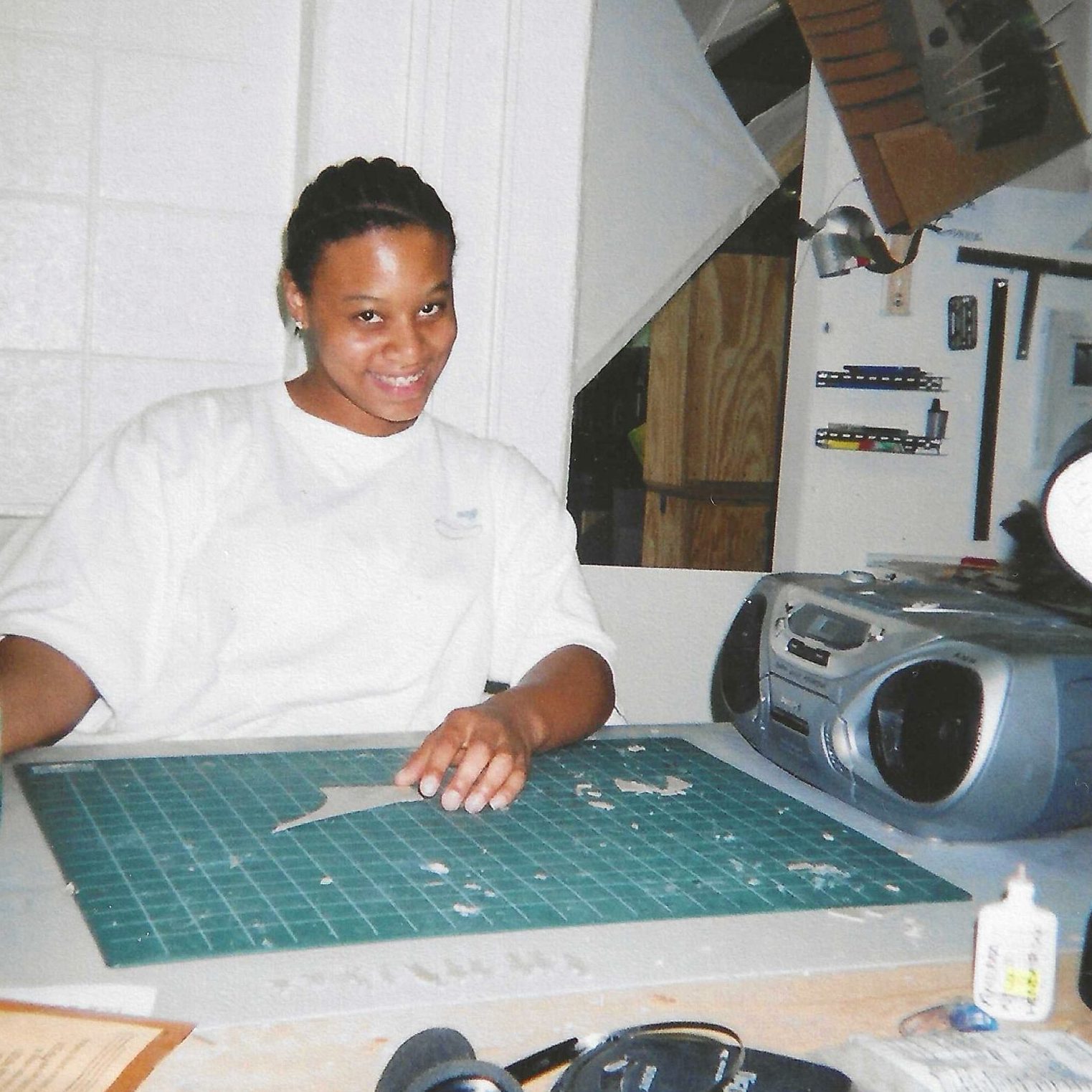
Simpson didn’t let her position deter her, rising to American Institute of Architects (AIA) Alabama president in January 2025, but her experience of singularity was echoed by many Black architecture alumnae of the School of Architecture, Planning and Landscape Architecture (APLA).
In the last 25 years, approximately 40 out of 1,500 APLA Architecture graduates have been Black women—a small percentage that is reflected in the country’s larger architecture industry. When Kimberly Dowdell ascended to the role of AIA National president in 2024, she brought to light the representation disparity of Black women in the field, recognizing the fewer than 600 individuals amongst over 116,000 registered architects in the country.
Now, 15 Black alumnae have shared their experiences from APLA’s Architecture program and how they navigated their paths in architectural industry. From ArchitectureWorks principal Jessica Hughes Bennett ’08 to recent graduate and architectural intern Naomi Tony-Alabi ‘23, the women’s testimonials reveal both the determination and isolation that characterized experience and reflect on the resilience required to pursue a career in a profession that has so few Black women.
Choosing Architecture
The alumnae’s paths into the profession were as varied as their lives. From playing with Legos as children to looking through home magazines, the pursuit of Architecture at Auburn allowed the women to be creative and analytical at the same time.
“I define architecture as a mix of art and science,” AEon McNeal ’18 said. “I really like the creativity of art, but I also like the way things go together and understanding the relationships between certain mechanisms and systems.”

While some alumnae came to Auburn through mentorship programs like ACE or College of Architecture, Design and Construction summer camps or because of a familial connection to the industry, a few of the women were drawn by a desire to support the communities in which they were raised.
Denisha Garland ’19 has known she wanted to be an architect since she was in the fifth grade after attending meetings with her mother who is a real estate developer, but as she grew, she started to see the challenges faced in her hometown of Atlanta.

“I started to pay attention to the actual political climate and the gentrification that was happening,” Garland said. “I knew that I wanted to be a part of the experience of how cities are shaped and the conversations of what design means and how we design.”
The Auburn Experience
At Auburn, the alumnae found both separation and opportunity, their identities setting them apart to be, at the same time, overlooked and more closely scrutinized.
Sarah Curry ’18, who served as the president Auburn’s chapter of the American Institute of Architecture Students (AIAS) in 2016–2017 and the national AIAS president in 2019–2020, felt like there were high expectations when it came to representing her race and gender and said that sometimes it created a barrier with reviewers or guest lecturers, while Nadia Ferdinand ’21 saw representing her culture and background as part of the challenge of architecture school.
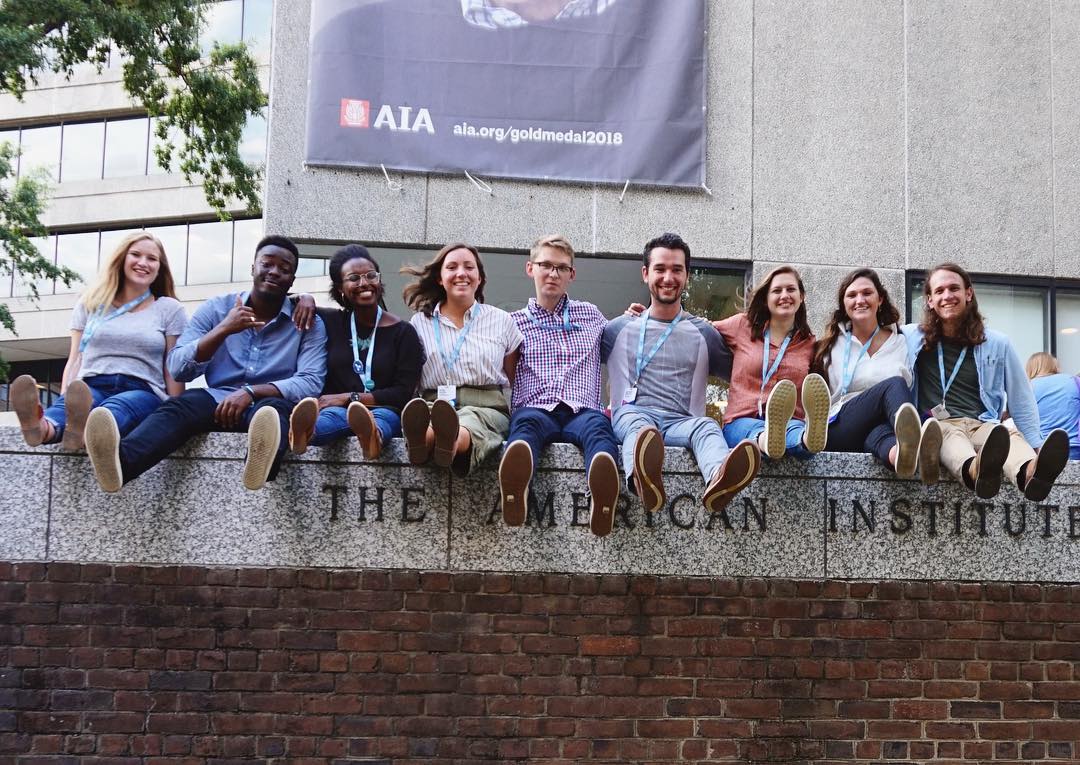
“If you use that to your advantage, it could be good,” said Kayla Bailey ’19. “My professors knew me because I was so driven, and when you’re driven and you look different than all the other students, you stick out a little bit more.”
“It’s a way of making people notice you and you can do it correctly,” she said.
Despite the challenges of architecture school—long recognized as a course of study that places heavy workloads and high standards of critique on students—and the added pressure of representation, the women persevered in the pursuit their chosen careers. They credited determination, drive and sheer stubbornness for getting them through a taxing academic program and demanding industry.
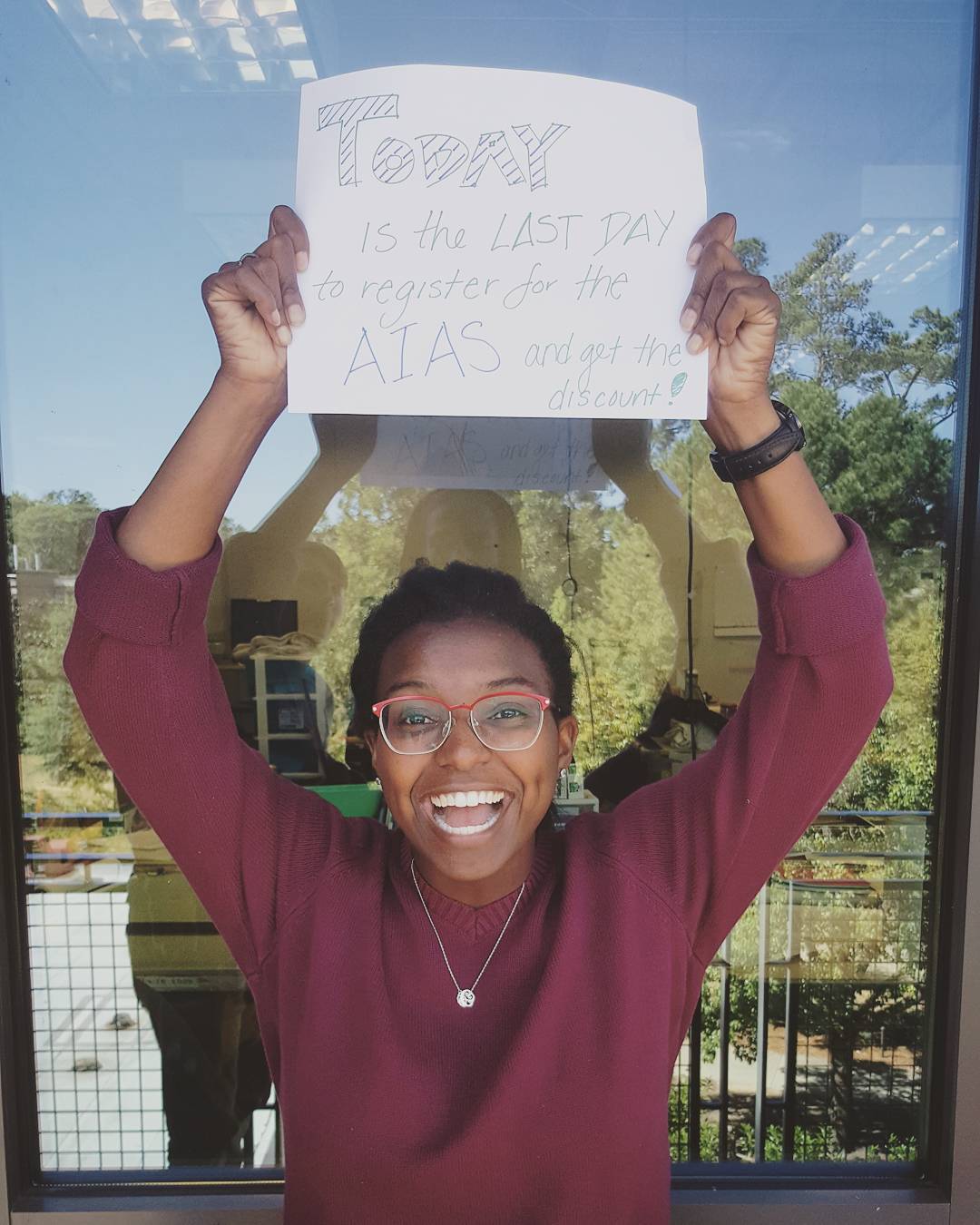
“There’s a certain spirit and grit that all Black women have in them—that they either grow into or have thrust upon them,” Curry said. “I’m really grateful, honored and proud to belong to a community—however small—of people who, when they do achieve, they do so against all odds.”
Many of the alumnae, like Janine Mwenja ’17, relied on the support of their friends and classmates to continue in their education.
“The importance of having a good crew of friends, collaborators and people to bounce ideas off of and how to think things through,” Mwenja said. “Learning that was really valuable.”
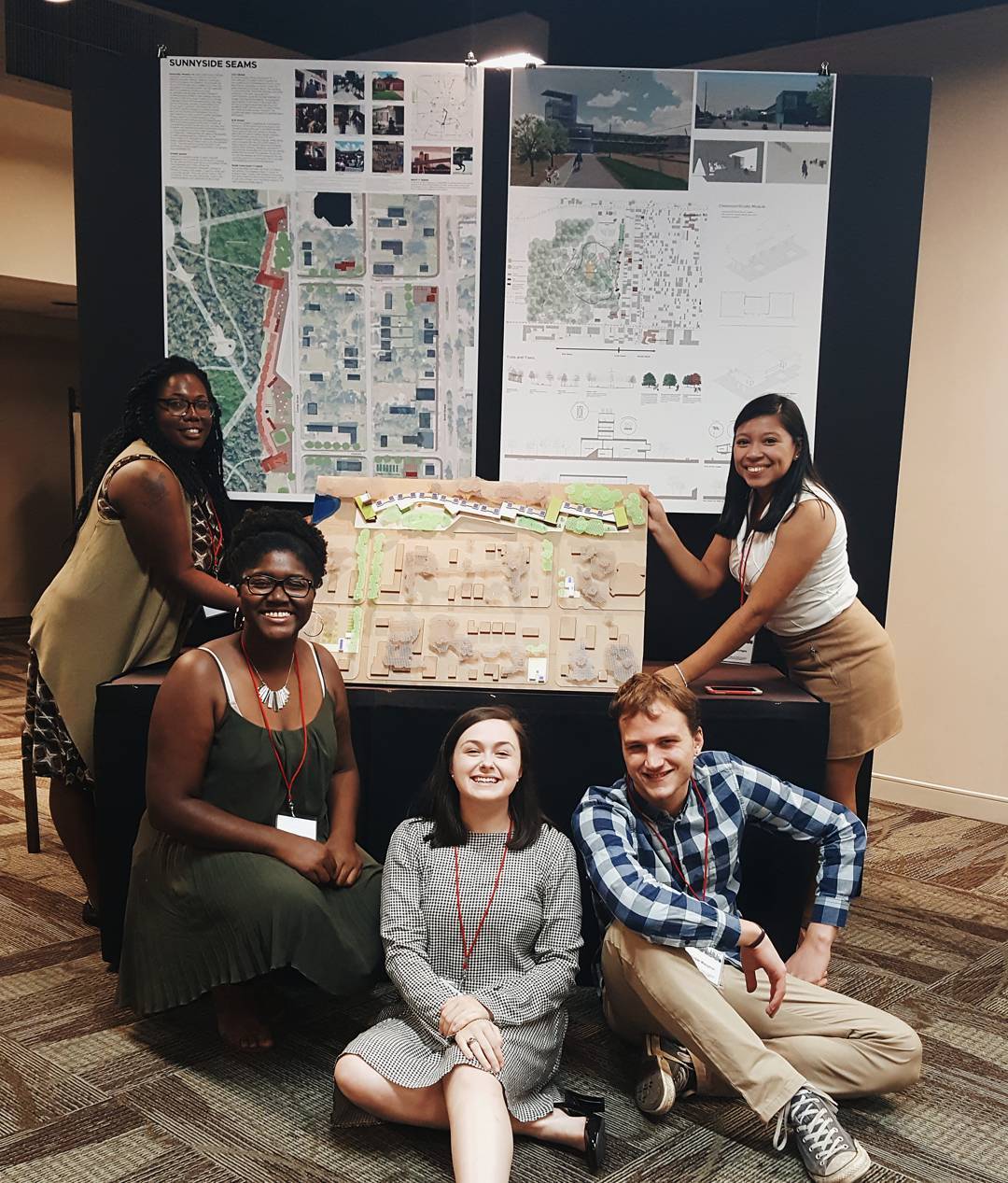
Some joined APLA’s chapter of the National Organization of Minority Architecture Students (NOMAS) to find a support system and a comfortable space amongst other designers. Bailey, Asia Burgin ‘18 and Jania Powell ’19 held leadership positions in NOMAS, raising their visibility within the School and amongst their peers. The organization helped the women connect with students in other year levels at Auburn and people studying architecture across the country through events, meetings and design competitions—with Auburn’s NOMAS chapter placing in the top ranks of the Barbara G. Laurie Student Design Competition five times since 2011.
In looking for what’s missing, I always undoubtedly find exactly what I’m looking for—which is other Black women in the space trying to be bridges, mountains and foundations for others.
Entering the Profession
Following graduation, some alumnae joined professional organizations like the AIA and NOMA to continue to find connection as they entered the industry. These support systems also helped the women foster relationships with mentors like Rhéa Williams, who has served as the Executive Director of AIA Birmingham for two decades, and Creig Hoskins, Member Manager at Studio 2H Design in Birmingham.
But finding a Black or female architect to be serve as a mentor isn’t always easy due to the scarcity within the profession, so Simpson and Bennett have taken up the mantel.
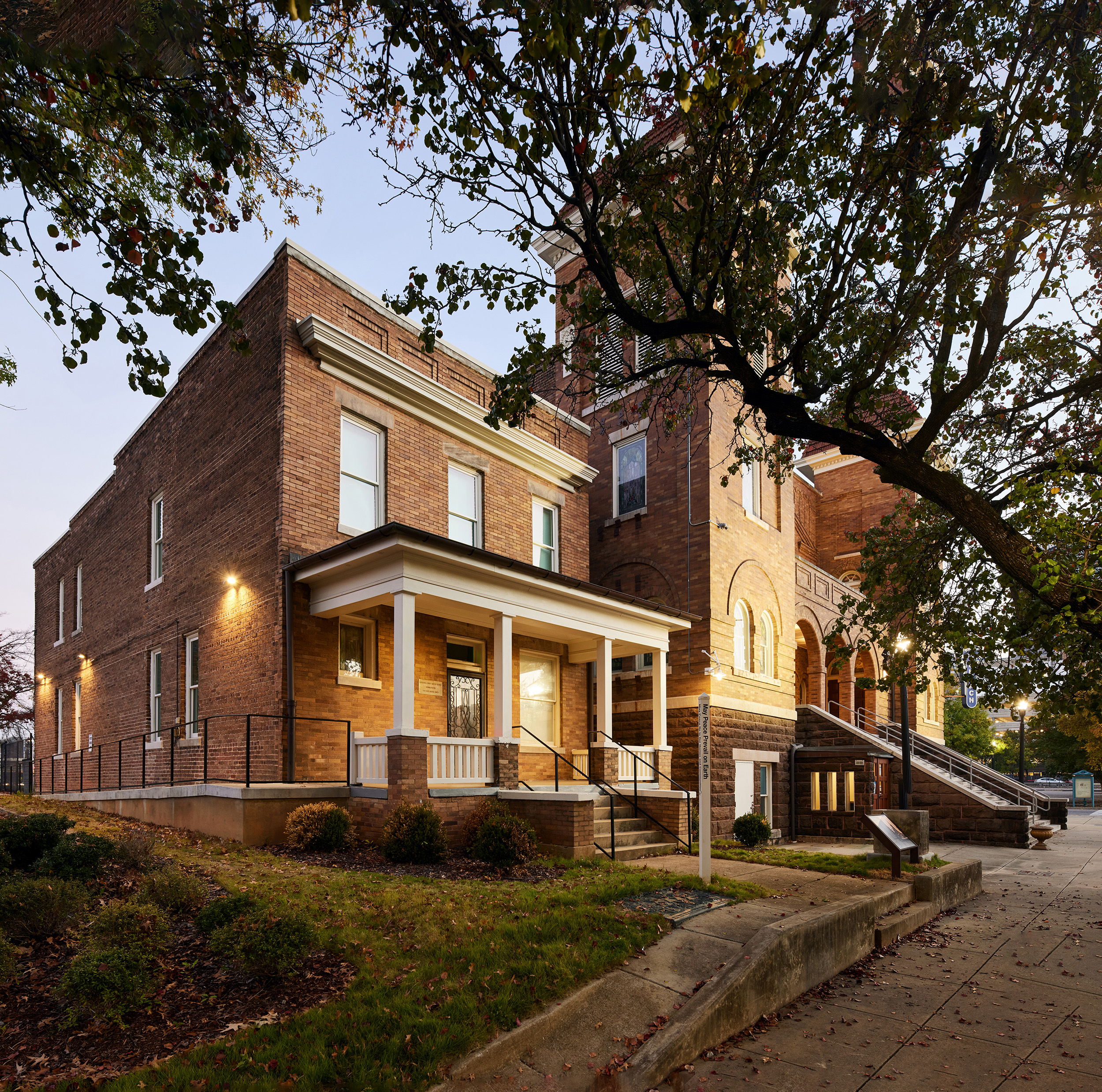
“You want to be the person that a young person has never imagined themselves being,” Bennett said, explaining her support of interns and young professionals in her office.
Allowing themselves to be visible and available to younger Black women helps encourage others to find their niche in the industry and tackle the daunting task of licensure.
“I remember thinking to myself, ‘I want to contribute to sliding that needle further away from zero’,” Simpson said, drawing motivation from a 2007 statistic that reported only 0.2% of licensed architects are Black females while she was pursuing her license.

With six divisions of the Architect Registration Exam (ARE) and 3,700 hours of on-the-job learning, the path to licensure is long and often discouraging, but the representation of minority groups is slowly climbing amongst candidates. Data from both the AIA and the National Council of Architectural Registration Boards (NCARB) shows that the number of women and the number of people of color pursuing licensure have both increased over the last ten years.
However, while the numbers for licensure candidates grows, the percentage of Black licensed architects of any gender is changing at a much slower rate. According to the 2024 AIA Demographics Report, 1.8% of all licensed architects are Black or African American, an increase of only 0.45% since 2014.

Even with rising numbers, the chance of finding more than a few Black women architects in any given firm is slim, and the alumnae say they often gravitate towards people with similar experiences.
“Every time I do see another black woman or even a black male in architecture, I automatically feel connected to them,” Garland said. “I know you’re strong. You know my struggle. You’re here with me, and we can deal with this together since I have that background too.”
Building a Different Future
While representation in architecture remains scarce, these women see themselves as part of a growing community. Together, their voices form a collective blueprint for a profession that must expand who it imagines as architects—and who it empowers to build the future.

“Even though we’re only few in this industry, the stuff that we’re doing is important,” Garland continued. “We need more of us to be in this industry, so we can be a part of the conversation about what’s happening in our communities.”
Curry reminded younger Black women that they are never as alone as they feel—that others are helping pave a way forward and are dedicated to uplifting future generations.
“If you’re feeling like you’re not sure if this profession is worth changing on account of how difficult it is to exist in it, just reach out,” she said. “Other hands will reach back out towards you.”
“In looking for what’s missing, I always undoubtedly find exactly what I’m looking for—which is other Black women in the space trying to be bridges, mountains and foundations for others.”
Advice from 15 Black Architecture Alumnae
“Do it anyway.”
Ayomi Akinlawon ‘19
—
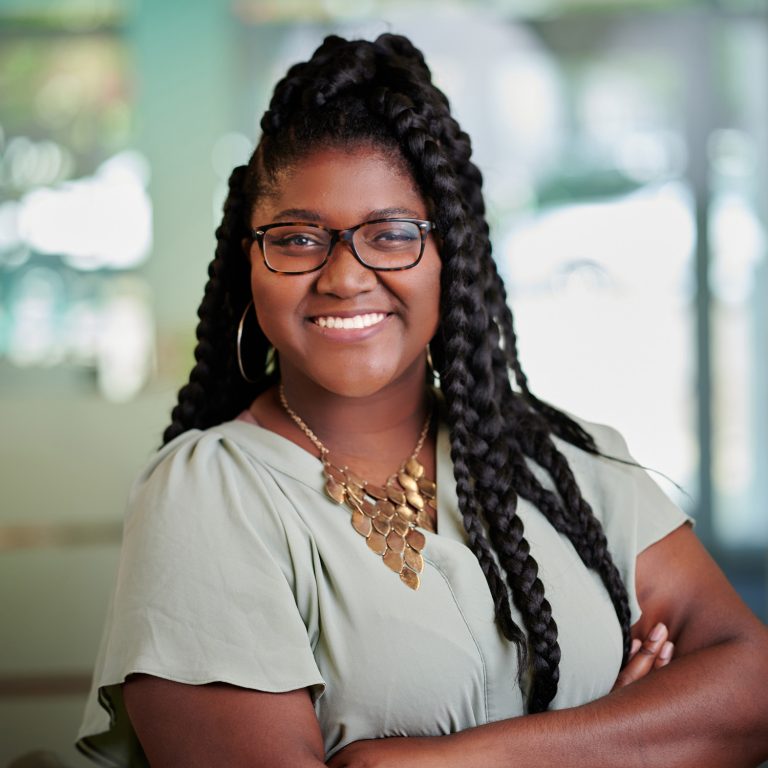
“Architecture is not going to be the easiest field, but if you enjoy it, it’ll be worth it. It can be isolating until there’s enough of us in it. For that to happen, you’ve got to take that step to get into the pool and not just stand on the edge.”
Kayla Bailey ‘19
—
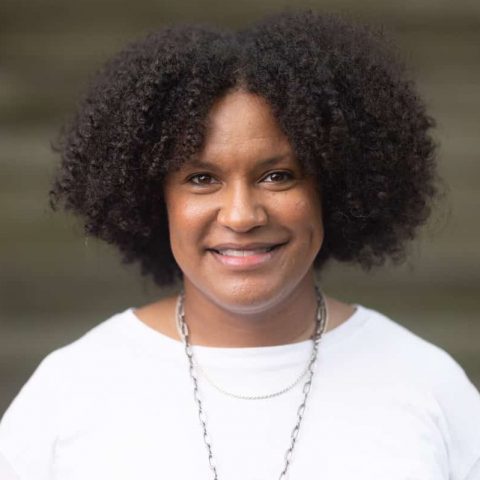
“Find yourself a group—a tribe that will be there with you as you have hard days.”
Jessica Bennett ‘08
—

“Understand the responsibility that comes with being in this profession and don’t wear it as a burden.”
Asia Burgin ‘18
—
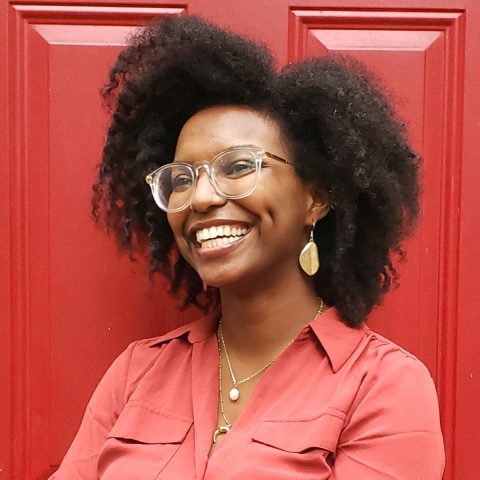
“What you know is more than enough. There’s nothing that you can’t figure out. The self-knowledge, confidence and appreciation of this art and this practice of architecture is rewarding in and of itself.”
Sarah Curry ‘18
—
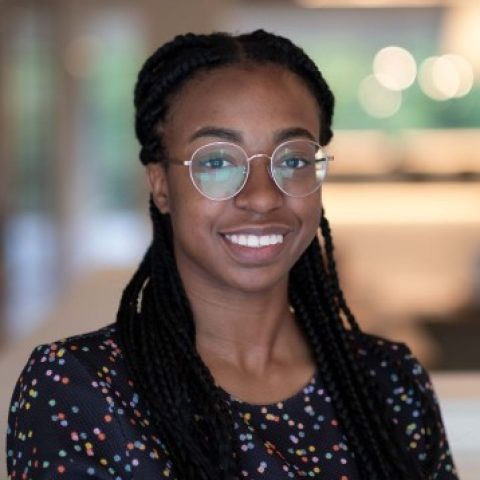
“Architecture is about creating places for everyone, so it shouldn’t come down to your race or your ethnic background. Use that to go forward and to inspire other people to join with you.”
Nadia Ferdinand ‘21
—
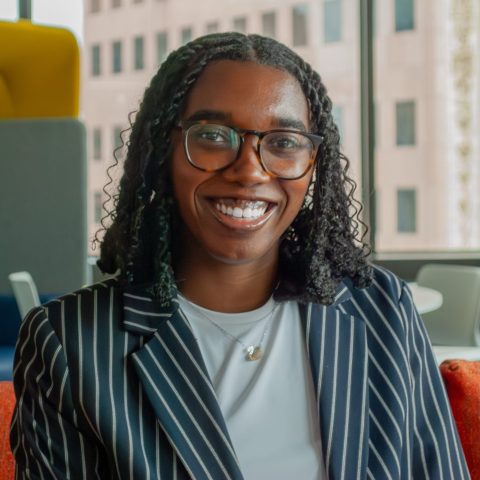
“Have an open mind and change your perspective.”
Denisha Garland ‘19
—

“Don’t be too hard on yourself. Be yourself. Be comfortable in your own skin.”
Dezzarah Jackson ‘19
—
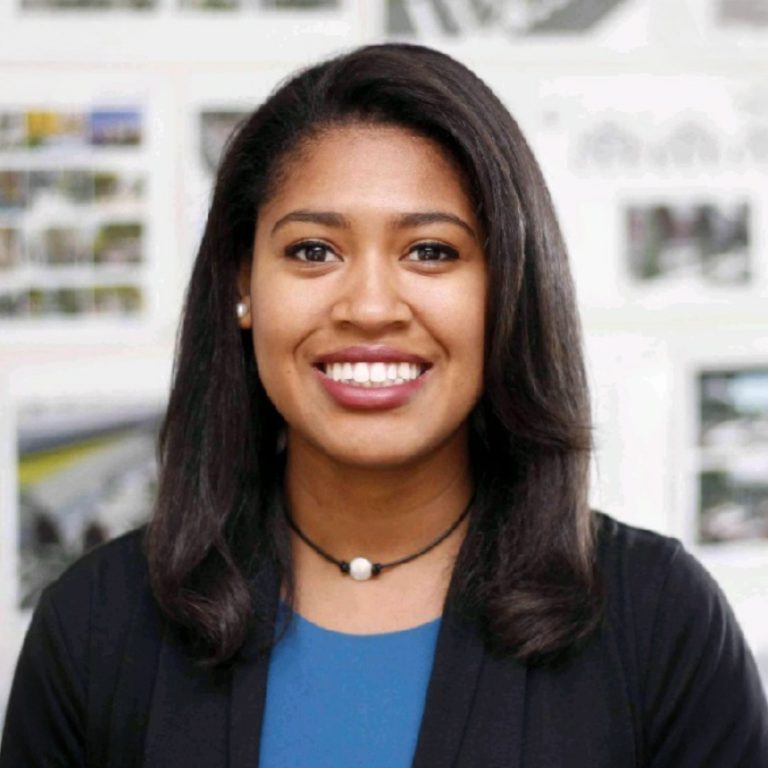
“Take care of your health because it matters a lot.”
AEon McNeal ‘18
—
“Be brave and speak up when you’re ready to try different things.”
Janine Mwenja ‘17
—
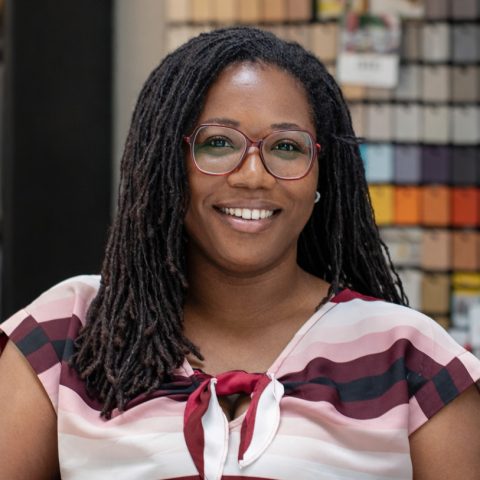
“Be prepared. You’re going to have situations coming into such a demanding field, go ahead and identity your support systems.”
Jania Powell ‘19
—

“You are smart. Don’t believe the lies of self doubt.”
Andrea Simpson ‘05
—

“Don’t ever let anyone tell you your value. Known your own worth.”
Kendal Smith ‘07
—
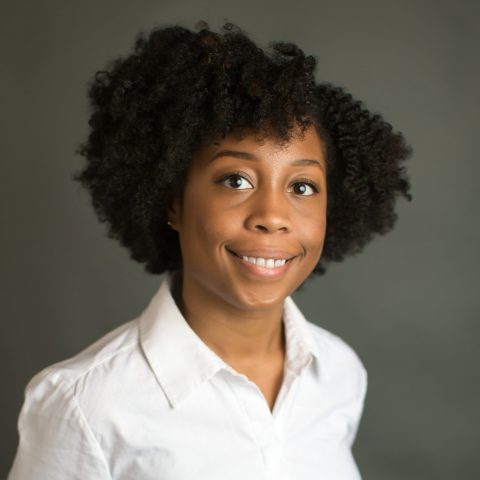
“Remain open minded. Don’t box yourself in and feel like you have to do something. You have a lot of options out there.”
Jennifer Smoke ‘18
—
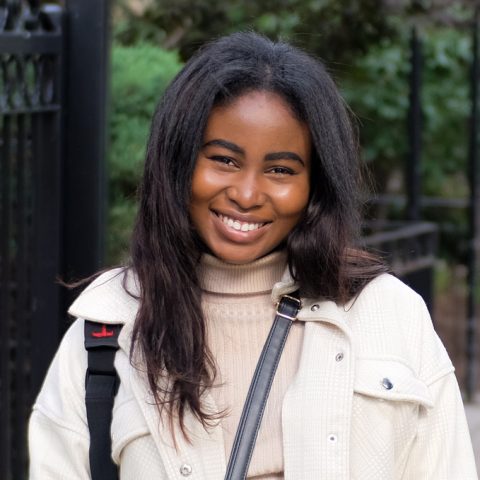
“It’s okay to make mistakes. It’s okay not to be perfect. Even if there are people in the world who see you as less than, what’s more important is how you see yourself.”
Naomi Tony-Alabi ‘23
The College of Architecture, Design and Construction would like to thank Ayomi Akinlawon, Kayla Bailey, Jessica Bennett, Asia Burgin, Sarah Curry, Nadia Ferdinand, Denisha Garland, Dezzarah Jackson, AEon McNeal, Janine Mwenja, Jania Powell, Andrea Simpson, Kendal Smith, Jennifer Smoke and Naomi Tony-Alabi for their contribution to this article.
See more in:
Alumni,
Alumni Recognition