Urban Studio Third-Years Explore Intentional Urbanism in Savannah
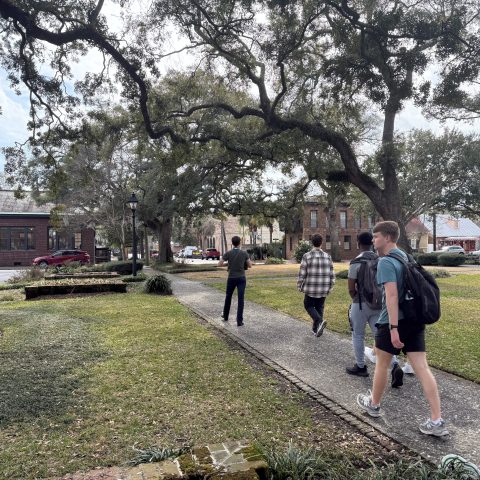
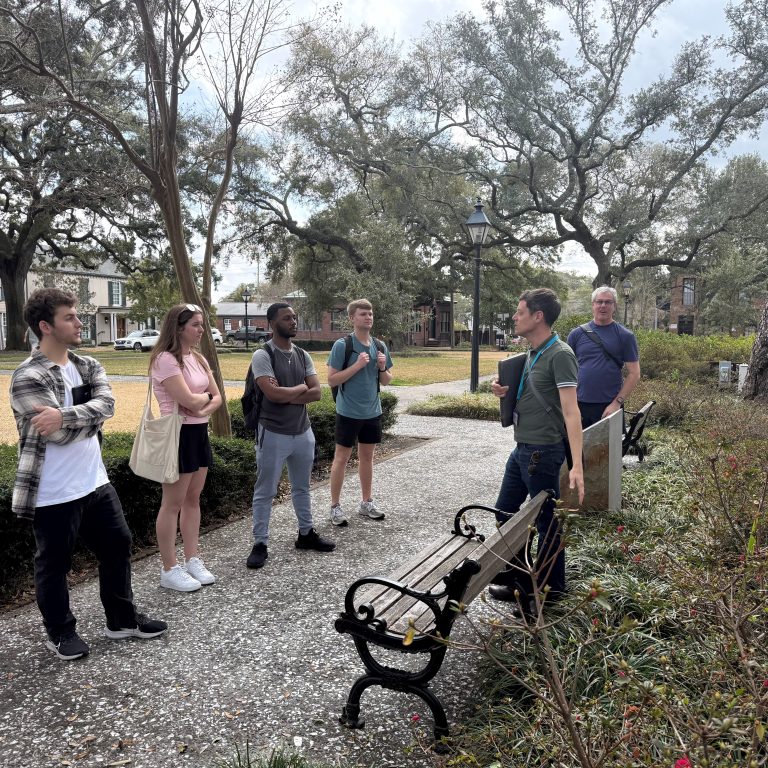
In February, Urban Studio third-year students traveled to Savannah, Georgia with adjunct faculty Ben Wieseman and Matt Leavell to study one of the most enduring examples of human-scaled urbanism in the country.
Through a series of tours, walking analyses and ward sketching sessions—from the Drayton Hotel to Chippewa Square, Columbia Square and River Street—students engaged Savannah as both a historic precedent and a living urban system.
What emerged was a consistent theme: intentionality.
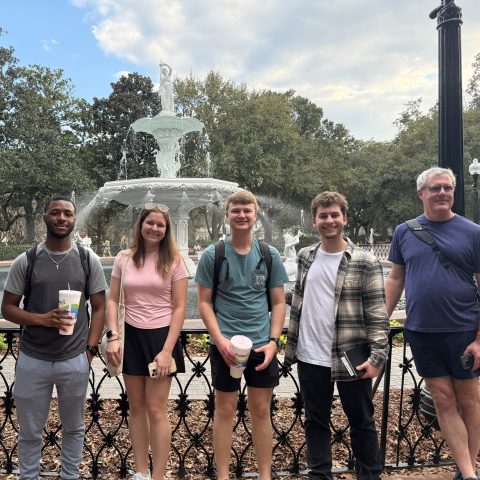
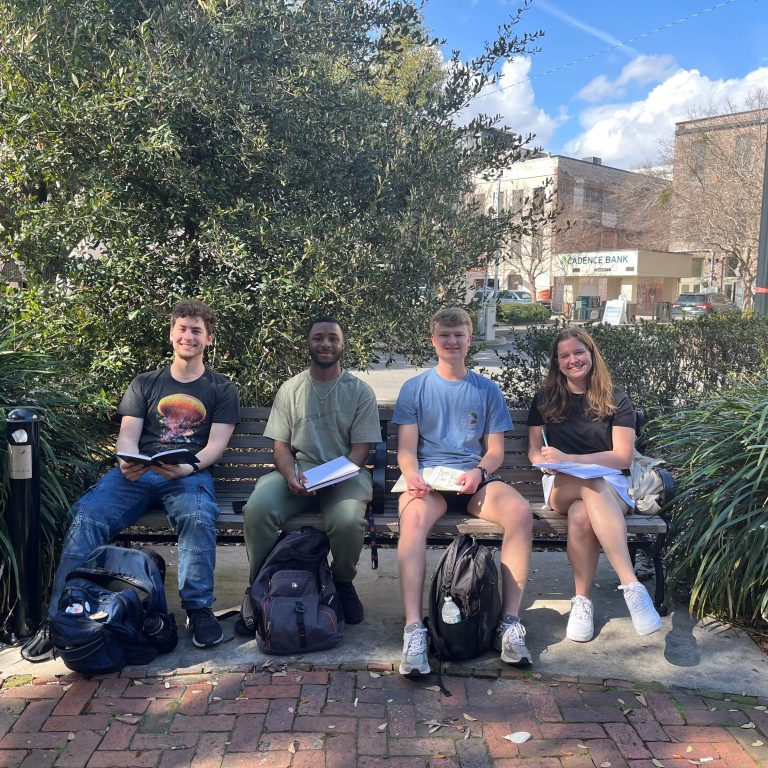
“Everything feels connected,” said third-year student Jackson Miller. “The building setbacks, consistent heights and strong design code all make the city feel like one cohesive place instead of separate pieces.”
Savannah’s framework—defined by its ward system, walkable grid and network of public squares—continues to reinforce a pedestrian-first experience. Students repeatedly identified how this structure creates both clarity and comfort.
“The predictable paths, wide sidewalk and frequent pause areas make it one of the most walkable cities I’ve experienced,” James Moshier said.
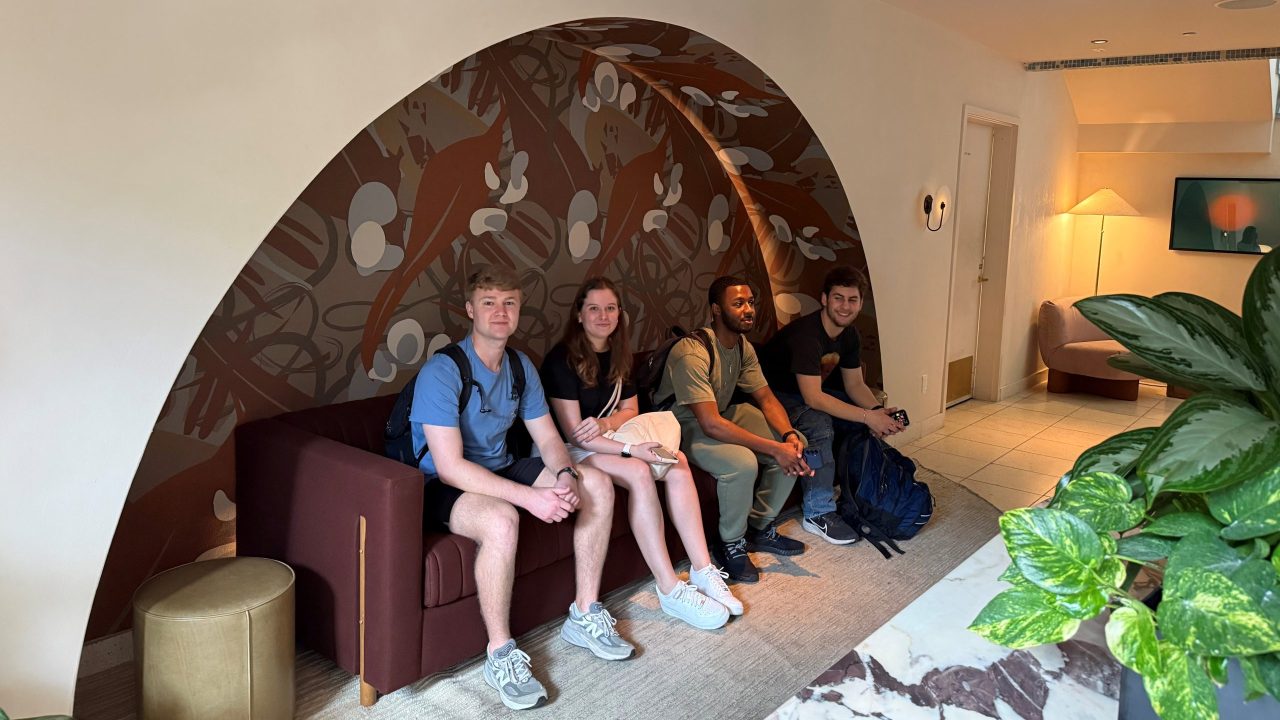
Beyond walkability, the city’s layered experience—architecture, landscape and programming—keeps movement dynamic and engaging.
“There’s always something pulling you forward,” said Tyson Lee. “Historic buildings, retail and public spaces all within close proximity.”
Students also recognized Savannah as a clear precedent for New Urbanist principles, long before the term existed.
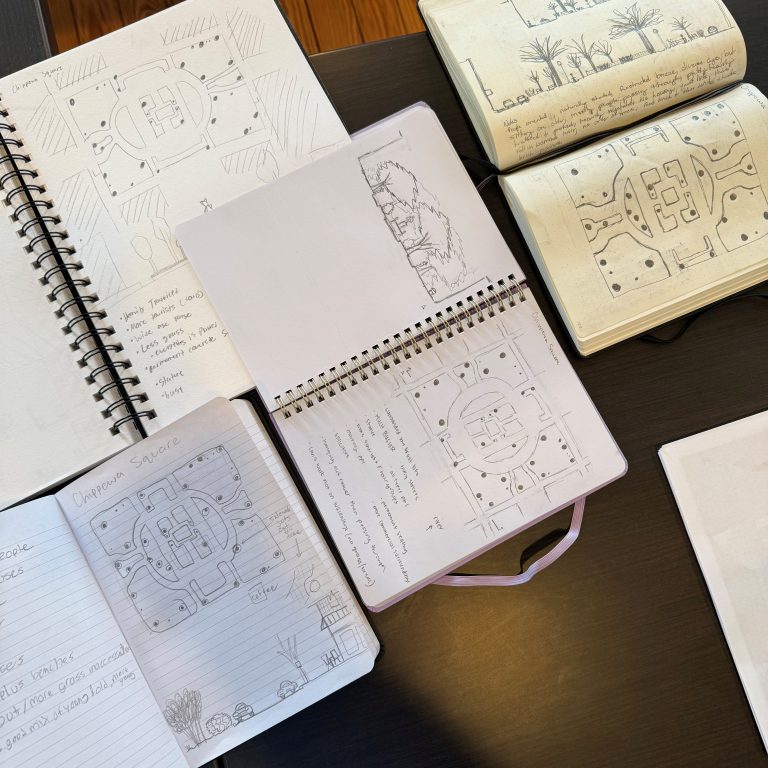
“The grid of streets and squares makes it easy to navigate and creates a strong sense of place,” said Hannah Easterling. “It’s one of the most walkable places I’ve visited.”
Savannah demonstrates how disciplined urban form, paired with incremental growth over time, can produce a city that is both functional and memorable.
For the studio, the trip reinforced a core idea: great cities are not accidental—they are designed, tested and continuously reinforced through both policy and place.
See more in:
Student Experience,
Urban Studio
Related people:
Alex Krumdieck,
Jennifer Cloe,
Ben Wieseman