Urban Studio Designs Vision for Redland
This year’s DesignVision charrette brought Urban Studio students to Redland, Alabama, a growing community nestled between Wetumpka and Montgomery.
This student-professional-community partnership continues to be a vital part of both the third- and fifth-year student experience.
Urban Studio’s long partnership with DesignAlabama immerses students in the charrette process. Students, professionals and stakeholders come together for meetings, stories, stakeholder conversations and design sprints.
Director Alex Krumdieck ’86 works with DesignAlabama’s director Gina Clifford ’00 ‘02, as well as adjunct professor Ben Wieseman ’12 and instructor Marshall Anderson ’97, to introduce the process and facilitate the community visioning workshop charrette.
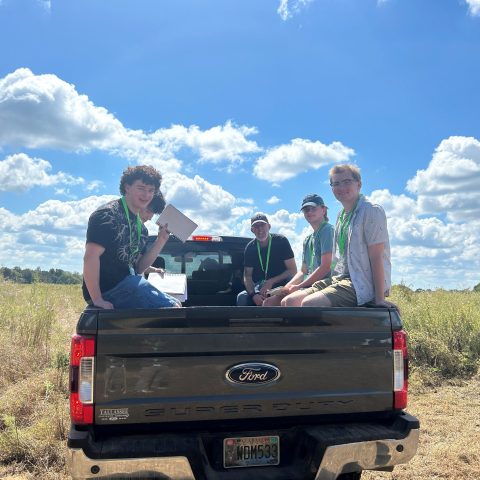
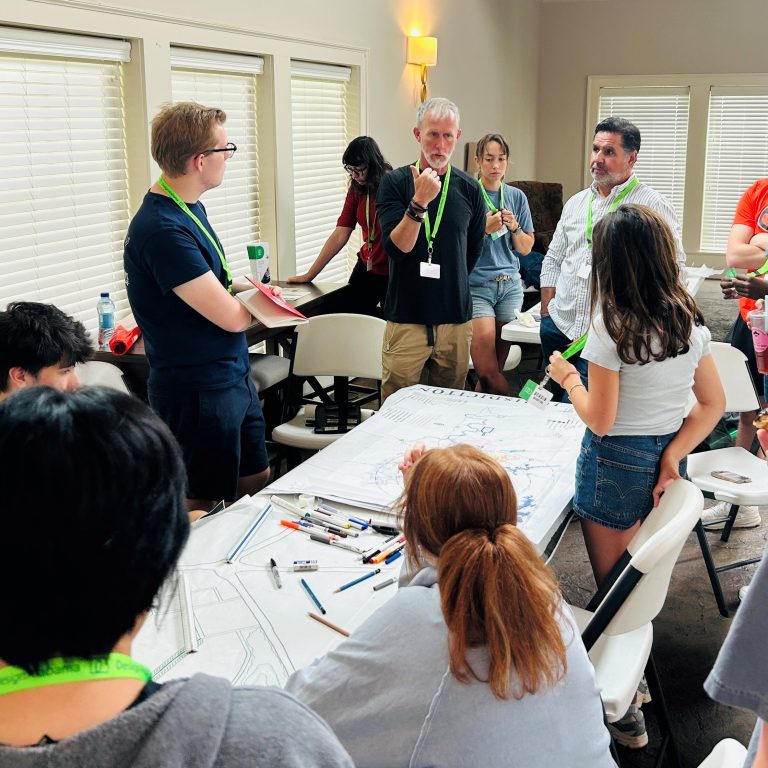
For some fifth years, their third-year charrette experience helped them lead teams through the process. Taylor Anderson felt he was better able to support his team thanks to the knowledge he gained from previous charrettes. Third year students, like Joshua Hanje, were participating for the first time.
“I really enjoyed the charrette process,” Hanje said. “I had never participated in one before, so it was a new and interesting experience. I especially loved seeing the variety of ideas everyone came up with for the community.”
Most students had never heard of Redland—not surprising since its main transportation routes see heavy traffic but not much more than residential development in the 5,000-person community.
By engaging with residents and stakeholders, the students began to understand the community’s needs and priorities. With more families moving into the area and the completion of a roundabout at the main intersection, residents wanted to see amenities come to their town. Most travel to Wetumpka to fulfill basic needs and, until recently, for groceries.
While gaining hands-on experience in the planning process, the students got to know more about Redland, learning some of the community’s challenges like the fact that everyone works in a different city and that its unincorporated status doesn’t allow for sidewalks. But despite the area’s limitations, the students highlighted what makes it unique, including all-night Halloween celebrations and its proximity to one of the world’s most well-preserved impact crater sites.
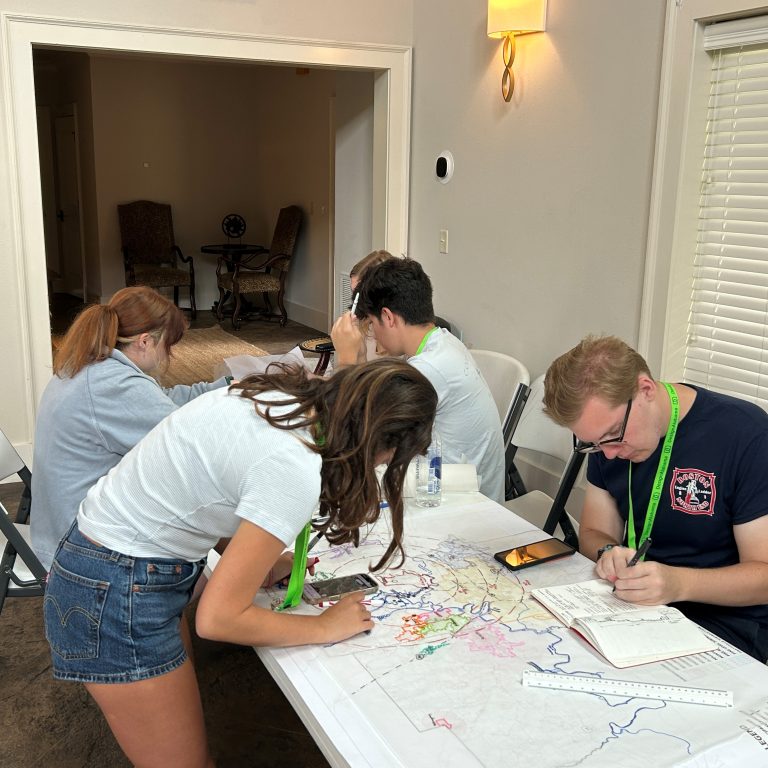
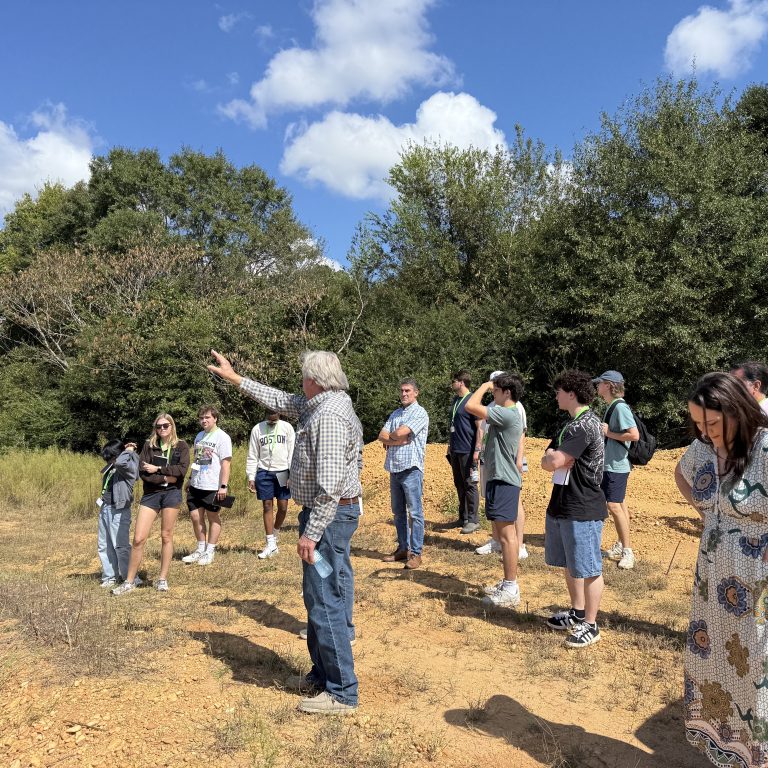
The charrette is designed to let students hyper-focus on creating a vision for the community. Over two days, they are immersed on site and focus solely on this project.
Using New Urbanism principles, the students focused on envisioning a local destination spot. They created strategies for developing a new town center and how it could interact with existing and future housing developments.
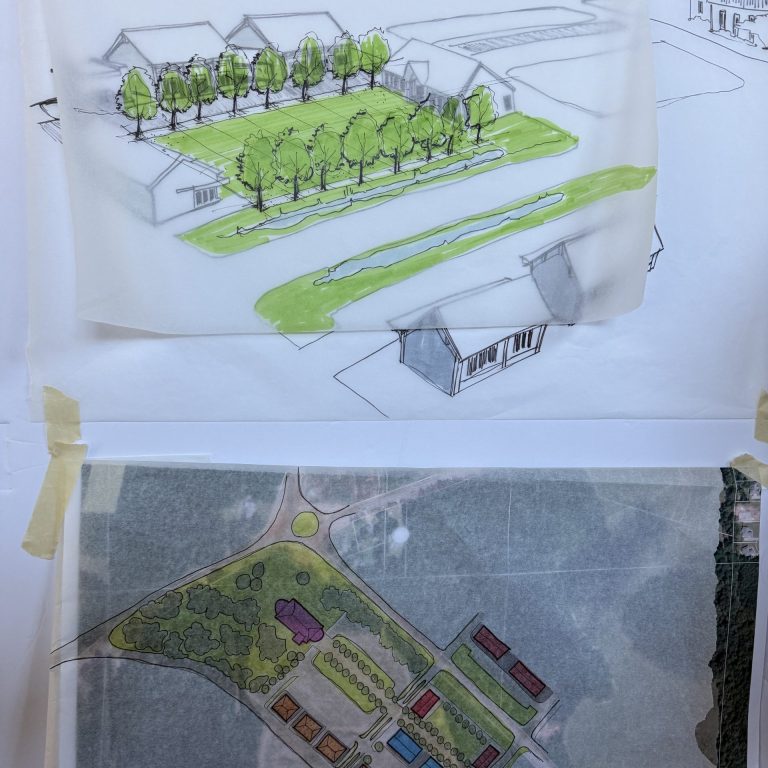
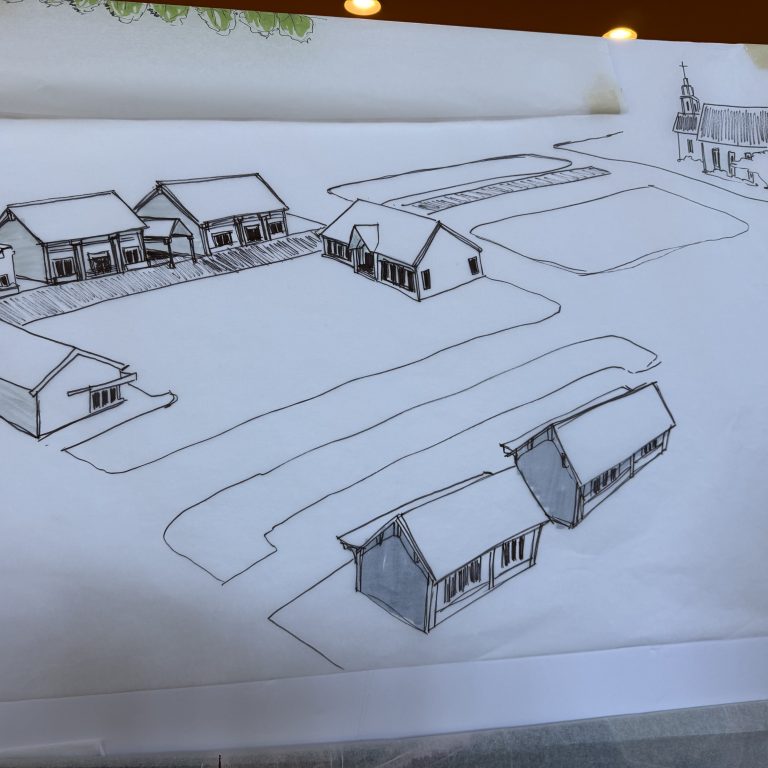
Breaking up into teams, they spent time on different portions of the plan, each focusing on aspects such as density planning, housing typology, developing a town center and connectivity.
“I was surprised by how much work we managed to complete as a group. It just shows how effective a team can be when guided in the right direction,” fifth-year Jordan King shared.
Hanje and fifth-year Abby Best echoed King’s thoughts, both marveling at how much they were able to accomplish in two days.
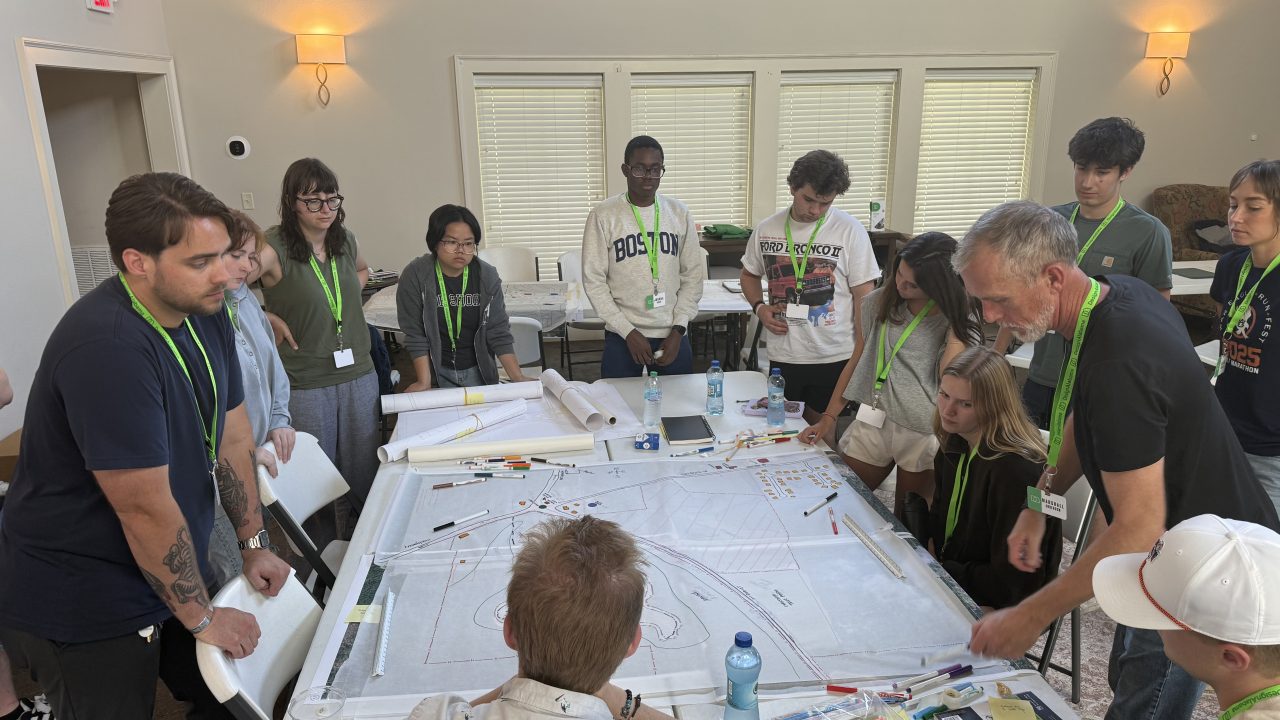
During the charrette, students take a project from idea to concept, and eventually, to a strategic plan for a community, providing them with a better understanding of their assets and how to work cohesively towards a solution. This experience will help students as they move forward in their careers.
“What I enjoyed most about the charrette process was having the ability to listen to the needs and wants of the Redland residents and developers,” third-year student Addie Holden explained. “We were able to ask questions and learn about their dreams for the community. It was a great experience getting to use our skills to give a solution that could potentially be used in the future.”
Want to learn more about the Urban Studio experience?
Related people:
Alex Krumdieck,
Jennifer Cloe