LAND Faculty Win 8 ASLA Awards

Eight projects completed by Landscape Architecture faculty were recognized in the 2026 American Society of Landscape Architects (ASLA), Alabama Chapter awards this summer.
The ASLA Alabama Chapter is the state branch of a professional association for landscape architects in the United States. Its mission is to advance landscape architecture through advocacy, communication, education and fellowship. Faculty from the School of Architecture, Planning and Landscape Architecture (APLA) raked in awards from design to analysis to communications.
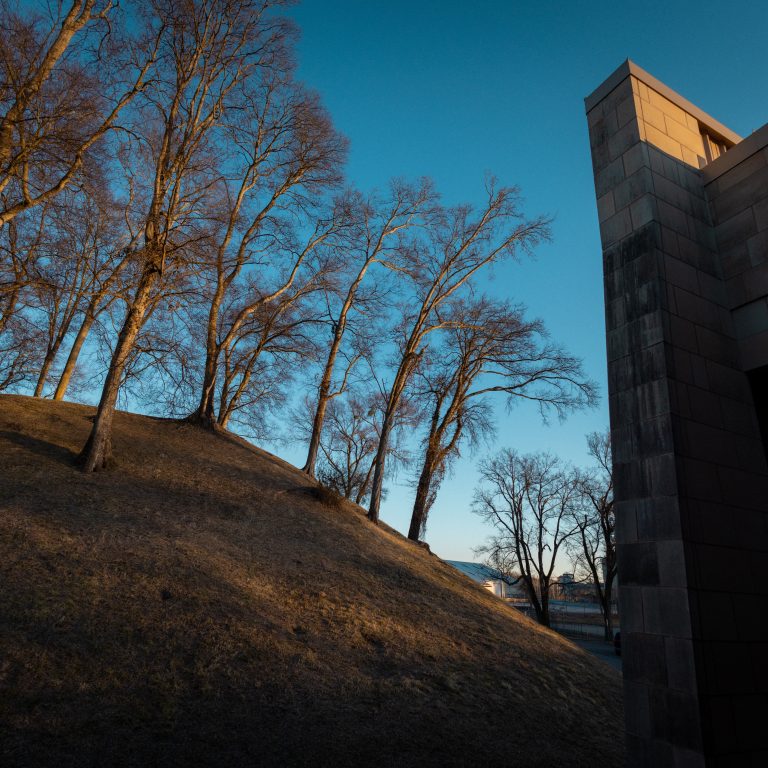
Assistant Professors Isaac Cohen and Sarah Coleman received a Communications Merit Award for Generative Care, a body of work and an event that promotes maintenance and preservation for the Florence Mound, a Woodland Era Indigenous Mound in North Alabama.

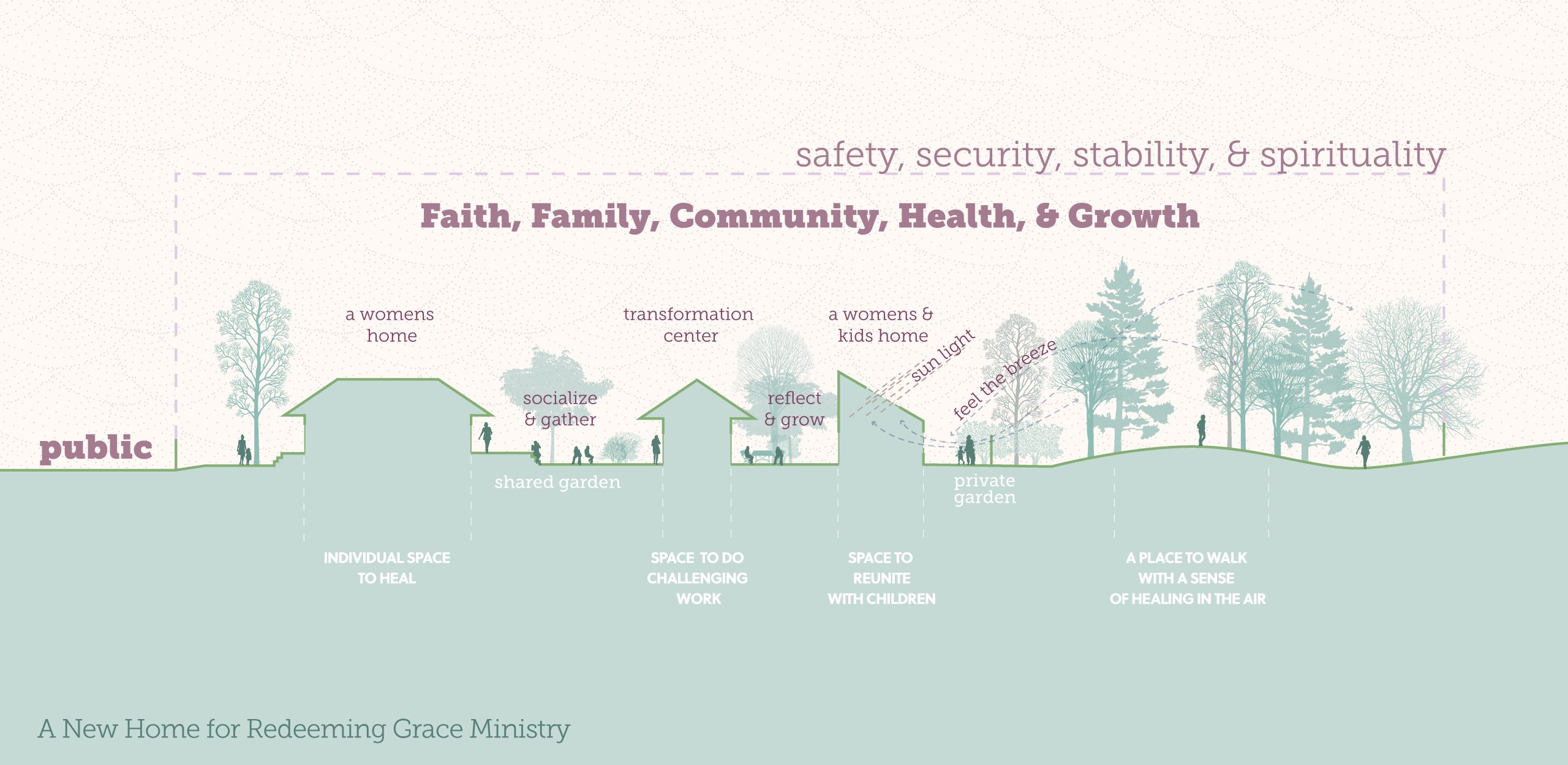
Cohen also received an Analysis and Planning Merit Award with Assistant Professor Gwendolen Cohen, in collaboration with Martin Rickles Studio, for their project Redeeming Grace Ministries, a housing and support service for women transitioning out of correctional facilities. The soon-to-be-constructed design uses trauma-informed care strategies to create a safe, supportive environment that supports healing and growth.
Hillworks Design, an Auburn-based landscape architecture studio run by Professor David Hill, received four awards for design.
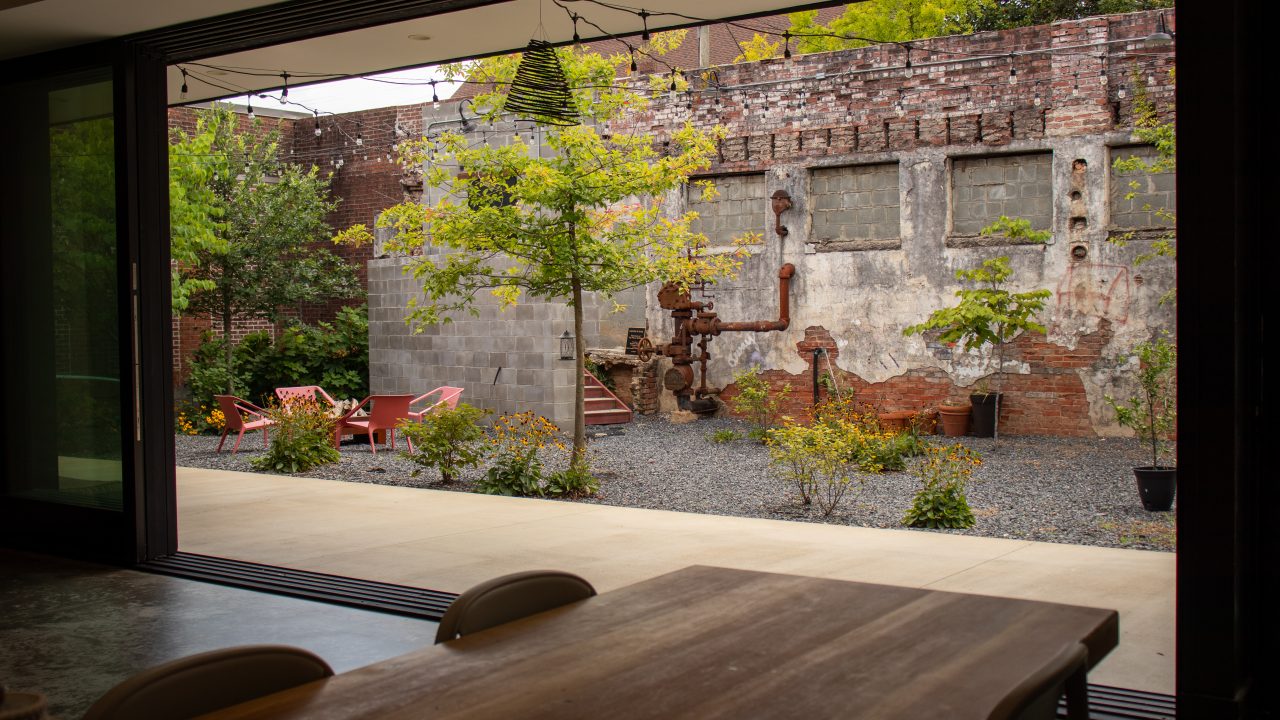
Porch House was awarded the Residential Design Honor Award for the transformation of a vacant warehouse ruin in downtown Opelika into an immersive garden residence with native plantings and weathered remnants of the site’s industrial past.
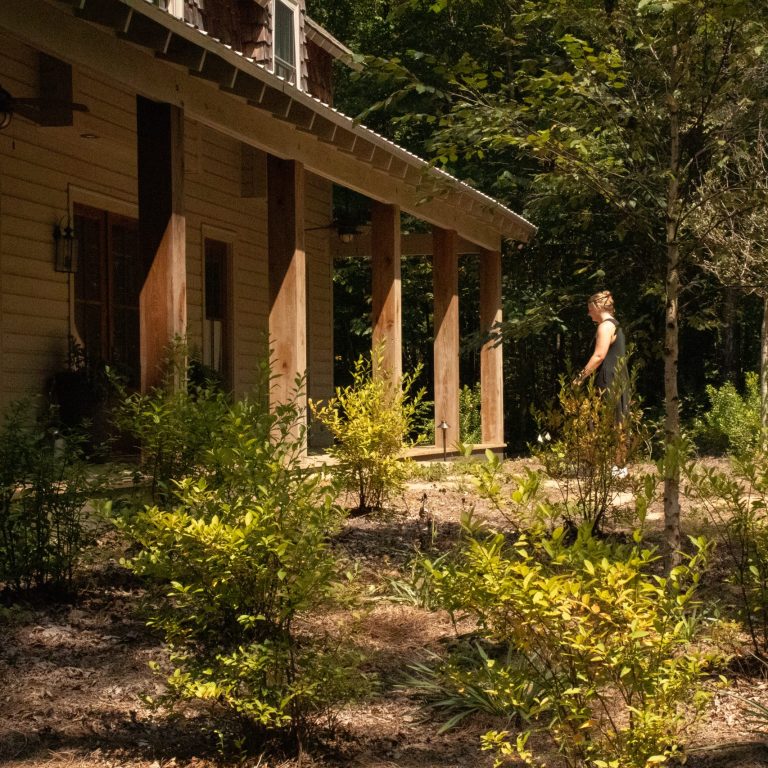
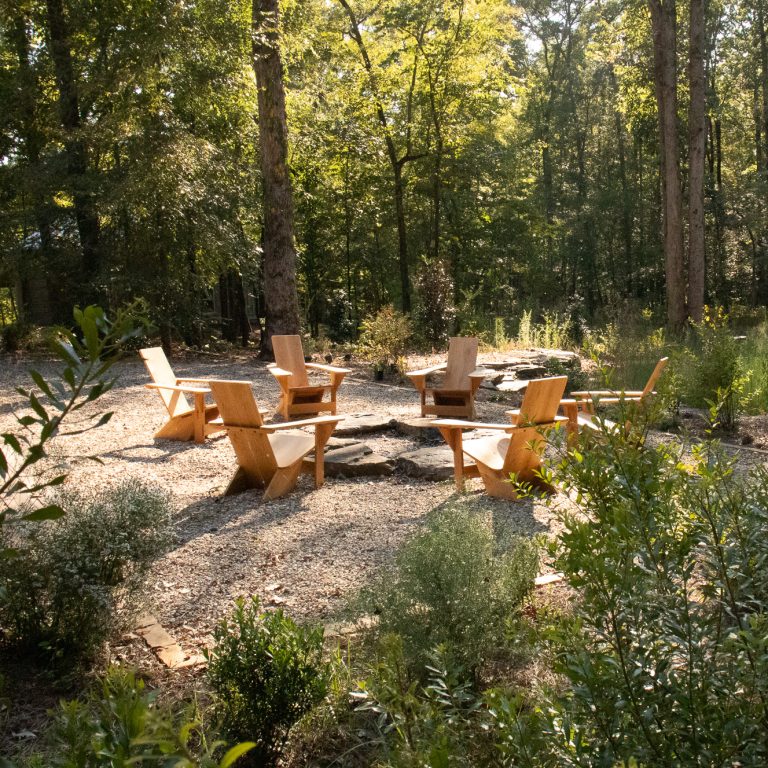
Just outside of Auburn, the Waverley Woodland Garden received a Residential Design Merit Award for dissolving the boundary between a cultivated yard and a wild forest. The layered native plant communities bring the woodland ecosystem close to the life of the home.
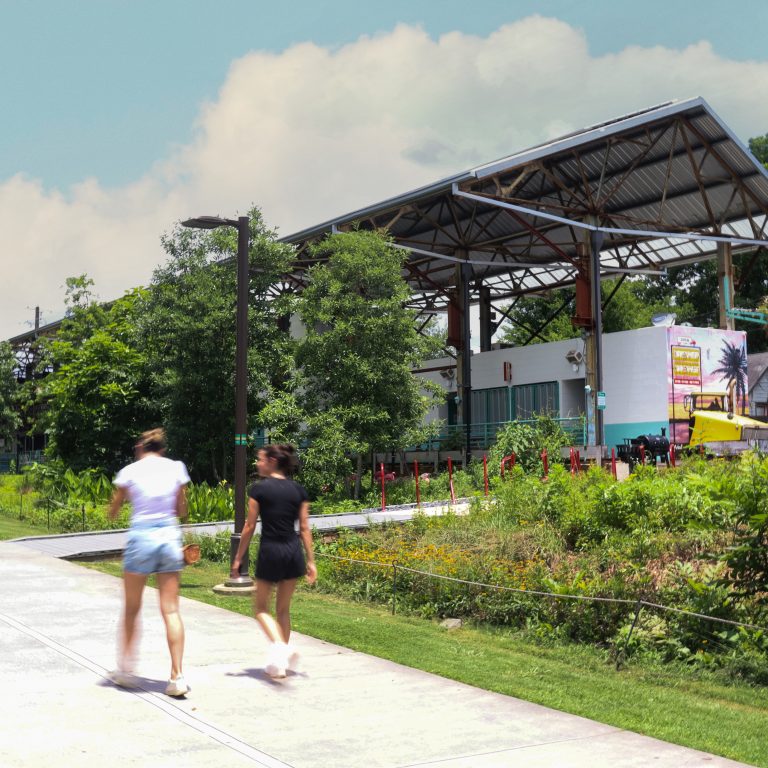
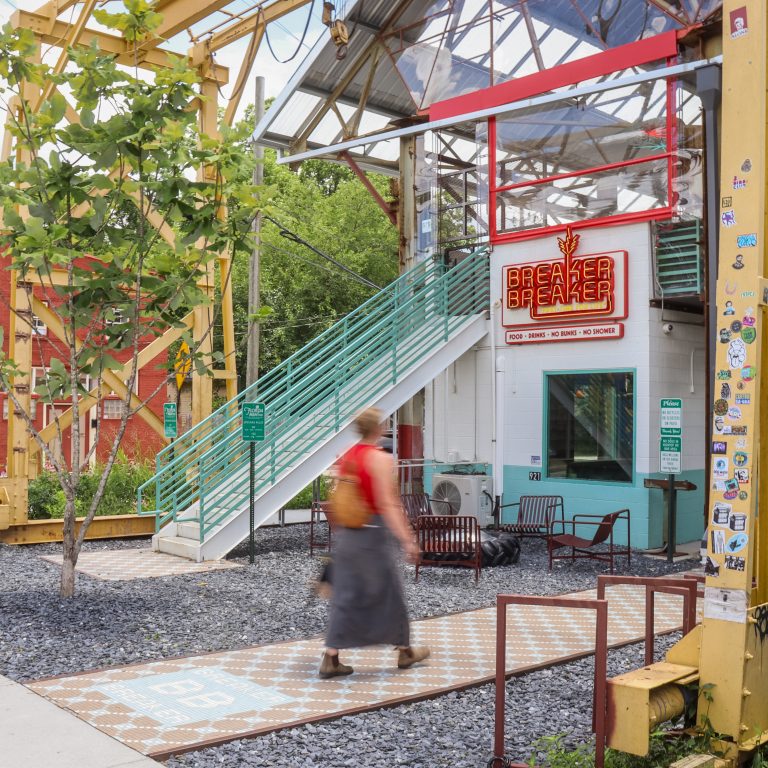
Located along the Atlanta Beltline, Breaker Breaker received a Merit Award in General Design for a restaurant space in a former steel fabrication yard. The design uses a salvaged steel shed for a canopy that shades indoor and outdoor dining spaces with expressive plantings.
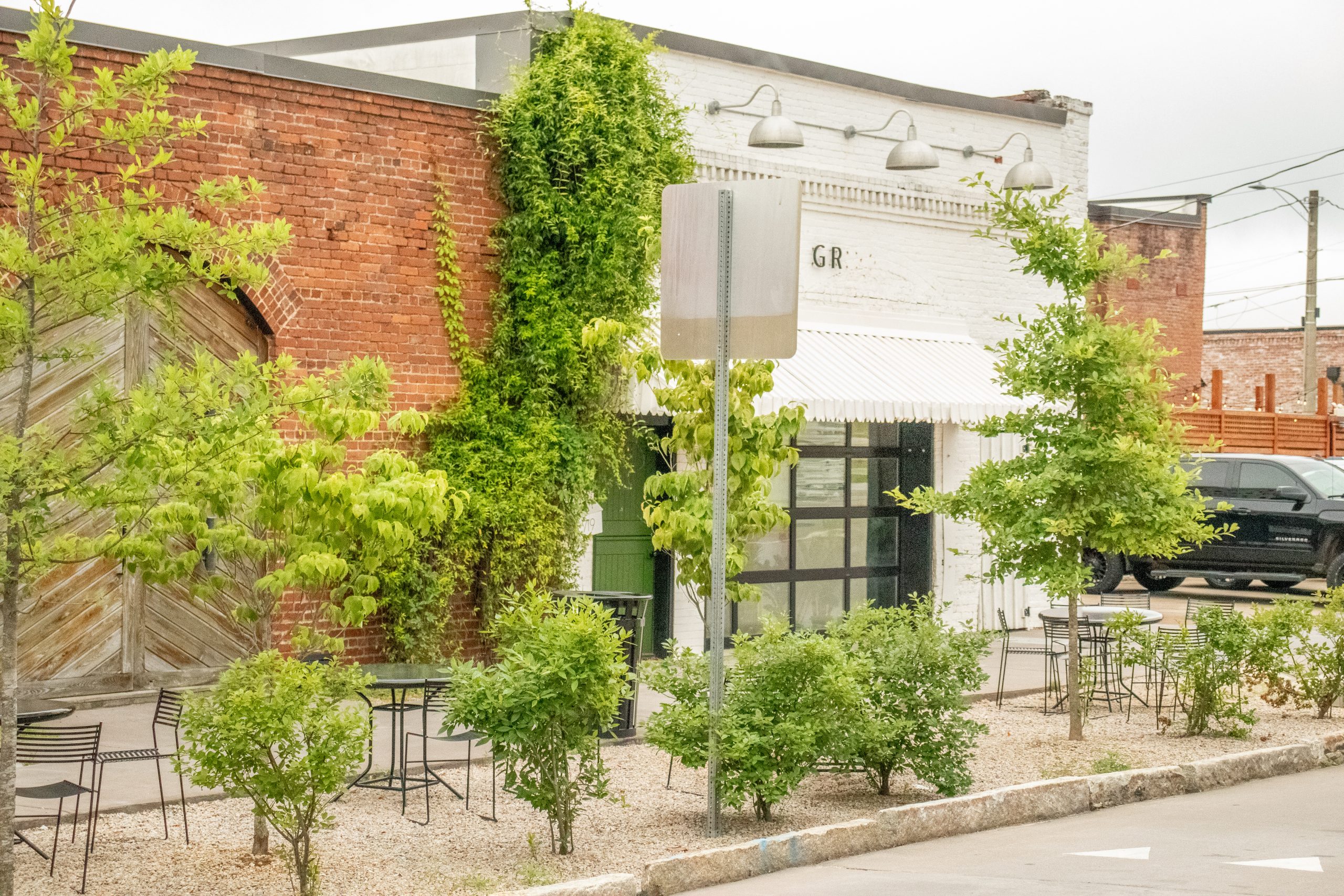
Also the recipient of the Merit Award for General Design, First Avenue Public Way consists of a small planting model that serves as a spatial structure to re-engage the historic Cotton Warehouse District of Opelika.
The Landscape Infrastructure Design Lab (LIDL), directed by Associate Professor and Undergraduate Landscape Architecture Chair Rob Holmes, received two awards.
Holmes’s book “Silt Sand Slurry: Dredging, Sediment and the Worlds We Are Making” that was published in 2024 won a Communications Honor Award for examining the wider issues surrounding dredging through projects in four areas of the U.S.
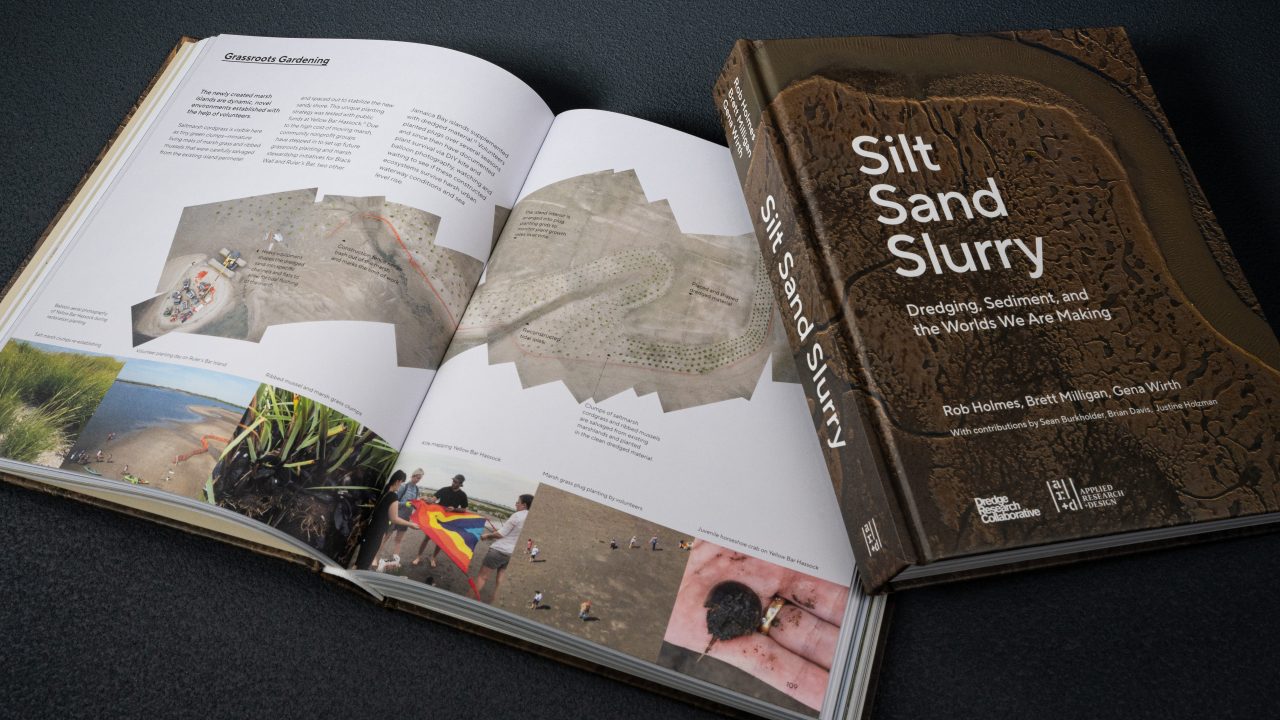
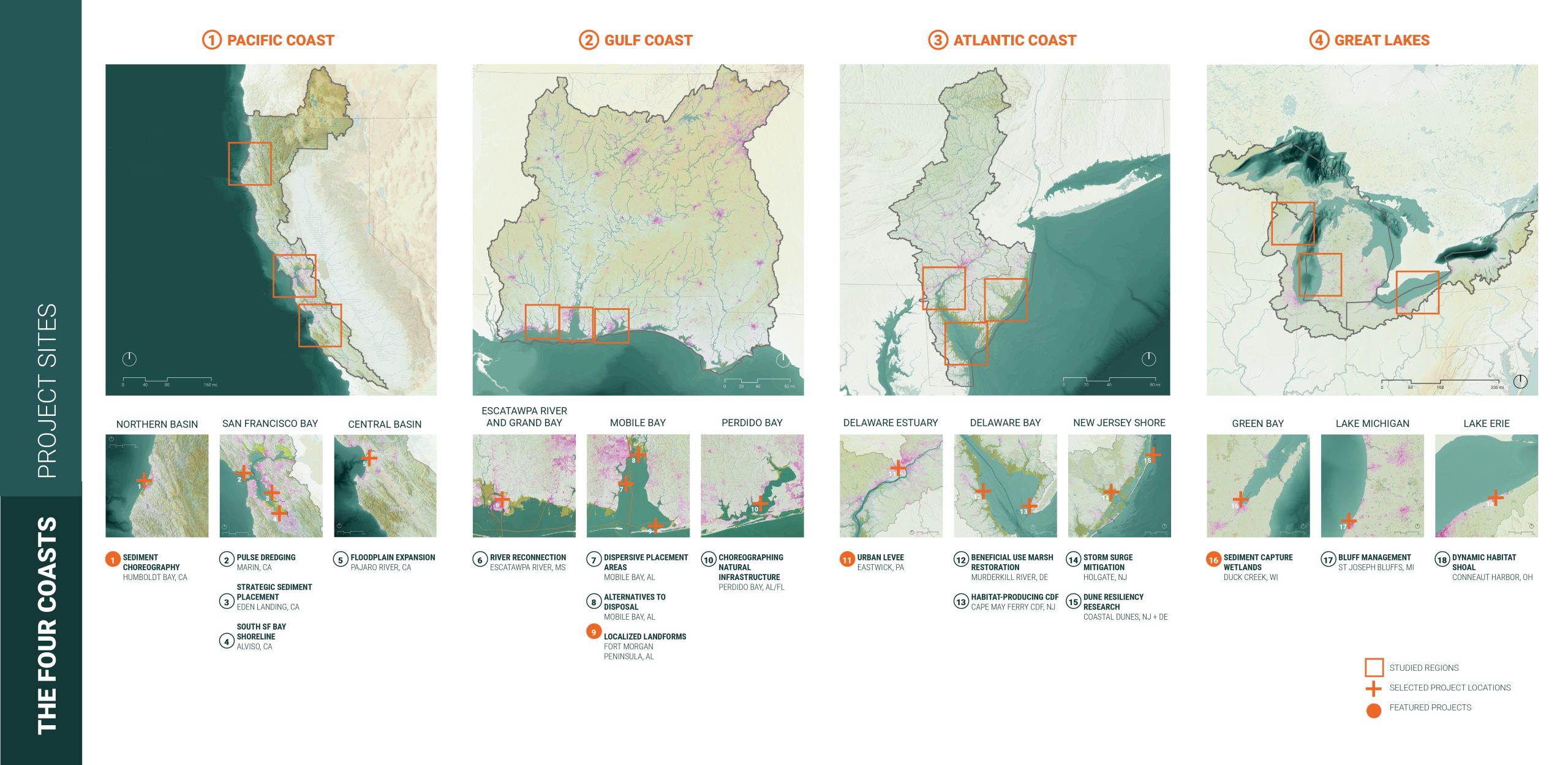
The book ties into LIDL’s Four Coasts Project, which received an Honor and Excellence Award for Analysis and Planning, that investigates landscape architecture infrastructure to combat sea level rise, habitat loss, generations of environmental injustice, post-industrial decline and the continued growth of urban centers near the Great Lakes, New York Harbor, Mississippi Delta and San Francisco’s Bay-Delta coastal areas.
“We are honored to have the work of our faculty recognized by our professional colleagues,” Holmes said. “The quality and breadth of the built landscapes, planning studies and scholarship cataloged in these awards speaks directly to both the excellence that we as faculty aim to prepare our students to achieve and the faculty’s desire to stand alongside those professional colleagues in advancing landscape architecture in Alabama.”
See more in:
Creative Work,
Cultural Heritage Preservation,
Faculty Collaboration,
Faculty Recognition,
Faculty Work,
Industry Recognition,
Landscape Infrastructure Design Lab (LIDL),
Natural Infrastructure,
Research,
Student Experience,
Sustainable Design and Development
Related people:
Isaac Cohen,
Sarah Coleman,
Gwendolyn Cohen,
Rob Holmes,
David Hill