INDD Students Tackle Industry Challenges During 24-Hour Design Sprint
Eight Industrial Design (INDD) students transformed real-world industry challenges into developed, thoughtful design concepts during a fast-paced, 24-hour sprint held July 23 and 24 at Urban Studio in Birmingham.
Students in the School of Industrial and Graphic Design (SIGD) worked in pairs with three Birmingham-based companies—Fox Factory, ExpoDisplays and Peak Season Furniture—and Hirschfeld, based in Cornelius, North Carolina. An Auburn alumnus who works remotely for Hirschfeld participated in the sprint.

Representatives from each company presented a focused design brief, advised the students throughout the process and reviewed their final concepts. The project challenged students to research unfamiliar subjects, make decisions under pressure and clearly communicate their ideas.
Benjamin Bush, INDD Program Chair and Bauhaus Associate Professor, developed the sprint as an accessible way for design professionals and alumni to work with students.

Traditional industry-sponsored studio projects can require a semester-long commitment, which may be difficult for working professionals. The sprint condensed that experience into a short, intensive format while still giving students direct industry guidance.
“The better I get to know our alumni, the more I realize that we have a high level of top design talent down the road in Birmingham,” Bush said. “Engaging in this kind of project just sounds like a win-win situation to me.”

The companies developed briefs that were focused enough for the time limit but comprehensive enough to produce meaningful work. Hirschfeld asked students to create a traveling college football game-day activation for an energy-drink brand, while Peak Season Furniture challenged them to develop a chair that could be white-labeled for a major outdoor retailer.
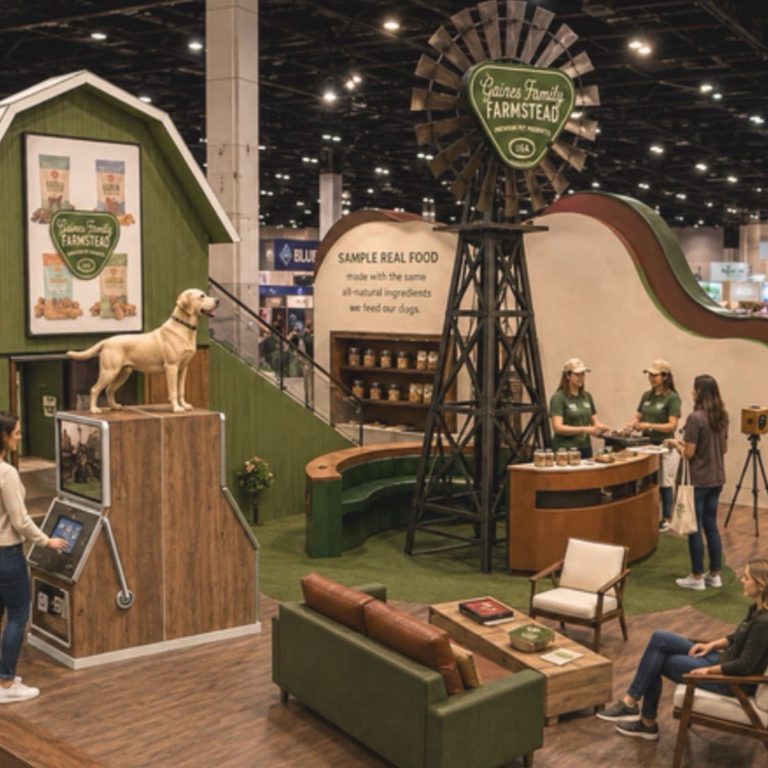
INDD students Addison Moyer and Lucie Schauer worked with ExpoDisplays to design a speculative trade show exhibit using Gaines Family Farmstead, a dog wellness company, as the featured brand. Their concept combined product education with interactive opportunities for visitors to purchase or win dog treats.
“Having easy communication with industry professionals helped a lot with the quick-paced design process,” Moyer said. “We were able to share our early ideas and receive really helpful insights and feedback within a quick time frame.”

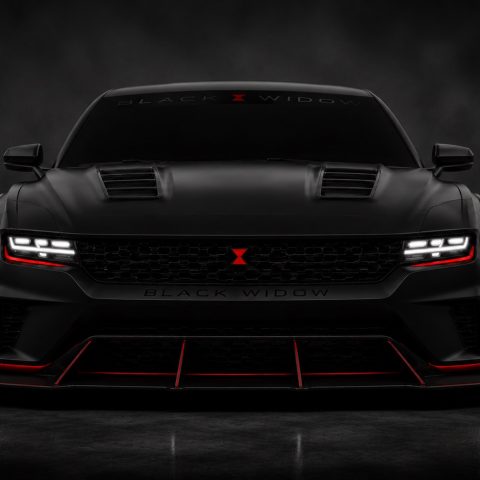
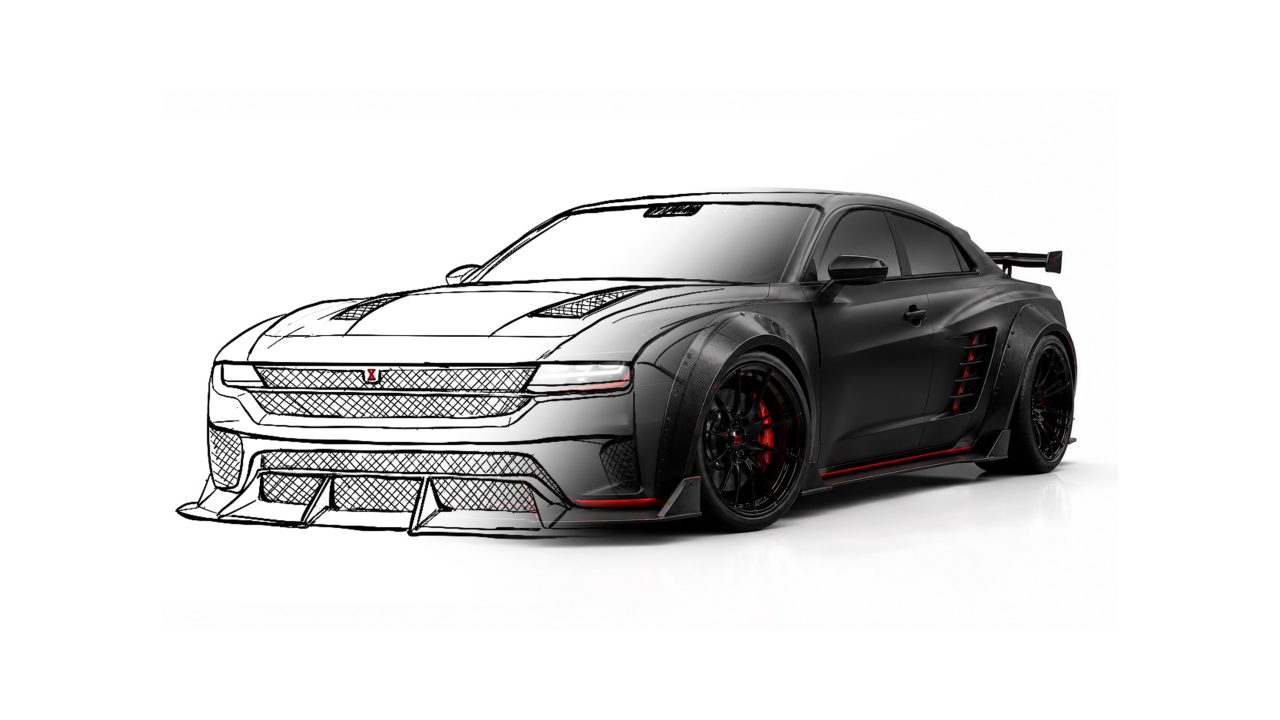
INDD students Rachel Hu and Vanson Dong worked with the Fox Factory design team to develop a “Black Widow” customization package for the 2026 Dodge Charger. Because neither student had experience with automotive modifications, they used online resources and artificial intelligence tools to research the industry and quickly visualize ideas.
“We intentionally explored a wider range of modifications, knowing it would be easier to simplify our designs later than to start with too little and struggle to add meaningful features,” Hu said.
For Hu, presenting the final concept was the most rewarding part of the experience. The sprint reinforced a lesson she expects to carry into future projects.
“Design is an iterative process, and concepts are constantly refined and improved upon,” she said.
Related people:
Benjamin Bush