ENVD Students Explore Time, Change, Storytelling
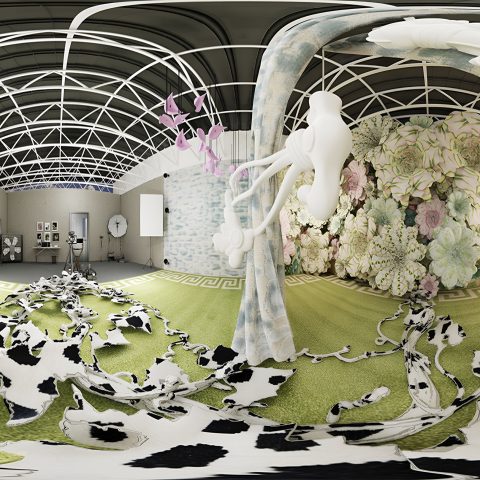
Environmental Design (ENVD) students transformed interests into capstone projects this summer, exploring storytelling, fabrication, public space and emerging technology at Auburn University’s Urban Studio in Birmingham.
The twelve students completed the 10-week “Temporal Trajectories” Capstone, part of the Environmental Design program in the School of Architecture, Planning and Landscape Architecture (APLA).
Taught by Assistant Professor Eilís Finnegan, the course asked each student to identify a question and develop an original response through research, experimentation and storytelling.
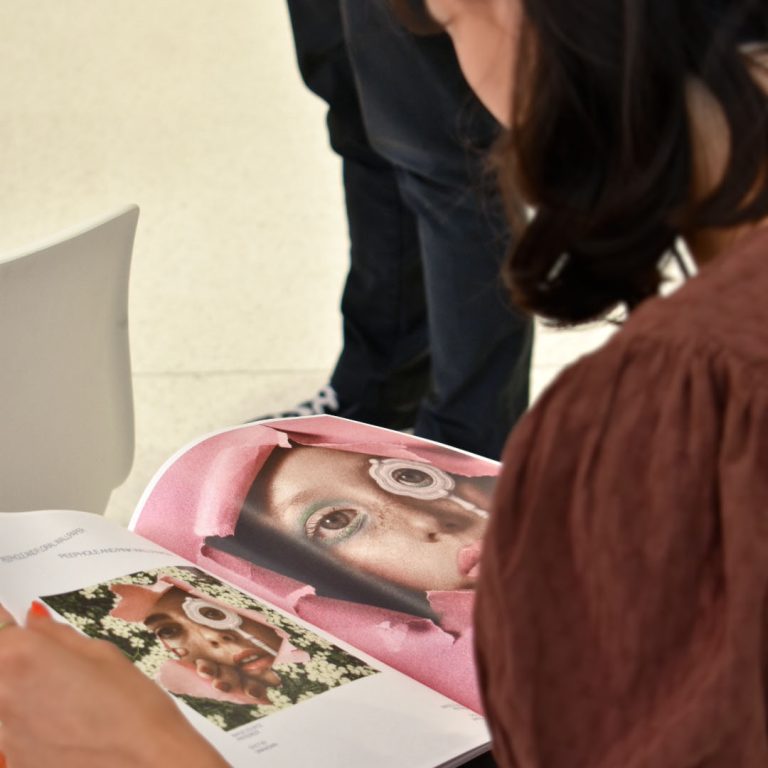
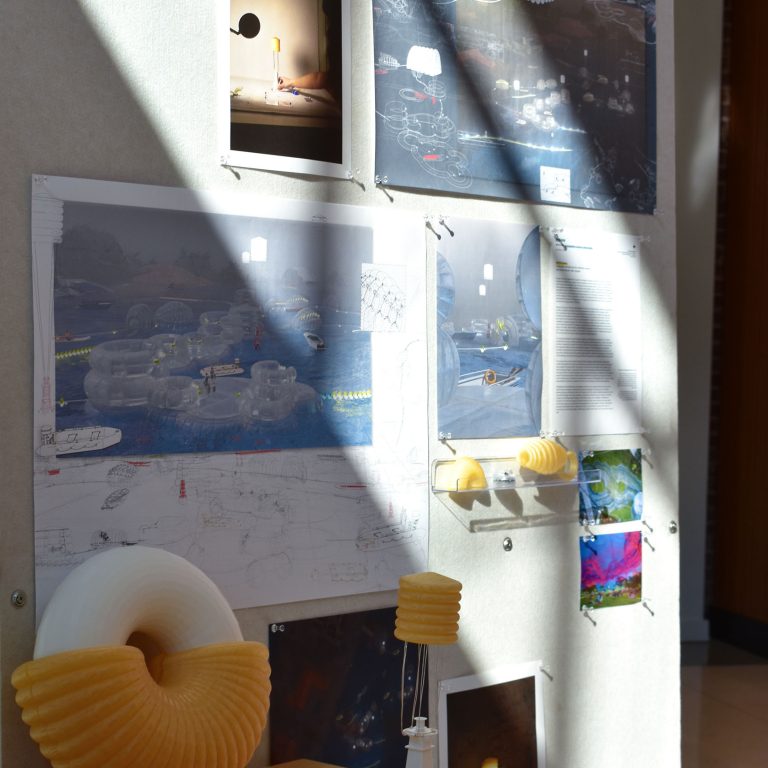
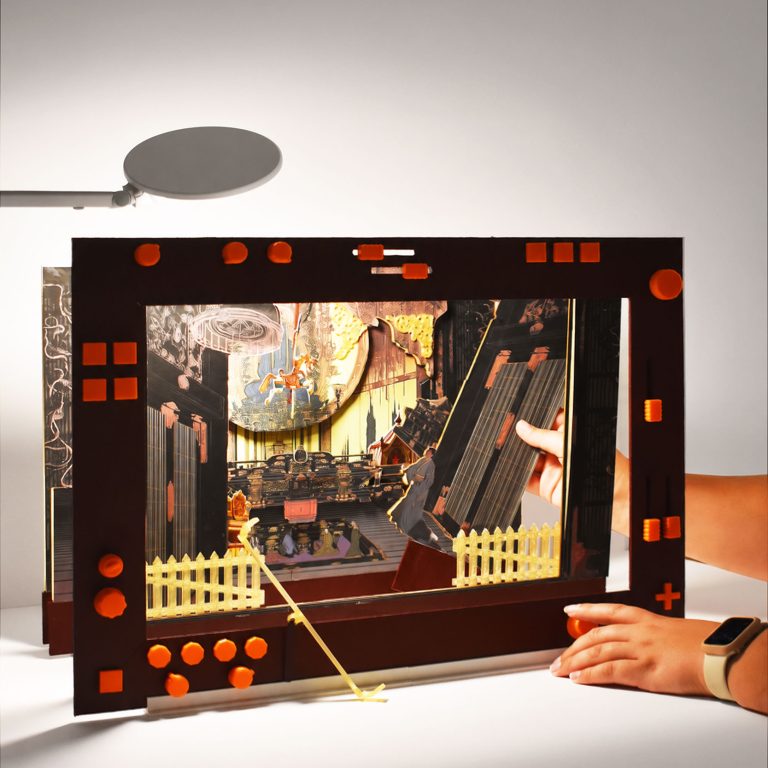
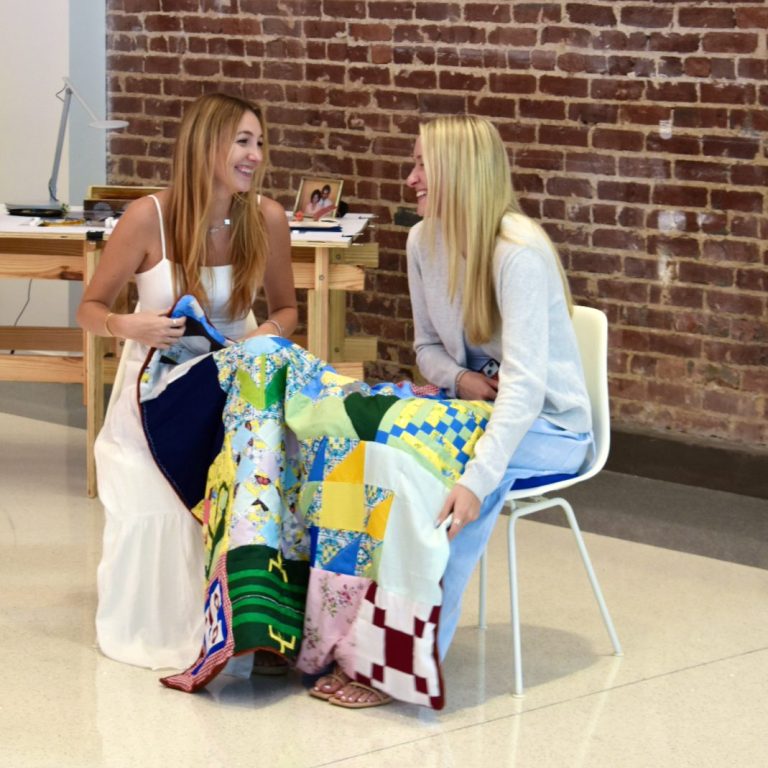
Students worked with physical and digital media as they developed projects rooted in their individual interests. Some explored how design could activate public space or make small-space living more adaptable, while others examined disaster relief, game design, wearable objects and family history. They brought those ideas to life through hands-on fabrication, animation, extended reality and projection mapping.
Projects by ENVD students Kim Ha and Canaan Rager illustrate that range.
Drawing on her love of live music and festivals, Ha proposed flexible infrastructure for performances and community events at Birmingham’s Rainbow Viaduct in “Over/Under: Choreographing Birmingham’s Rainbow Viaduct.”
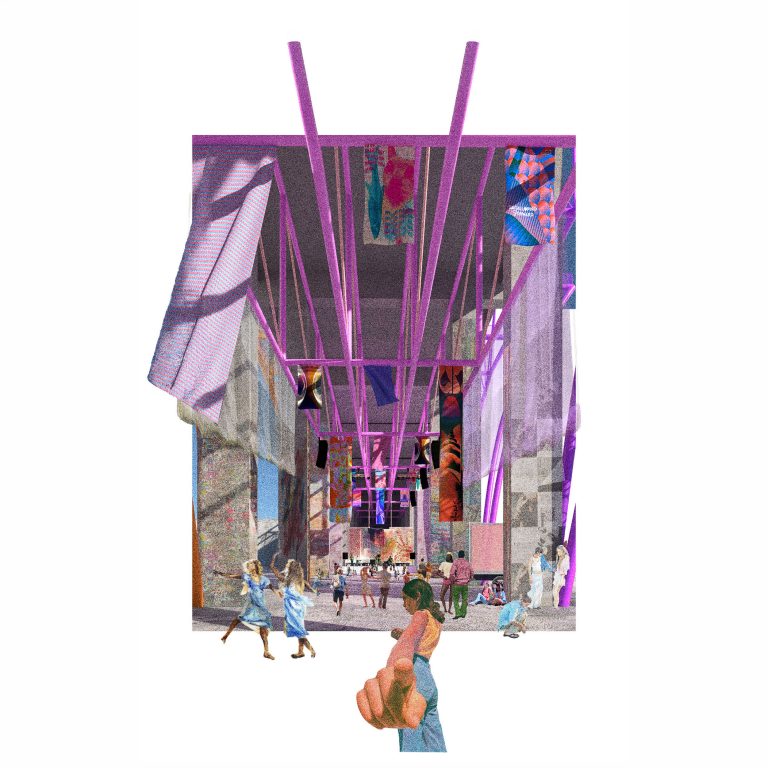
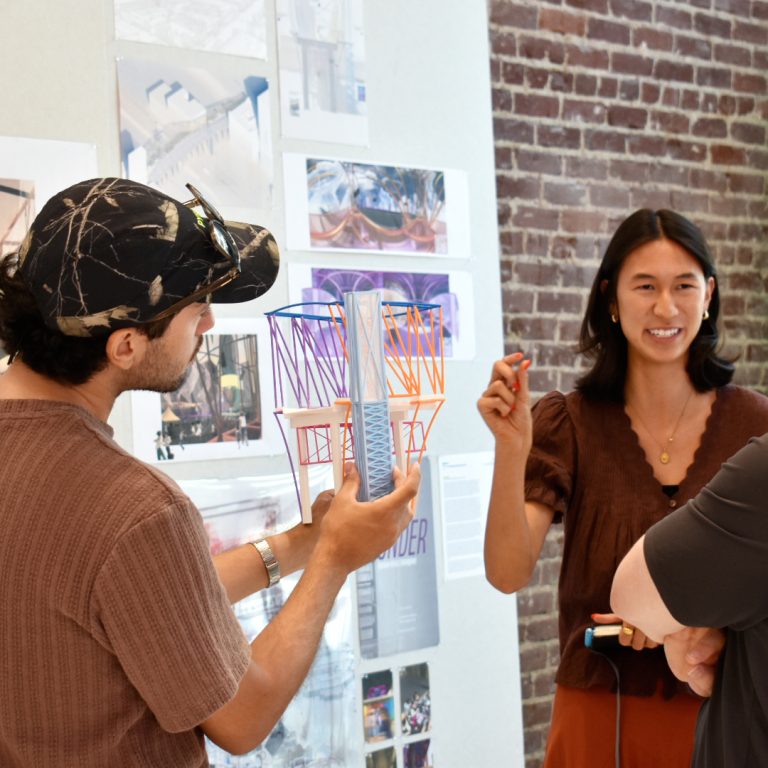
“My project challenges the idea that architecture is only a setting for events and reframes it as an instrument that actually produces them,” Ha said.
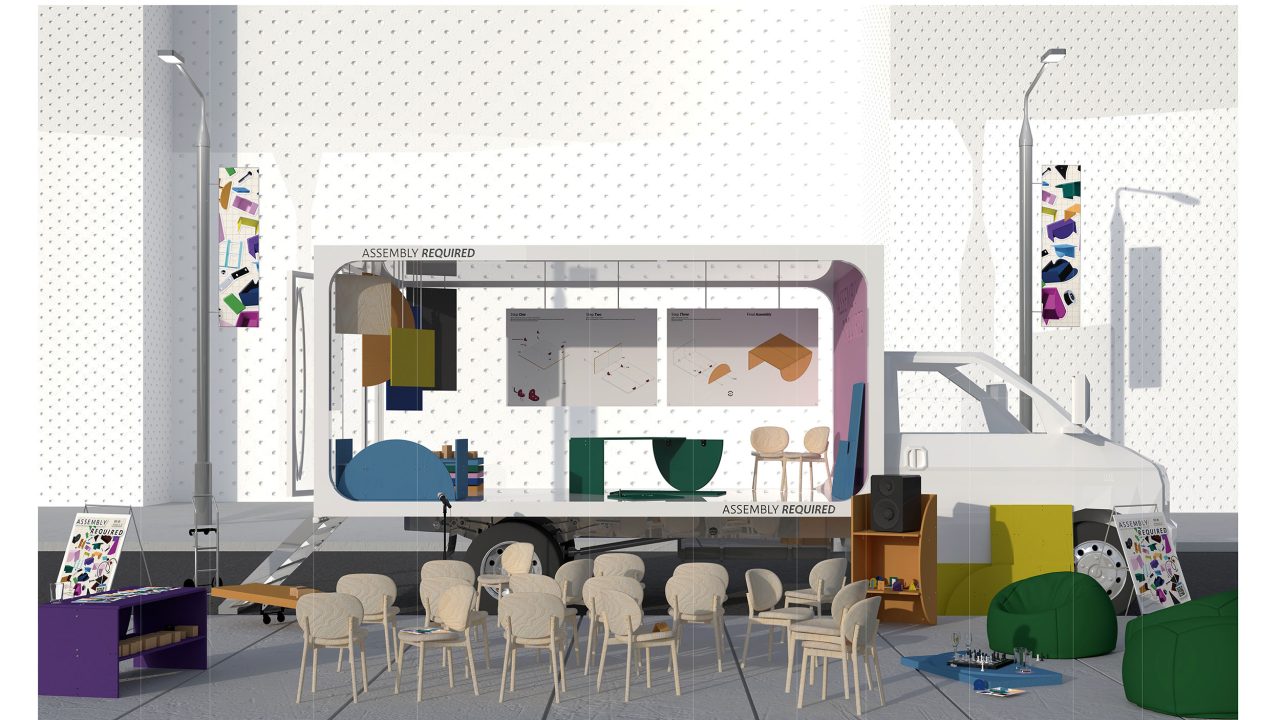
Rager turned his experience living in a small apartment into “Assembly Required,” a reconfigurable furniture kit designed to adapt to changing needs.
“I wanted to offer something that could fit all of your needs with one simple kit of pieces,” he said.
The capstone concluded with a final review and showcase on July 31 at Urban Studio. Finnegan said the students’ work had become deeply personal, reflecting their interests, career plans and goals for research and creative work.
“By the reviews, they had crossed a threshold from simply completing a project to being able to stand behind a body of work and confidently share it with others,” she said.
Finnegan hopes students remember that a capstone can become more than a final assignment or portfolio piece.
“A strong capstone can open up new questions, spark future research, shape professional interests and even reveal directions that students did not know they wanted to pursue when they began,” she said.
See more in:
Student Experience,
Student Work,
Urban Studio
Related people:
Eilís Finnegan