ENVD Student Wins Auburn Research Award
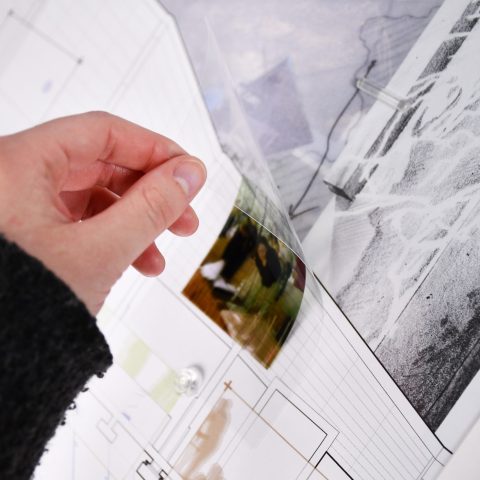
Environmental Design (ENVD) senior India Joiner was recognized in Auburn University’s 2026 Research Symposium for her creative work representing memory and emotion in space.
Joiner’s recognition as the Undergraduate Student Winner for the College of Architecture, Design and Construction (CADC)at the 2026 Research Symposium reflects the creativity, rigor and forward-thinking scholarship that defined her undergraduate career in the Environmental Design program. Her award-winning project, “Exploring ‘phygital’ analytiques as a form of representation for the memory and emotion of space,” reimagines one of architecture’s most historic drawing traditions through contemporary technology and craft.
Drawing inspiration from the analytique, a canonical representational drawing rooted in the École des Beaux-Arts in Paris, Joiner investigated how digital and physical methods can work together to tell richer architectural stories.
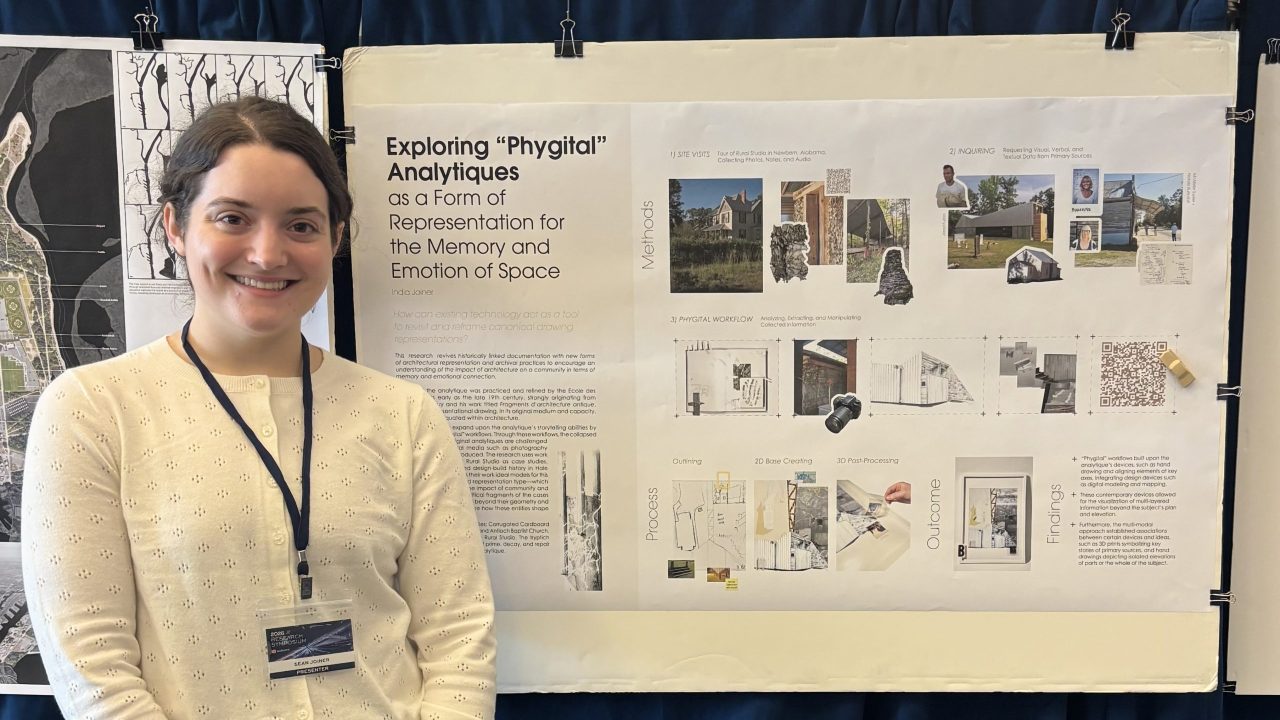
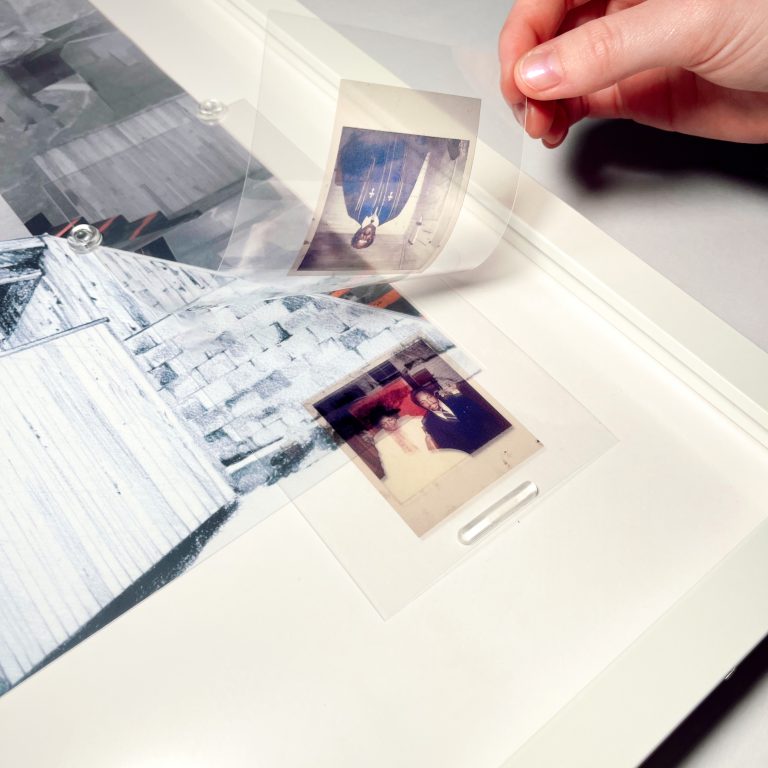
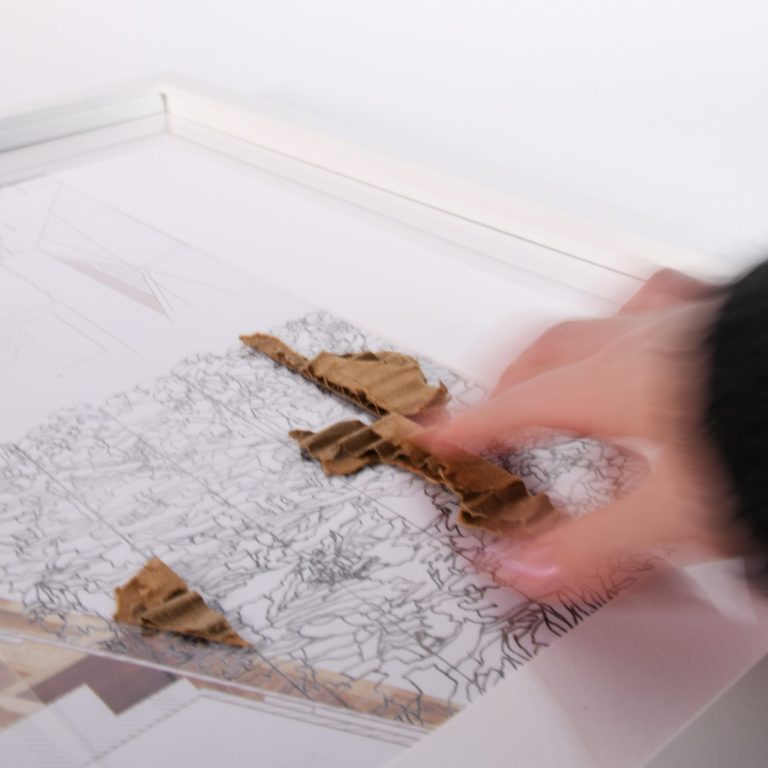
She used Rural Studio’s Corrugated Cardboard Pod, Perry Lakes Park Pavilion and Antioch Baptist Church as case studies, combining physical and digital workflows. She layered sketching, collage and mapping with tactile overlays such as 3D prints to create a triptych that examined the physical states of prime, decay and repair.
“Through these methods, the project sought to revive historically linked documentation with new forms of architectural representation and archival practices, encouraging an understanding of architecture’s impact on a community in terms of memory and emotional connection,” Joiner said.
The project grew out of Joiner’s participation in Auburn’s Undergraduate Research Fellowship program, and at the symposium, its impact extended beyond visual innovation.
“Being in the symposium helped me realize the influence student research like mine can have now and in the future if pursued further,” Joiner said. “The experience encouraged me to think deeper about how I can bring my research into future endeavors.”
Joiner credits the ENVD program with shaping the interdisciplinary mindset that made the work possible. Drawn to Auburn for its broad design offerings, she found in ENVD a path that sharpened both her creative instincts and problem-solving abilities. Most influential were the faculty, whose varied background expanded her understanding of spatial design.
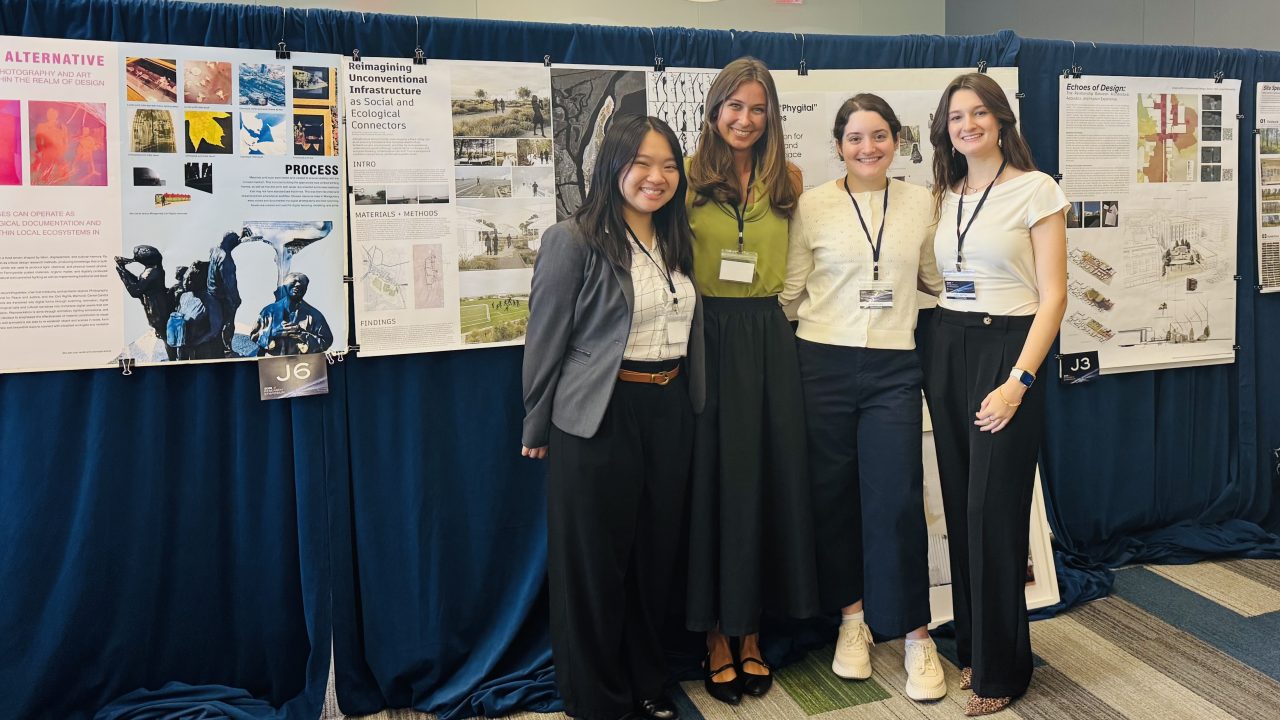
That promise was evident to faculty mentor Assistant Professor Eilís Finnegan, who praised Joiner’s exceptional technical proficiency and passion for craft, noting that her work challenges the possibilities of architectural representation while contributing meaningfully to emerging scholarly discourse.
As she prepares to graduate in May, Joiner leaves Auburn with a body of research that bridges tradition and innovation—and points toward an exciting future in design.
Related people:
Eilís Finnegan