ENVD Faculty Brings Interdisciplinary Approach to Design
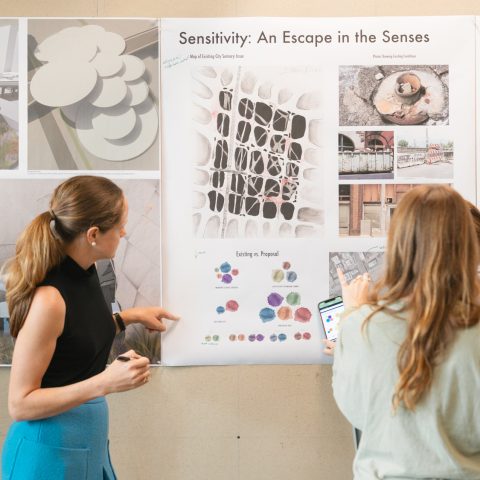
Jennifer Milanes challenges Environmental Design (ENVD) students to look beyond the initial design question to the systems, protocols and networks that shape spatial outcomes.

Milanes, who was recently promoted to Associate Professor with tenure within the School of Architecture, Planning and Landscape Architecture (APLA), has seen the ENVD program transform from experimental to intentional over the last eight years.
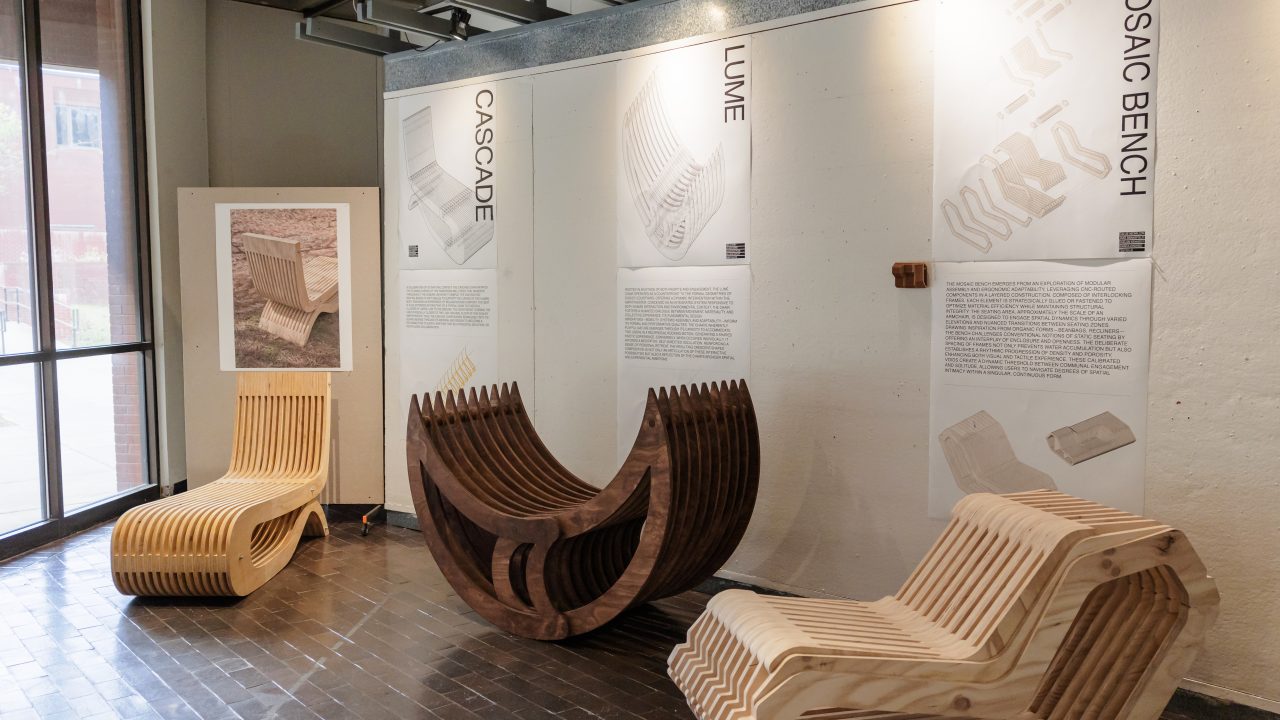
Across the academic year, Milanes teaches design studio, professional development and material research courses, guiding ENVD students through research authorship, curating a compelling and highly crafted printed and bound portfolio, digital and analog fabrication, prototyping and interdisciplinary entrepreneurship.
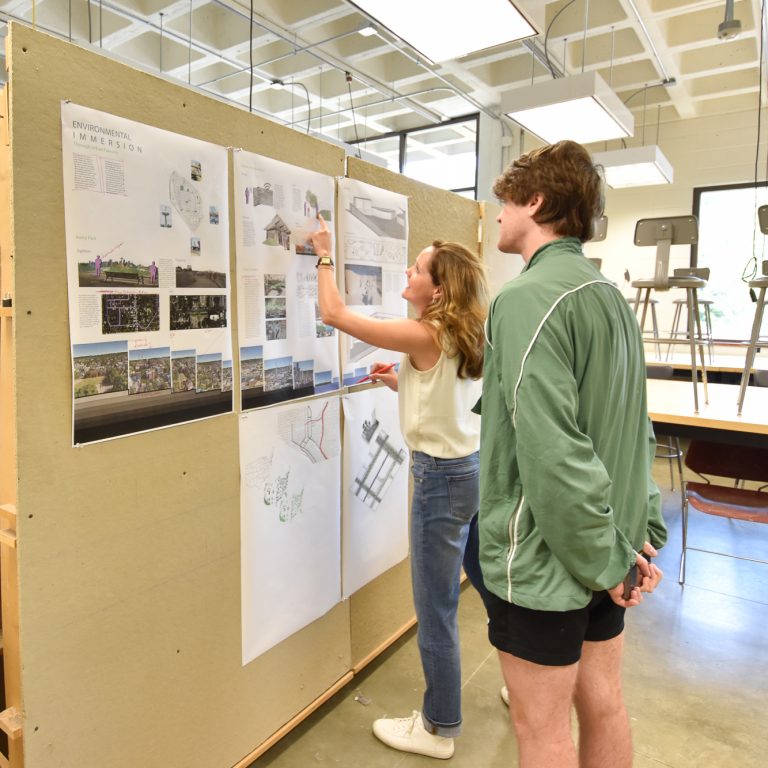
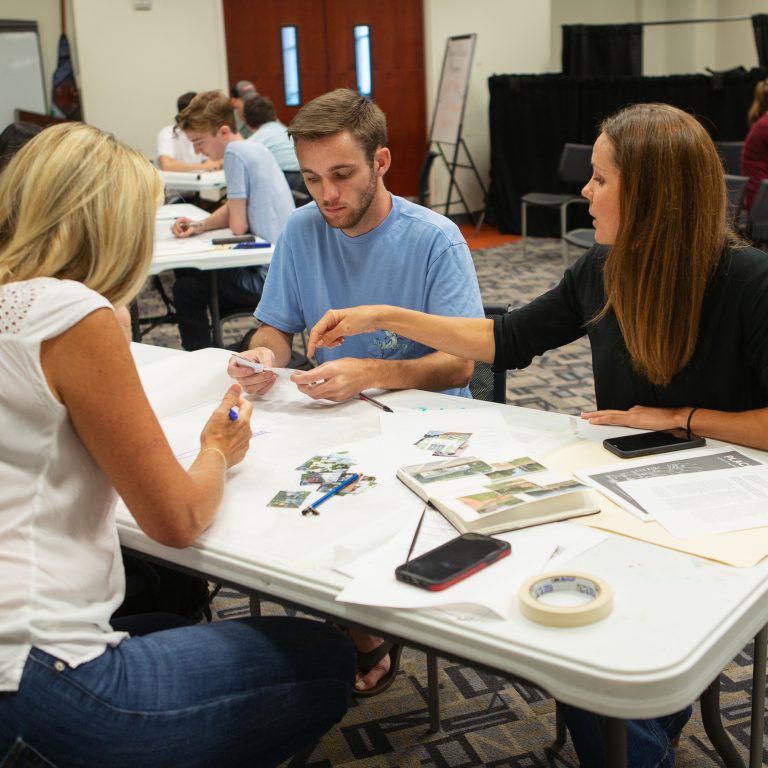
“Teaching at Auburn means working within a public, land-grant context where design education must remain porous and open to other disciplines, scales and forms of expertise while retaining rigor and craft,” she said, explaining that the program is a testing ground for interdisciplinary design as a theory, pedagogy and practice. “At Auburn, teaching is an act of expanding what design can claim, while grounding that expansion in craft, argument and public relevance.”
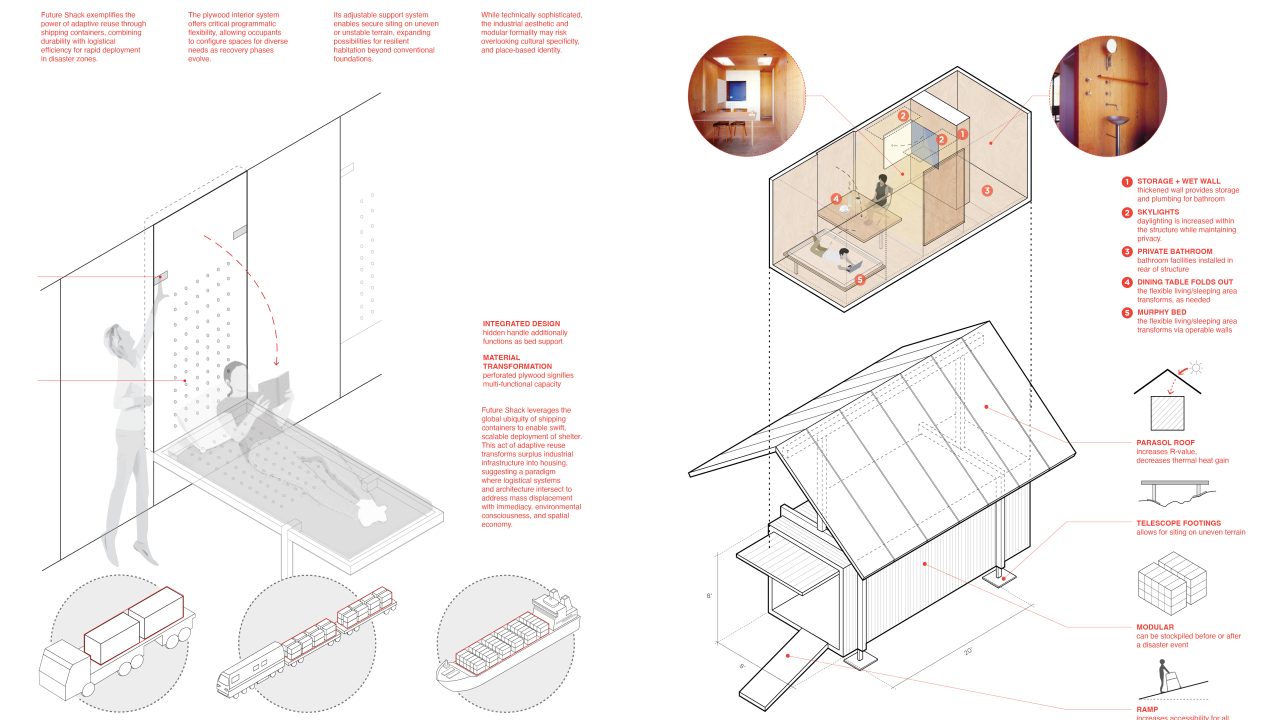
Her expansive view of teaching topics mimics her personal research on post-disaster housing, focusing on how designers can intervene beyond the architectural object to shape frameworks, policies and infrastructures. Prompted by an early professional experience working in Cambodia, Milanes approaches post-disaster housing as a systemic design opportunity—rather than a singular building typology—where designers can employ interdependence, phasing and spatial-logistical coordination.
“Housing plays a decisive role in displacement, recovery trajectories and long-term climate adaptation, yet it is often addressed through simplified, top-down models deployed by agencies such as the Federal Emergency Management Agency, the United Nations High Commissioner for Refugees (UNHCR) and the American Red Cross,” she said. “My research interrogates these models, arguing that housing is not an artifact but a network entangled with land tenure, infrastructure, governance, labor, supply chains and cultural practice.”
Across all her courses, Milanes encourages students to broaden their sense of design agency, gain confidence through making and articulate clear positions and methods. Her work reflects a broader evolution within the ENVD program—toward intentionality, rigor and an expansive definition of design.
See more in:
Creative Work,
Faculty Collaboration,
Faculty Recognition,
Faculty Work,
Housing Access and Affordability,
Research
Related people:
Jennifer Milanes