BSCI Service Learning Students Construct Residential, Community Projects
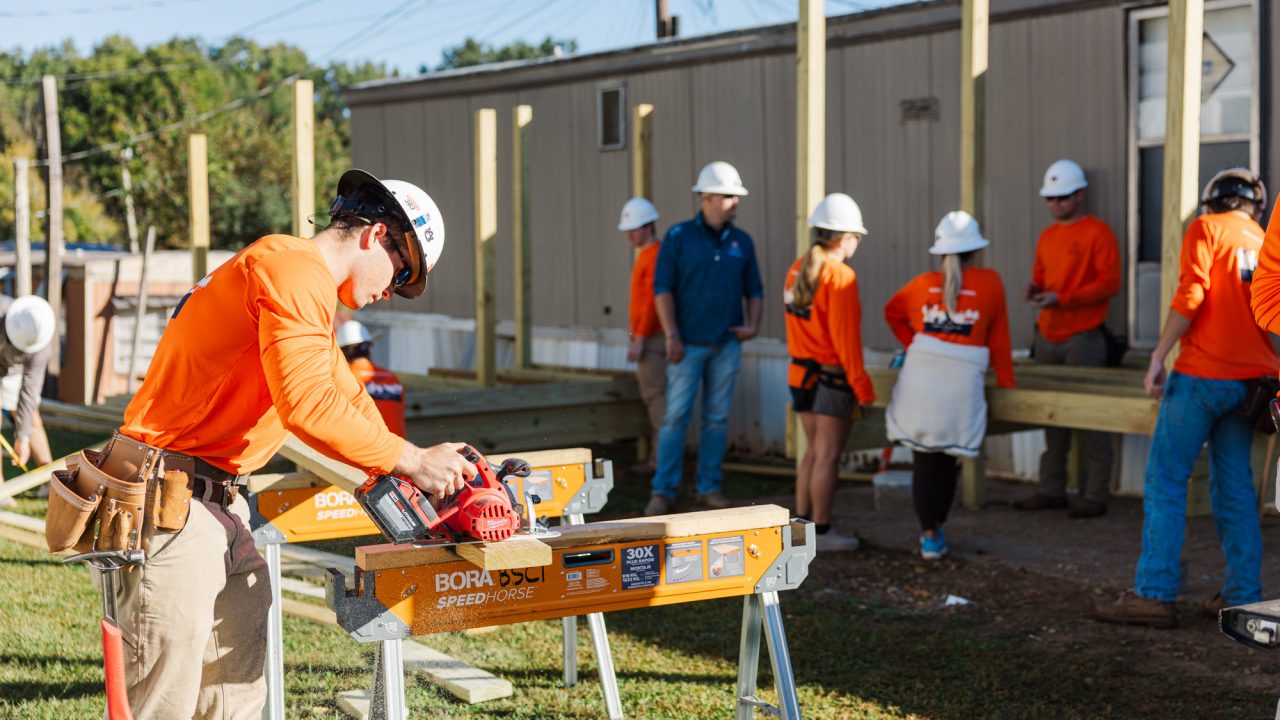
Students in the McWhorter School of Building Science (BSCI) applied their construction knowledge to nine Service Learning projects this fall, continuing Auburn’s outreach commitment to assisting community non-profits.
As part of the School’s Service Learning program the students—working in groups under the direction of BSCI faculty—gained hands-on experience while helping address the critical needs of organizations and individuals.
Senior Lecturer Jonathan Tucker oversaw three projects in Alabama. His first team designed and built four accessory sheds for Auburn-Opelika Habitat for Humanity homes, making use of the Robins & Morton Field Lab.
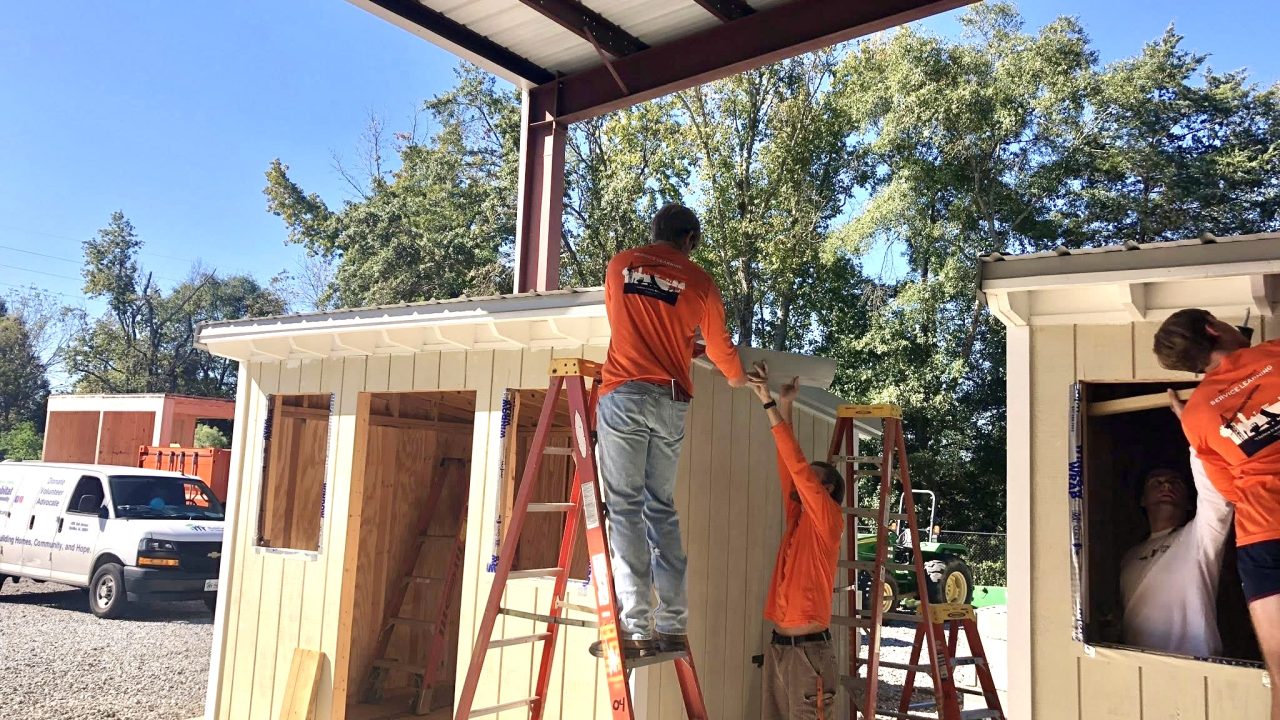
BSCI senior Braden Smith worked on the accessory buildings, seeing the full process from estimating and building information modeling through construction.
“As a student who came into Building Science with very little hands-on experience, learning in a controlled environment with professionals guiding us along the way has given me a new perspective on the construction industry,” said Smith, who found the project both enjoyable and rewarding. “This course has strengthened both my technical understanding and my confidence in applying what we learn in the classroom to real-world situations.”
“On top of that, knowing our work benefits a good cause makes it an all-around great experience,” he said.
Tucker also led a team that worked with Alabama Rural Ministries to install a new galvalume metal roof on a mobile home in Tuskegee. Helping a neighbor in need, the students also pressure washed the trailer and replaced damaged vinyl siding.

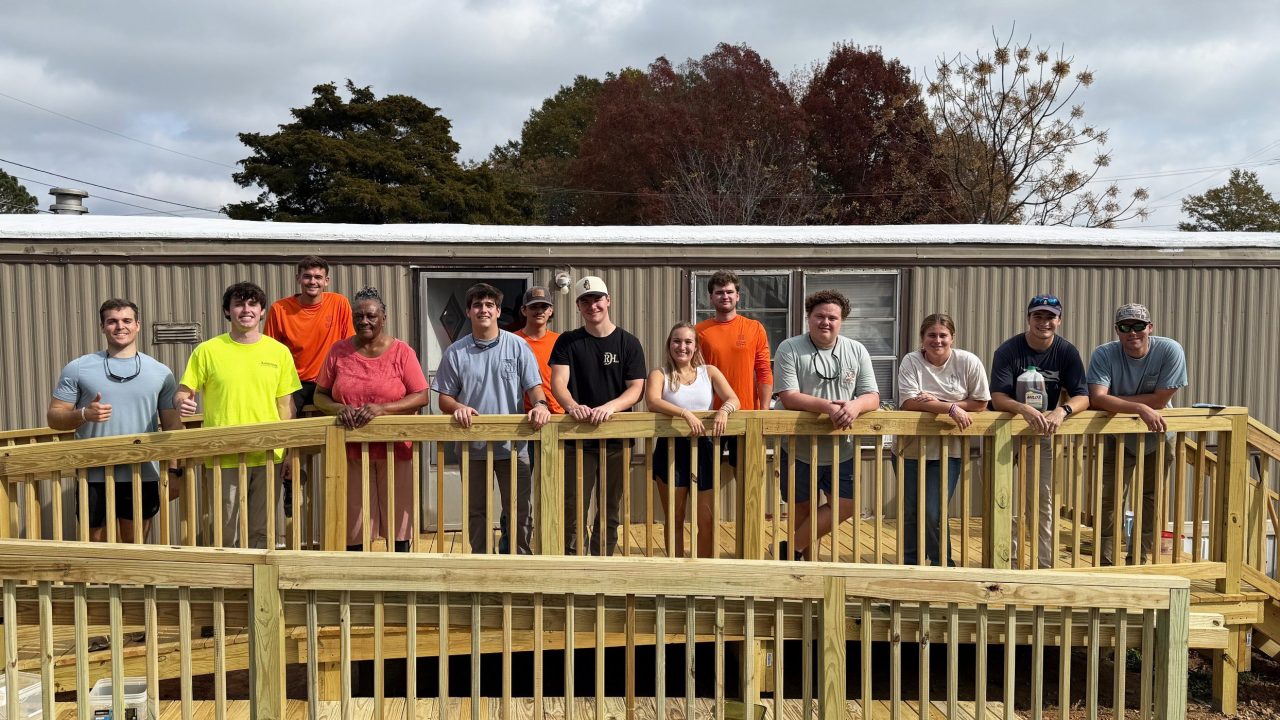
Continuing to serve local families, Tucker’s third team collaborated with The Way 2 Serve, building a new front porch with a handicap ramp and new back porch with a landing and stairs for an Opelika resident. The crew also tarred and sealed the roof of her mobile home and flashed the window units.
Associate Professor Darren Olsen coordinated service projects with both Habitat for Humanity and The Way 2 Serve, leading teams through residential construction and roof replacement processes.
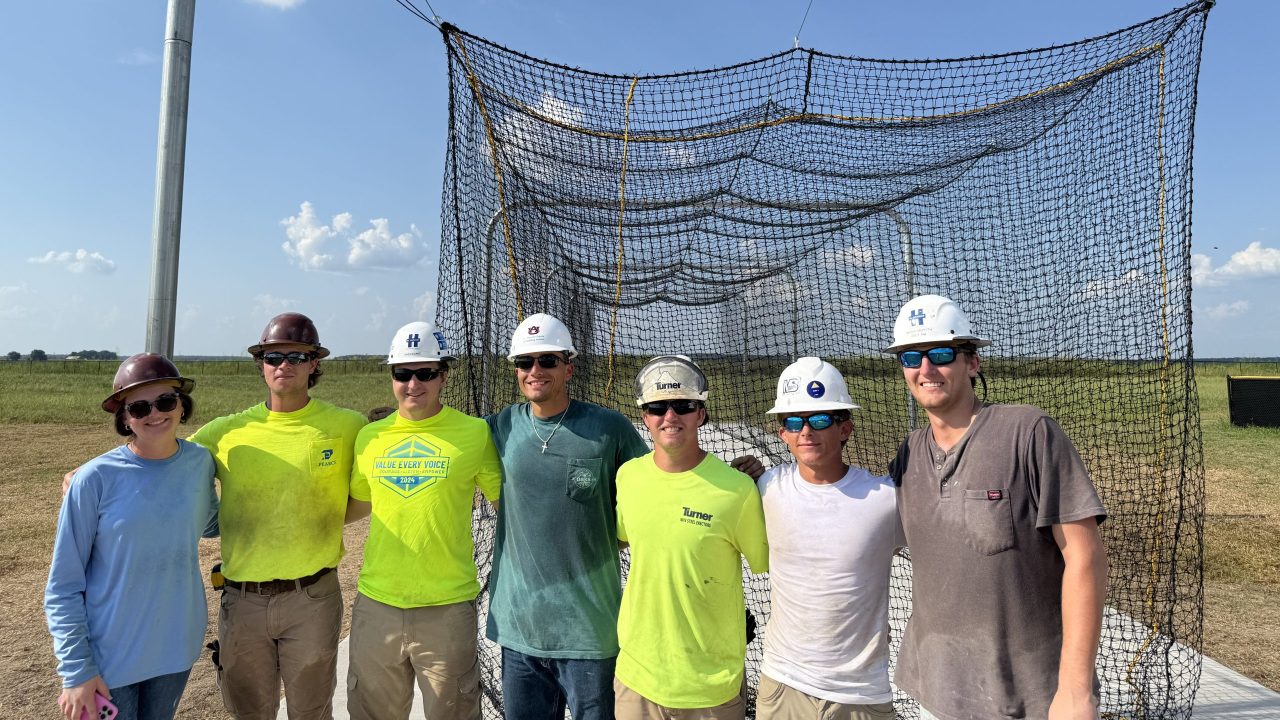
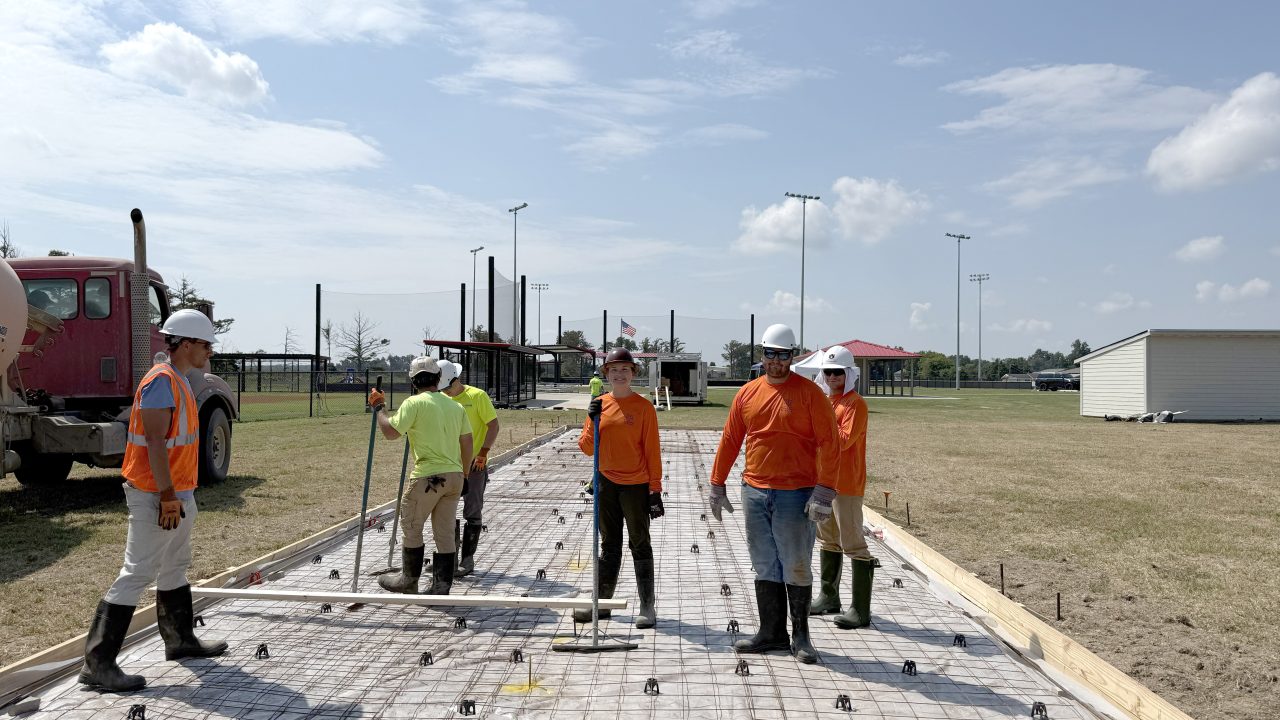
Senior Lecturer Hunter McGonagill took a team to Jonestown, Miss., where BSCI students gained onsite experience constructing baseball batting cages with BGM Ministries, adding to the recreational complex Auburn students have been helping build for the last few years.
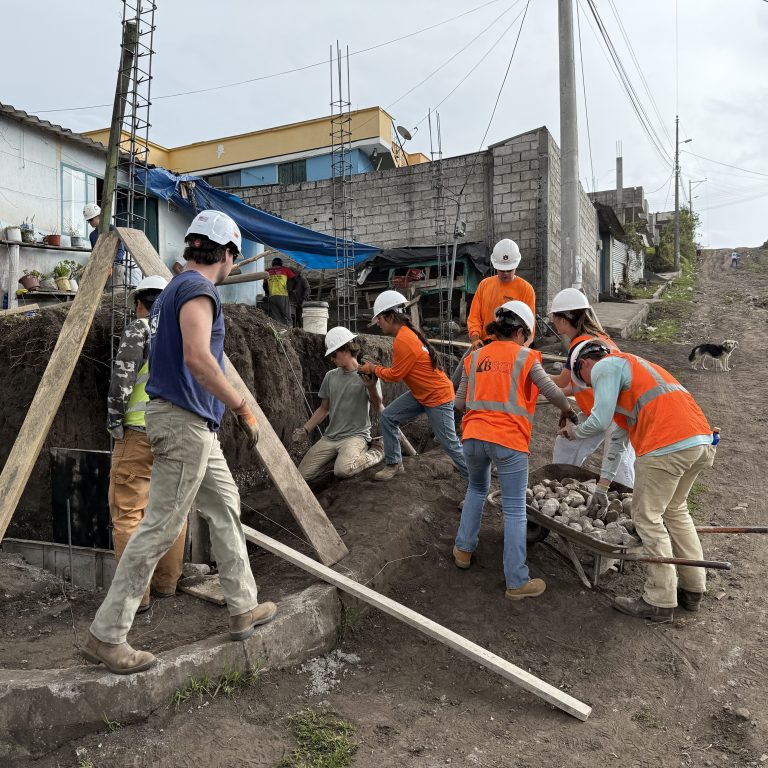
Combining service with travel opportunities, McGonagill and Tucker took two teams to Quito, Ecuador, continuing the School’s ongoing partnership with Servants in Faith & Technology (SIFAT).
“This October marked the first time BSCI has taken two independent teams allowing a record number of students,” McGonagill said. “This increase in student involvement allowed us to work on two projects simultaneously in an underserved community in the south of Quito.”
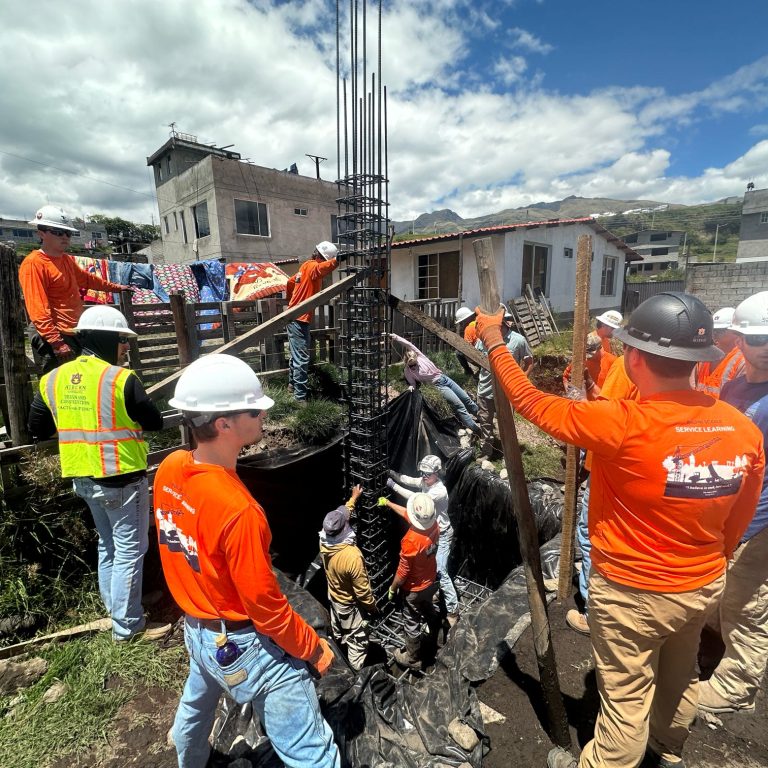
One group helped pour structural concrete for a multi-purpose community center supported by a local church. Utilizing only minimal modern technology, the students poured concrete footings, slabs and columns that met the area’s seismic requirements.
Also working with concrete, rebar and formwork, the other team built retaining walls and ramps that provide a long-standing community member with better access to her home, despite her mobility impairments.
“Our students worked hard and served well,” McGonagill said. “May this life lesson continue as they serve communities all over the nation and the world throughout their careers.”
Related people:
Jonathan Tucker,
Darren Olsen,
Hunter McGonagill