BSCI Researchers Complete Second Digital Scan of Petra
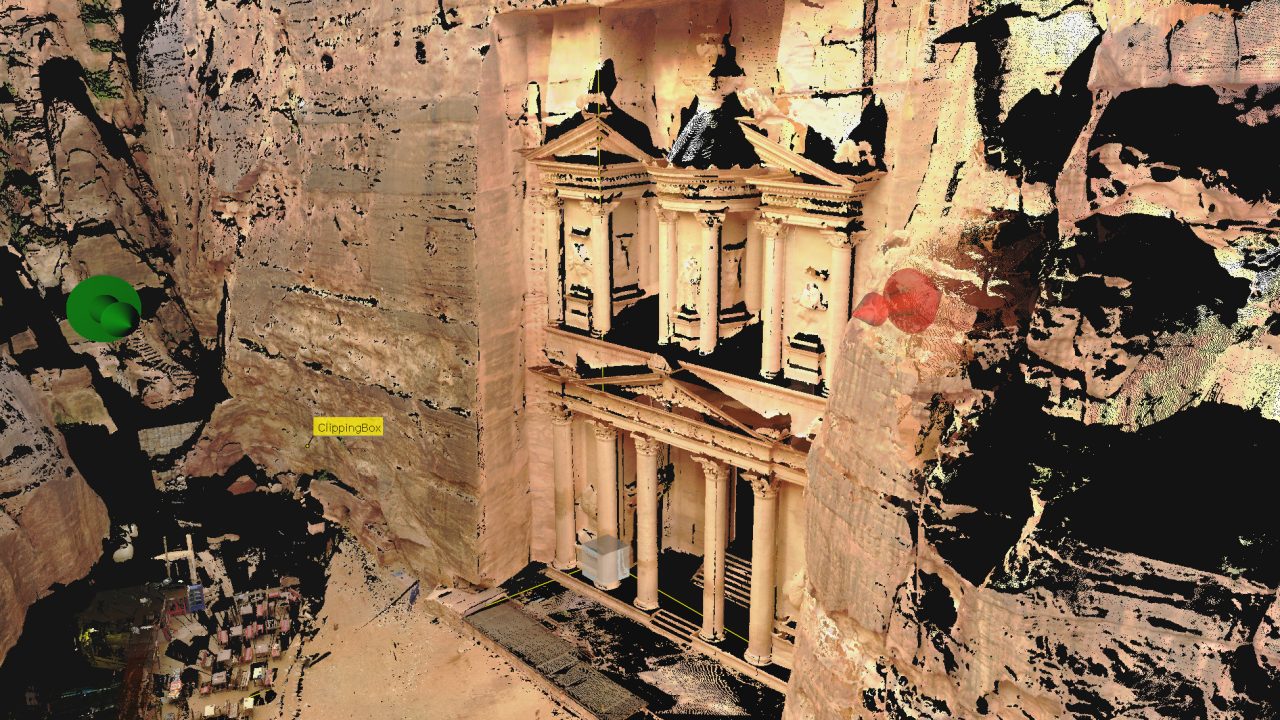
An Auburn professor and doctoral candidate are collaborating with international researchers and authorities to document ancient historical sites in Petra, Jordan.
Junshan Liu, a professor in the McWhorter School of Building Science (BSCI), and doctoral candidate Shadi Alathemneh are helping create guidelines for sustainable tourism at the UNESCO World Heritage site .
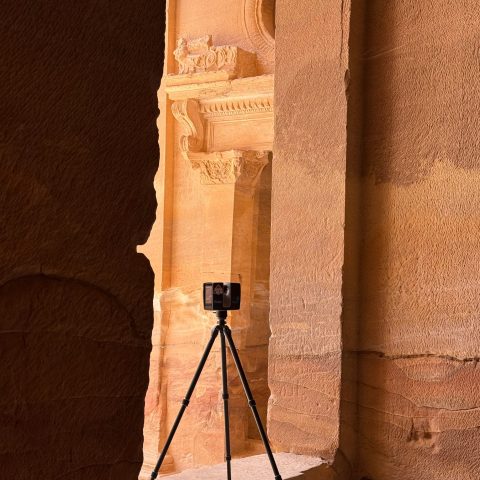
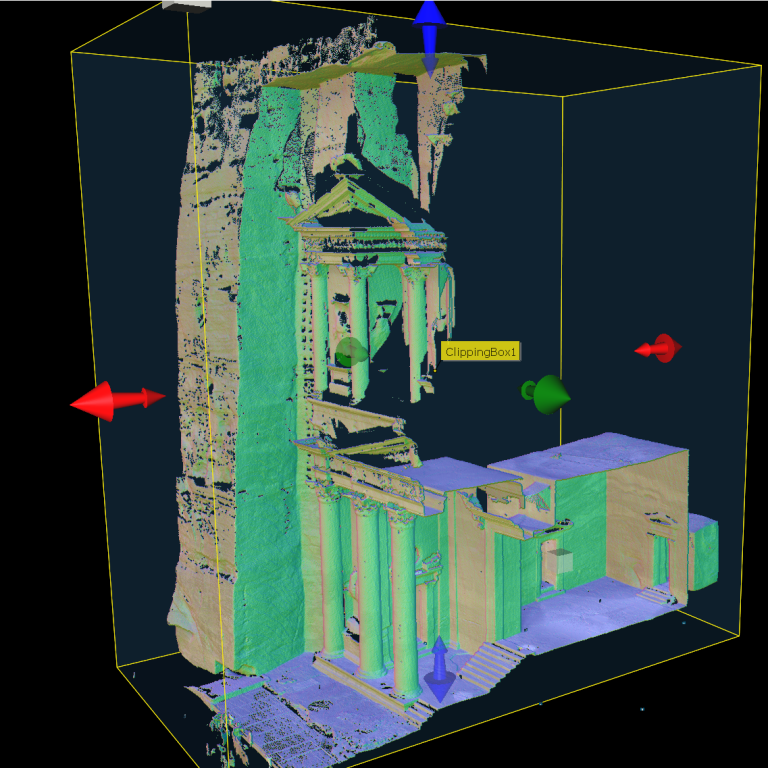
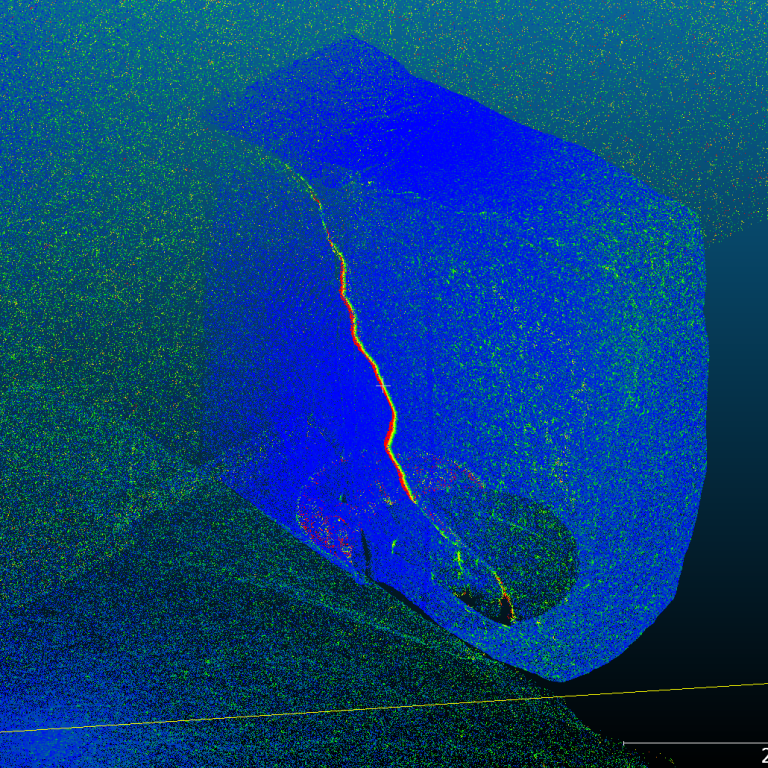
Supported by a 2023 CADC Seed Grant, the project uses Light Detection and Ranging (LiDAR) technology that can detect changes as small as 2 millimeters. The international team’s goal is to create a comprehensive digital archive of Petra’s existing structures, serving both as a preservation asset and as a resource for the Petra Development and Tourism Region Authority (PDTRA) to develop marketing materials and strategic planning initiatives.
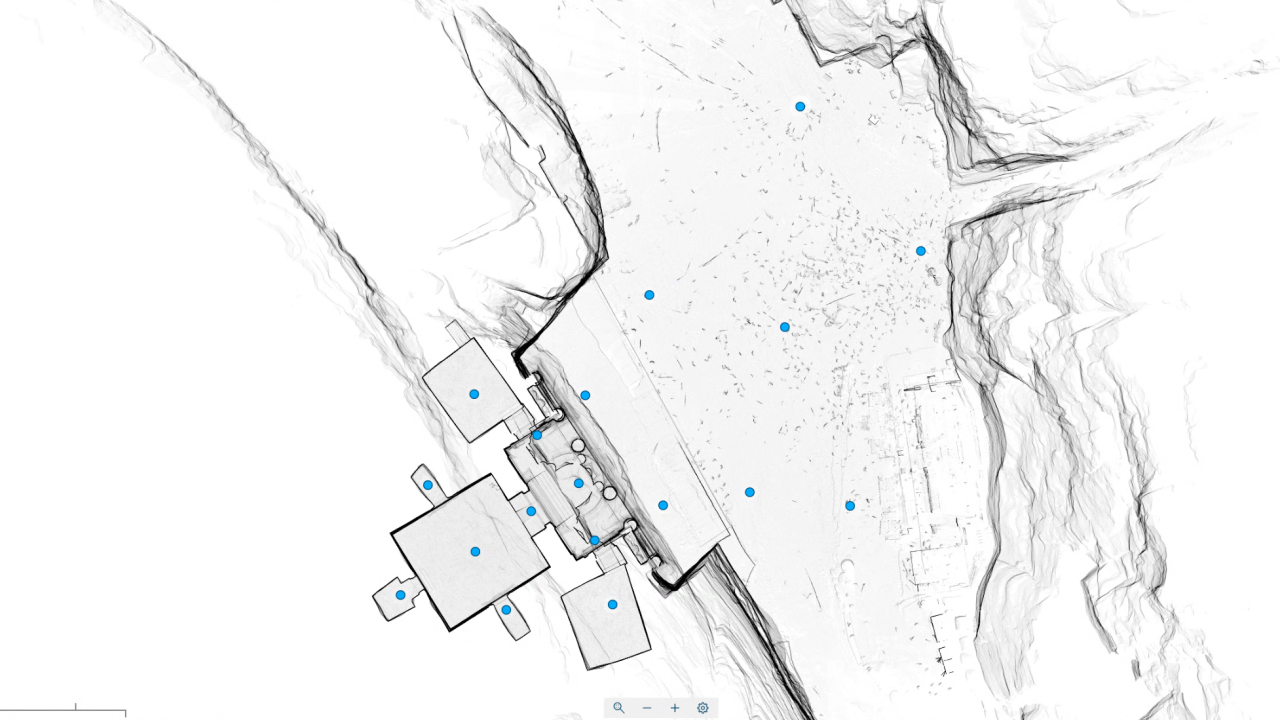
In March 2023, Liu and Alathemneh traveled to Jordan to complete the initial benchmark scans with their research collaborators—former Auburn colleague Danielle Willkens, who is now an Associate Professor of Architecture at the Georgia Institute of Technology, and Dr. María José Viñals, a professor from the Universitat Politècnica de Valencia (UPV) in Spain.
“Working with the Petra government, Georgia Tech and UPV has been key to making this project possible, from helping us access the sites to bringing in new perspectives and local insights,” Liu said. “It strengthens both the cultural relevance and scientific rigor of the project, while also expanding our expertise and validating our methods on a global scale.”
Two years later, Alathemneh, who is a citizen of Jordan, returned to continue the project, capturing changes in the historical site that were made more obvious during the extended duration of the research, with the help of the PDTRA Director of Tourism & Marketing Directorate Sabri Fdool.
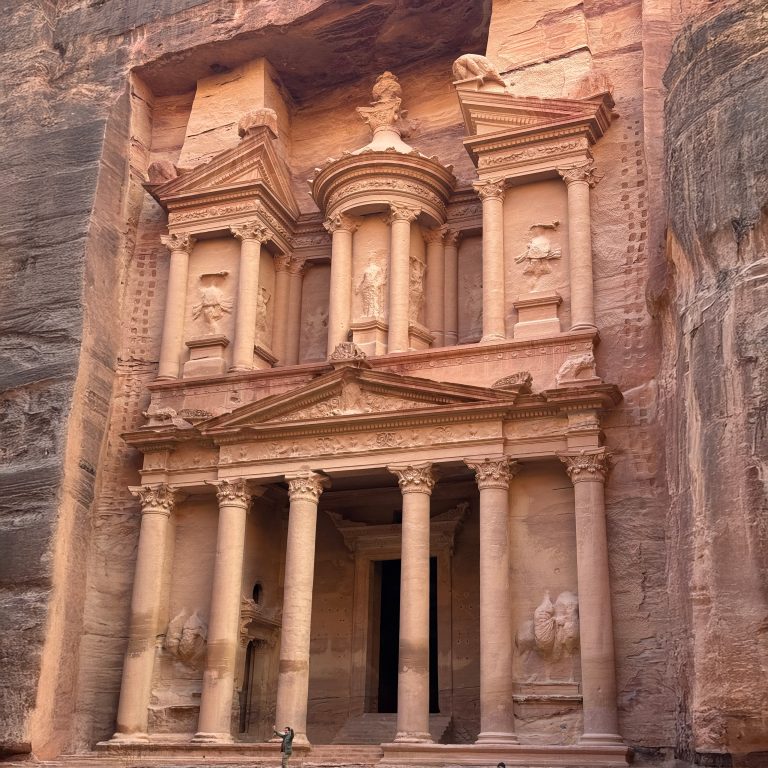
Over five days in May 2025, Alathemneh re-scanned the interior and exterior of the Al-Khazneh, or the Petra Treasury, a monument carved into the red sandstone rockface 2,000 years ago, and the end of the Siq, a 1.2-kilometer gorge flanked by towering rock walls in which the Treasury sits. He also gathered data on the eroding Cattleman statue and Royal Tomb.
The team is currently analyzing the captured data to identify variables and track erosion patterns that the Petra Authority can then use to preserve this and other historic sites.
Slated to be completed by the end of 2025, the analysis will result in three-part data: a point cloud that documents key structures in their current state, a database compiling quantitative weather statistics and tourism activity and qualitative documentation of significant events impacting the site over the years. The resulting information will help create a set of guidelines for sustainable tourism at heritage sites.
“Our work in Petra is helping to build a clearer picture of how tourism and the environment are affecting these incredible UNESCO heritage sites,” Liu said. “The effort will help guide more sustainable preservation strategies and support the responsible development of cultural tourism.”
See more in:
Faculty Collaboration,
Faculty Recognition,
Faculty Work,
Research,
Staff Recognition,
Student Experience,
Student Recognition,
Student Work
Related people:
Junshan Liu