BSCI Faculty Integrate Artificial Intelligence in Teaching
Artificial intelligence (AI) is steadily reshaping the construction industry, and the McWhorter School of Building Science (BSCI) is ensuring students are prepared to enter a workforce where AI-enabled tools are quickly becoming standard practice.
Over the past few years, faculty have begun integrating AI platforms directly into coursework, giving students hands-on experience with emerging technologies.
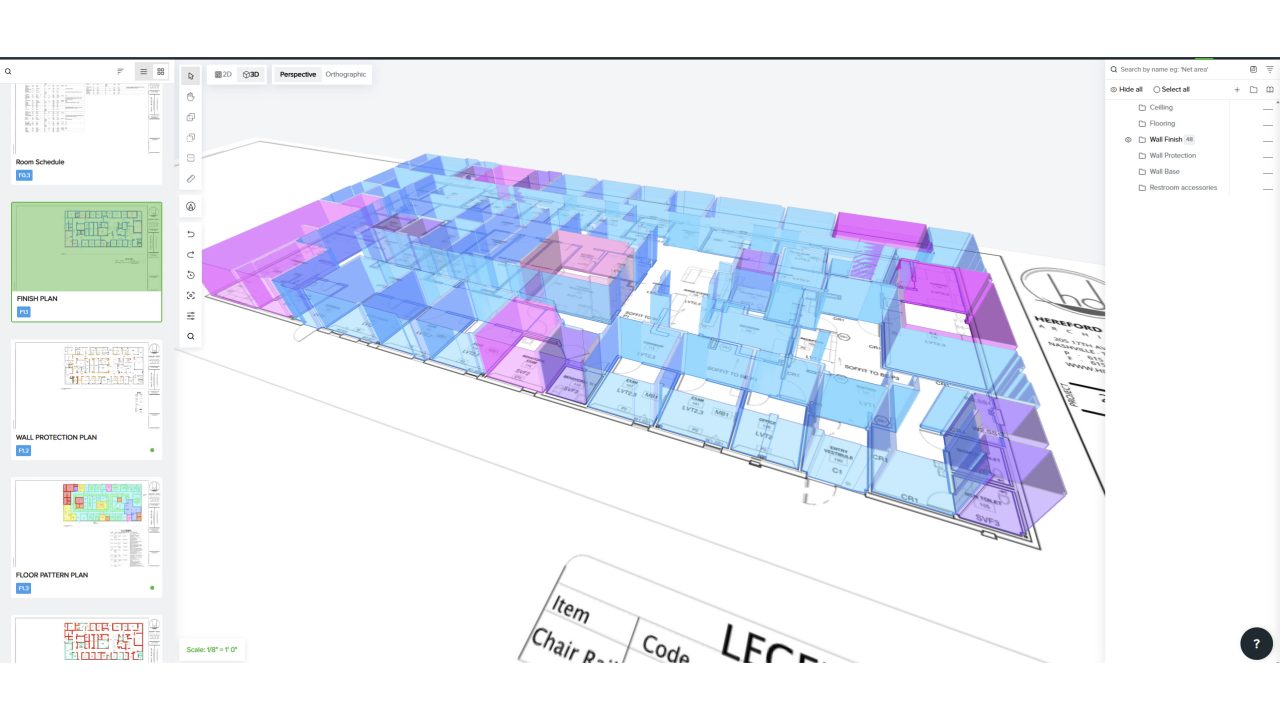
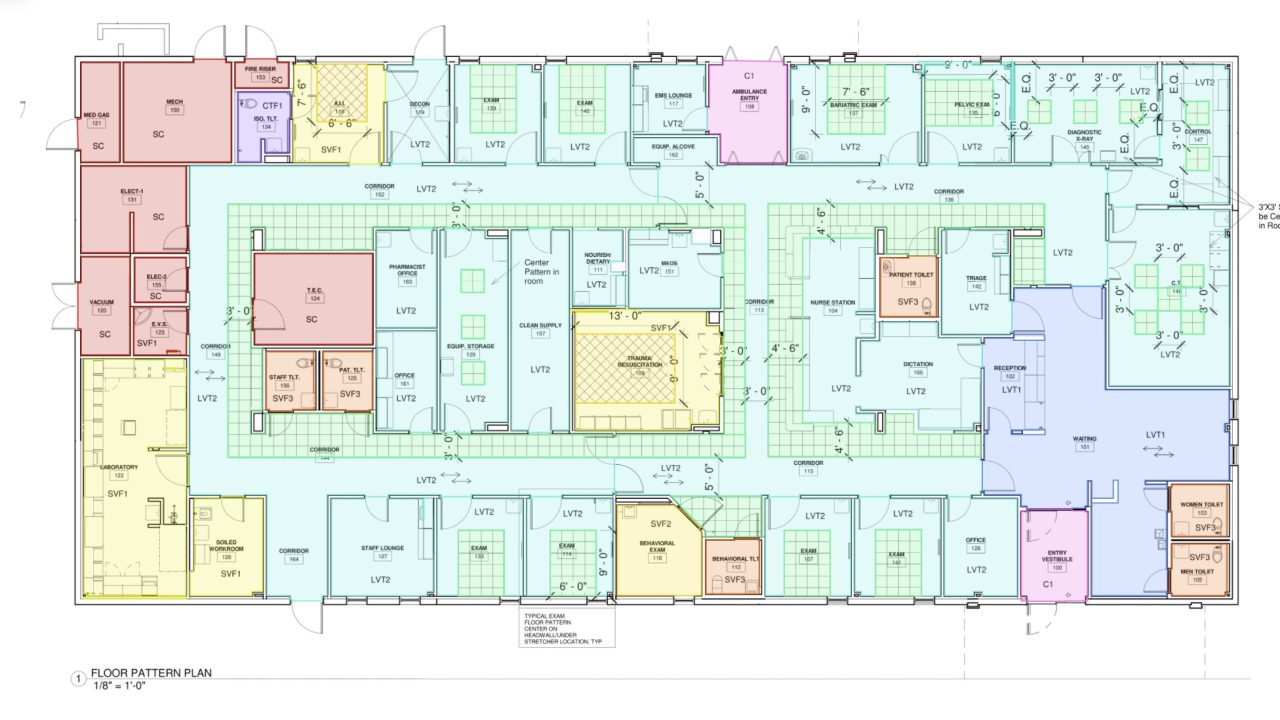
In Preconstruction courses, Togal.AI introduces students to automated quantity takeoff, a task traditionally performed by manually measuring and tracing building elements from two-dimensional plans. While students still learn the fundamentals by completing takeoffs manually, they also see how Togal.AI can instantly generate area and linear calculations. The comparison helps them evaluate not only speed and efficiency, but also accuracy and limitations.
“AI isn’t a magic estimating or scheduling button,” BSCI Associate Professor Wes Collins said. “It’s not going to replace the human brain, but it will automate tasks.”
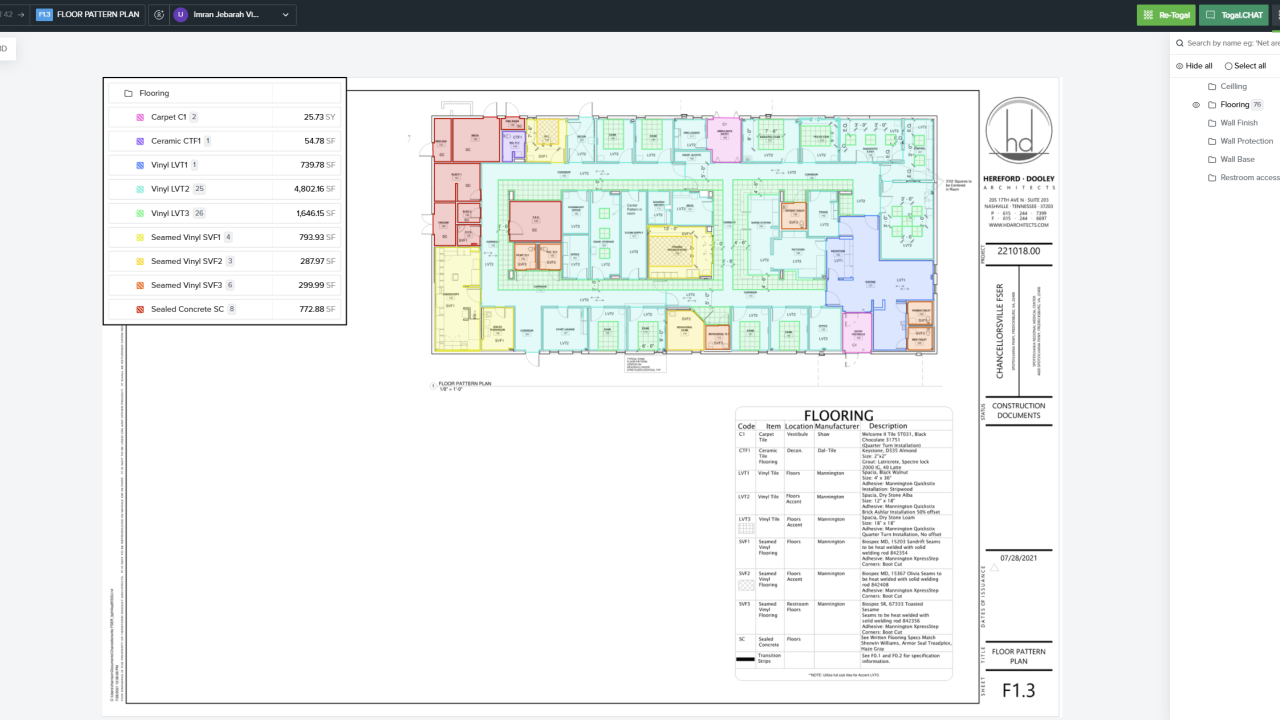
Students learn to use AI to its fullest potential while developing the judgment required to verify its results.
Microsoft Copilot offers another layer of analytical power. In contract and financial analysis exercises, students upload multiple contract types and ask Copilot to align clauses, compare terms and assist with financial calculations. The tool helps them recognize patterns across documents and understand how industry practitioners use AI to save time on complex reviews.
Yet it also demonstrates an important lesson: AI can be “confidently inaccurate,” Collins said, making foundational knowledge and verification essential.
Other faculty are exploring AI’s applications across the curriculum. In the Preconstruction and Project Management course, Assistant Professor Ken Sands and Lecturer Alex Adolf have incorporated Document Crunch, which allows students to analyze lengthy specification documents or project manuals and quickly locate key information.
“Think of it as ChatGPT for a specific document that doesn’t find solutions to questions beyond the document,” Sands explained. “The benefits include compliance assurance with owner and legal requirements of the project. It protects confidential project information since you don’t have to upload it to platforms such as ChatGPT.”
Meanwhile, Senior Lecturer Drew Yantis is experimenting with Grammarly and Google Notebook LM for drafting and research support in Communications courses.
Graduate research extends AI’s role even further.
Doctoral candidate Shadi Alathamneh has been working custom chatbots through Copilot Studio, including a virtual teaching assistant built from years of lecture transcripts and an asynchronous chatbot that teaches students how to use Assemble, a BIM-related software. These tools allow students to ask questions on demand, learn software step-by-step and receive guidance rooted in the exact approaches used in class—rather than the generalized or unverified explanations produced by public AI platforms.
In addition to classroom learning, the Construction Automation, Robotics & Visualization (CARV) Laboratory tests AI to solve some of the most challenging problems in the construction industry through automation, robotics, computer vision and machine learning.
By engaging with AI critically—not as a shortcut, but as a complement to their technical foundation—BSCI students are gaining the fluency, adaptability and confidence they’ll need in the future of the construction industry.
See more in:
Faculty Recognition,
Student Experience
Related people:
Wesley Collins,
Kenneth Sands,
Alexander Adolf,
Drew Yantis