BSCI Executive Master’s Student Translates Lessons into Teamwork

With years in the industry, Building Science graduate student Oscar Miguel Pagan-Santana believes construction management is far more than schedules and budgets.
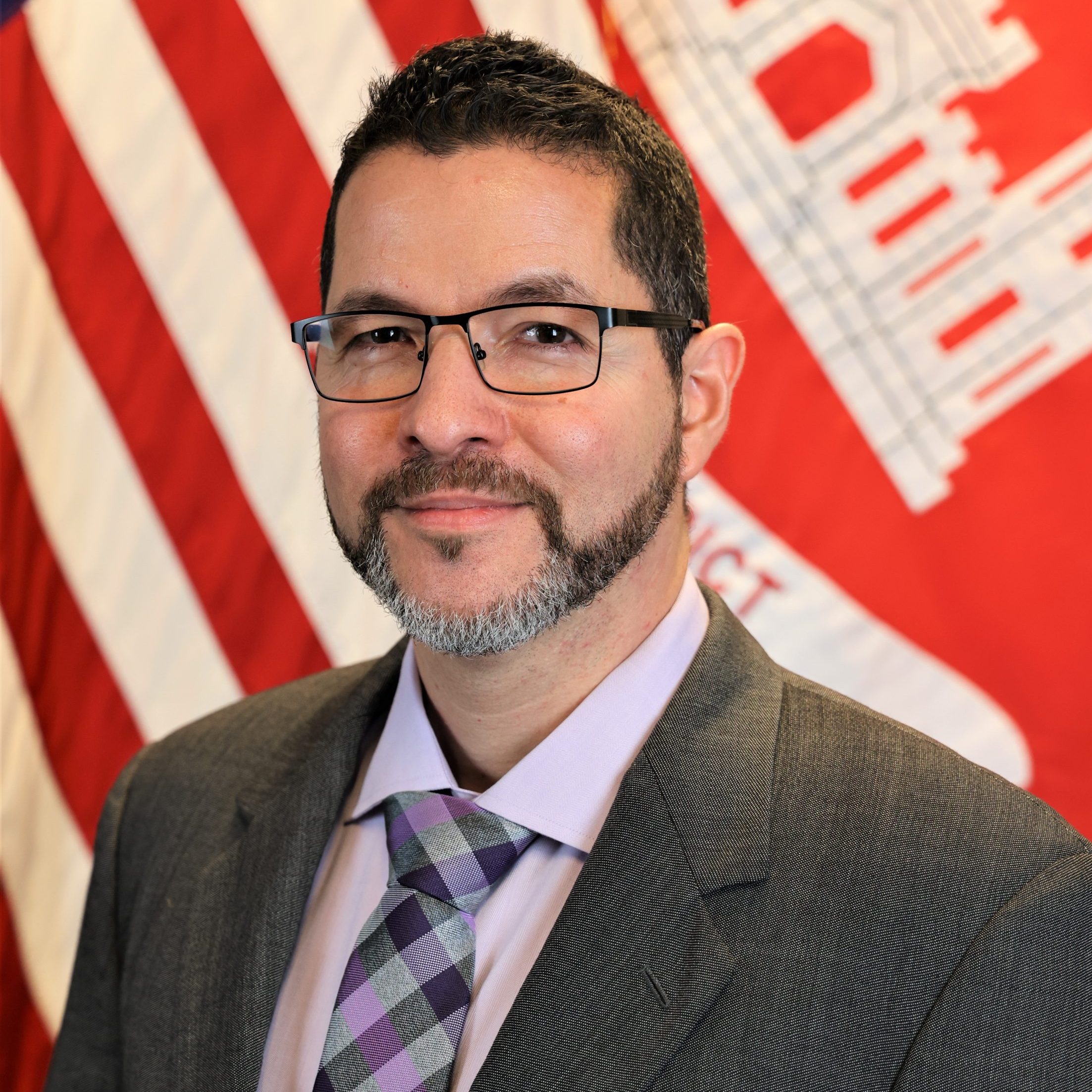
After more than two decades with the U.S. Army Corps of Engineers (USACE), he understands how early decisions in planning, estimating and contract administration shape a project’s success long before construction begins. That mindset led him to pursue the Executive Certificates program in the McWhorter School of Building Science (BSCI), where he is strengthening the leadership and technical skills that have defined his distinguished career.
Studying remotely from Florida, Pagan-Santana completed the both the Executive Certificate in Construction Management and the Executive Technical Certificate in Construction Management in 2025. He is working on his third certificate—Integrated Processes in Construction Management—this summer.
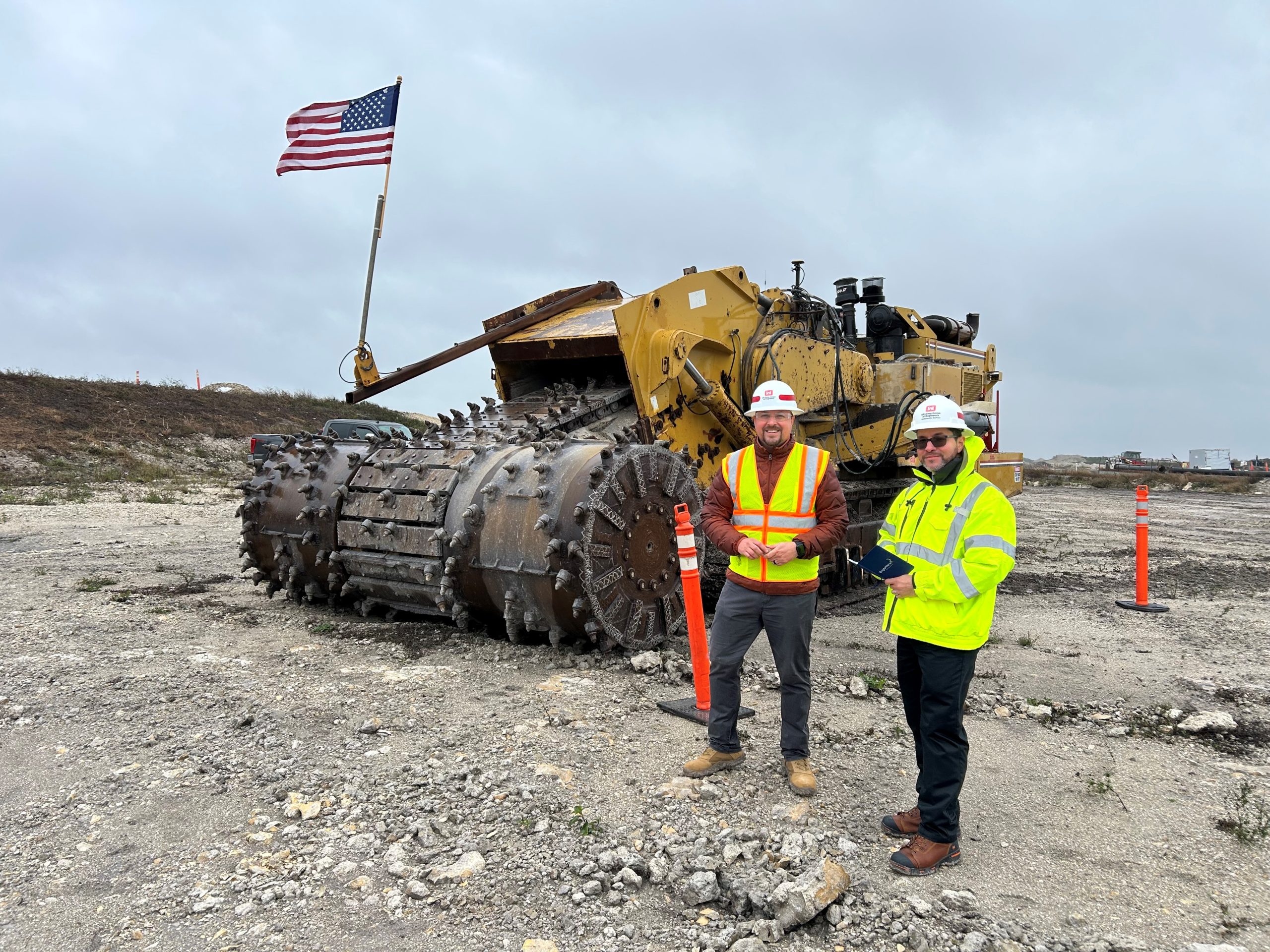
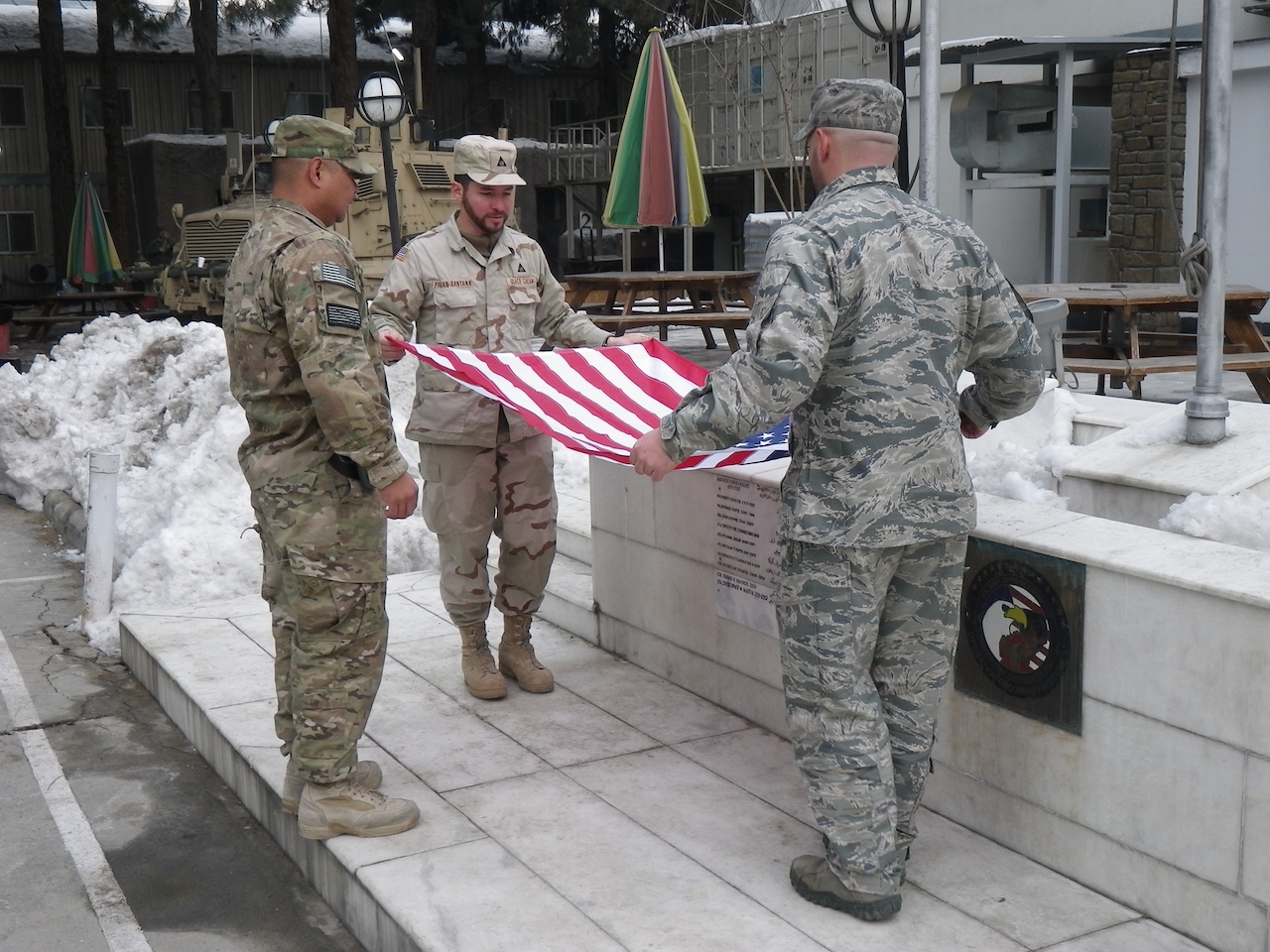
Pagan-Santana serves as a supervisory civil engineer and Construction Management Branch Chief for the USACE Jacksonville District, overseeing construction management services for more than 95 civil works, military and international projects. His career has taken him across the United States and overseas, including assignments supporting military construction in Afghanistan and Europe. Along the way, he has earned recognition for his leadership, including the 2024 Engineer of the Year award and the 2025 Quality Professional of the Year runner-up honor.
Despite his extensive experience, Pagan-Santana said Auburn’s program offered an opportunity to continue growing as a leader while gaining a stronger understanding of construction from the contractor’s perspective. He was drawn to the executive format because it connects academic rigor with real-world construction practice for working professionals.
“One lesson I will carry forward is the importance of asking better questions before decisions become commitments,” Pagan-Santana said. “Construction management is not only about solving problems after they appear; it is about validating assumptions, constraints, risks and relationships early enough to influence the outcome.”
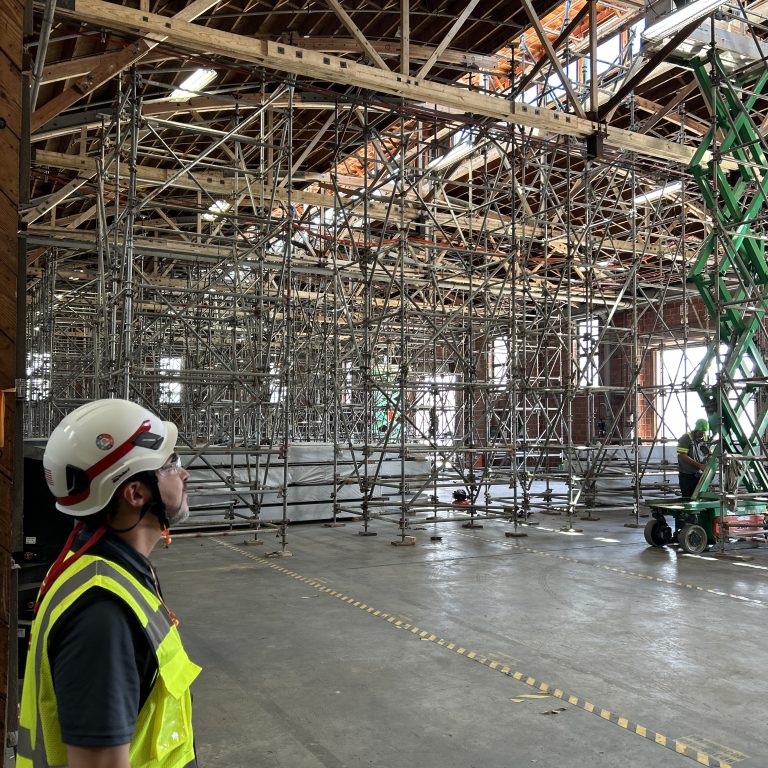

He said coursework in estimating, scheduling, construction law and risk management has strengthened the way he approaches decision-making within the USACE mission. More importantly, the experience has reinforced the value of sharing knowledge with others.
“In my role, the value of graduate education is not limited to my own development,” he said. “It becomes more meaningful when I can translate lessons learned into practical conversations, tools and improvements that help my team and the broader construction management community of practice.”
As he prepares to complete his capstone project and earn his master’s degree later this year, Pagan-Santana remains focused on improving construction management practices and supporting future leaders in the industry. For him, success is measured less by title and more by impact—helping teams make better-informed decisions and deliver stronger public construction projects.
See more in:
Student Experience