ARIA Summer Studio Returns to Birmingham
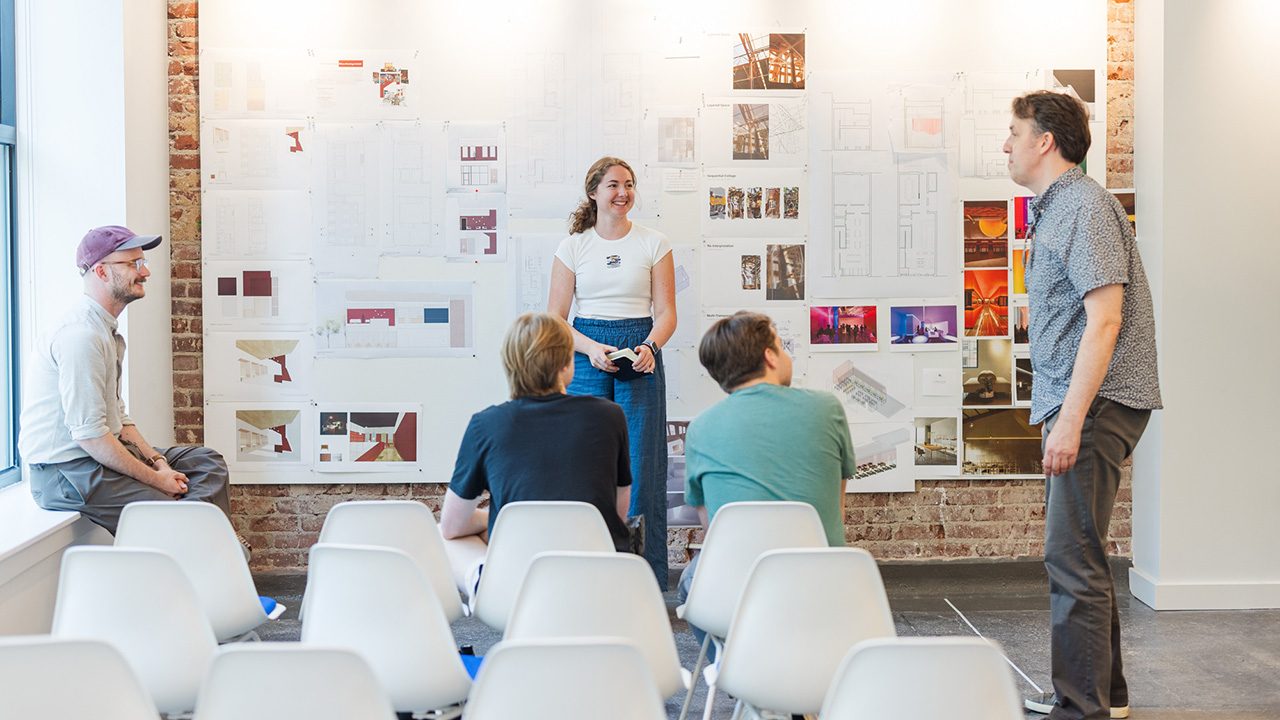
Interior Architecture students made the trip to Auburn in Birmingham this summer to take a deeper dive into their summer thesis work and research.
By examining restaurants and talking with local architects, students had the opportunity to experience how Birmingham’s restaurant interiors create different atmospheres. Then, they interpreted these experiences in designs of their own.
The 2025 summer thesis, Constructing Phenomena, built upon the site and program of last year’s projects. Students returned to the site, a vacant building adjacent to the historic Carver Theatre for the Performing Arts, to imagine what the building would look like as a restaurant.
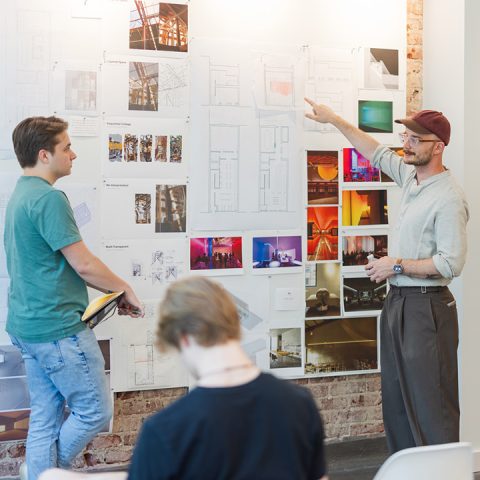
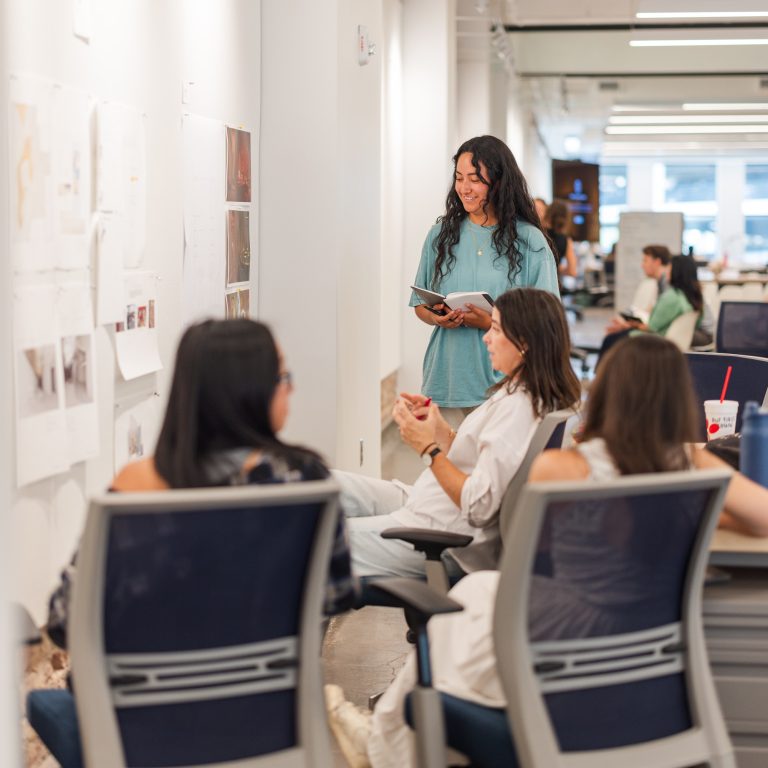
“Last year we proved studying the design of restaurants in Birmingham is amazingly productive,” Associate Professor Kevin Moore explained. “We decided a site considered common ground for everyone from local residents to international tourists would be a rewarding challenge.”
“The Civil Rights District is such a place,” he continued. “The revitalization of the Carver Theatre, the A.G. Gaston Motel and the property we are studying means the site has changed since last year.”
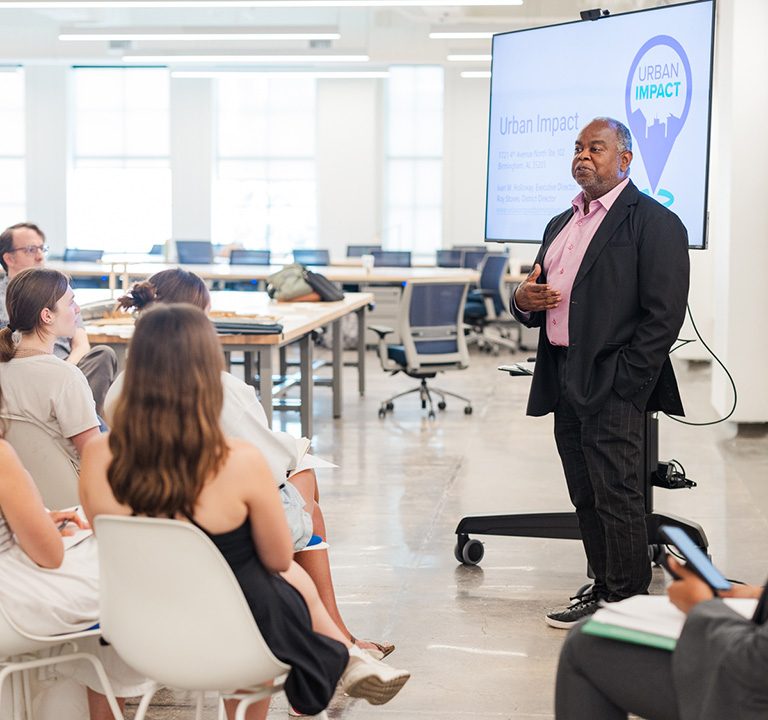
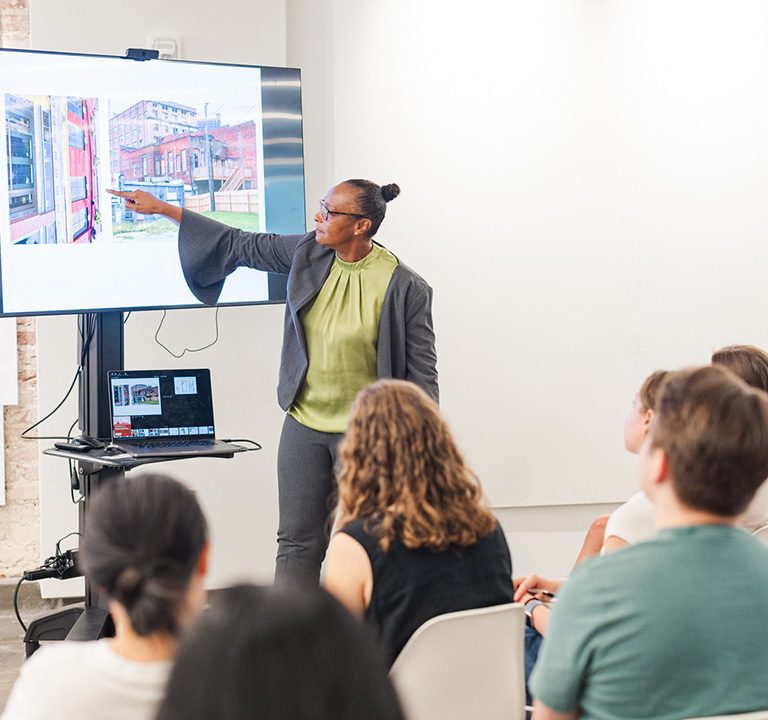
Once again Moore worked with Nolanda Hatcher of Studio 2H Design to showcase an adaptive reuse project. Hatcher, along with Roy Stoves from Urban Impact, Inc., gave a presentation on the site on the day students arrived in Birmingham. Later that afternoon, the group toured the historic Linn-Henley Research Library—completed in 1927 by Miller & Martin Architects—with archivist Catherine Oseas.
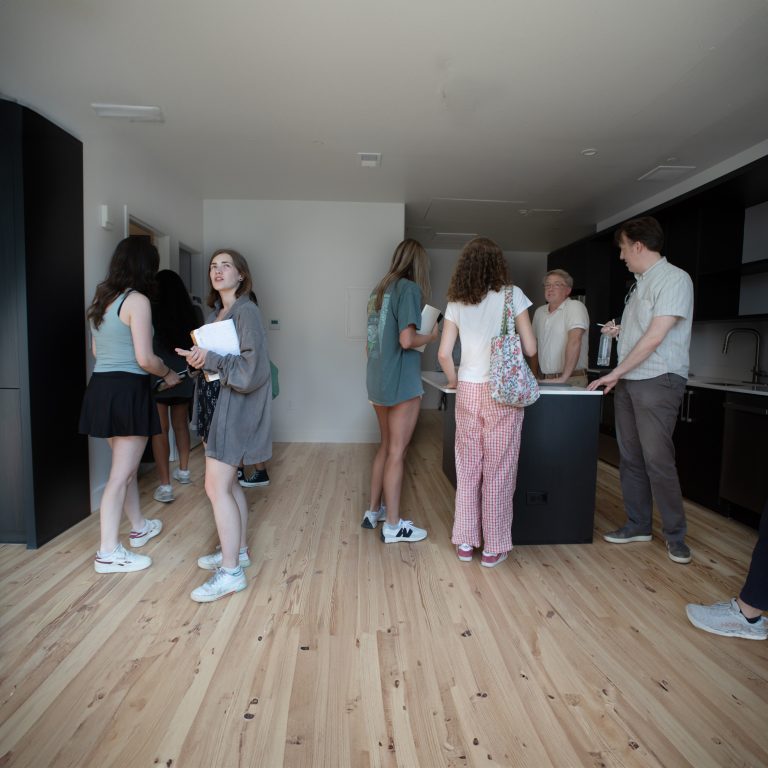
Students also visited The William, a recently renovated historic building near the Urban Studio. The William will be the new home of Carrigan’s, a popular eatery currently located on Morris Avenue, and will feature residential space—including apartments for Auburn architecture students coming to Auburn in Birmingham for their third and fifth years at Urban Studio. This thesis studio gave students the opportunity to get creative with adaptive reuse projects that conserve resources while adjusting to an existing social landscape. While they will likely contribute to and design new structures after graduation, exploring how layering novel futures with revealed histories shows students how these projects add depth to the built environment.
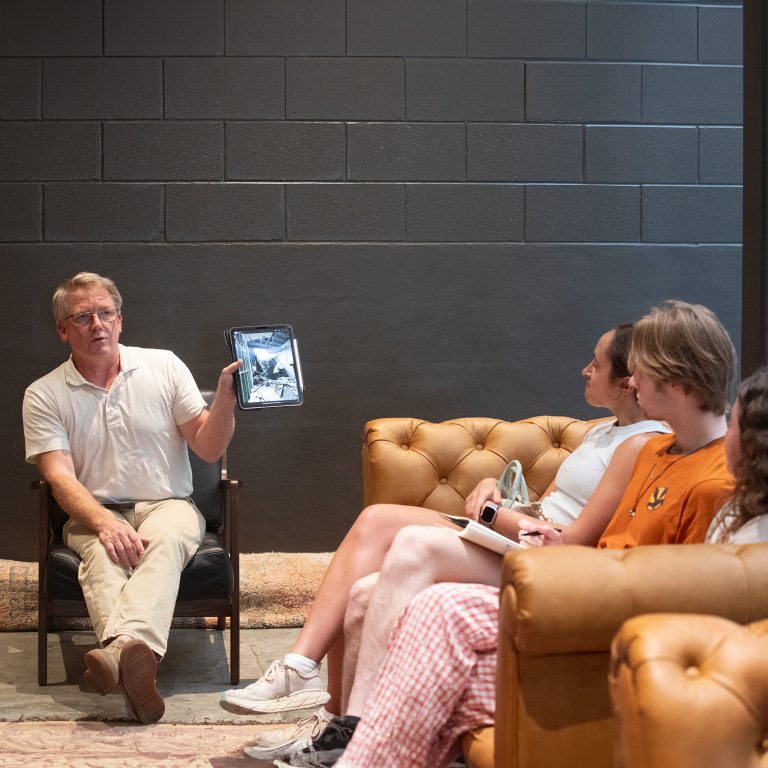
The studio incorporated two review sessions with local professionals to provide feedback during the design process, exposing students to new perspectives and sharing real-world experiences. From being guided to consider door styles and layering rooms on the rear patio to creating cohesive design programs and using color changes to differentiate spaces, the students were able to address the feedback and have conversations about what, how and why different elements will work better in their designs.
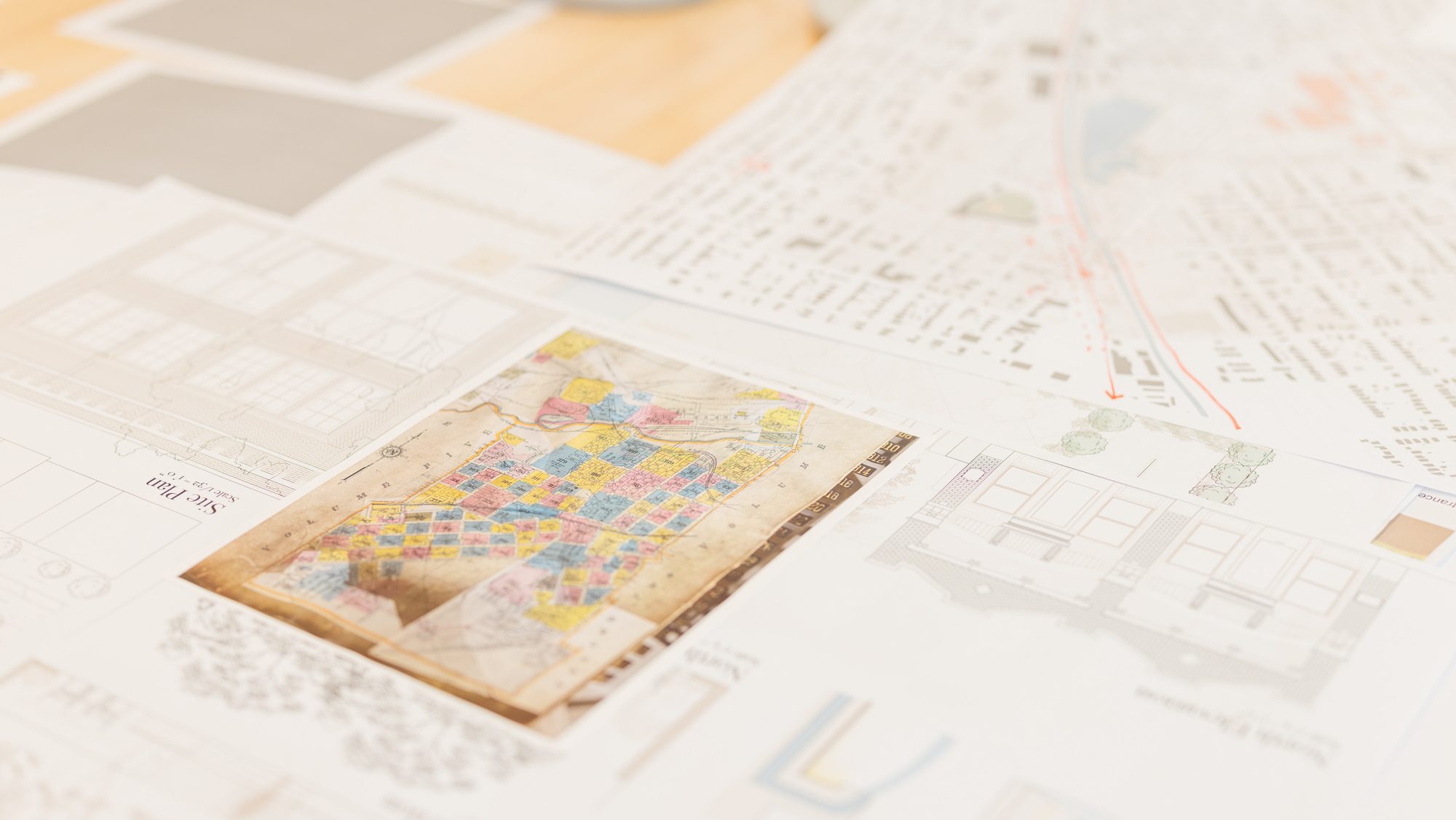
“Presenting to professionals beyond the classroom gives students valuable experience in articulating their design goals through well-crafted visual materials,” Moore said. “This process sharpens essential communication skills and helps them learn how to make a compelling argument while remaining receptive to visual critique—an important balance for success in the design profession.”
Bringing in local architects also means bringing in local alumni. Not only do students receive professional feedback, they have an opportunity to talk with Auburn alums who have “been there” and understand the program. It also gives local alumni involvement opportunities with their alma mater.
Special thanks to everyone who joined the ARIA students during their summer studio:
ArchitectureWorks: Cindy Coyle, Roger Mainor, Jessica Hughes Bennett ‘08, Bruce Lanier ‘00
David Baker Architects: Amanda Loper ‘05, Cameron Acheson ‘10, Michael Lewandowski ‘15, Christine Thornton
Williams Blackstock Architects: Brittany Foley ‘09, Taylor Christiansen
See more in:
Student Experience,
Student Work,
Urban Studio
Related people:
Alex Krumdieck,
Kevin Moore,
Jennifer Cloe