APLA Team Named Finalist for $50 Million Gulf Futures Challenge
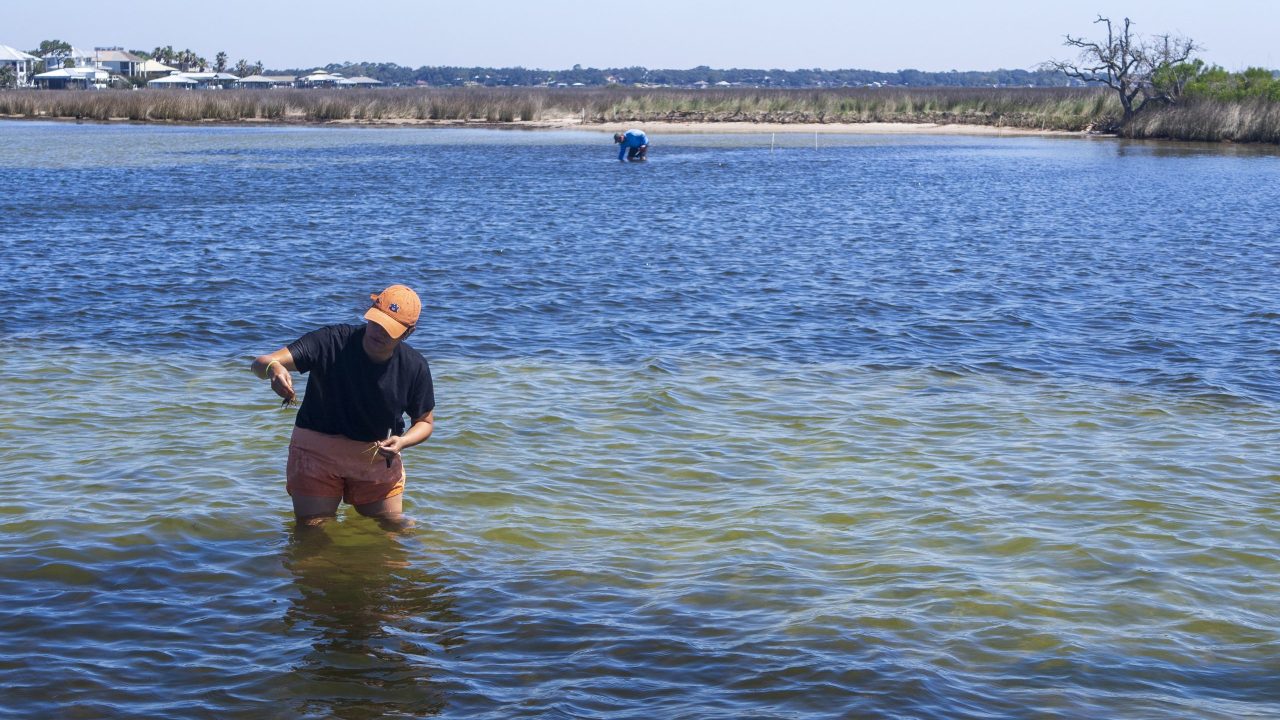
An interdisciplinary team from Auburn University’s School of Architecture, Planning and Landscape Architecture was named by the National Academies of Sciences, Engineering, and Medicine’s (NASEM) Gulf Research Program as one of ten finalists for the $50 million Gulf Futures Challenge.
The Challenge— managed by Lever for Change — aims to leverage the inherent talent and knowledge of the people of the Gulf by supporting ideas and solutions from those who understand the region best.
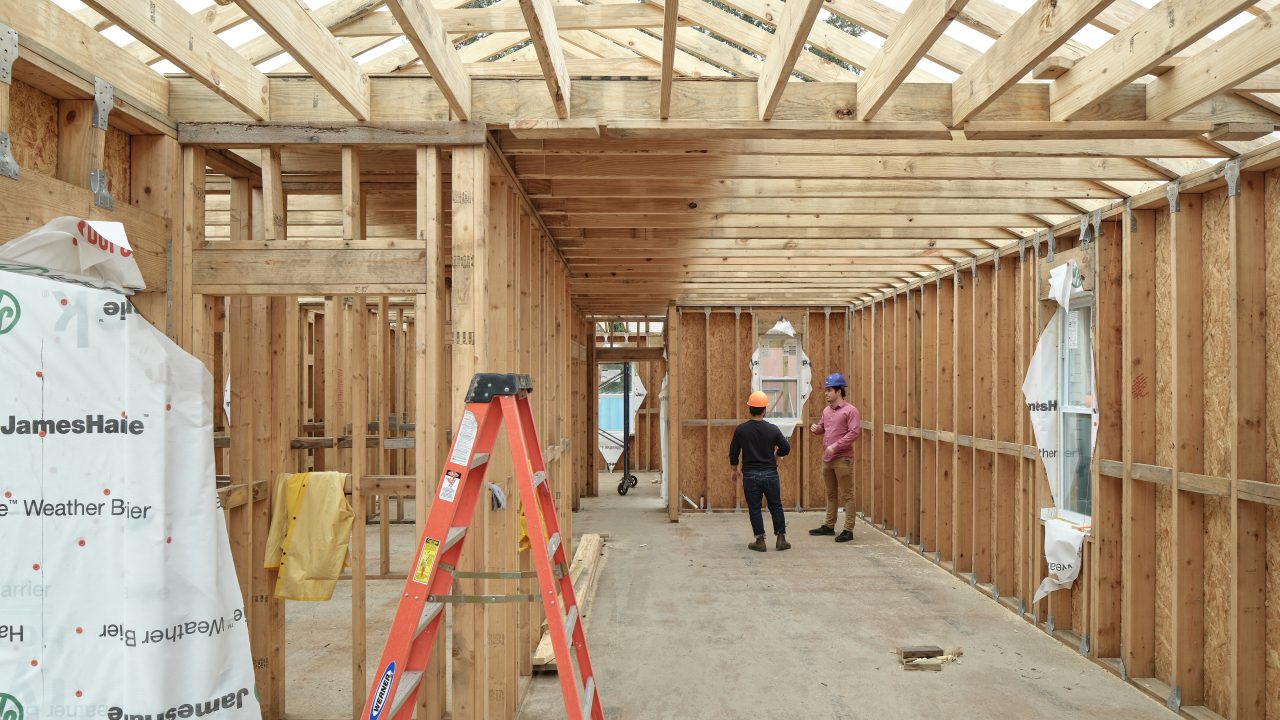
The proposed Auburn project is focused on helping rural, working coast communities to adapt and thrive. The team will develop integrated resilient housing and natural infrastructure for the rural working Gulf Coast by designing and building community-based demonstration projects and creating a scalable adaptation toolkit to promote regional prosperity. The team is being led by Rural Studio and the Landscape Infrastructure Design Lab in partnership with SCAPE Landscape Architecture.
“The Gulf Futures Challenge finalists exemplify the bold thinking and community-rooted innovation needed to navigate the complex transitions facing our environment, economy and public health,” said Lauren Alexander Augustine, Ph.D., executive director of NASEM’s Gulf Research Program. “We are proud to support their efforts and see them continue to build their ideas into action.”
The Gulf Futures Challenge received 164 applications from organizations based in Alabama, Florida, Louisiana, Mississippi and Texas. Each entry was subject to participatory reviews and multiple rigorous evaluations by experts from science, engineering and medicine. The finalists collectively represent all five states along the Gulf Coast and were selected based on four key criteria: whether they were impactful, bridging knowledge to action, innovative and inclusive in their proposed approaches.
Each of the ten finalist teams will receive an initial project development grant of $300,000 and technical assistance to strengthen their proposals. After submitting revised applications, two finalists will be awarded $20 million each to implement their solutions. The remaining eight will be eligible for up to $875,000 in additional project development support.
Rusty Smith, Associate Director of Rural Studio, said, “At Auburn, we’ve learned that the best ideas come from learning, designing and building with communities. Being selected to advance this proposal means we can keep doing what we do best: testing solutions on the ground, learning from our partners and sharing that knowledge so Gulf communities can adapt with confidence.”
Read more about ten finalists in the Gulf Futures Challenge press release.