APLA Alum Dennis Findley ‘81 Elevated to AIA College of Fellows
Auburn alum Dennis Findley ‘81 was elevated the American Institute of Architects (AIA) College of Fellows for his service to society after a long career of disability advocacy.

After graduating at the top of his class from the School of Architecture, Planning and Landscape Architecture (APLA) in 1981 and the Harvard University Graduate School of Design in 1985, Findley began his career with positions at prominent architecture firms in Boston and Washington D.C., gaining experience in commercial, multi-use, historic, educational and cultural design.
But when one of his twin sons was born with critical special needs, Findley opened his own practice where he could work from home in McLean, Virginia and care for his son—starting his path as what he calls the “architect dad.” While raising his family, Findley became increasingly aware of the faulty social programs that limit access and assistance to people with disabilities and turned his attention to advocacy, addressing systematic challenges as he would an architectural problem.
“Auburn taught me to think critically, challenge assumptions and approach complex problems with curiosity and discipline,” Findley said. “Rather than focusing solely on individual symptoms, I sought to understand the underlying systems producing those outcomes and then work to improve them. In many ways, my advocacy work has been an extension of the same problem-solving mindset Auburn helped develop.”

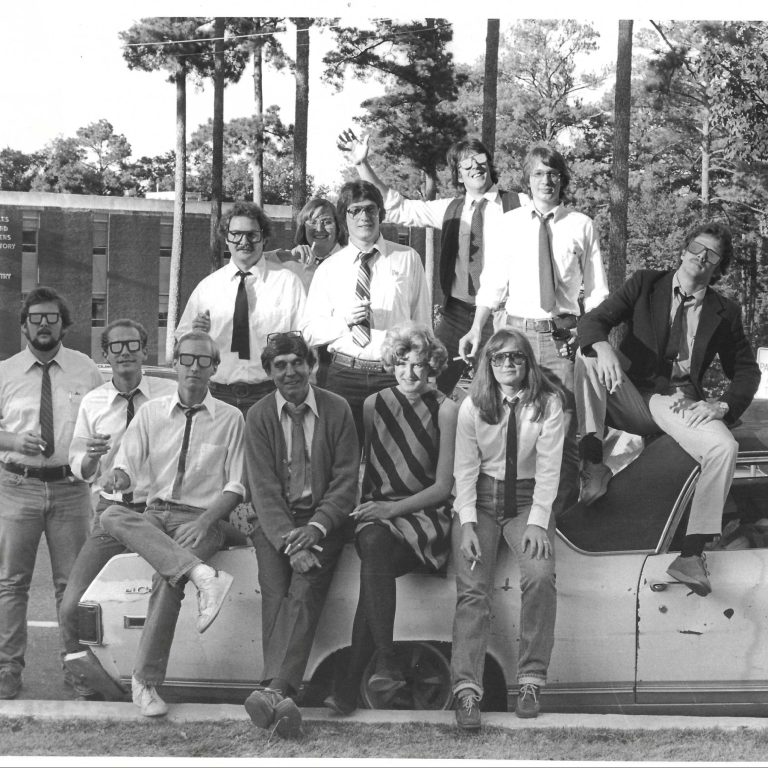
Findley drew on his Auburn education to take a top-down view of systems thinking, working to understand the whole before focusing on individual components, identifying shortfalls and creating human-centered solutions.
He deployed this strategy when helping to redesign Virginia’s development disability waiver system. The $1.2 billion Medicaid waiver organized services into large, inflexible packages, but as the only non-government stakeholder on the team, Findley took a different approach to help the 17,000 families who were affected by the policy.

“I sketched a little girl’s charm bracelet. Each charm represented an individual support or service that could be added or removed based on a person’s unique needs,” he explained. “The idea was simple: supports should be flexible and individualized rather than one-size-fits-all.”
The biggest lesson Findley learned at Auburn was that good designers do not begin with answers; they begin by understanding the problem.
“Whether working as an architect, urban designer, community leader or disability advocate, I have found that lasting solutions rarely come from treating isolated symptoms,” he said. “They come from understanding the broader system and designing thoughtful responses that address root causes rather than surface conditions.”
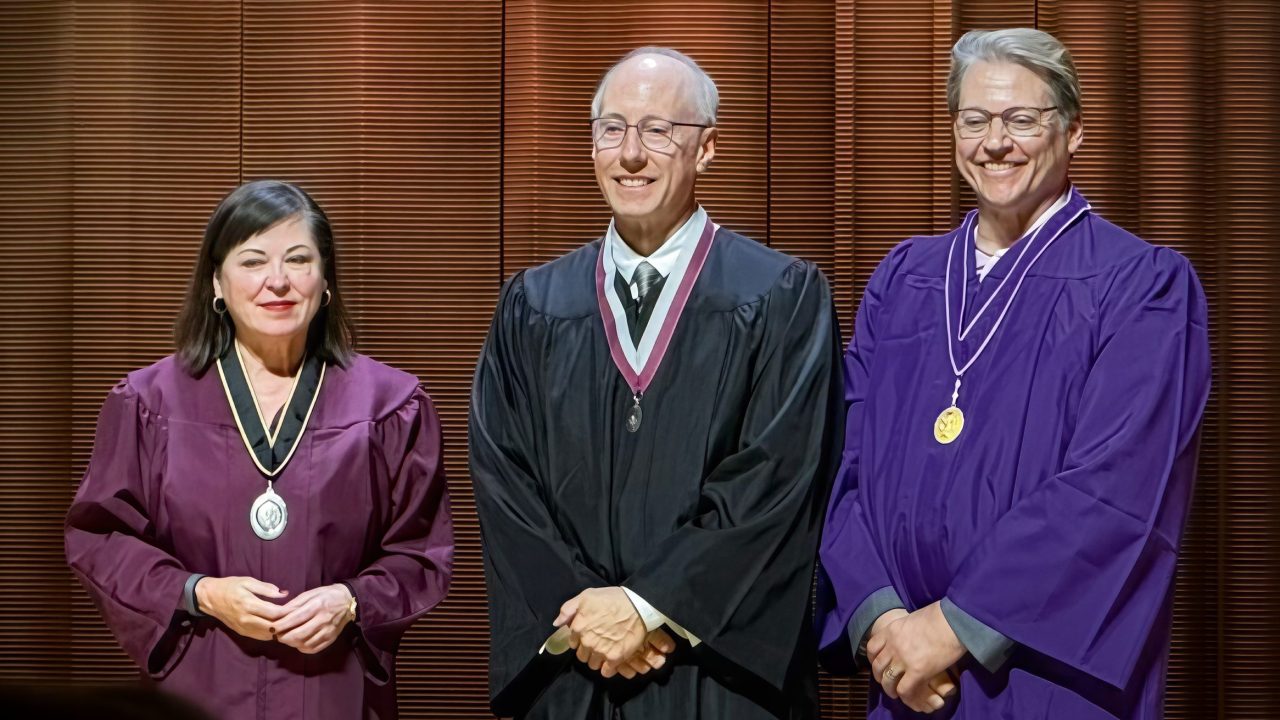
Findley employed this system-first thinking across his design and public service work, chairing the Virginia Board for People with Disabilities, leading legislative efforts to expand opportunities for individuals with disabilities and their families—and even running for Congress in Virginia’s 10th District in 2010 on the campaign “A New Voice for New Times” that championed disability rights and accommodations. In addition to his advocacy work, Findley has designed over 200 professional projects across six continents.
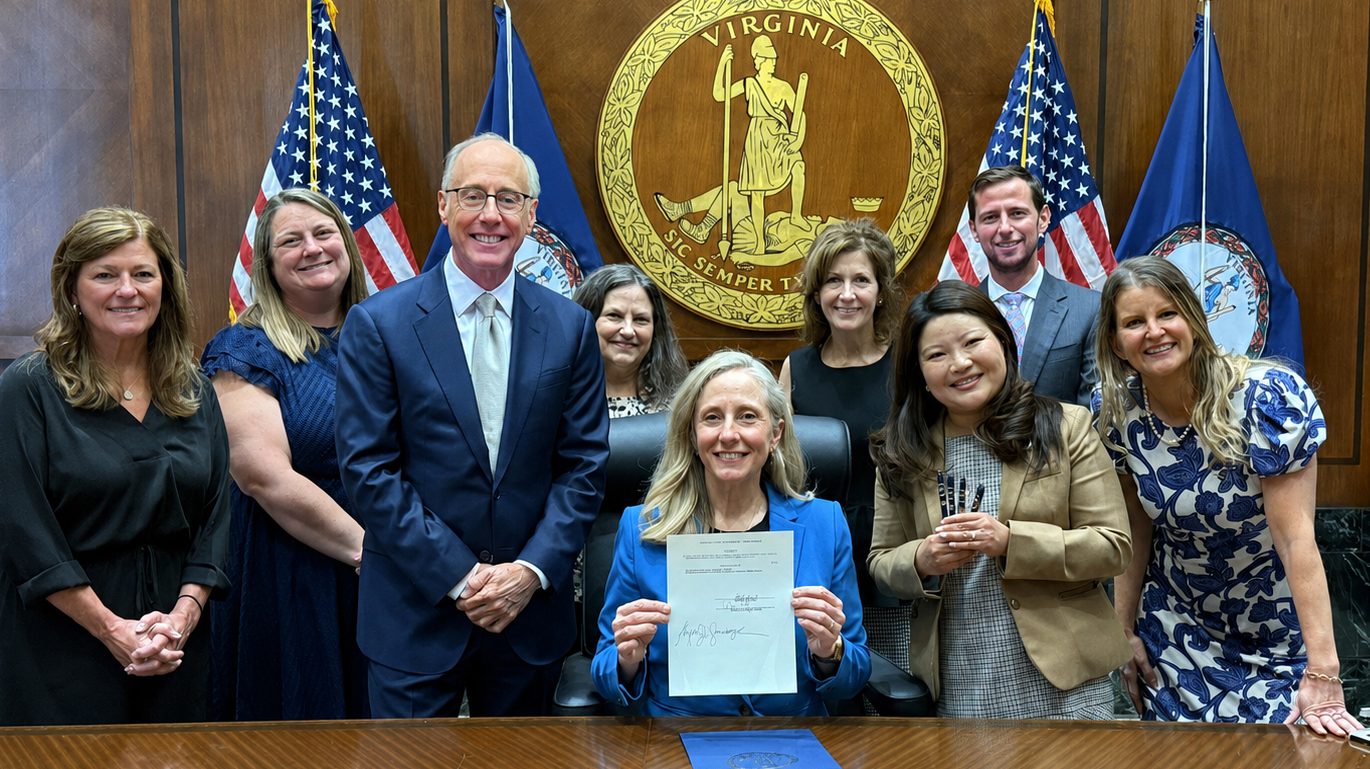
For his contributions, Findley has received the Rusty Garth ‘You Are the Change’ Advocacy Award from The Arc of Northern Virginia in 2024, the Outstanding Service Award for the McLean Community Center Governing Board in 2016 and the ‘Citizen Architect’ Recognition from AIA National in 2009—among many others.
“What makes that work especially meaningful is that its impact extends far beyond any one individual and will continue long after my involvement has ended,” he said. “Architecture has always been about serving people. This work simply expanded my definition of what service through design could mean.”
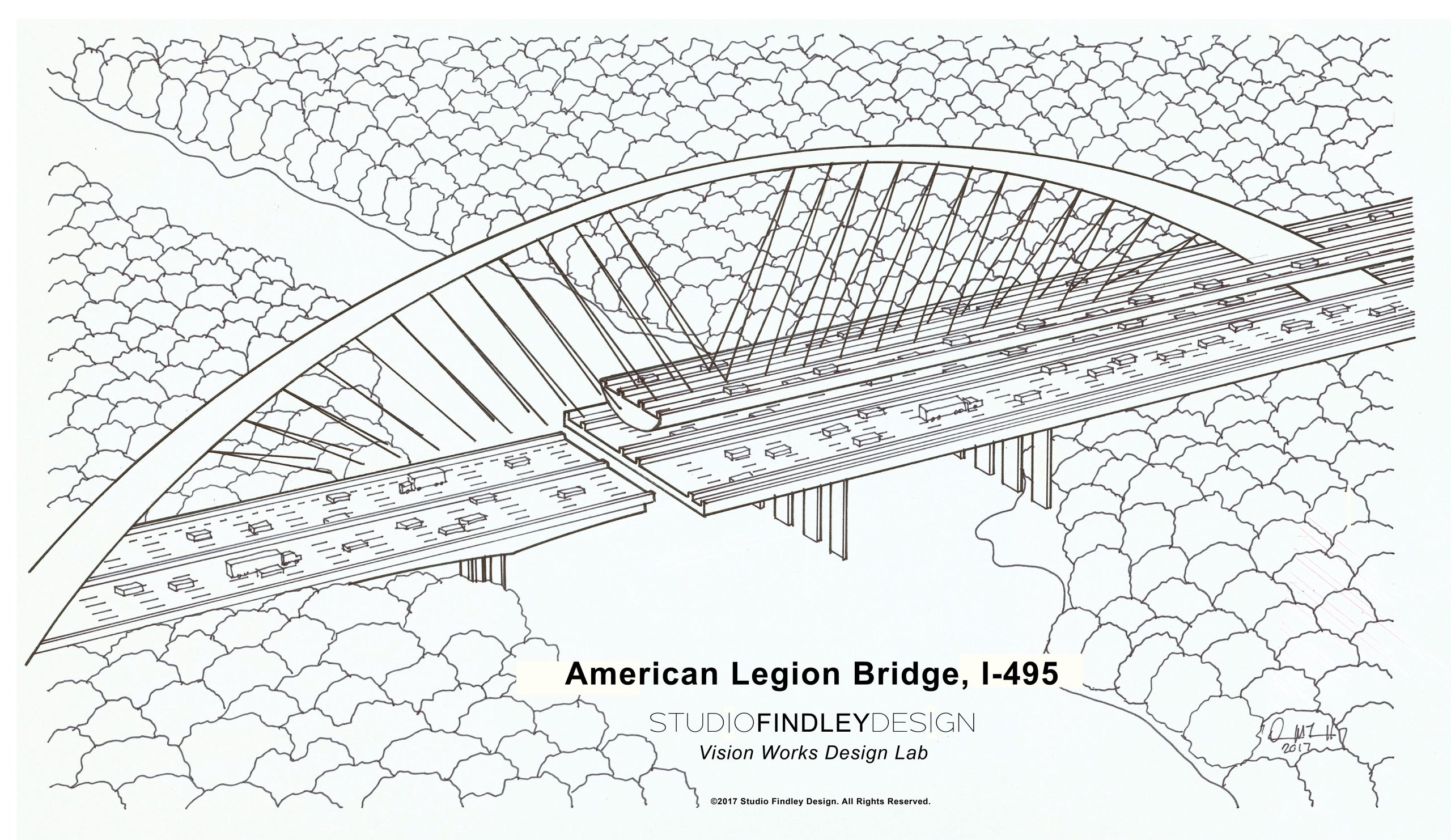
Findley was recommended for Fellowship by former classmate David Hinson, the Associate Dean for Research and Graduate Studies in the College of Architecture, Design and Construction, and sponsored by fellow alum Marlon Blackwell ‘80.
“Elevation to the AIA College of Fellows is especially meaningful because it recognizes that architects can have a profound impact not only through the buildings they create, but also through the systems they improve and the opportunities they create for others,” he said. “I am deeply honored by the recognition, but I also see it as affirmation that an architect’s value is not measured solely by the buildings created. It is also measured by the problems solved, the communities strengthened and the lives improved along the way.”
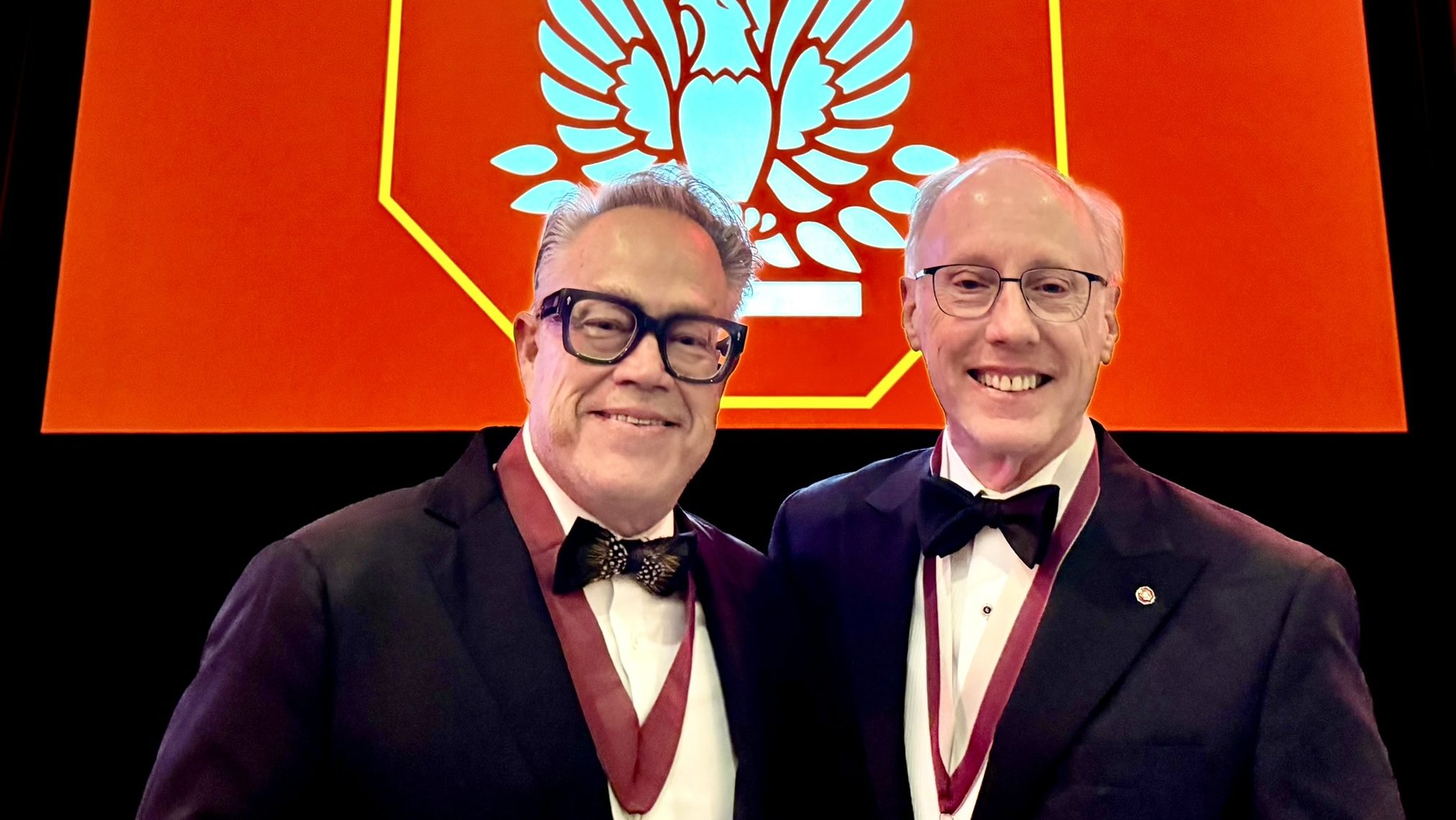
Findley hopes the architectural profession continues to embrace a broader understanding of its value to society, leveraging its credibility to serve communities in countless ways in addition to creating meaningful places. While architects may not be experts in politics, international relations and economics, they are trained to understand complexity and develop solutions that work in relation to multiple stakeholders and contexts.
“My hope is that future generations of architects will recognize that their greatest contribution may not always be a building. Sometimes, it may be helping communities, organizations or even governments solve difficult problems,” he said. “The profession’s greatest strength is not simply what we design, but how we think. That is our superpower.”
See more in:
Alumni,
Alumni Recognition,
Industry Recognition
Related people:
David Hinson