Urban Studio Students Plan for Fairfield’s Future
Each year, Urban Studio students have hands-on learning opportunities in community-focused design in different areas throughout the city of Birmingham.
During the Fall 2025 semester, the students’ experience centered on the neighboring community of Fairfield.
Fairfield, Alabama, has always been defined by strong institutions, close-knit neighborhoods and a deep cultural legacy. Now, a new neighborhood plan offers a clear path forward—one that honors that history while addressing the realities of housing affordability, infrastructure needs and long-term economic vitality.
Developed by the Urban Studio, the Fairfield neighborhood comprehensive plan is rooted in both data and lived experience, combining unique perspectives to create a shared vision for Fairfield’s future. The project’s partners include:
Miles College—one of the 107 accredited Historically Black Colleges and Universities (HBCU)—has served as both a physical and cultural anchor in the Fairfield community for 125 years, shaping the city’s inclusive growth, educational access and community engagement. Faculty, students and administrators contributed insights through workshops and ongoing dialogue, ensuring the plan reflects real community needs.
Greenwood Community Partners is the project sponsor and driving force behind the project. The organization’s deep experience in community development and stakeholder engagement helped align the plan’s goals with practical implementation strategies. Its leadership helped ensure that housing affordability, sustainability and long-term impact remained central throughout the process.
Design Initiative contributed specialized expertise in community engagement and modular housing, helping the team explore innovative construction methods balancing affordability with design quality. The architects’ perspective on housing best practices informed the forward-thinking and real-world feasibility of the modular designs.
Place Associates’ focus on urban planning and strategic development guidance showed students how to synthesize research into actionable recommendations. The firm’s work helped translate complex information like transportation networks, land use patterns and infrastructure capacity into a clear, phased and realistic implementation framework.
The City of Fairfield supported the planning effort throughout the collaboration, providing historical context and technical data. By engaging with city leaders, the students could see how to align city priorities with the new comprehensive plan to affect future policy and planning decisions.
By bringing these voices together, students learned that developing a comprehensive plan is more than creating a document. It is about building a shared foundation for future community growth. This collaboration showed how organizations can work together toward a common goal and help a community become stronger and more connected through planning and architecture.
“It was neat studying how the neighborhood is oriented and then getting to learn what the community needs and to work with people in the city,” said third-year student Addie Holden, noting this was the first time she’s seen the inception of a comprehensive plan. “You get to hear what they’re looking for and you can help find solutions to that.”
Urban Studio led the research, analysis and design work for the comprehensive plan, bringing academic experience and urban design expertise to the project. Under the direction of director Alex Krumdieck ’86, adjunct faculty member Ben Wieseman ‘12 and consultant Marshall Anderson ‘97, the students conducted a comprehensive analysis of land use, transportation, housing conditions and vacancy patterns, while engaging community stakeholders to ensure the plan reflects local priorities.
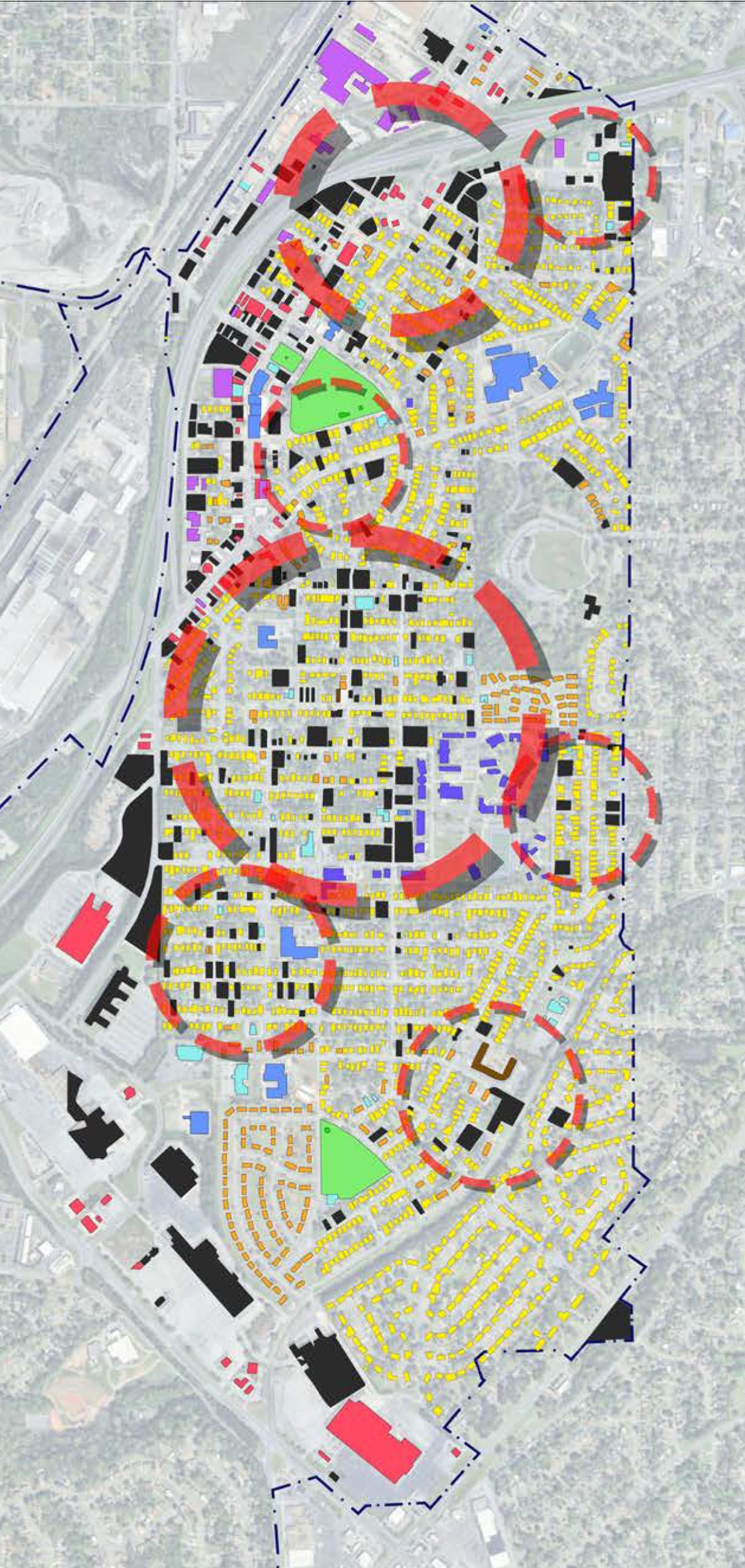
At the heart of the plan is housing. Fairfield contains seven major clusters of vacant and underutilized space, particularly near Miles College and downtown. Rather than viewing these gaps as liabilities, the students helped reframe them as opportunities for development.
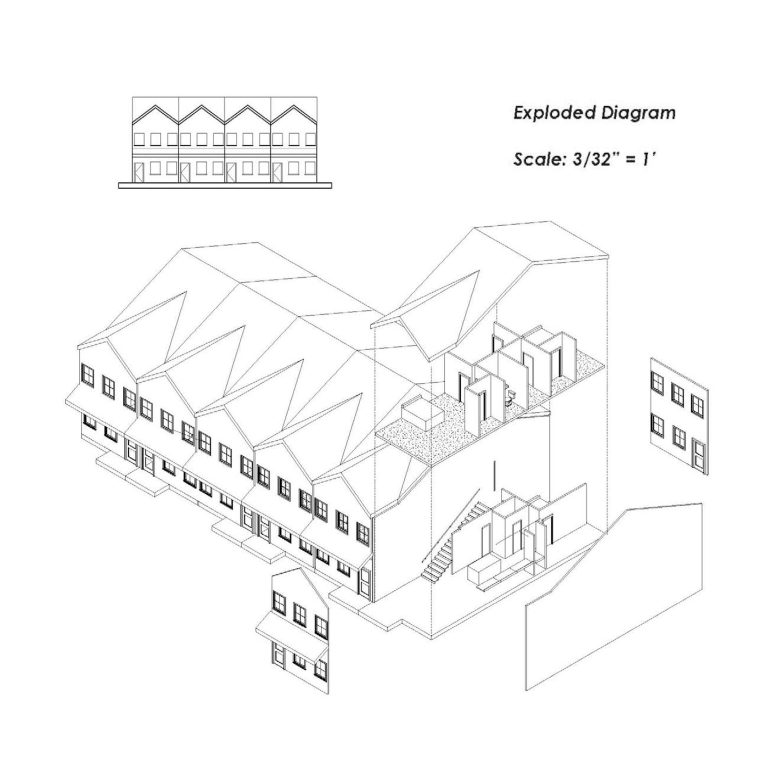
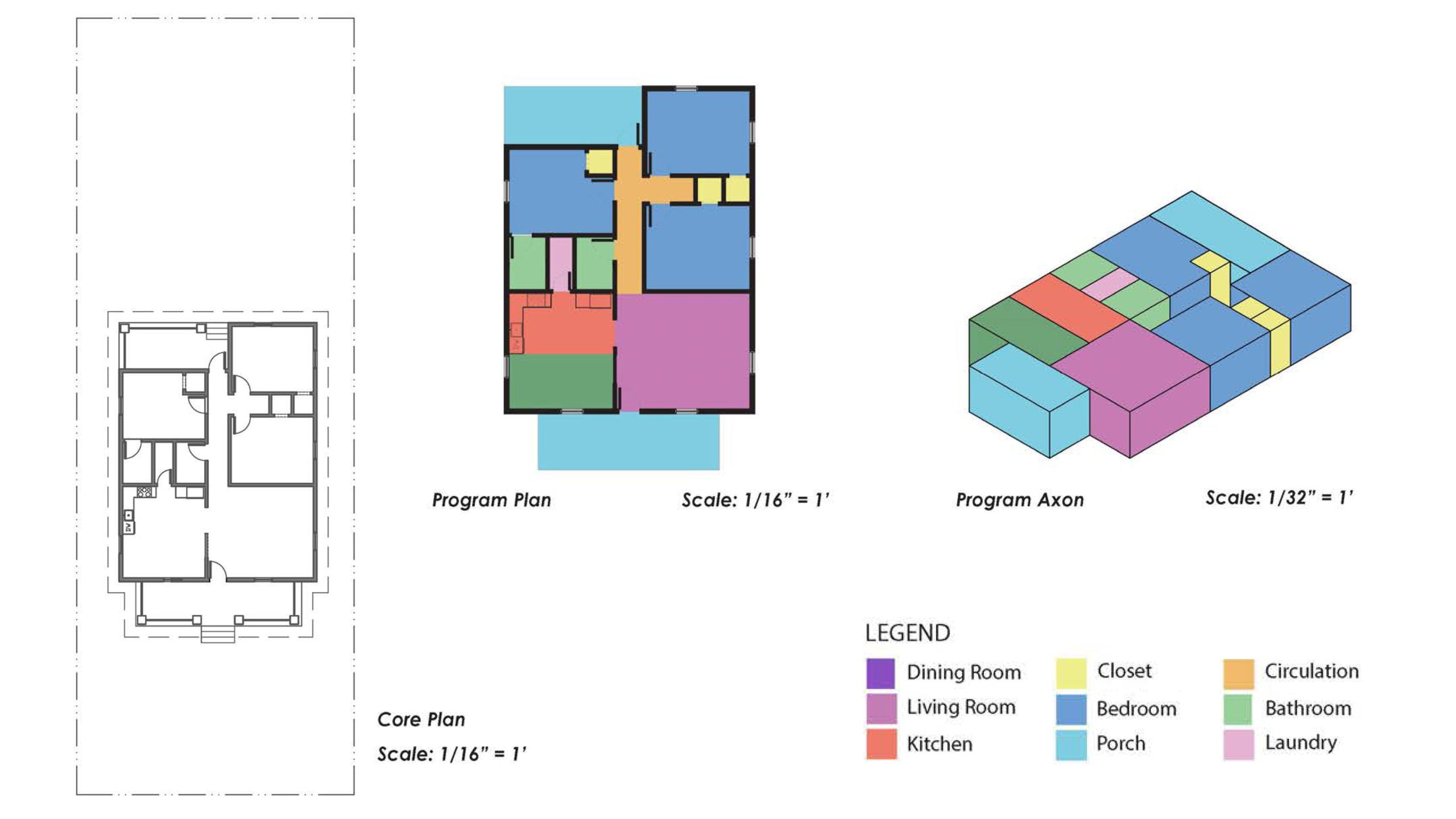
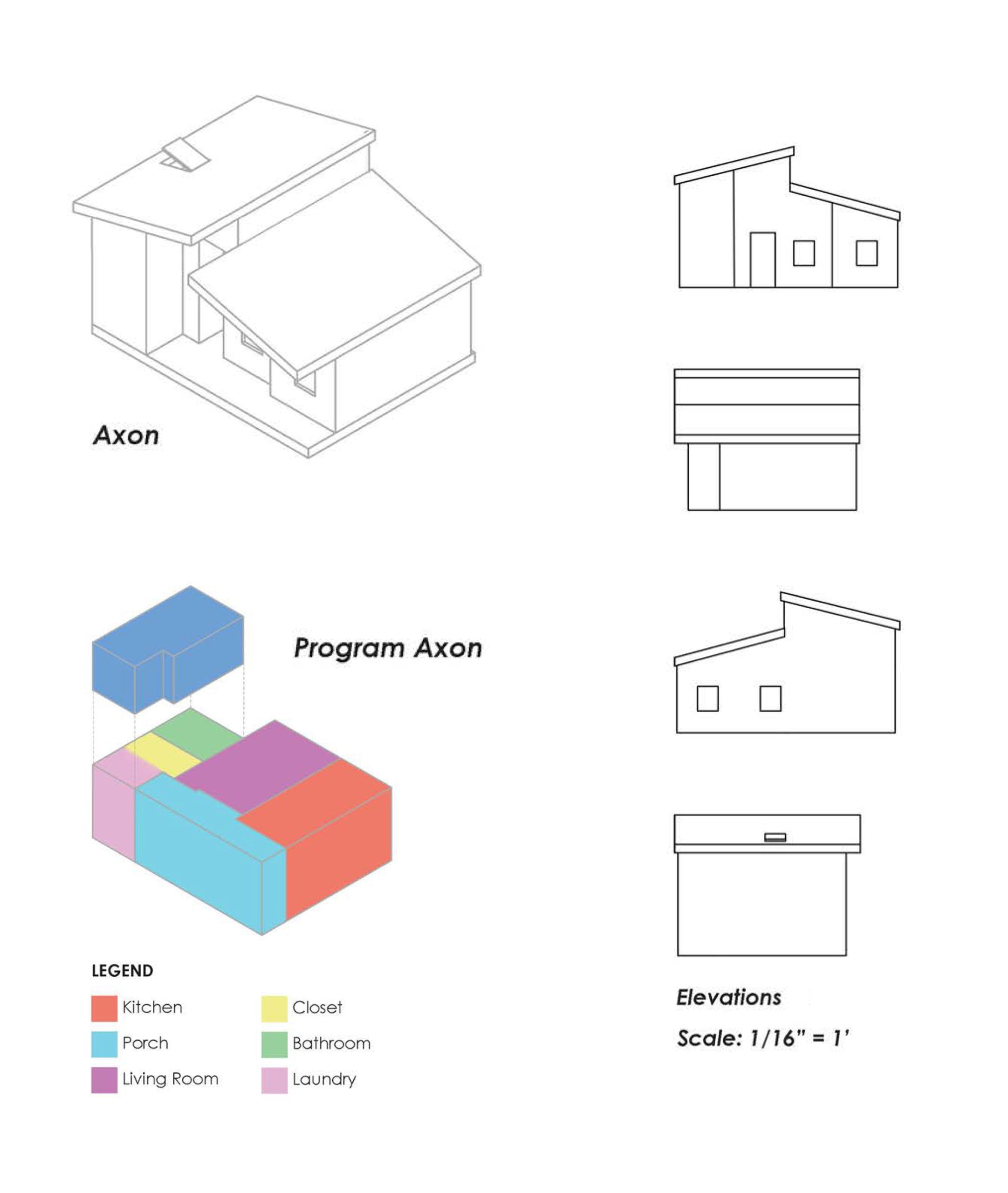
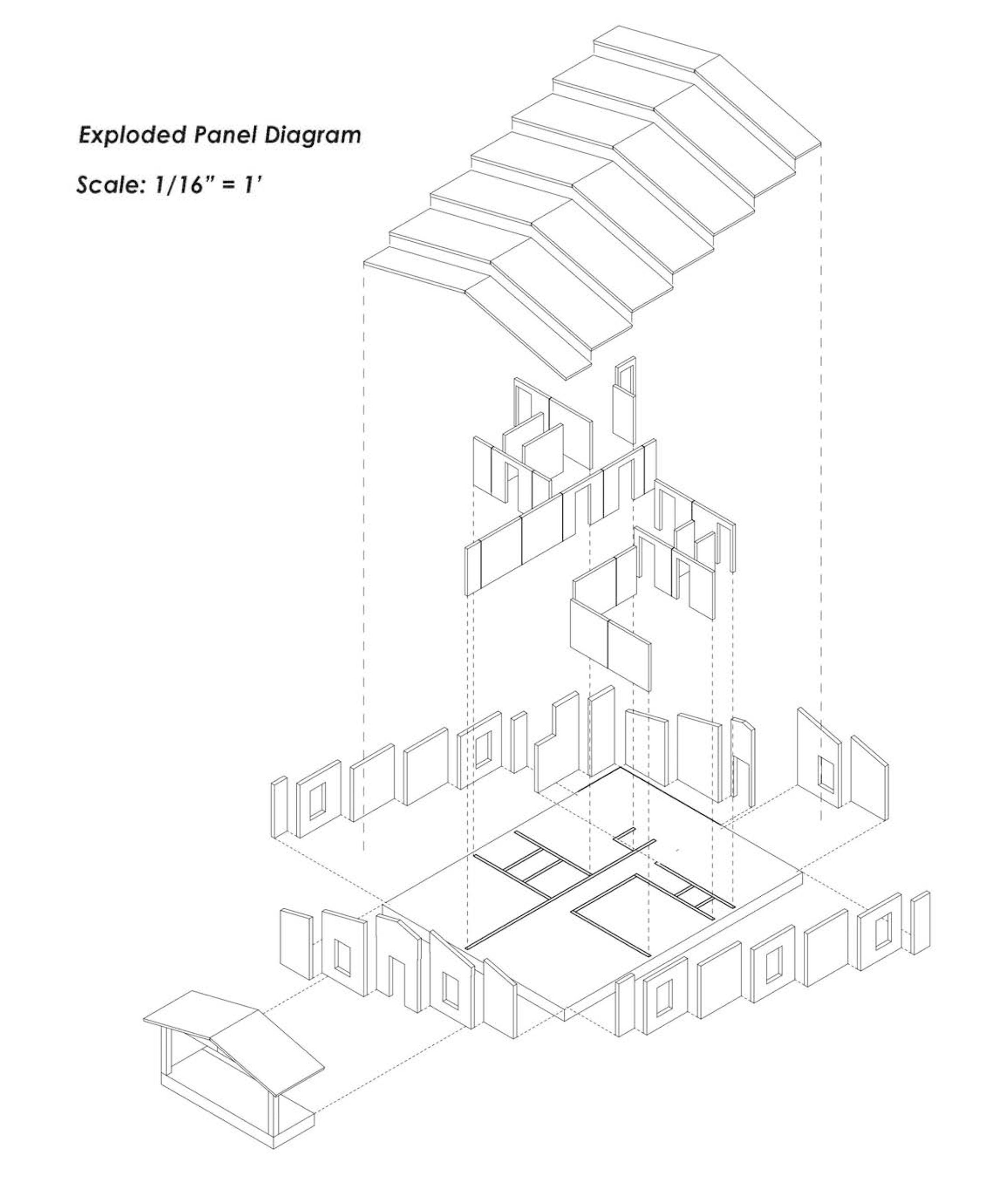
The students employed modular housing, which they studied in the fall semester, to offer a cost-effective, scalable solution that can deliver high-quality homes while maintaining neighborhood character. The plan also proposes a range of housing types, from single-family detached homes and houses that expand over time, to duplexes, townhomes and accessory dwelling units. This mix supports workforce housing, intergenerational living and aging in place, while respecting Fairfield’s historic bungalow, craftsman and ranch-style architecture.
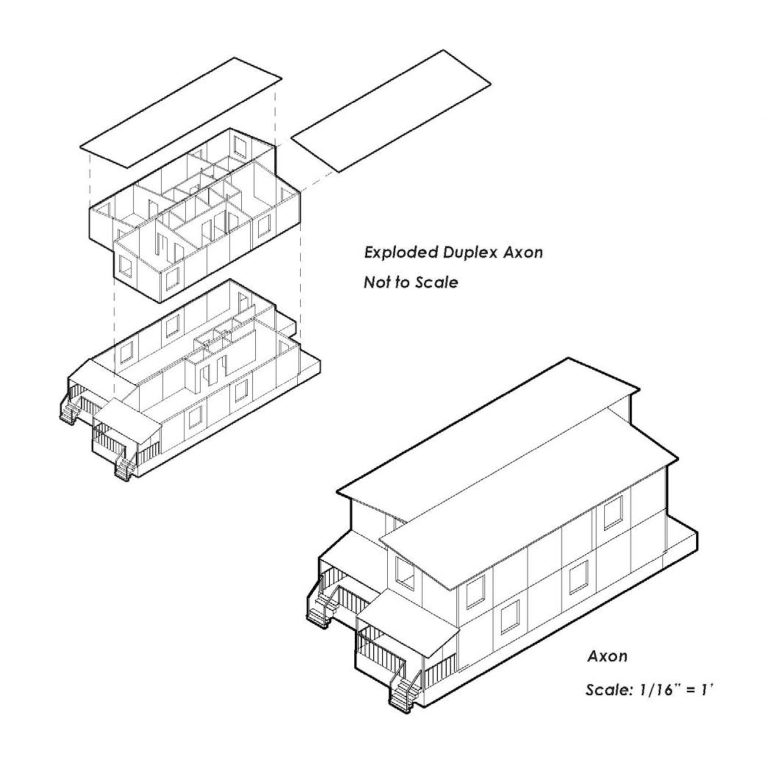
“My team designed the modular duplex units,” said third-year student Grant Robinson, explaining that the team wanted to design an area that could have public and private moments. “We offset our designs so residents could be sitting on their porch and not have to look directly at their neighbor.”
Despite nearby interstates and downtown Birmingham, walkability in Fairfield remains a challenge, so the plan focuses on connectivity and identifies critical gaps in sidewalks, crosswalks and bus access, particularly between Miles College, downtown Fairfield and the surrounding neighborhoods. The plan prioritizes safer pedestrian routes, better street design and enhanced public spaces to encourage everyday movement and social interaction.
“We looked into the bus history and how transportation works in getting into and out of the downtown area,” Robinson said. “Focusing on getting people into the downtown would help bring the area to life.’
Downtown Fairfield is also a prominent part of the plan’s long-term vision. Vacant commercial buildings and parcels along Gary Avenue present opportunities for mixed-use development to help restore economic activity and strengthen the city’s civic core. Paired with housing and infrastructure improvements, these investments could be the catalyst to create a more vibrant and resilient downtown.
“The Fairfield project gave us an opportunity to look at our surrounding struggling communities and see how we can help them with a plan or improvements in a way that allows them to expand,” said third-year student Barrett Wilson, explaining that the teams centered the designs economical and environmental sustainability in terms of urban planning.
This partnership will continue in 2026 when the team dives into some specific needs close to the Miles College campus.
Related people:
Alex Krumdieck,
Ben Wieseman