Wearable Sensing Devices for Safety Monitoring Among Construction Fieldworkers
This study examines the preferences and potential use of wearable sending devices (WSDs) among construction fieldworkers for workplace safety, both cross-sectionally and longitudinally.
Investigators
This study examined the perception of construction fieldworkers regarding: 1) their familiarity with WSDs, 2) their comfort level in using them to self-monitor and aid in decision-making, 3) the perceived values, benefits, and barriers of their use, and 4) the recommendations fieldworkers have regarding WSD use.
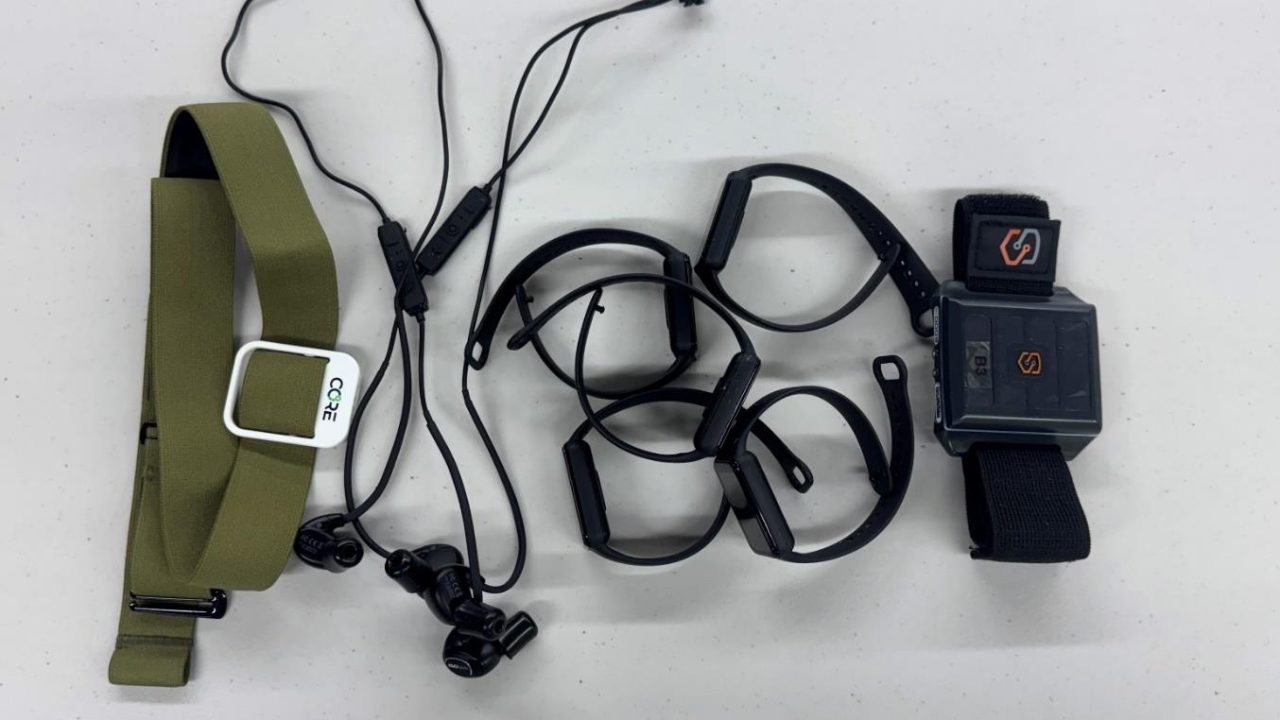
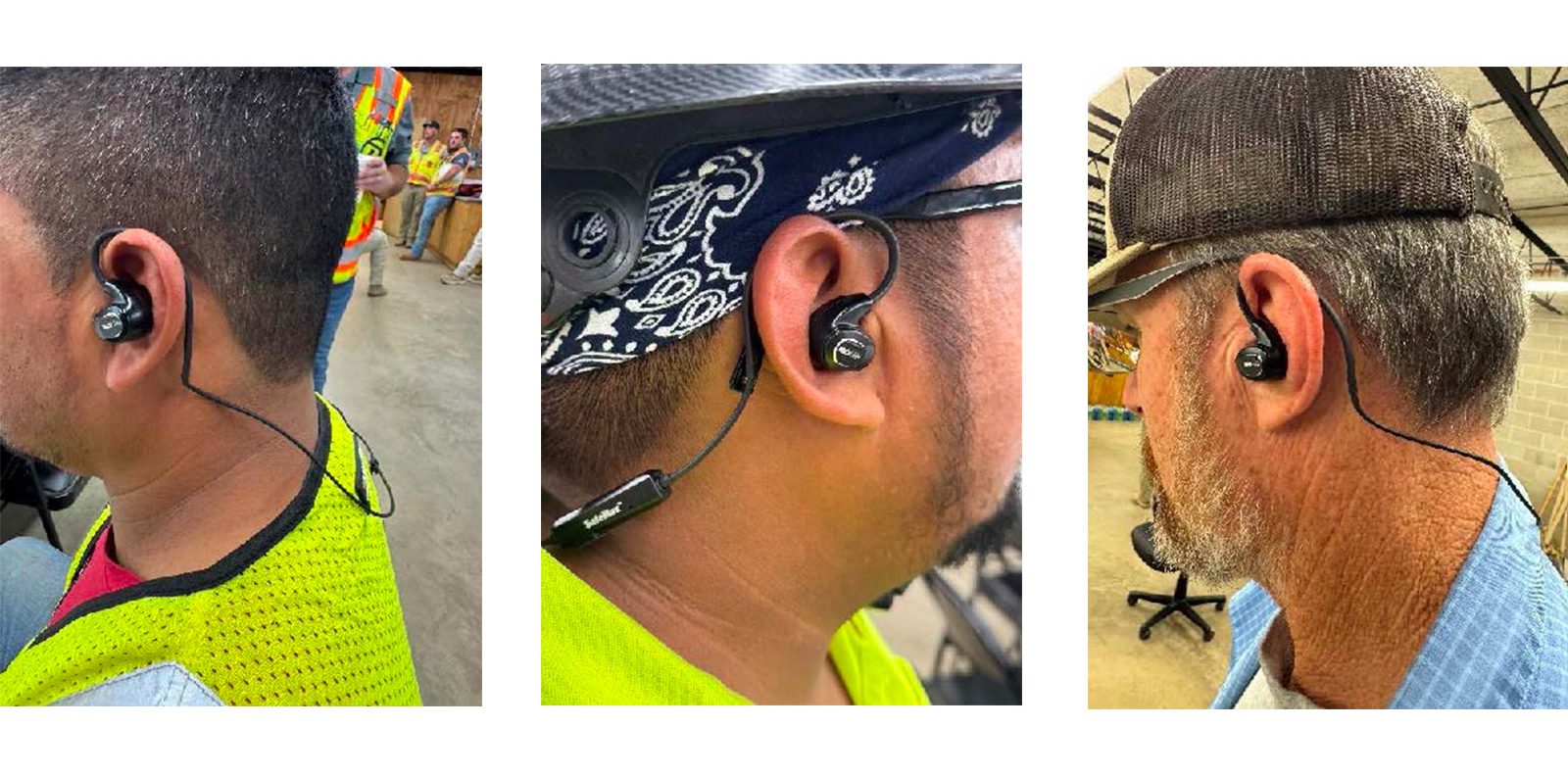
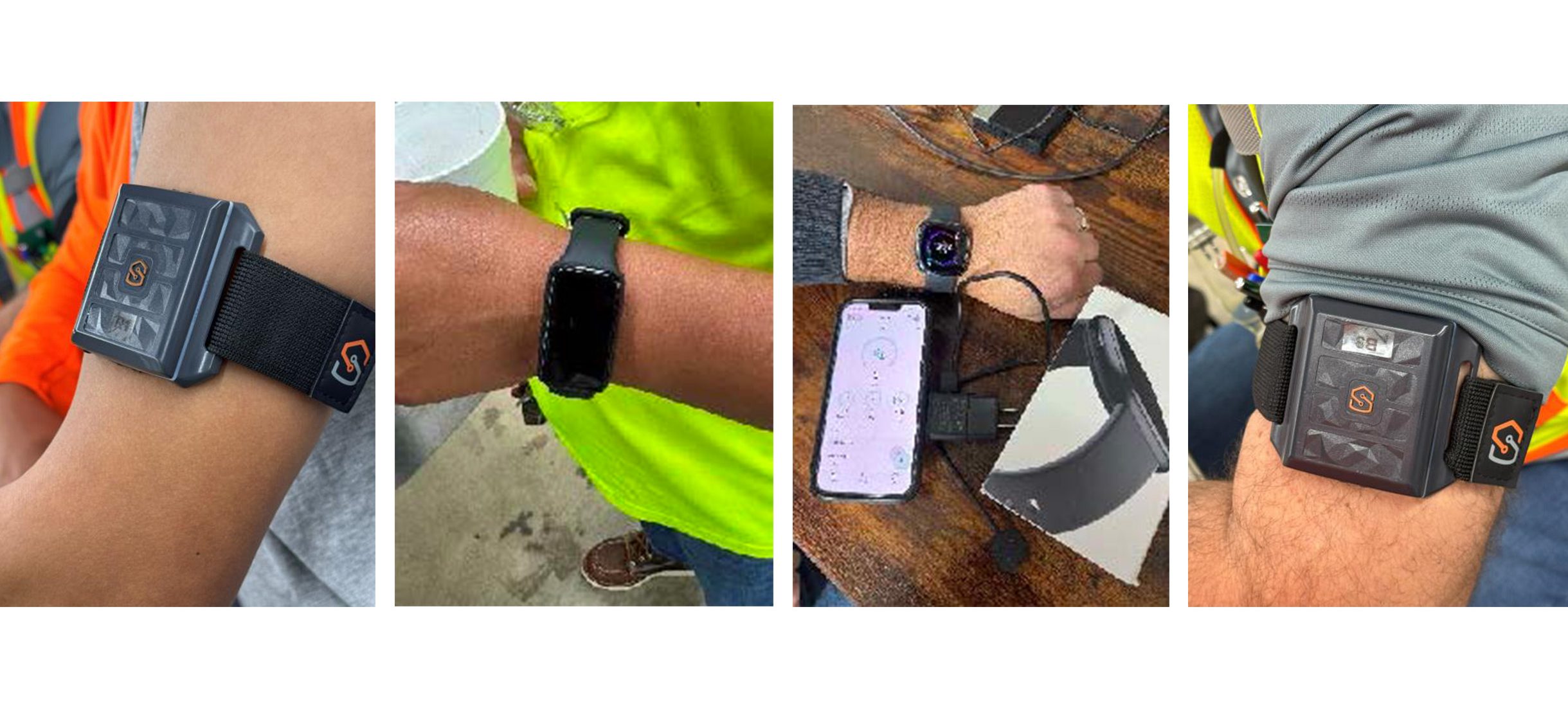
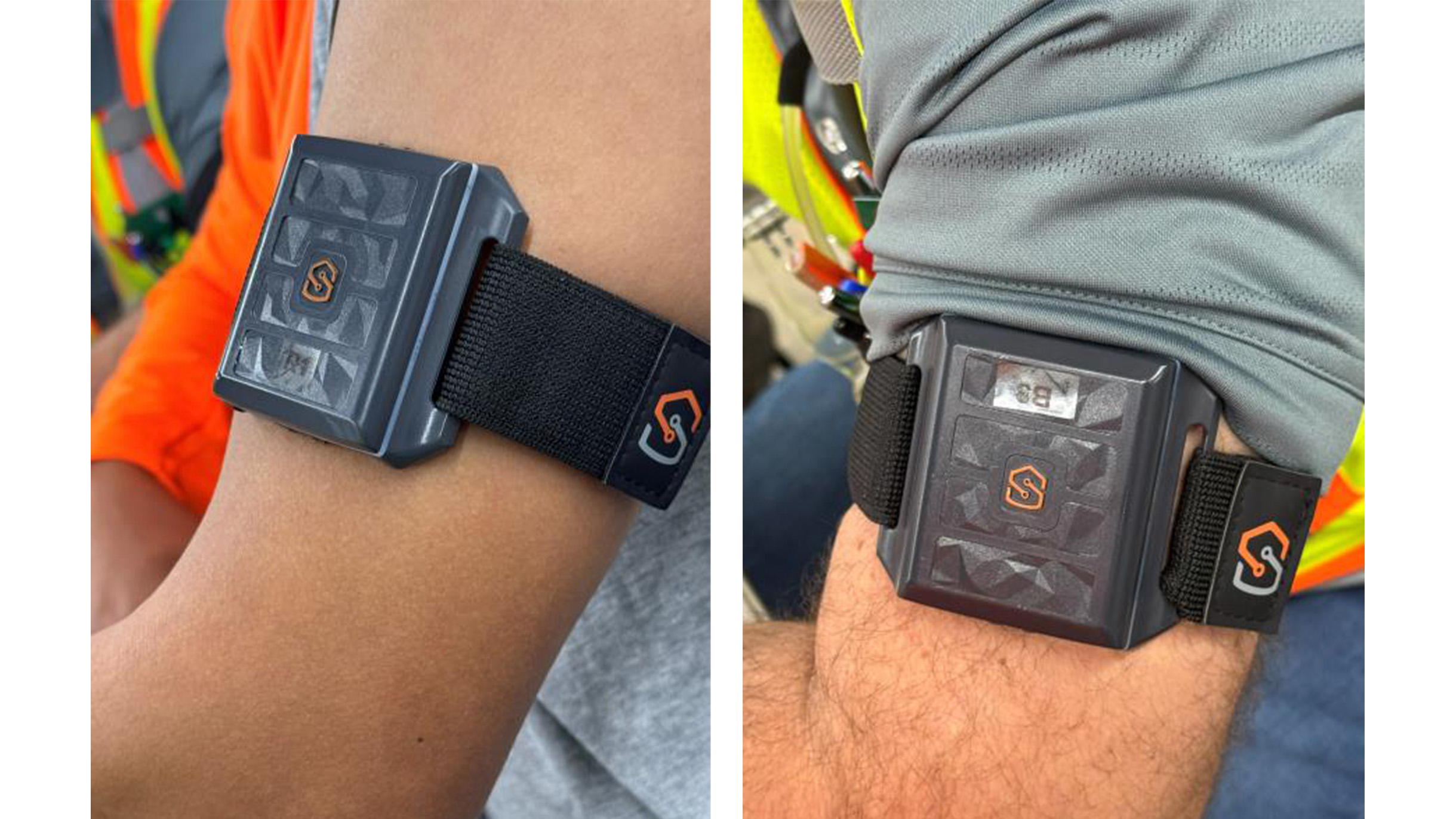
The research team partnered with Rabren General Contractors and its safety director to select participants. Phase I involved fieldworkers wearing WSDs across four body locations to assess perceptions of different wearable devices. During Phase II, wrist-worn wearables were provided to field workers to assess their utility for workplace safety. Both phases collected data via surveys and interviews.
Results indicate that most workers are not familiar with using WSDs for workplace safety. Additionally, workers preferred wrist-worn WSDs over other types, with arm-worn wearables being the second most preferred. Workers believe WSDs can add value, especially if they help with heat safety and exertion, but they are concerned about surveillance and the use of personal data. However, supervisory personnel prefer to be aware of the heat and exertional risks to workers to aid in a timely response. Additionally, workers have found utility in tracking their overall health and wellness, which can potentially enhance workplace safety. Fieldworkers also prefer a rugged, wrist-worn device for use on the jobsite. They also recommend a Velcro strap attachment mechanism for jobsite use.
¹ A CPWR LOI was sought after to continue this work (unsuccessful). An ASC conference paper has been submitted regarding this topic, and a journal paper is currently in progress.
² Sands taught a 4-credit course during the summer; therefore, less funding was needed.
See more in:
CCIC Awardees
Related people:
Kenneth Sands,
Anoop Sattineni