SIGD Alumni Reflect on Innovation in the 1970s
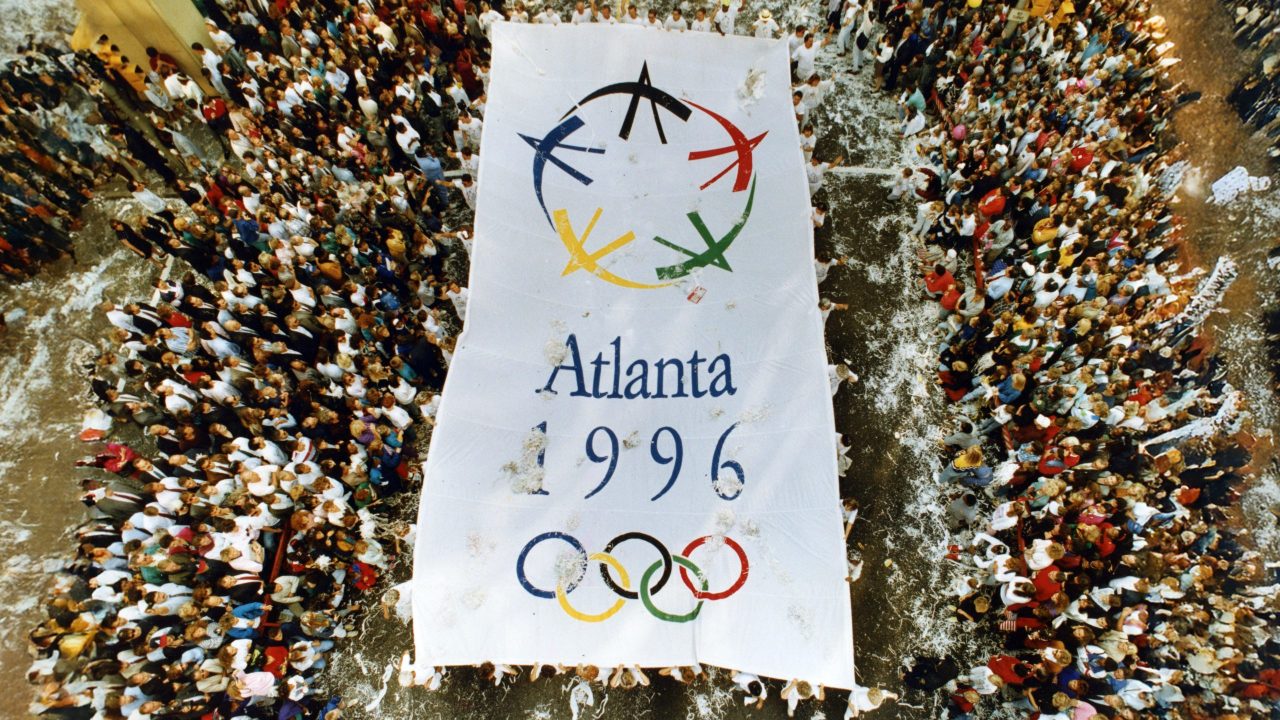
From submersible steel systems to hand-drawn Olympic logos, Auburn’s alumni have been exploring, creating and advancing the design industry since 1970.
The School of Graphic and Industrial Design (SIGD) celebrated 80 years of design education last fall, ushering the School into a new era of learning excellence. SIGD’s legacy can be credited to the hard work and dedication of its students—who, as alumni, have gone on to lead the industrial and graphic design industries in various ways.
Walk back through SIGD’s history with award-winning alumni from previous decades—starting with the groovy 1970s.
Tom Hardy ‘70

Hardy brings more than four decades years of experience in brand design strategy, product development and corporate design direction to the graduate program of Design Management at the Savannah College of Art and Design, where he has taught for the past 15 years.
Before going on to consult for companies like Coca-Cola, Ford, J.P. Morgan, Microsoft, Polaroid, Samsung and many more, Hardy spent over two decades in the Corporate IBM Design Program, where he designed the original IBM Personal Computer in 1981, oversaw the launch of the first IBM ThinkPad in 1992 and directed 15 global design centers in collaboration with Paul Rand and Richard Sapper. Hardy has won numerous awards including four I.D. Annual Design Review Awards and an IDSA Gold IDEA Award in 1980. He served on President Bill Clinton’s Roundtable for Design and Management Initiatives Toward an Inclusive and Competitive America, testified to the 103rd U.S. Congress on the importance of design innovation in commercialization of technologies and competition and served as the chair of a National Endowment for the Arts’ Design Program working group to propose a White House Council on Design.
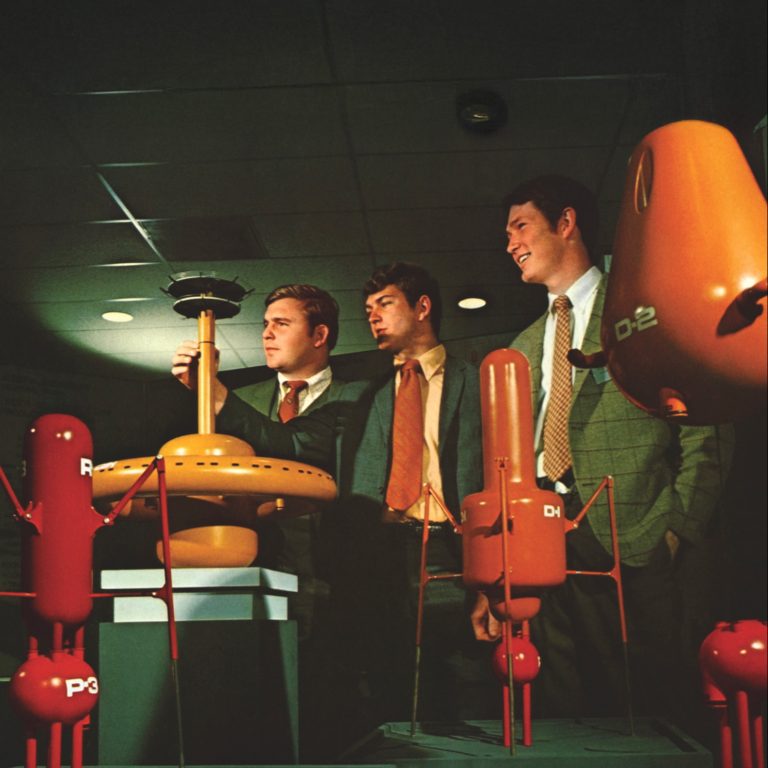
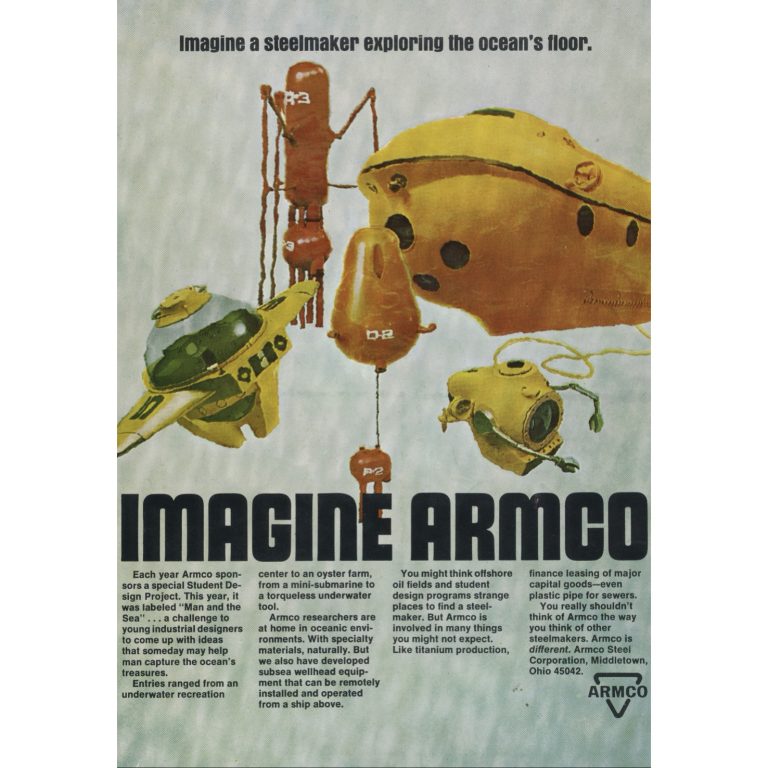
His broad and extensive career in product development draws its foundations from a group project he completed while pursuing his Bachelor of Industrial Design at Auburn. Armco Steel sponsored concept development and prototype models for undersea exploration. Hardy and his partners designed an innovative system that was publicized and exhibited internationally.
“The Industrial Design program at Auburn University provided me with the strategic design process tools for contextual thinking,” Hardy said. “The program’s focus on human-centric, systems design combined empathy with analytics to address complex issues and provide innovative, meaningful value.”
Brad Copeland ‘75

Founder and executive creative director of Copeland, Brad Copeland launched his eponymous studio in 1981, leading the company through technological changes that have redefined the design industry. His nimble approach to both design and business has helped the company navigate changing economies, complex branding problems and clients’ cultures across the globe.
For the last 40 years, Copeland has produced award-winning design and communications campaigns with partners ranging from the International Olympic Committee to Coca-Cola to the Medal of Honor Valor Trail. Following his collaboration with the 1996 Atlanta Olympic and Paralympic Games, his hand-drawn sketches of Olympic logos have made their way to the Atlanta History Center.
In addition to hundreds of design awards on his shelf, Copeland has been recognized with the American Advertising Federation’s Silver Medal Award and fellowship with the American Institute of Graphic Arts.
His success traces back to a degree plan he originally had no intention of pursuing. In the early 1970s, Copeland transferred from Georgia Tech to Auburn with hopes of pursuing a degree in architecture, but when he was met with a year-long waiting list, he selected a Visual Design major.
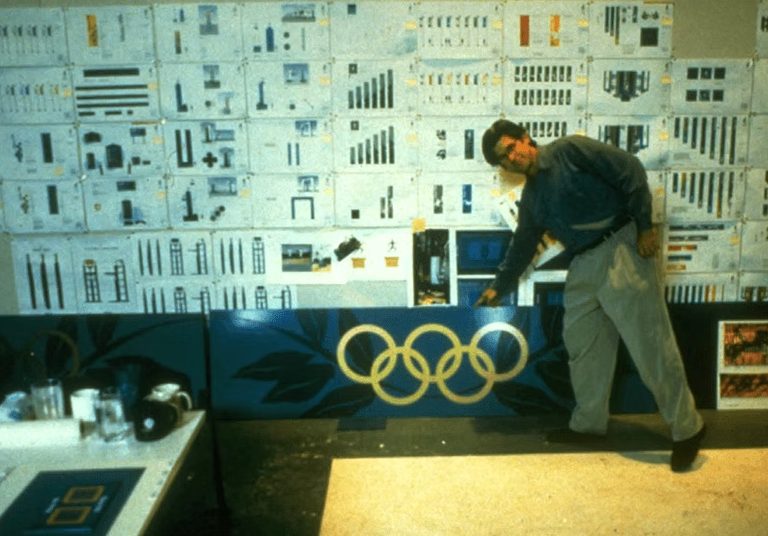
With drawing and design foundations—and no solid plan for his future—Copeland turned his back-up option into a prolific career.
“As luck would have it, I was able to use my design skills, blended with my business skills that allowed me to grow a business that took on global opportunities with some of the biggest brands in the world,” he said.
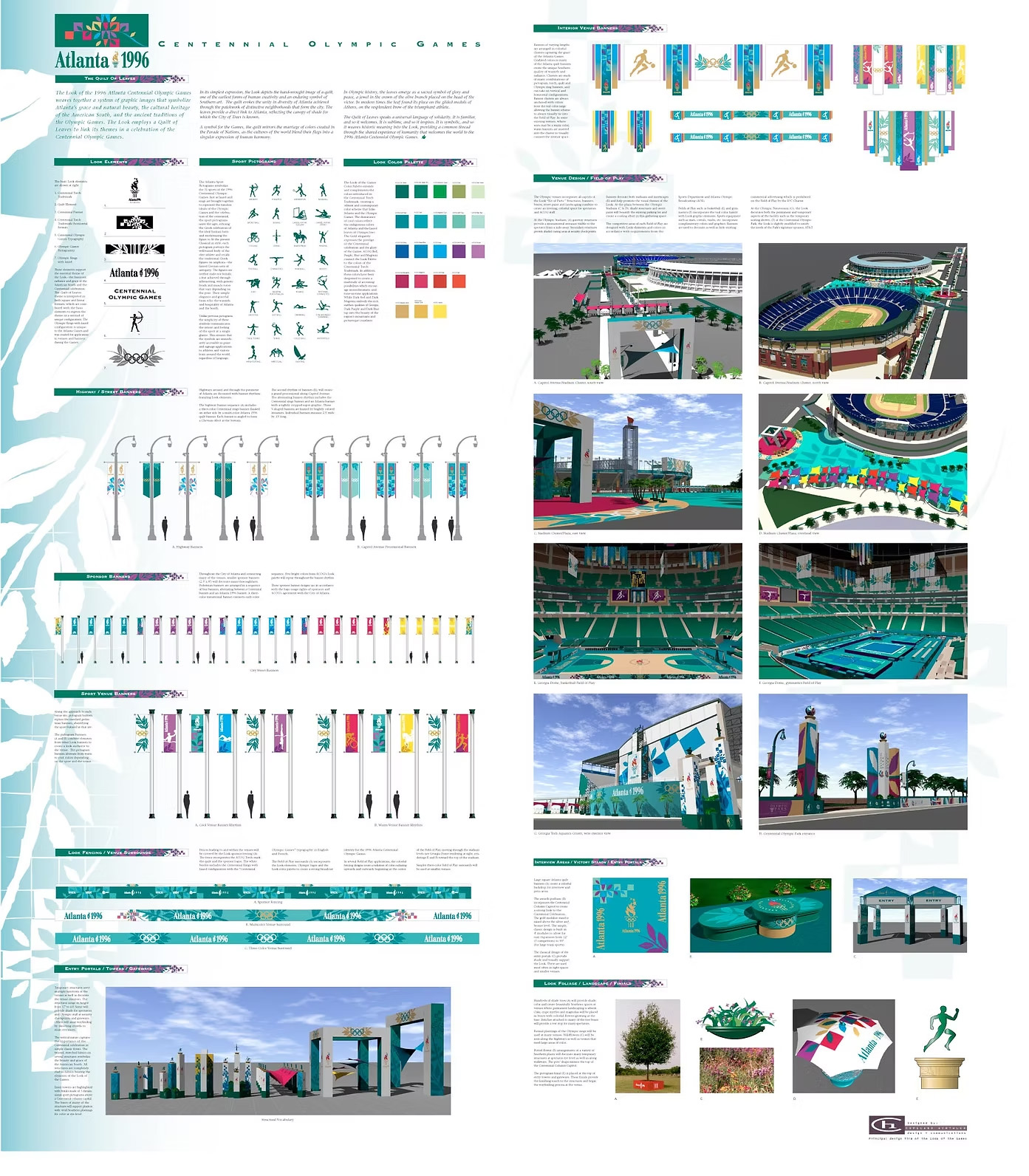
He believes learning how to draw at Auburn before digital tools overtook analogue skills provided the foundation for design and branding.
“I have had some of the best designers in the country work for me through the years, and consistently, those who could solve problems with a pencil first, were my biggest stars.”
See more in:
Alumni,
Alumni Recognition