SIGD Alumni from the 1990s Draw on Auburn Foundations

From brand design to exhibitions, Auburn’s alumni have been combining design expertise with entrepreneurship for decades.
The School of Graphic and Industrial Design (SIGD) celebrated 80 years of design education last fall, ushering the School into a new era of learning excellence. SIGD’s legacy can be credited to the hard work and dedication of its students—who, as alumni, have gone on to lead the industrial and graphic design industries in various ways.
Walk back through SIGD’s history with award-winning alumni from the 1990s.
Lionel Ferreira ‘91

Ferreira grew up in South Africa and came to Alabama to play on the Auburn tennis team. After graduating with a Bachelor of Fine Arts in Graphic Design in 1991, he worked at some of Atlanta’s top design firms.
In 2003, he founded Ferreira Design Company (FDC), where he is a Principal and Creative Director, with his wife Laura—a fellow College of Architecture, Design and Construction alum.
FDC has developed award-winning print, digital, environmental and product design for clients such as Adidas, Chick-fil-A, Cisco, Coca-Cola, Delta Air Lines, Fila, Indianapolis Motor Speedway Museum, LANETA Tequila and more. The studio’s work has been recognized in multiple publications including Communication Arts, Graphis, The Type Directors Club and GOOD DESIGN (The Chicago Athenaeum).

Ferreira often thinks back on the dedication and motivation of the design program, particularly the mentorship of Professors Emeriti Ross Heck and Ray Dugas. He fondly remembers his senior project in Biggin Hall and trekking across campus between studio, the tennis courts, dining hall and back again.
He said that Auburn taught him how to think strategically, efficiently and with a high standard of excellence.

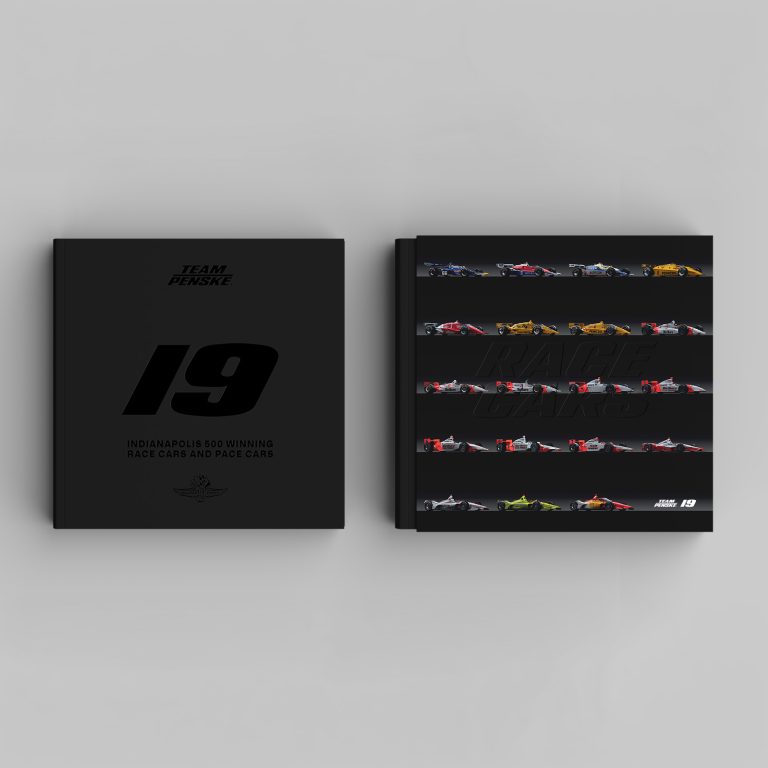
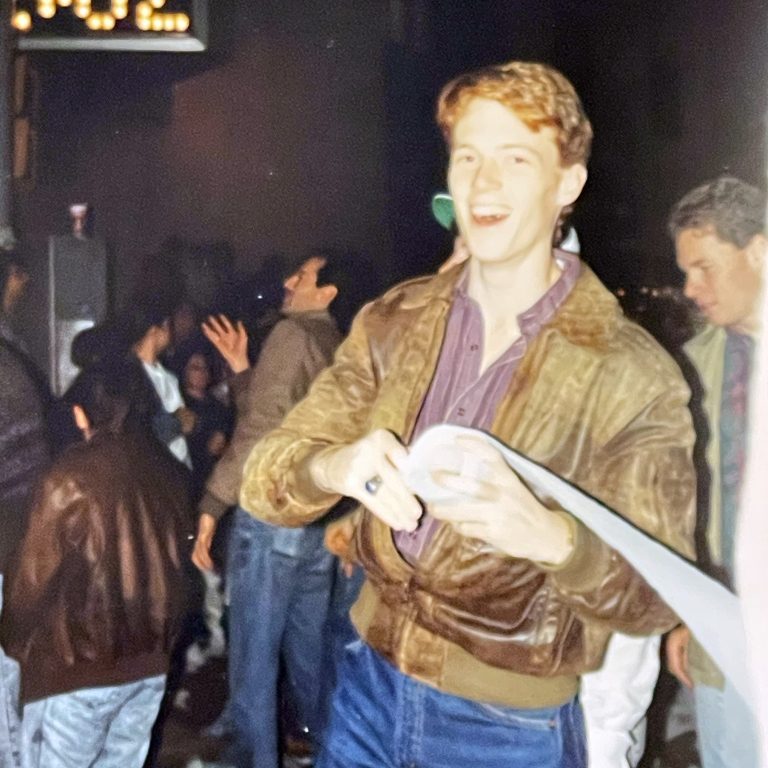
“Without the foundational design principles, dedication and attention to detail required at Auburn, I would not have been able to achieve the level of design that I’ve enjoyed, from interning at a SIGD grad’s studio and the experience of working at top design firms, to setting out on my own as FDC for the last 20+ years,” Ferreira said.

He frequently returns to the Plains, having served on the SIGD Advisory Council and spoken at Auburn’s SIGD Spring Convocation.
John Kelton ’92

Kelton’s career in museum planning and exhibit design began with a co-op opportunity that shaped the course of his professional life.
Kelton, a 1992 Industrial Design graduate, credits Auburn’s co-op program with laying the foundation for his career. Working six months at a time with Intergraph before returning to campus, he gained early experience with the company’s trade show management team—an opportunity that later opened doors to exhibit design positions across the country.
“In the days before the internet and rapid modeling, the Auburn Industrial Design studio culture instilled a ‘figure-it-out” mentality’,” Kelton said. “I’m still doing that today as each project presents new challenges that require unique problem solving.”

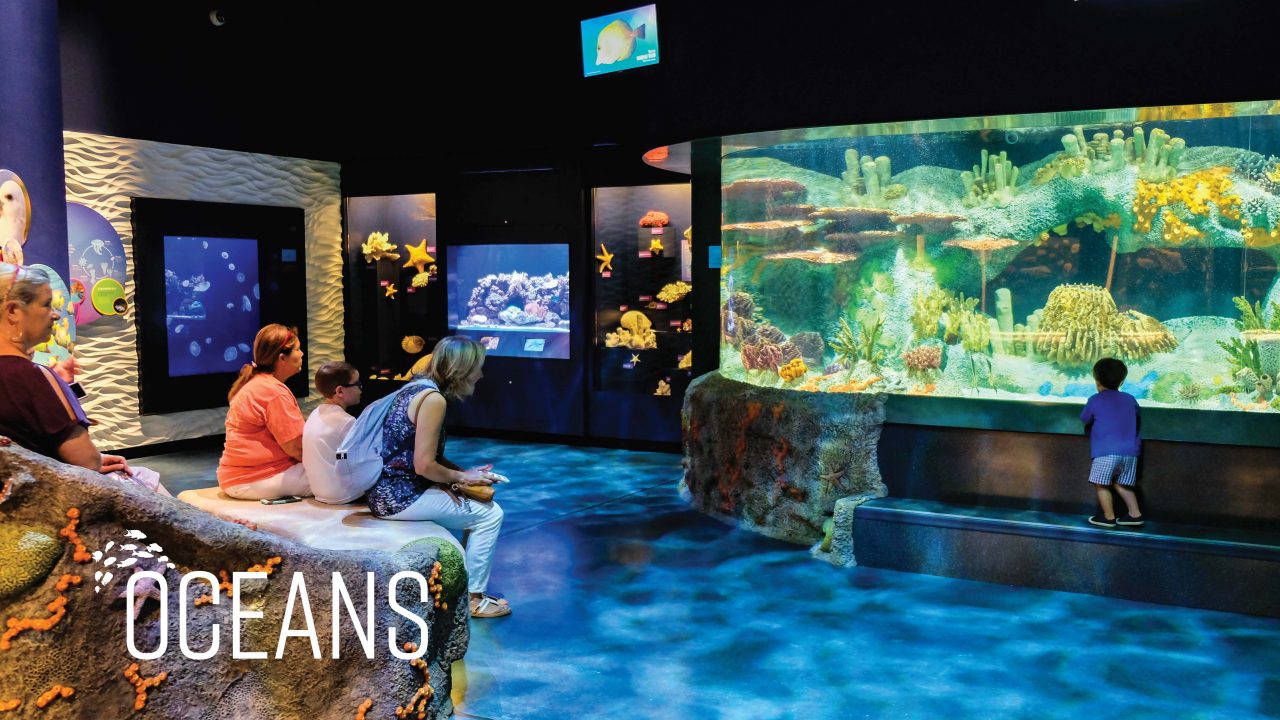
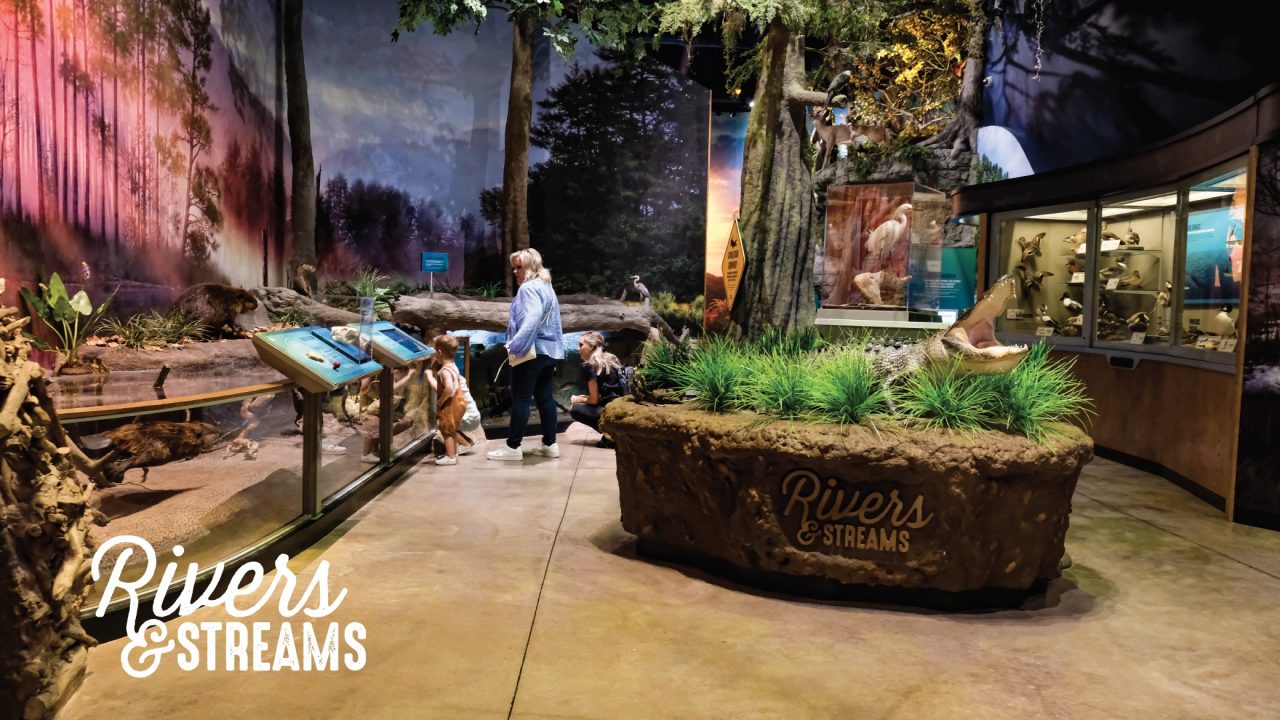
Today, Kelton is the owner of Kelton Design and has more than 30 years of experience designing museums and immersive educational environments. His portfolio includes work with Disney Imagineering, Universal Creative, Smithsonian Institution, the Birmingham Civil Rights Institute and Space Camp®. He also served as Director of Exhibits for the Cook Museum of Natural Science, which earned the 2021 USA Today Best New Museum award. To date, he has designed six museums from scratch and has two more in development.
Kelton still vividly remembers studio culture and influential faculty, particularly legendary Professor Walter Schaer. One unforgettable classroom moment involved Schaer accidentally catching his beard on fire while demonstrating how every part of a design—this one being a match—interacts with the whole as well as the environment around it.
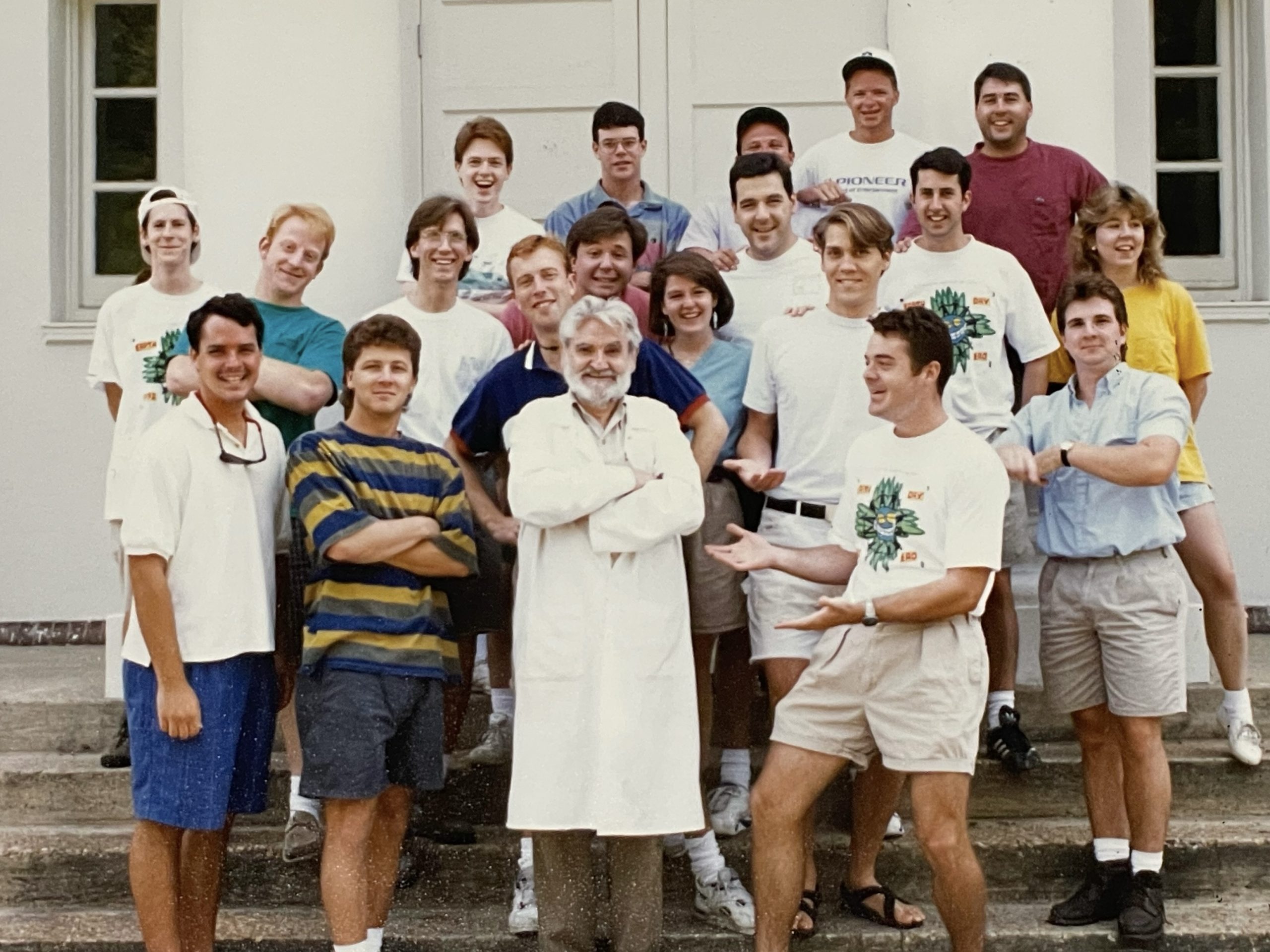
Despite the sometimes-flammable lessons, the program took a user-centered, systematic approach that helped Kelton establish a practicality when it came to creating immersive environments.
“Auburn Industrial Design is known for graduating designers who can produce viable products,” Kelton said. “It may not be flashy, but you can be guaranteed it will work.”
Catch up on SIGD’s history with groovy graduates from the 1970s and decadent designs of the 1980s.
See more in:
Alumni,
Alumni Recognition,
Faculty Recognition,
Student Experience,
Student Recognition
Related people:
Ray Dugas,
Ross Heck