Generative Care at the Florence Mound: New Practices for Land-Based Relations
February 6–7, 2026
Workshop + Symposium
Florence Mound Museum
1028 S Court St, Florence, AL 35630
Rising 45 feet above the Tennessee River, the so-called Florence Mound has borne witness to 1,700 years of transformation along the river’s edge. This earthwork is a living testament to the engineering precision and geological knowledge of its original makers, as well as to the occupation, tending, and care enacted by the many generations of Indigenous communities that followed. Today, the Mound stands at a critical point in which new modes of stewardship must be envisioned.
More than monuments, earthworks are vital, living forms of Indigenous knowledge made of the medium of the land itself, relevant and active agents in the present. They are inextricably intertwined with shifting cultural and ecological systems, continuously animated by ceremony, tending, the growth of plants, and the movement of people and animals. Today, this conception of earthworks requires modes of care and stewardship that extend beyond the conventions of maintenance, which orient toward stasis – a perpetuation of the status quo.
Generative Care convenes knowledge keepers, mound caretakers, scholars, archaeologists, and designers in conversations which will have broad implications for land-based relations at the Florence Mound. The project seeks to imagine modes of care that engage the “ongoingness” of earthworks as generative of new practices for stewardship.
Join us for our first symposium and workshop as we collectively envision what it means to care for this vital earthwork. For more information, please reach out to project organizers, Sarah Coleman (scoleman@auburn.edu) and Isaac Cohen (iscohen@auburn.edu).
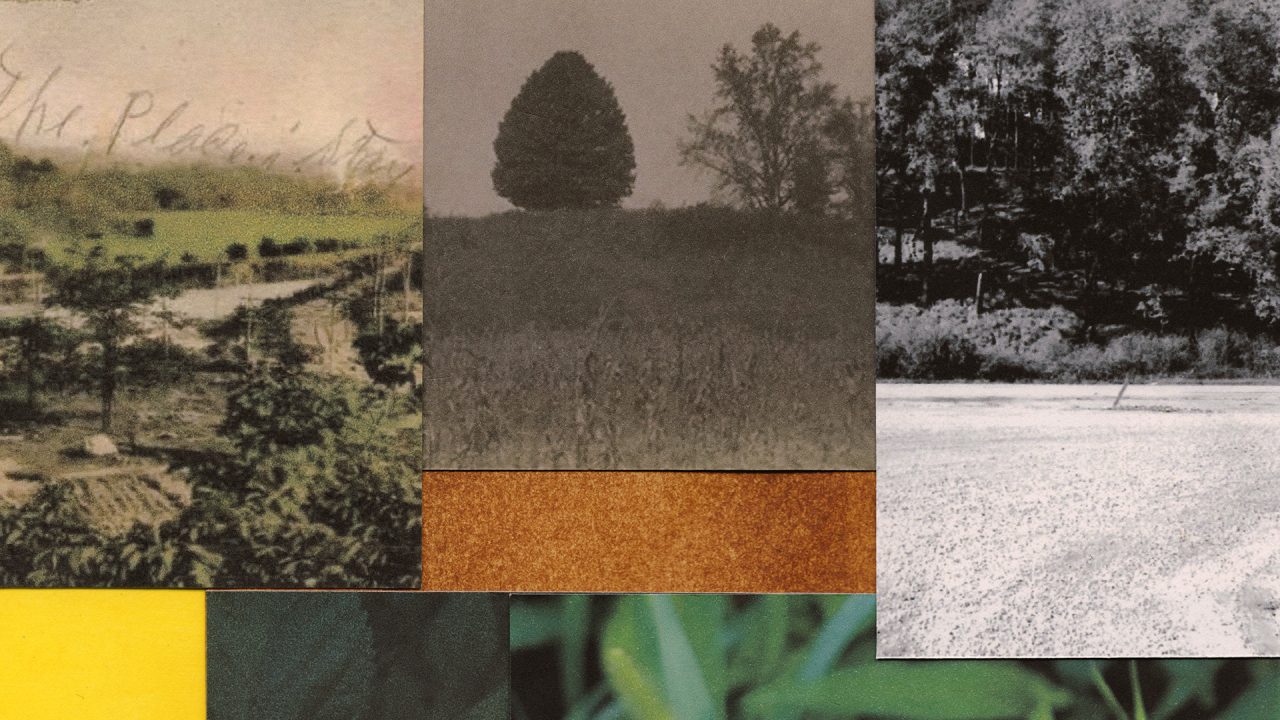
Collage by Mario F. Bocanegra Martinez, Assistant Professor of Graphic Design
Schedule
All portions of the event will take place at the Florence Mound Museum.
Speakers
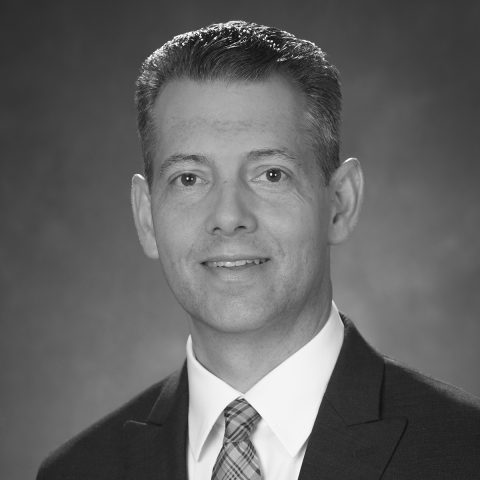
Chadwick Allen
Chadwick Allen is professor of English and adjunct professor of American Indian Studies at the University of Washington. His scholarship centers on contemporary American Indian and global Indigenous literatures, other expressive arts and activism. He is the author of four books, including Earthworks Rising: Mound Building in Native Literature and Arts (2022) and the forthcoming Transit: Serpent Mound Crossing Space, Time, Discourse (2026).
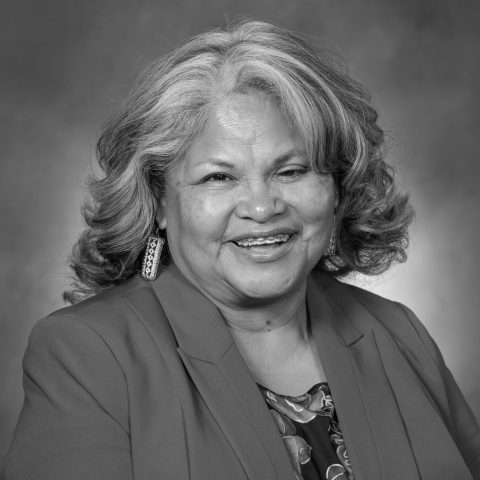
LaDonna Brown
LaDonna Brown is the Director of Anthropology in the Office of the Under Secretary of the Department of Culture and Humanities for the Chickasaw Nation. She has also served as the Director of Research and Cultural Interpretation and as Tribal Anthropologist, amongst other roles. Brown was also a National Park Service Interpretation Ranger at the Chickasaw National Recreation Area and the Natchez Trace Parkway and helps museums across the southeast with cultural interpretation. Brown is a practing artist; she makes beaded collars, finger woven belts, pine needle baskets and gourd/pine needle baskets. Brown is an enrolled member of the Chickasaw Nation and has lived on her grandfather’s allotment in the Chickasaw Nation most of her life. She is from the Raccoon Clan and a descendent of Puknatubby (Last to Kill) and Emotubby (Up and Kill), warriors of the Chickasaw Nation.
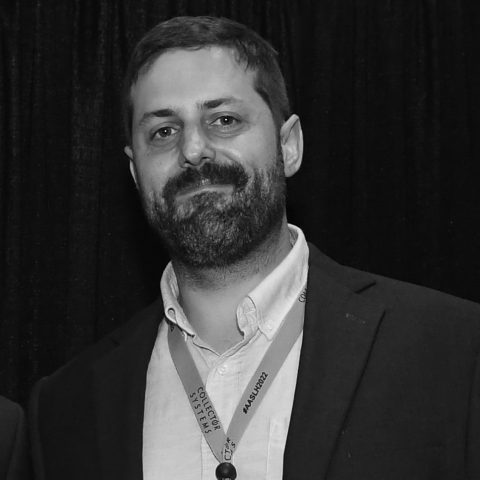
Brian Murphy
Brian Murphy is the director of Florence Arts and Museums, which includes Pope’s Tavern Museum; the Florence Mound Museum; the Kennedy-Douglass Art Center; and the Frank Lloyd Wright Rosenbaum House. A graduate of the University of North Alabama’s Public History program, he also serves on the board of the Alabama Museums Association, the Alabama Historical Association and the Friends of the Alabama Department of Archives and History. Brian works with an incredible team of professional staff, colleagues, interns and volunteers to strengthen community bonds between art, history, people and places in the Shoals community.
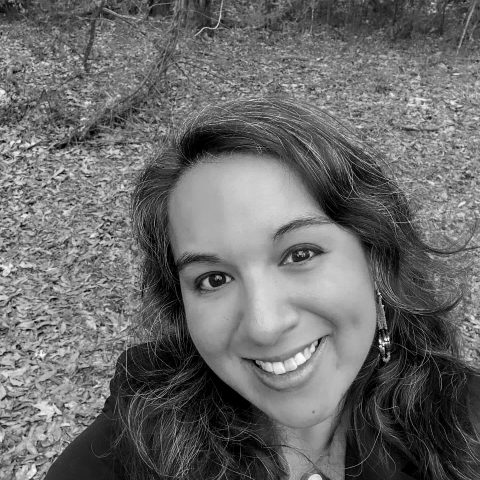
Adriana Peeples
Adriana Peeples is a certified educator, specializing in elementary and early childhood education. She has worked with Florence Arts and Museums since 2022. She is currently the Museum Services Coordinator, where she creates and facilitates educational programming for FAM and manages the Florence Mound Museum. Ana collaborates with organizations like Project Archaeology, the Alabama History Institutes, the Cherokee and Chickasaw tribes and with the Florence Mound Museum Advisory Board. She has served on the educational planning committee for the Oka-Kapassa Native American Educational Festival from 2023 to 2025. Most recently, she served on the Alabama Course of Study Social Studies Curriculum Writers Committee, as was one of seven Governor Appointees. She collaborated with 34 other educators and historians to create the new Alabama Social Studies Course of Study.

Brenda Williams
Throughout her 30-year career as a Landscape Architect, Brenda Williams has focused her passion and empathy for understanding human connections to landscapes, developing methods to support, strengthen and adapt significant landscapes for the people to whom they are meaningful. Her work has a strong emphasis on landscapes in the public realm, where she champions appropriate access, recognition, preservation, adaptation, and interpretation of culturally significant sites. Recognized as a national leader in the conservation of cultural landscapes, she has developed award-winning design, planning and stewardship solutions for significant cultural landscapes at National Parks, National Historic Landmarks and sites of regional and local importance throughout the United States.
Organizers

Sarah Coleman
Sarah Coleman is an Assistant Professor of Landscape Architecture at Auburn University where she teaches design studios as well as in the History, Theory and Practice sequence. Her scholarship focuses on undervalued and neglected cultural landscapes—sites that are often politically and culturally indeterminate, caught up in processes of negotiation and redefinition. Her work explores how sociocultural shifts in the understanding of landscapes, alongside ongoing material and ecological change, might be reframed as opportunities for responsive design, rather than threats to their material or conceptual integrity. She has brought this approach to cultural landscapes to bear in a wide range of contexts, from the historic health landscapes of the Republic of Georgia to the ubiquitous stands of southern pine that span the American Coastal Plain.
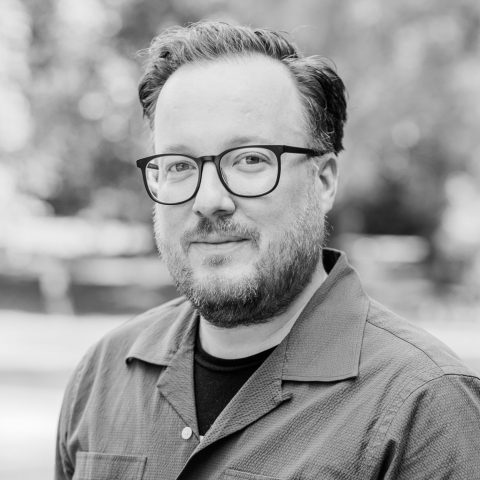
Isaac Cohen
Isaac Cohen is an Assistant Professor of Landscape Architecture at Auburn University with nearly two decades of experience in all aspects of park and urban public space issues. He has worked with communities nationwide on designing varied public spaces, advocating and fundraising for parks and engaging in research on critical issues shaping the use of public space. Most recently, he was an Associate at Studio Outside Landscape Architecture in Dallas, TX, where he brought extensive knowledge of the city’s neighborhoods, history and landscapes to projects ranging from built works to city-scale planning and equitable development. He is inspired by building relationships with the communities he serves and finding ways to represent and elevate their histories, experiences and connections to the land. His design research examines the relationship between contemporary landscape architecture practice and the social, cultural, economic and ecological uses of public space.
Support
This event is made possible by generous support from the following institutions: