GDES Professor Explores History Through Human Connection

For Robert Finkel, graphic design education is about putting people at the heart of every project.
Recently promoted from Associate to Full Professor, Finkel has served as the Graphic Design Program Chair in the School of Industrial and Graphic Design (SIGD) in 2021. His teaching, research and service continue to strengthen the university’s nationally recognized Graphic Design (GDES) program.
Since joining the faculty 13 years ago, Finkel has taught across the professional sequence, including graphic design history and studio. His courses emphasize the connection between concept, craft and cultural context while preparing students for professional practice. In Graphic Design History, he intentionally integrates underrepresented design histories alongside the traditional Western canon.

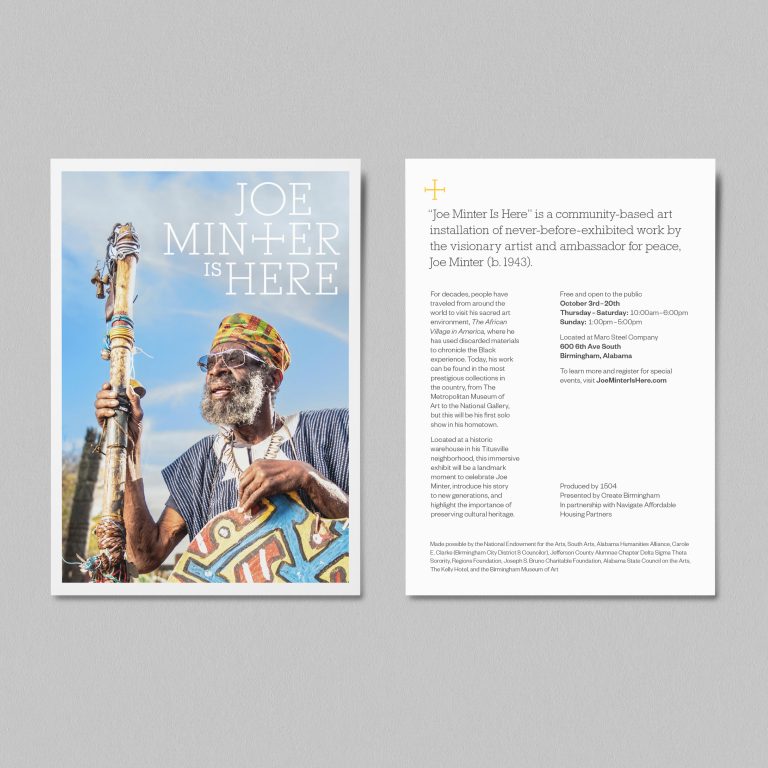
Finkel’s creative scholarship focuses on design’s intersections with history, community and material culture. Supported by a Cauthen Fellowship from the Alabama Folklife Association, he is currently researching and writing about rural Alabama artist James “Buddy” Snipes, one of the last living African American folk artists in the Chattahoochee Valley.

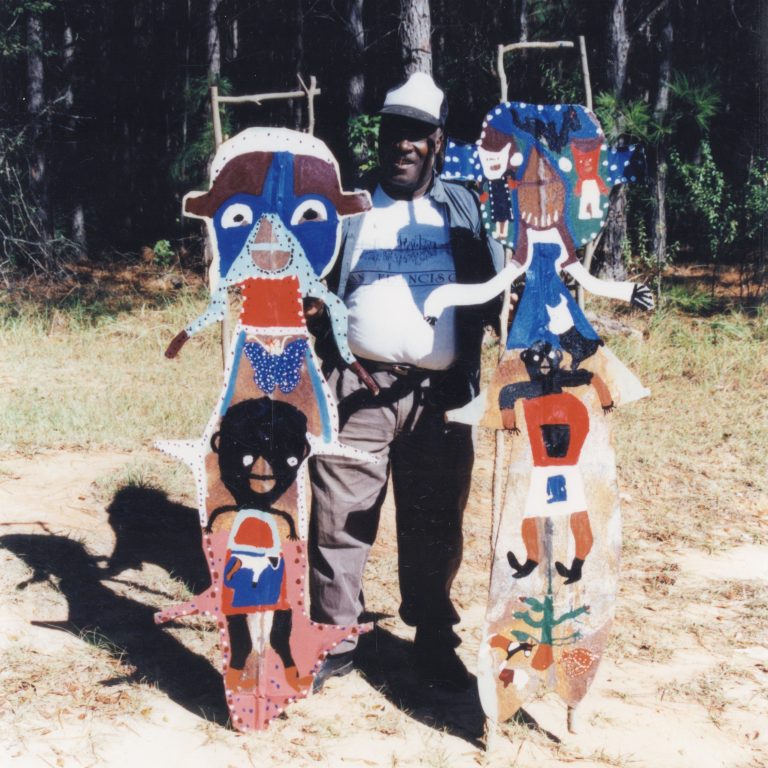
“Snipes’ inventive use of found materials and storytelling traditions makes his art a unique blend of personal imagination and community history,” Finkel said, mentioning a forthcoming article set to be published in Tributaries. “I hope this research sparks renewed interest in his legacy and encourages individuals and institutions to preserve his archive for future study.”
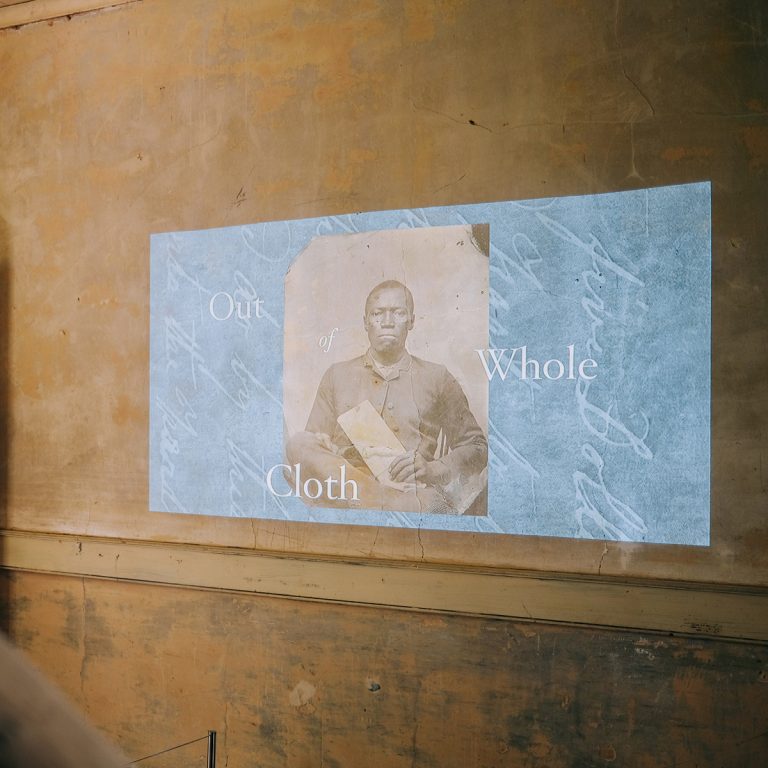
He also continues his collaborative work with the Wallace Center for Arts and Reconciliation (WCAR), where he and Associate Professor Elijah Gaddis of the Department of History are leading a history harvest and developing a collections policy with narrative studio 1504, using grant funding from the Alabama State Council on the Arts.

“Snipes’ inventive use of found materials and storytelling traditions makes his art a unique blend of personal imagination and community history,” Finkel said, mentioning a forthcoming article set to be published in Tributaries. “I hope this research sparks renewed interest in his legacy and encourages individuals and institutions to preserve his archive for future study.”
He also continues his collaborative work with the Wallace Center for Arts and Reconciliation (WCAR), where he and Associate Professor Elijah Gaddis of the Department of History are leading a history harvest and developing a collections policy with narrative studio 1504, using grant funding from the Alabama State Council on the Arts.
For Finkel, teaching is a reciprocal exchange.
“I’m constantly learning from my students—their curiosity and enthusiasm for new techniques and fresh sense of what’s possible remind me to stay open and not grow too comfortable in old habits,” he said. “What I really want them to learn from me and from the design process is that although we use design to address a variety of visual communication needs, design is a transferrable skill that can be used to tackle any problem.”
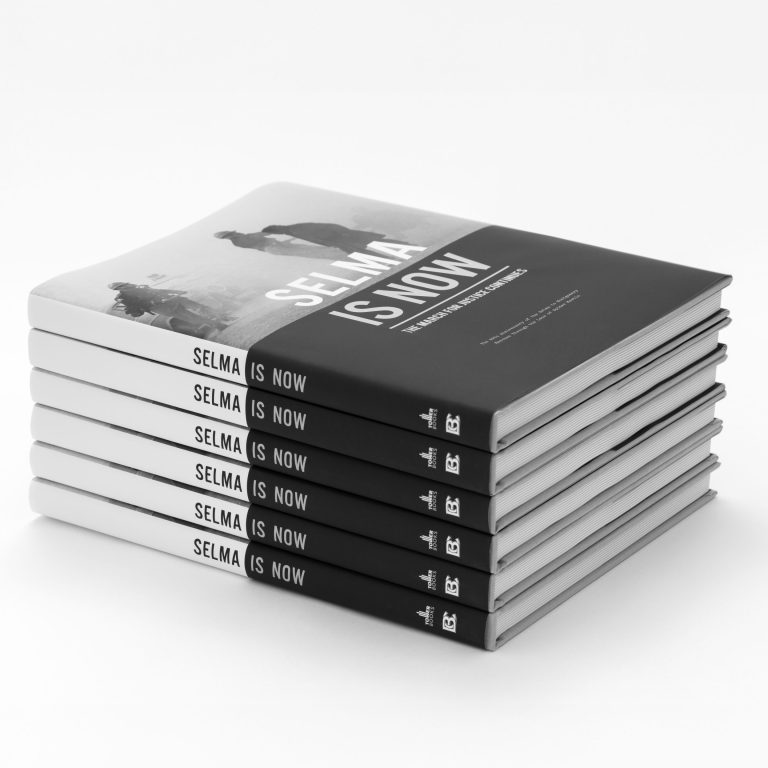
As the SIGD marks its 80th anniversary, Finkel’s leadership reflects its ongoing commitment to excellence, innovation and the integration of design with Auburn’s broader mission of community engagement.
Related people:
Robert Finkel