GDES Alumni Design 75th Exhibition at Birmingham Museum of Art
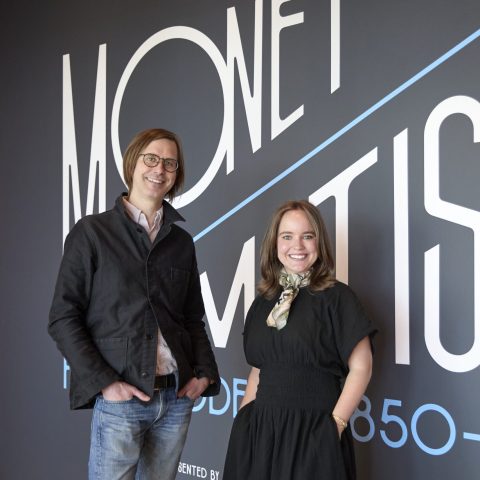
The debut of a new exhibition at the Birmingham Museum of Art marks both an institutional milestone and the creative impact of Auburn-trained designers.
“Monet to Matisse: French Moderns, 1850–1950” opened in January, kicking off the museum’s 75th anniversary year and featuring more than 100 works drawn from the Brooklyn Museum and the museum’s own permanent collection.
Behind the scenes, the exhibition’s visual identity and gallery experience were shaped by School of Industrial and Graphic Design (SIGD) alumni James Williams ‘02 and Mary Pat McGlawn ‘19.
Williams, the Director of Design and Technology at the museum, and museum designer McGlawn collaborated on nearly every aspect of the project—from exhibition layout and wall graphics to signage, branding and marketing. The result is a dynamic yet restrained design approach that supports the artwork without overwhelming it.
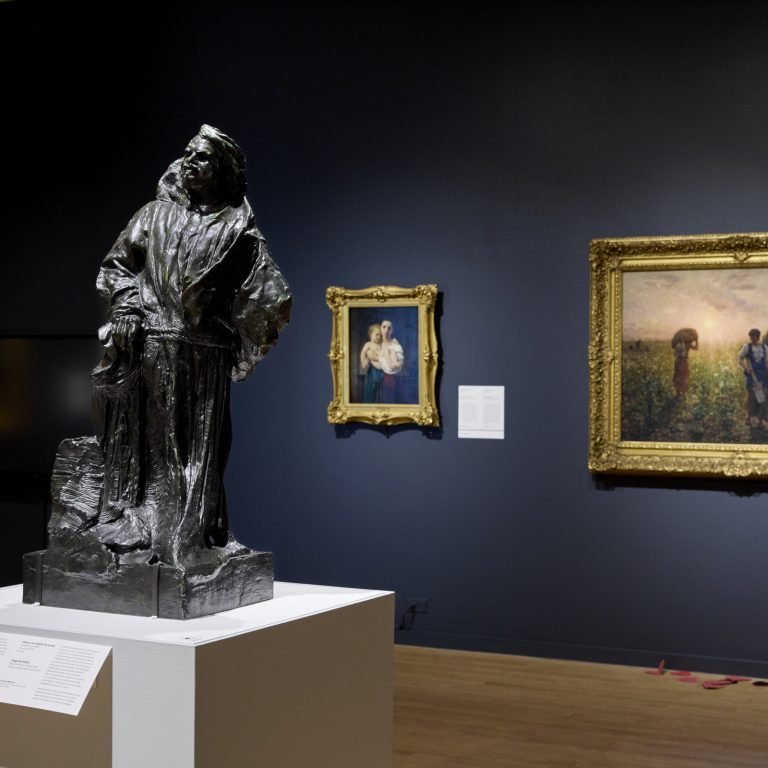
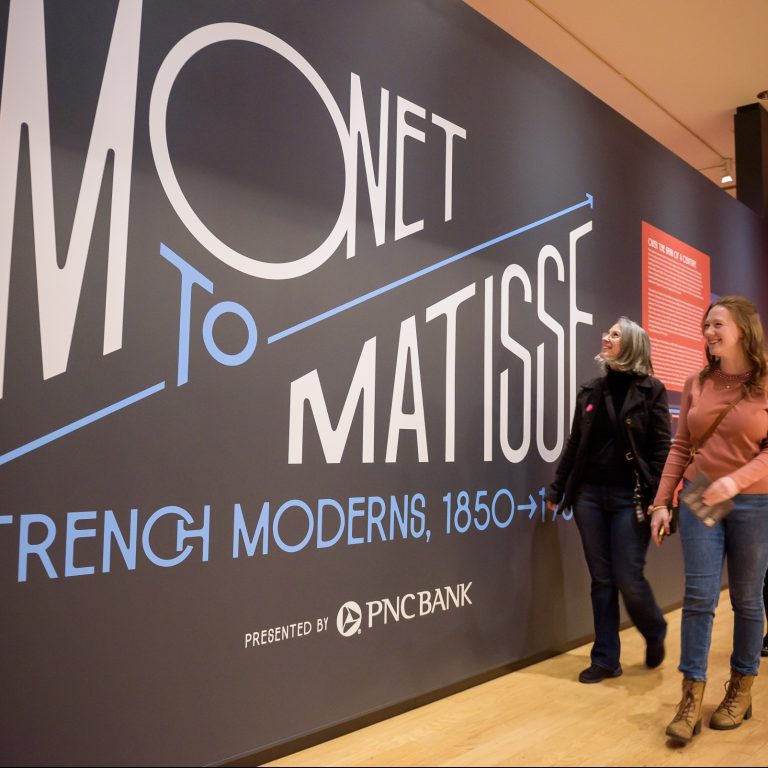
“The starting point for almost all work here is the art itself,” Williams said. “It always starts with the concept. You always have to think through the project and define your conceptual framework for the work you’re doing first and foremost. Otherwise, it’s just decoration, which doesn’t solve problems.”
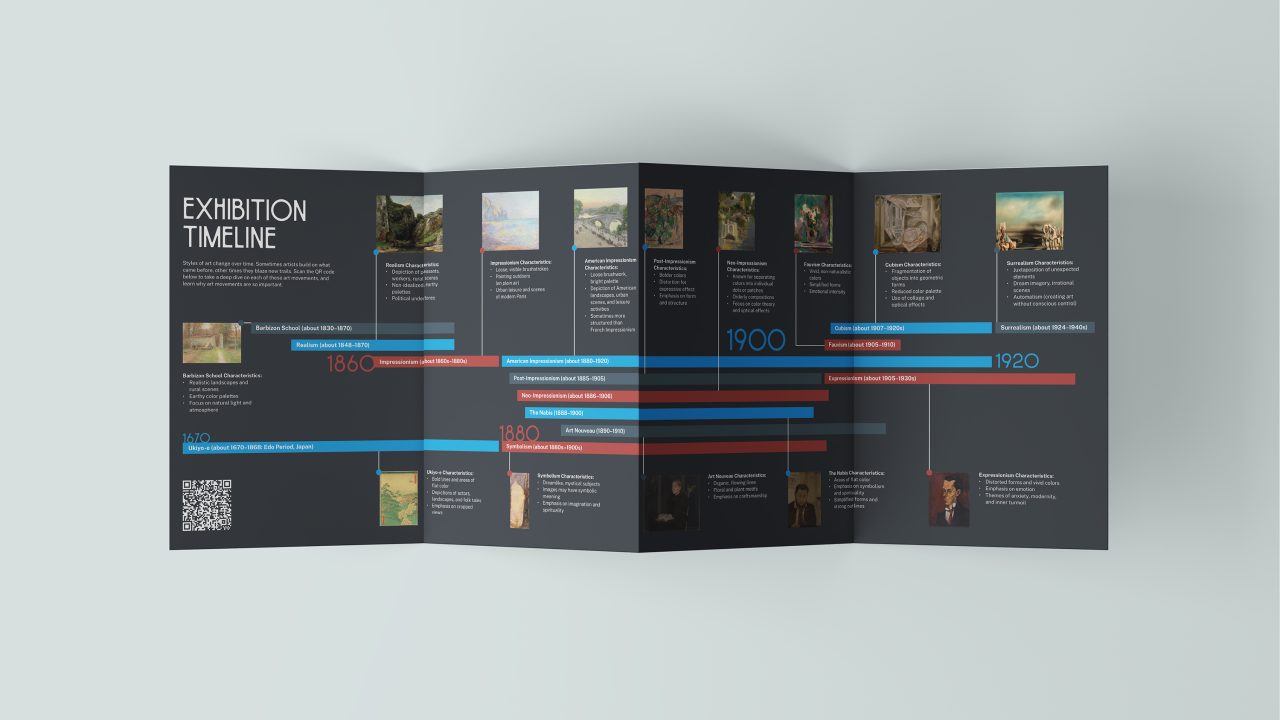
Spanning a century of artistic innovation, the exhibition traces France’s role as the epicenter of modernism through four thematic sections: Landscape, Still Life, Portraits and Models and The Nude with works from Paul Cézanne, Mary Cassatt, Edgar Degas, Henri Matisse, Claude Monet, Camille Pissarro and Pierre-Auguste Renoir. Design choices were informed by the energy and rapid change of the period, drawing inspiration from vintage French type specimen books, avant-garde poster design and the evolving visual language of modernism.
McGlawn emphasized the importance of restraint and craft—lessons rooted in her Auburn education, which taught her that good design supports rather than overwhelms.
“Good design, to me, fits into a space without being distracting,” she said.
Her introduction of a carefully controlled color palette—a bold red, soft gray and deep blue-gray that subtly reference the French flag—helps guide visitors through the galleries and reinforces the exhibition’s narrative flow.
The project was nearly 18 months in the making, requiring close coordination across curatorial, design and installation teams. For both designers, the exhibition reflects the strength of Auburn’s Graphic Design program, which emphasizes process, conceptual thinking and holistic problem-solving.
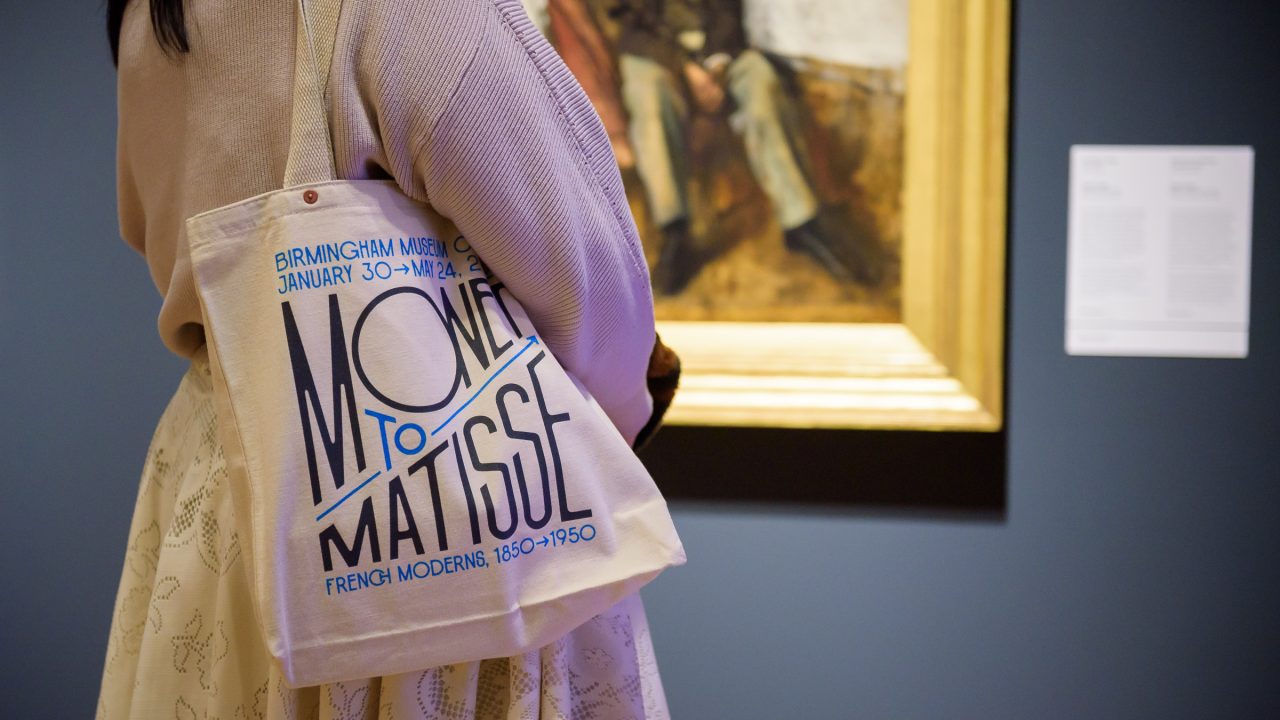
As the museum celebrates 75 years, “Monet to Matisse” serves as both a visual centerpiece and a full-circle moment—honoring the institution’s history while showcasing the depth of its collection and the lasting influence of Auburn-trained designers shaping cultural experiences today.
See more in:
Alumni,
Alumni Recognition