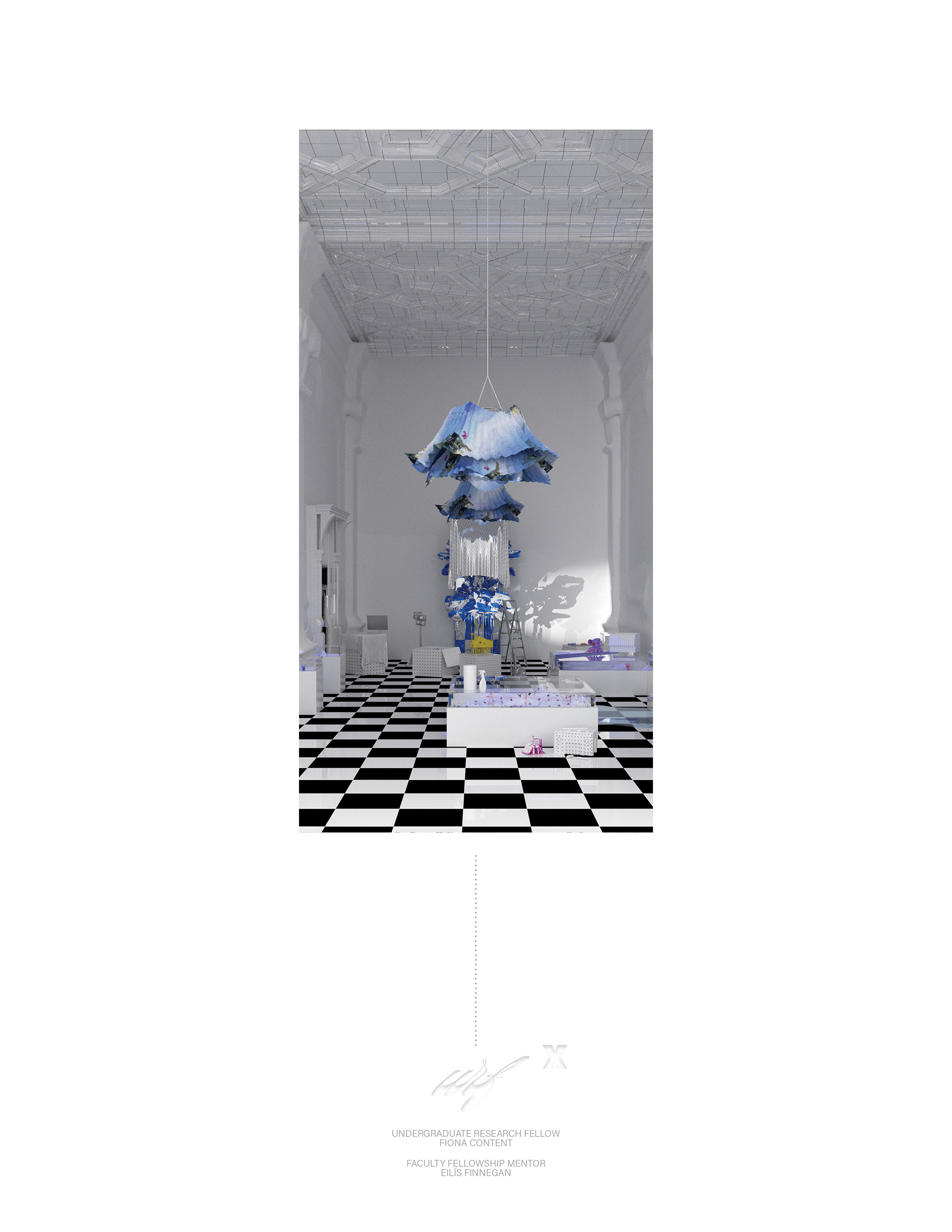
/Blend(ing) Industrial Intelligence: Infrastructure and Stories
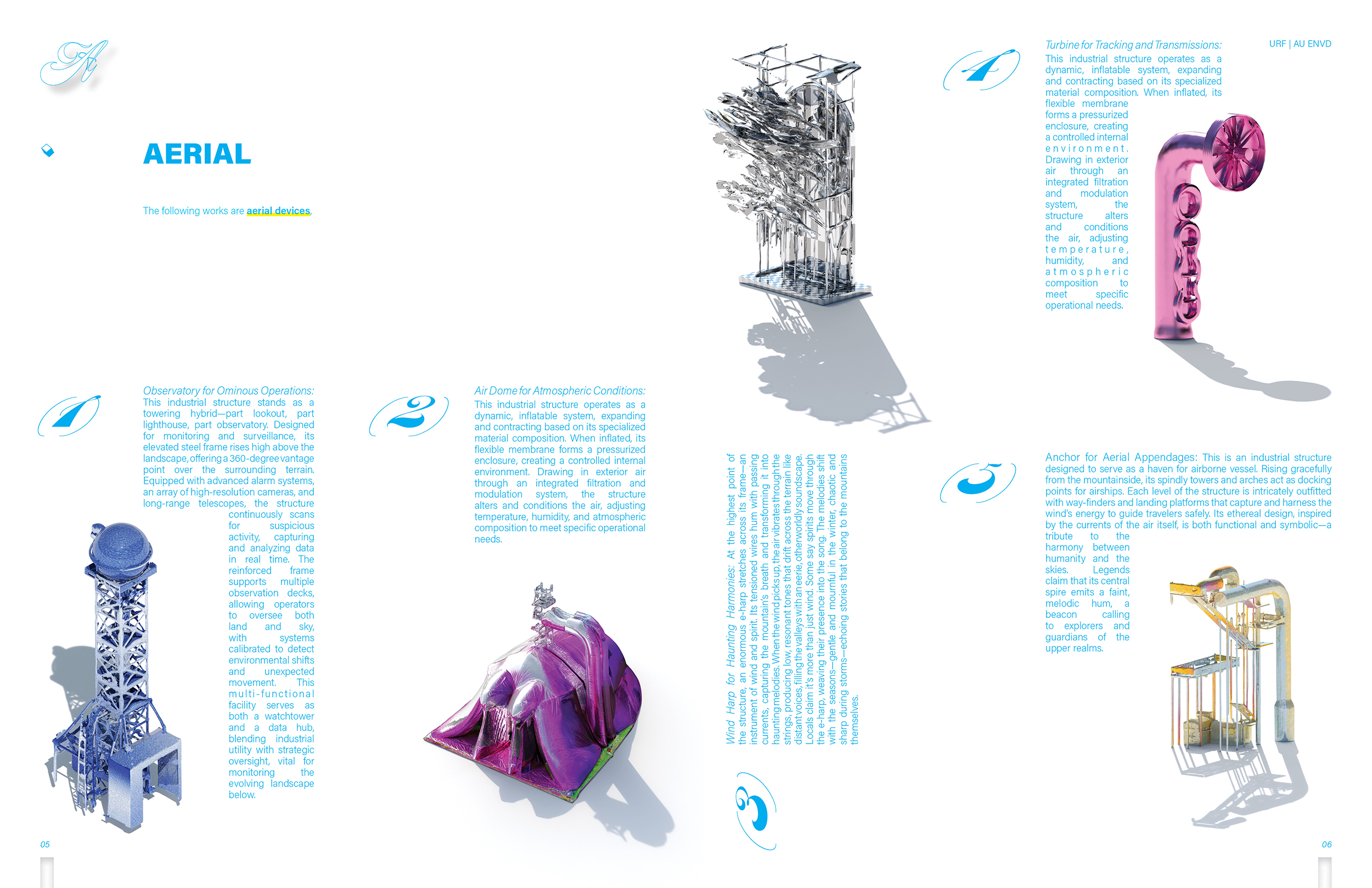
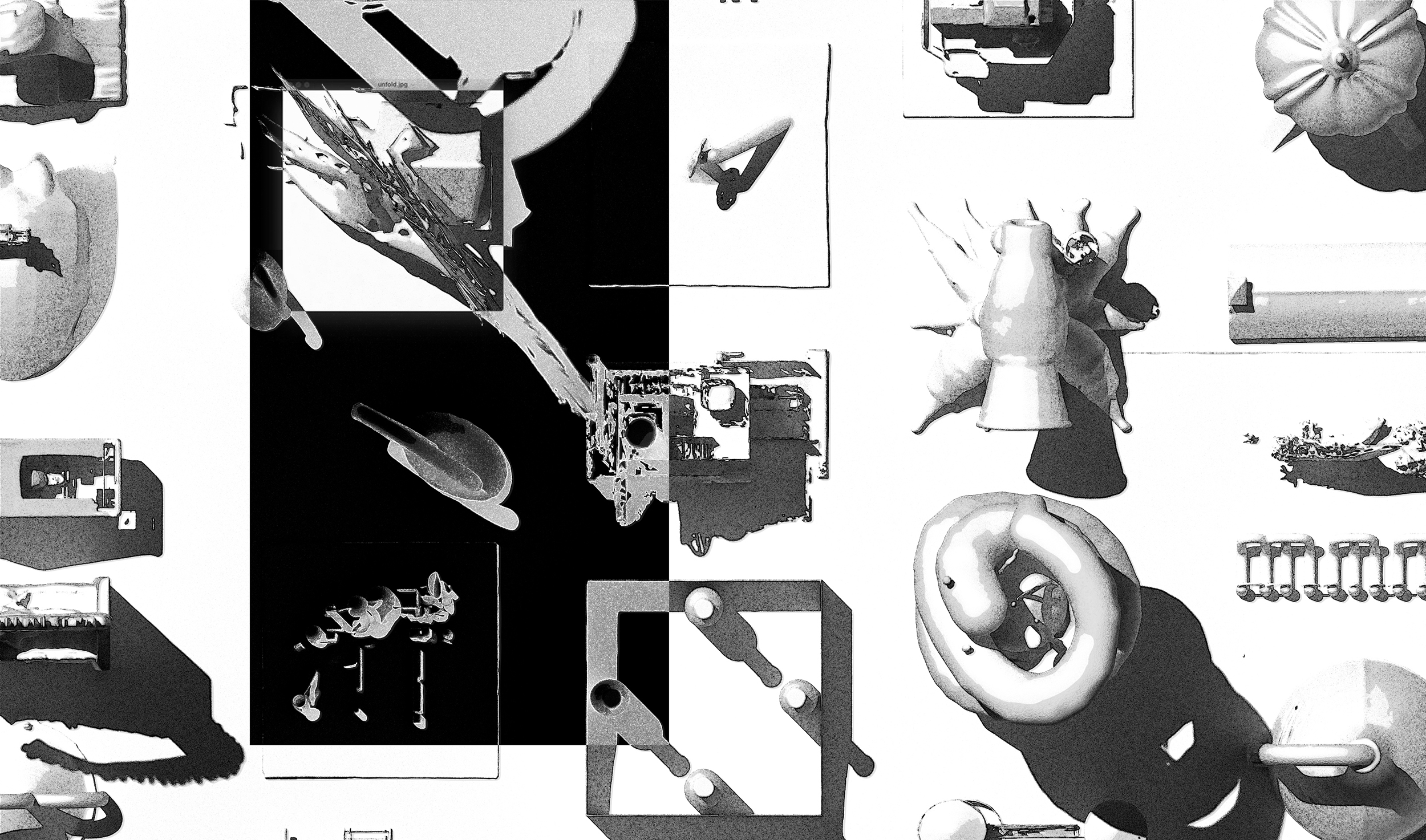
/Blend(ing) Industrial Intelligence: Infrastructures and Stories is a creative research project exploring generative AI (GENAI) (Cornell University Office of Research & Innovation, 2025) software for speculative architectural design, developed and co-created by an undergraduate research fellow. It investigates how image-to-image pixel coding with Midjourney.ai (Midjourney, 2025), image-to-mesh modeling with Meshy.ai (Heinrichs, 2024) and mesh-to-3D printing with Bambu Lab (Bambu Lab, n.d.) can hybridize architectural tropes and geometric languages — workflows engaging with contemporary AI-assisted architectural design research and practice.
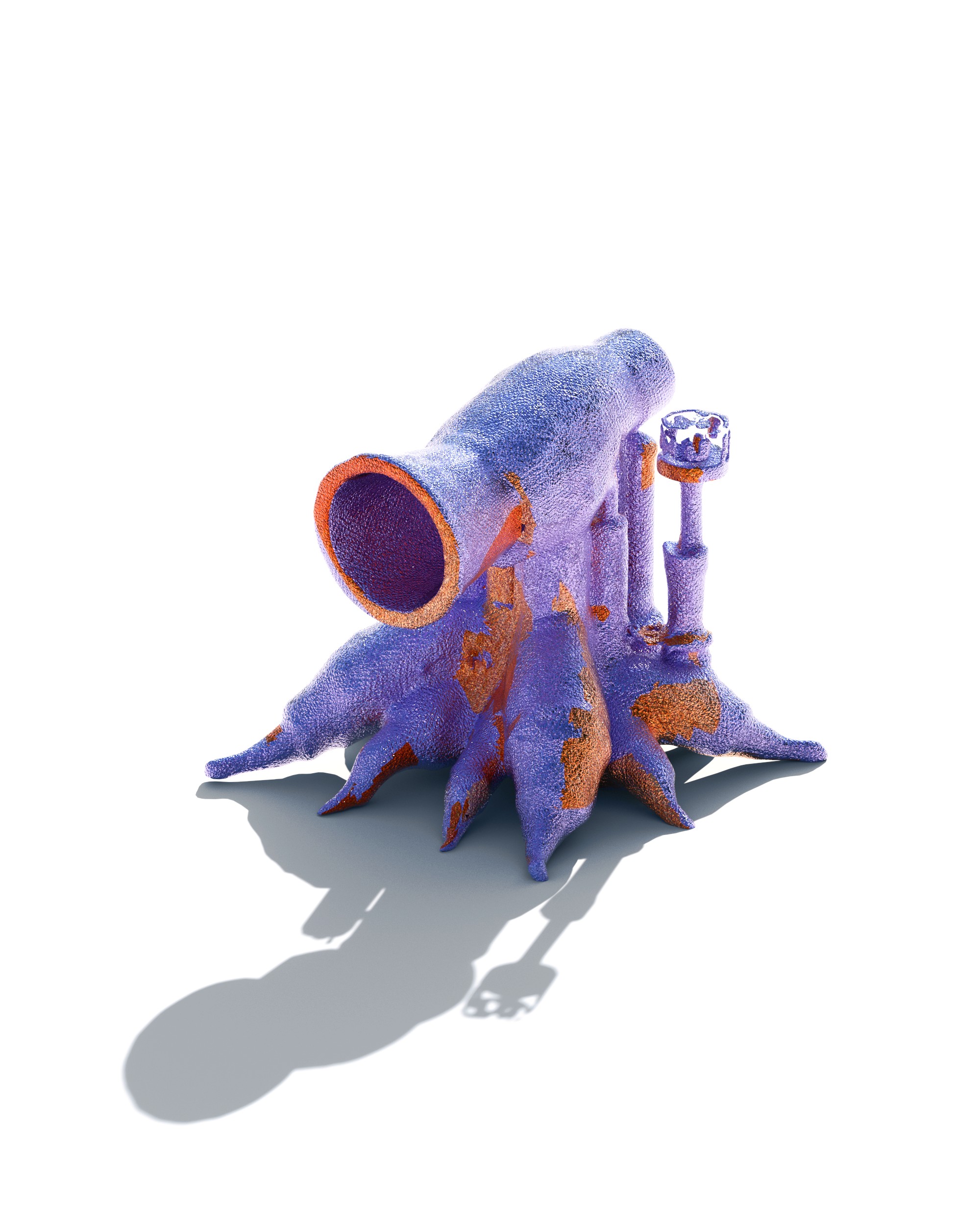
This research examines GENAI’s role in representing and fabricating speculative proposals, focusing on systems that merge high-tech and low-tech interfaces, adaptive technologies and the collective memory embedded in community-based infrastructures. Prototypes such as Stills for Shadows and Spirits, an Observatory for Ominous Operations and a Turbine for Tracking and Transmissions speculate on architectural vernacular, machine hallucinations (del Campo & Leach, 2022) and uncanny forms.
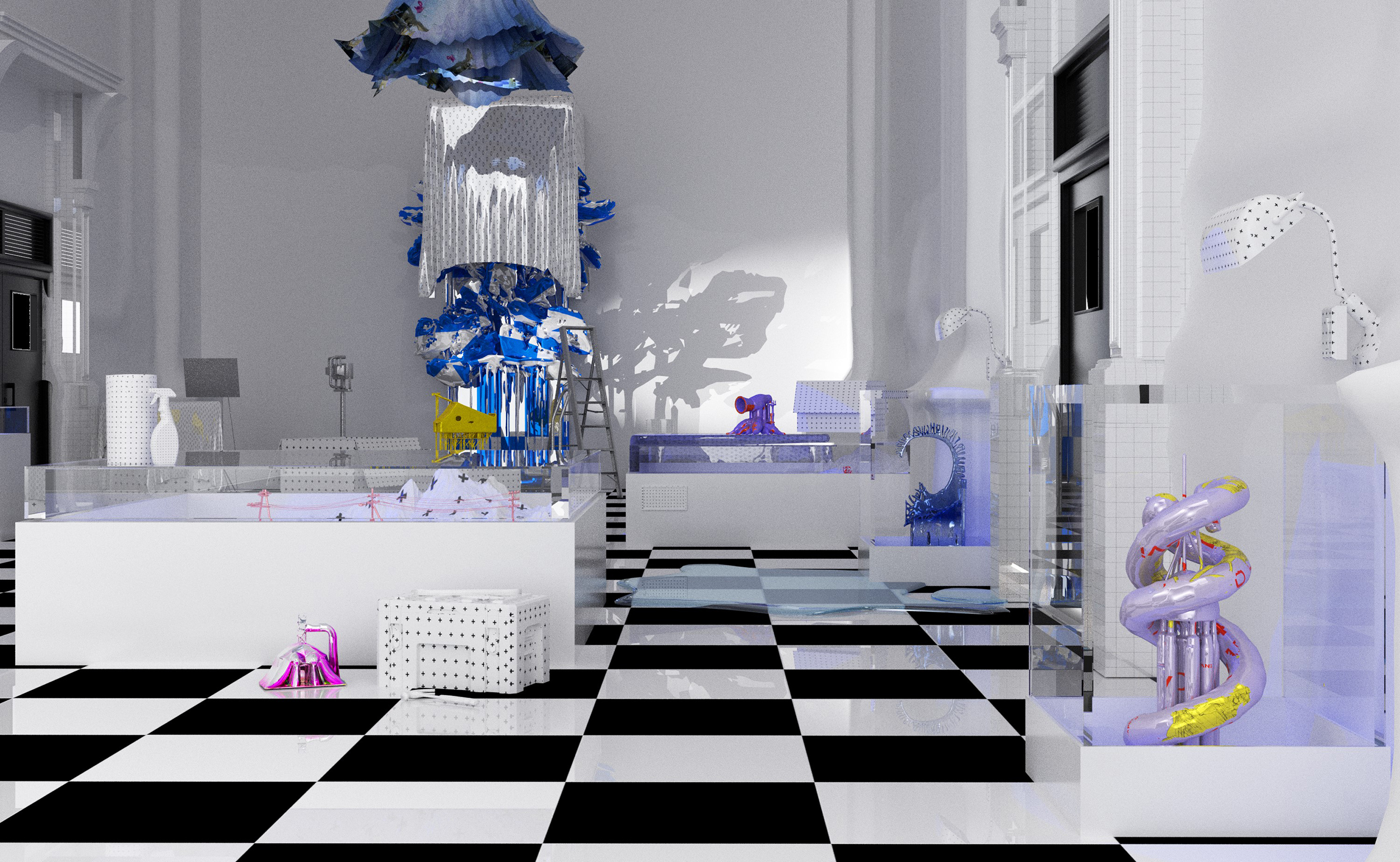
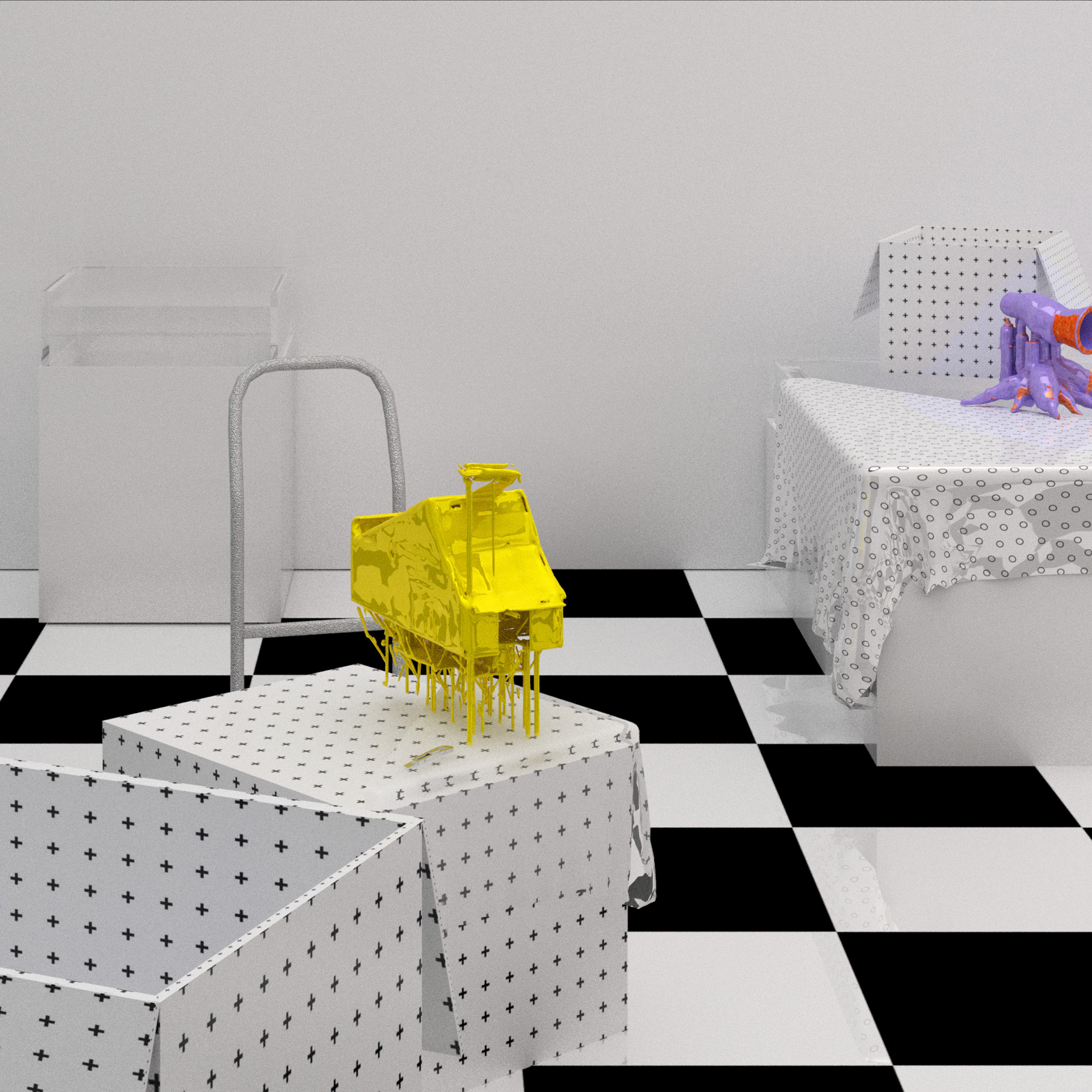
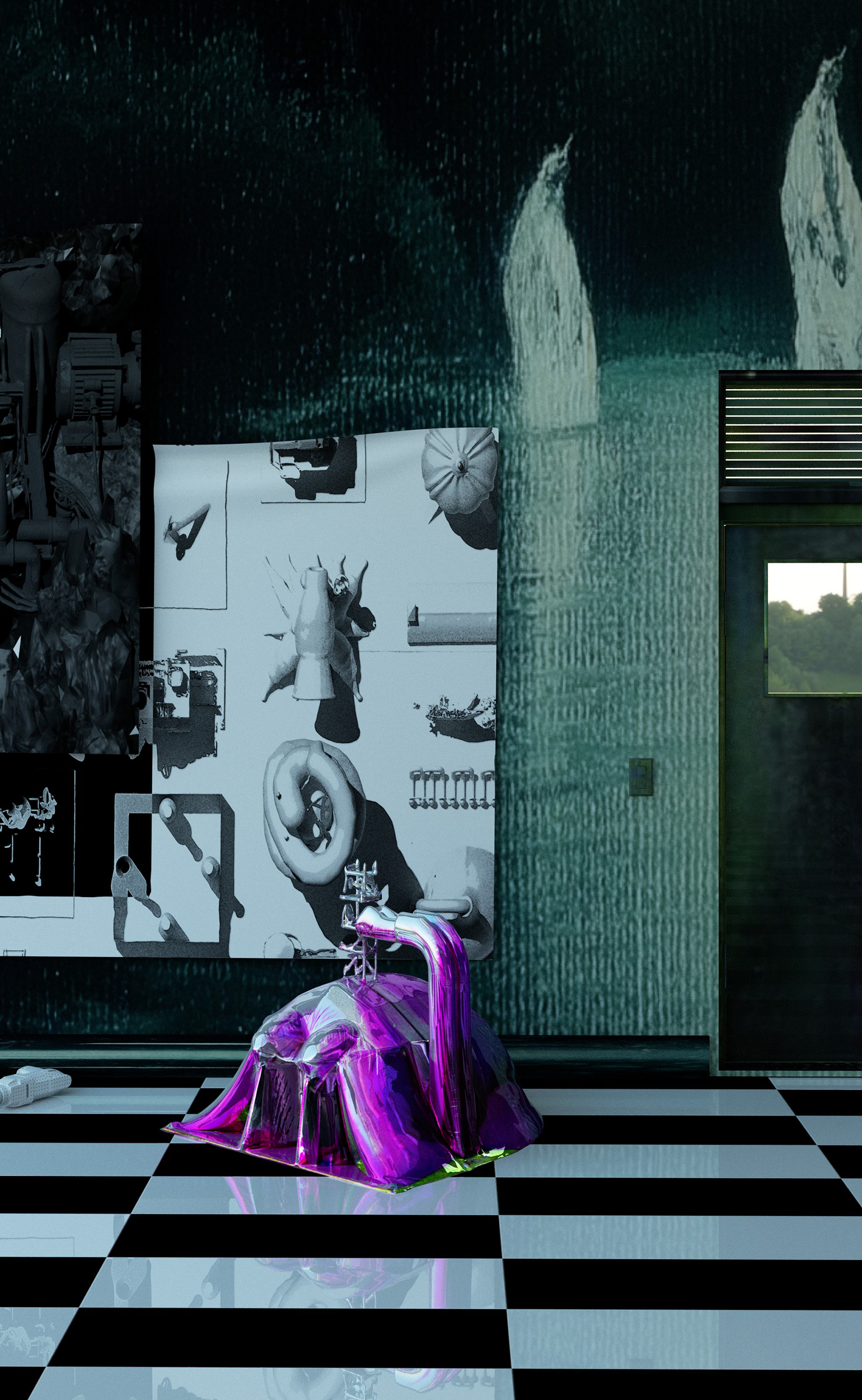
The project explores “phygital” (Brownell, 2024) design—the fusion of physical and digital artifacts—while assessing GENAI’s viability in speculative architecture and design research. As such, a series of renderings and 3D-printed constructs highlight these hybrid forms, contributing to an informational booklet documenting generative computation in spatial design.
This research explores how Generative AI (GENAI) technologies are reshaping architectural design by enabling new workflows that blend typologies and geometries through tools like Midjourney (image-to-image), Meshy (image-to-mesh) and Bambu Lab (3D printing). Focusing on rural industrial systems and community infrastructures, this research speculates on the convergence of high- and low-tech interfaces through adaptive tools, machine hallucinations and folklore.
It is critical to note that this work is operating under the ethos of human and AI collaboration, rather than unauthored production. While some studies argue that carbon emissions of AI image generation are lower than that of digital illustration on a standard desktop computer (Tomlinson et al., 2024), this work prioritizes the development of 3D mesh digital and physical models to move beyond the high-impact, low-return of single images.