CADC Staff Member Publishes Book on Color in Architecture
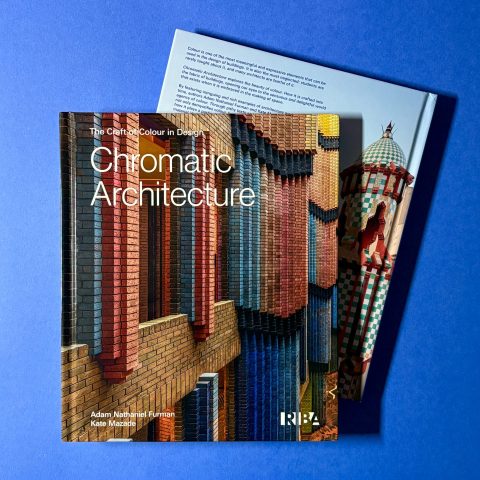
Kate Mazade, the Communications Editor for the College of Architecture, Design and Construction (CADC), has published a new book exploring how color is crafted into buildings across the world.
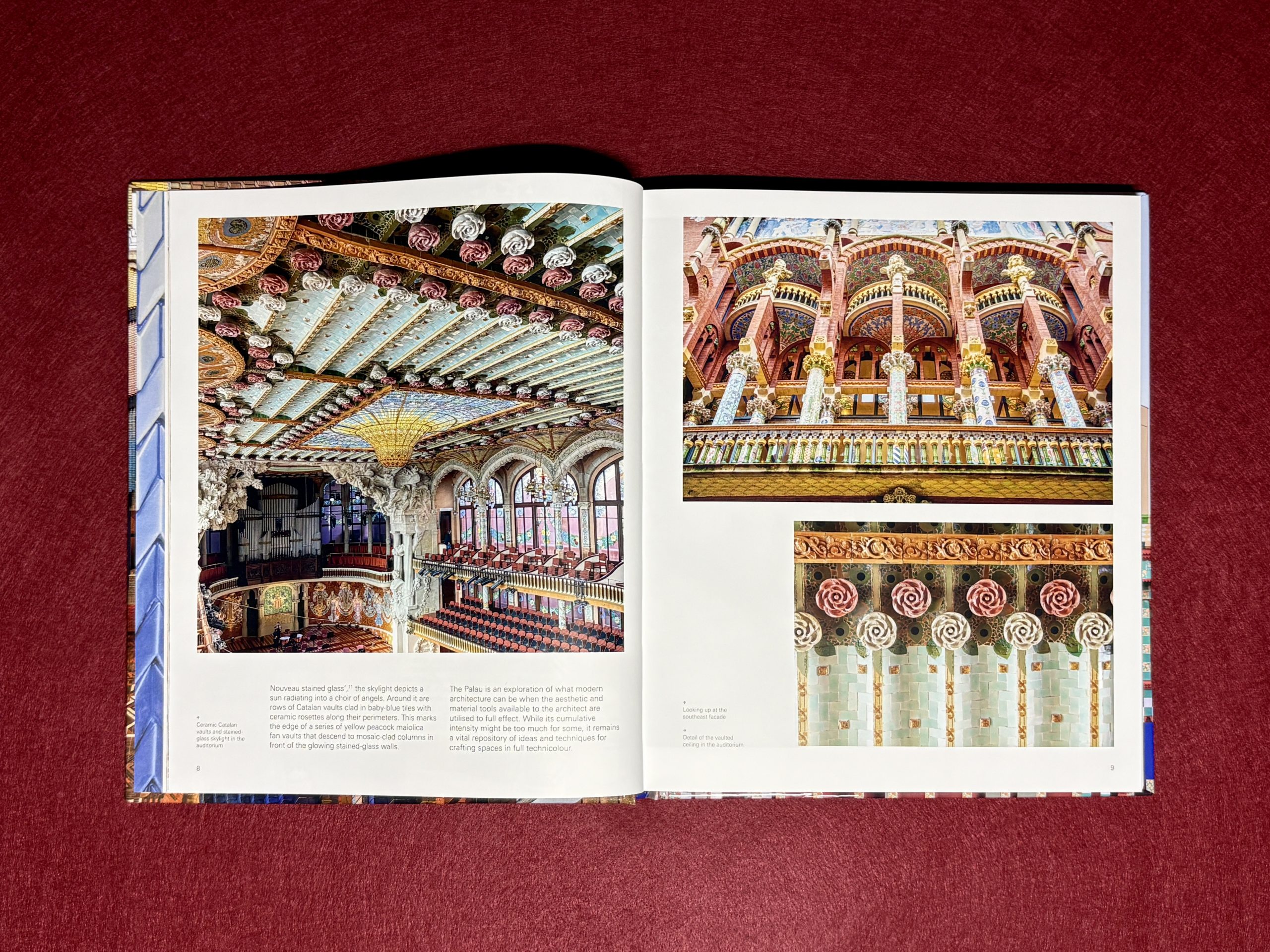
Mazade, a design journalist and 2019 graduate of the School of Architecture, Planning and Landscape Architecture (APLA), collaborated with London-based designer Adam Nathaniel Furman on “Chromatic Architecture: The Craft of Colour in Design.” Published by the Royal Institute of British Architects (RIBA) at the beginning of September, the book celebrates how color can be used as a design tool, embodies both material and cultural identity and changes how people experience a space.
“The book emphasizes the seriousness and sincerity of color. Throughout my time in architecture school, design media and the creative industry as a whole, there has been a sense that statement ‘Architecture’ is white, neutral, monotone or ‘pure’ and doesn’t need color or ornament to tell its story,” she said. “This book is about showing how color brings a human touch to design and has a way of conveying emotion that can sometimes be limited by form or function.”
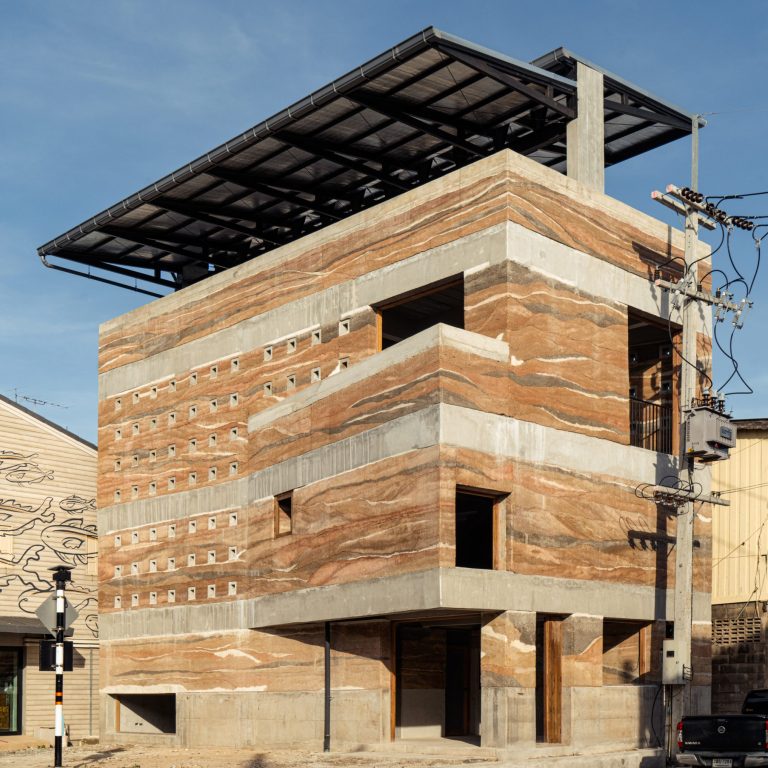
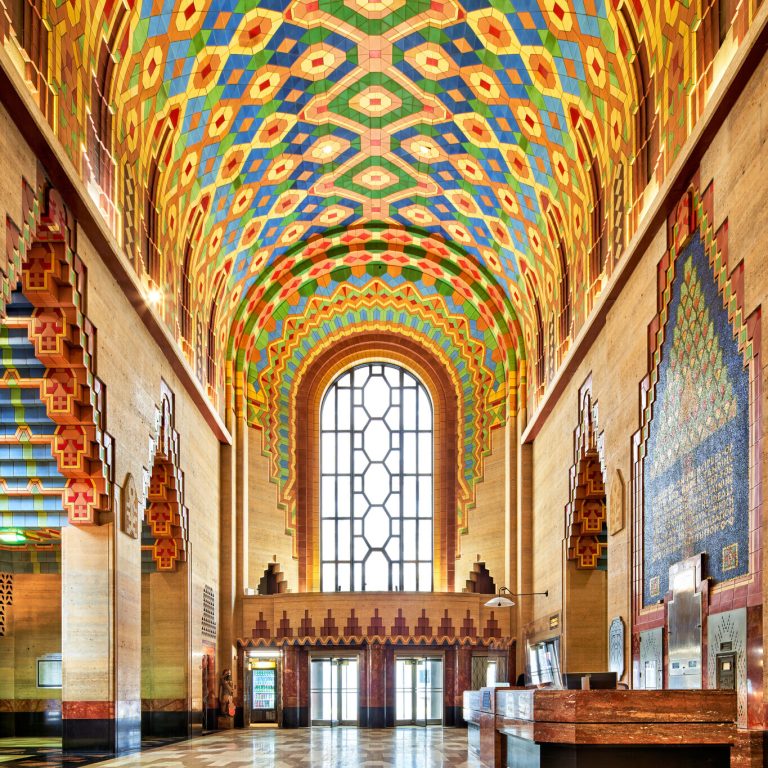
Chromatic Architecture includes an introductory essay of the major historical milestones of polychromy in the built environment, followed by 34 case studies that showcase architecture projects with color inherently crafted into the design. The projects—from the Sri Ranganatha Swamy Temple started in the 12th century in India to a rammed earth multipurpose building completed by Suphasidh Architects in Thailand in 2024—show readers how terracotta, glass, ceramic, brick, metal and more can and have been used to create spaces with distinct identities.
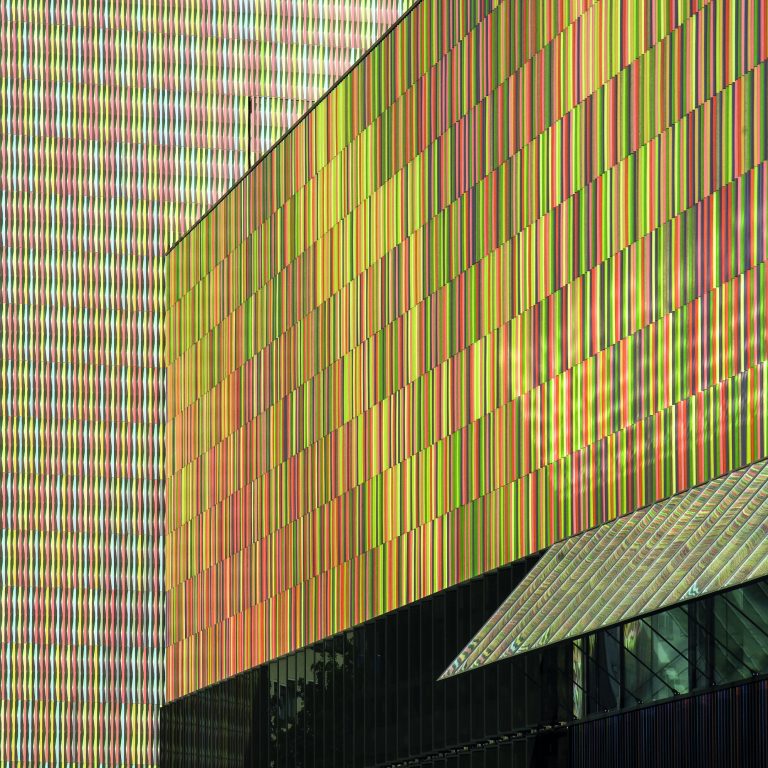
Some of the core themes of the book trace back to lessons Mazade learned in architectural history, materials and studio courses as part of the Architecture program.

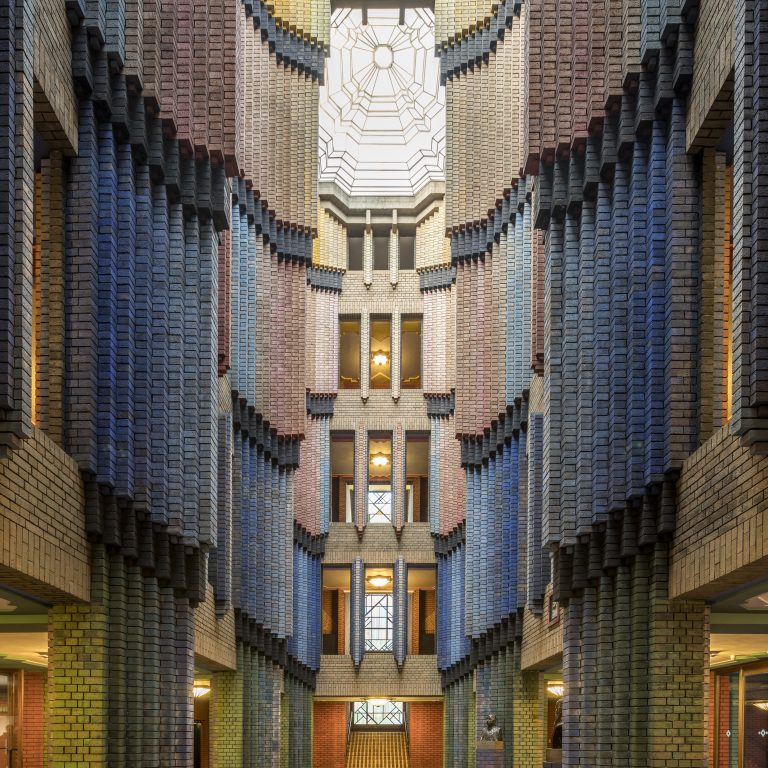
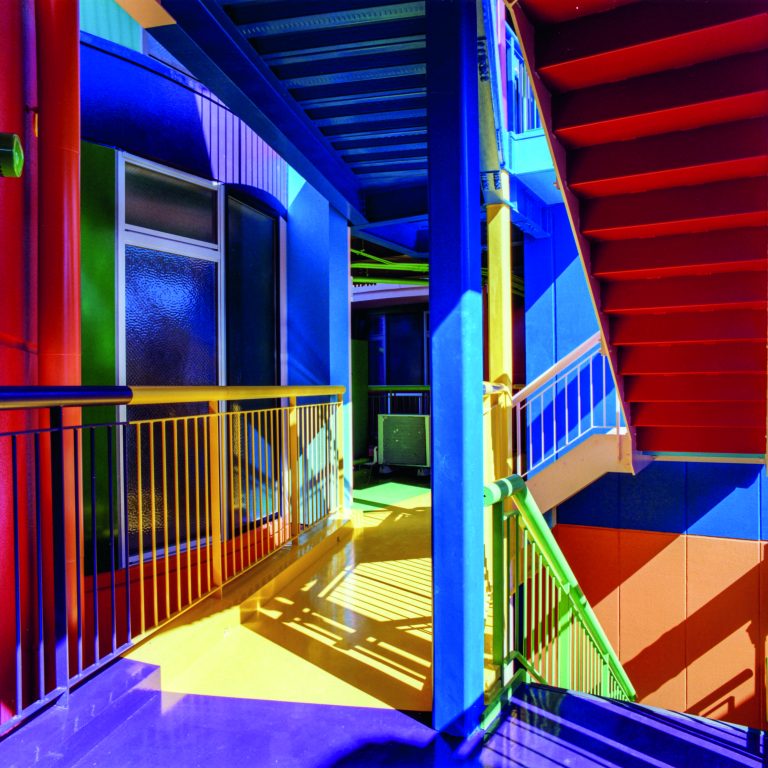
“Color is less about frivolity or experimentation and more about boldness and a genuine enjoyment of emotion and identity,” Mazade said. “Architecture school taught me to look beyond the physical design of a building to see how space is both of and for the people who use it, and this book really celebrates that.”
See more in:
Alumni,
Alumni Recognition,
Staff Recognition