CADC Seed Grant Research Comes to Life at Rural Studio’s Homestead Day

Research supported by the College of Architecture, Design and Construction’s (CADC) Seed Grant program recently moved from the studio and laboratory into the community during Rural Studio’s 2026 Homestead Day in Newbern, Alabama.
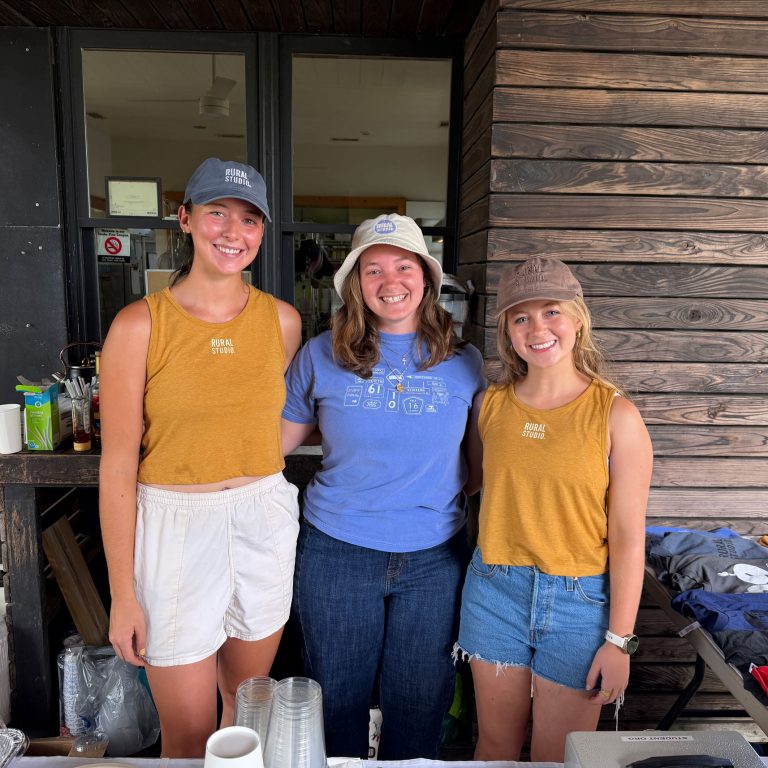
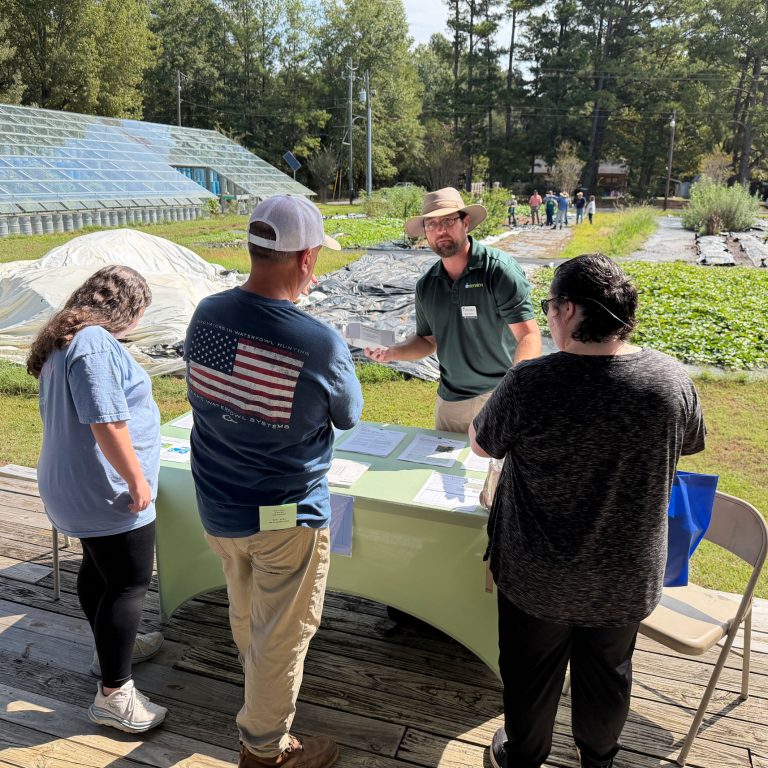
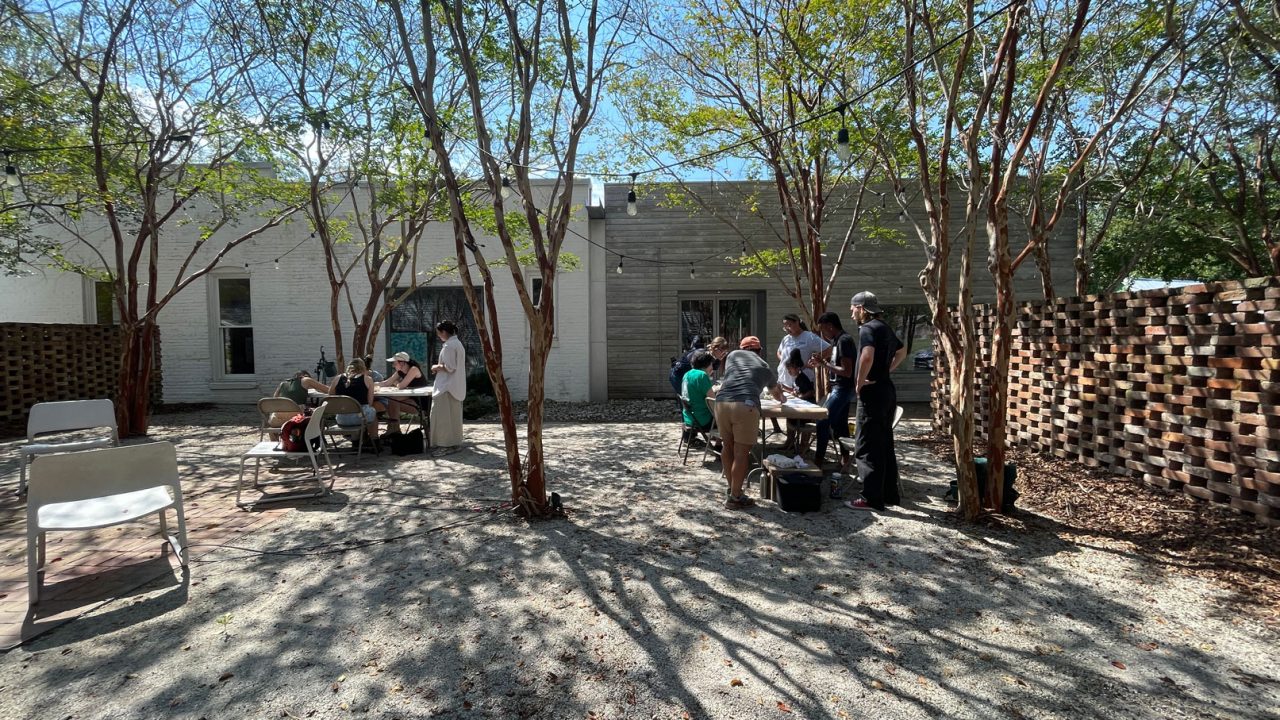
Held on September 12, the inaugural event provided an opportunity for the ACES Aquatic Resources team and Rural Studio faculty, students and community members to engage with responsible land ownership research focused on the Alabama Black Belt, including two projects supported by CADC Seed Grants.
The CADC Seed Grant program provides early-stage funding to faculty pursuing new research, scholarship and creative work with potential to develop into larger projects, external funding opportunities or long-term collaborations.
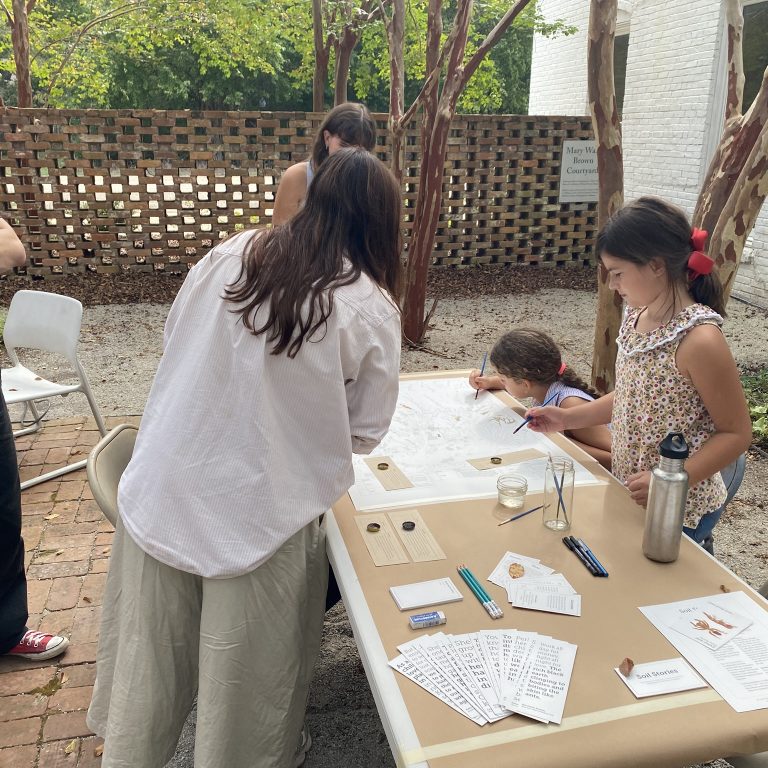
Gwendolyn Cohen, an Assistant Professor of Landscape Architecture, received a 2025 Seed Grant for her project “Soil Stories,” an interdisciplinary exploration of the scientific, cultural and personal histories contained in the region’s soil.
“Soil connects us to one another and makes our lives above ground possible,” Cohen said. “It also holds deep memories, especially in the Black Belt of Alabama.”
Building on previous research through the Soil Atlas of the Alabama Blackland Prairie, Cohen studied soil through scientific analysis, visual art and literature. Intended to spark curiosity about the material and encourage a deeper connection to place, her research included collecting soil samples, processing them into pigments, examining them under microscopes and creating large-format drawings depicting microscopic soil.
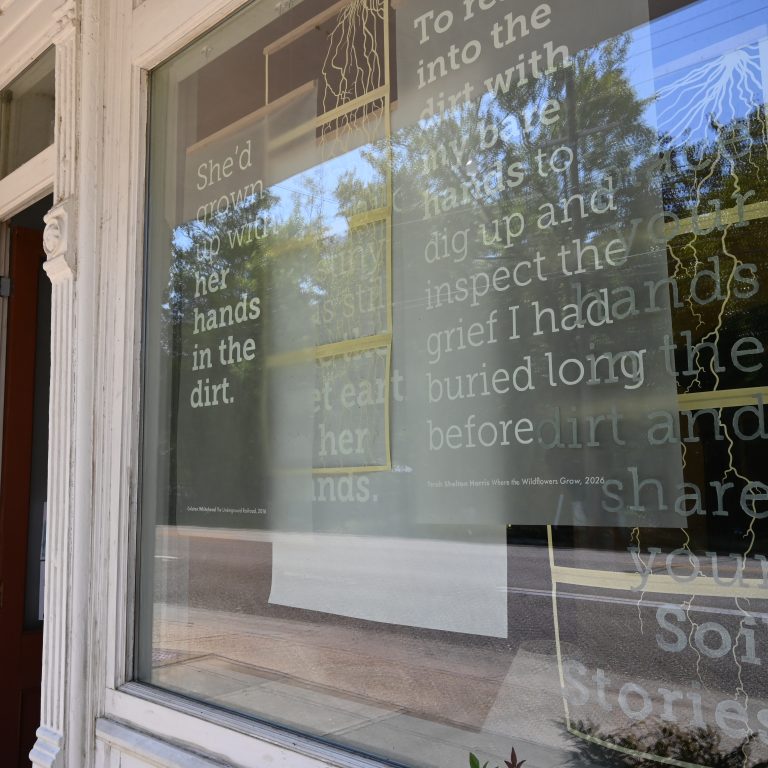
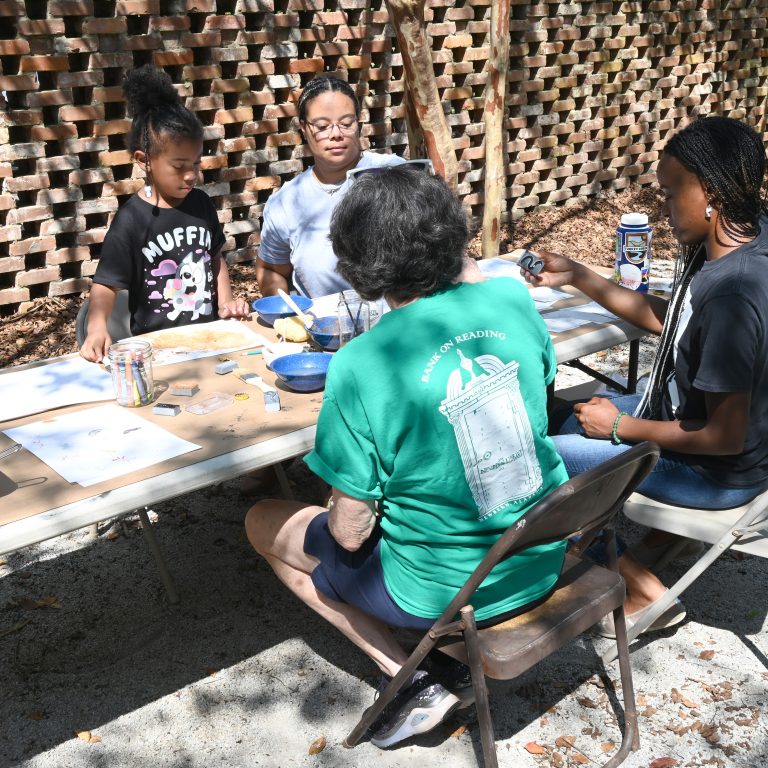
At Homestead Day, that exploration became hands-on. Community members could observe soil directly, create paints from soil pigments and contribute to a paint-by-number map of the region. The project also brought that research back to the community through an exhibit at the Newbern Library that featured soil quotations from literature, large illustrative soil sections and books celebrating soil.
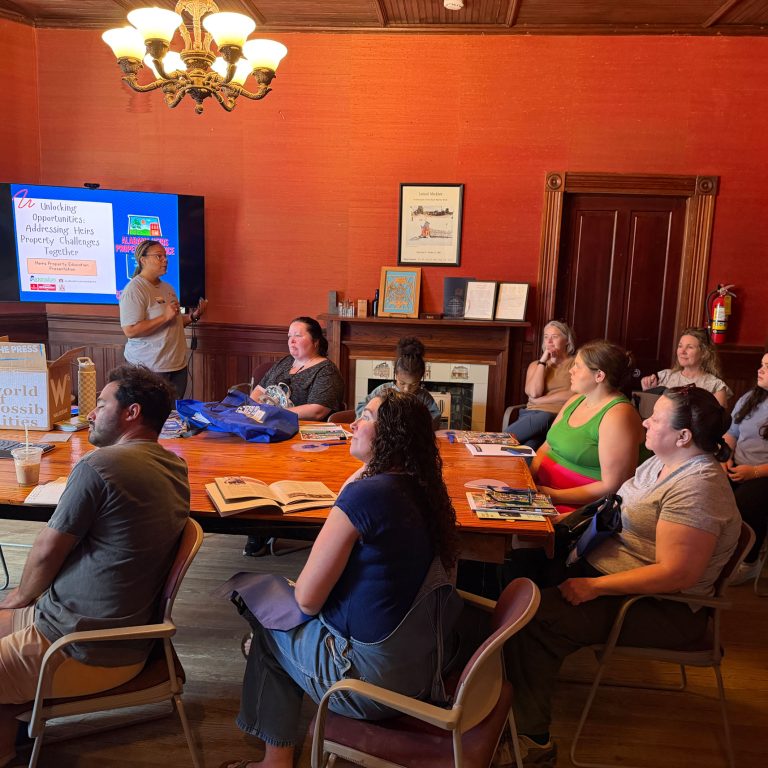
Architecture Assistant Professor Aurélie Frolet and Rural Studio Associate Professor Emily McGlohn teamed up for a research project entitled “Imaging Underground: Visually Illustrating Wastewater Systems to Inform and Empower Black Belt Communities” that uses visual communication to make an often-hidden part of Black Belt infrastructure more understandable. Presented in an exhibition during Homestead Day, the project translates technical information about wastewater systems into accessible drawings and diagrams that illustrate how sewer networks, septic systems and alternative wastewater solutions function.
The work builds on McGlohn’s Rural Wastewater Demonstration Project and Frolet’s scholarship in architectural drawing and water infrastructure. Together, their work aims to make complex systems more legible and help communities understand available wastewater options.
“The Imaging Underground exhibit made understanding wastewater a beautiful thing to learn about,” McGlohn said. “The CADC Seed Grants are excellent opportunities for new partnerships to explore new ideas. Homestead Day is just the beginning for us.”
Both projects demonstrate the role CADC Seed Grants can play in connecting research, design and community engagement. From the microscopic world beneath the soil to the underground infrastructure serving rural homes, the projects bring complex research into public view—creating opportunities for residents to explore, understand and connect with the places they call home.
See more in:
Community Engagement,
Creative Work,
Faculty Collaboration,
Faculty Recognition,
Faculty Work,
Outreach,
Research,
Rural Studio
Related people:
Emily McGlohn,
Gwendolyn Cohen,
Aurélie Frolet