BSCI Alum Found Confidence at Auburn
Growing up in Dothan, Alabama, Quick Foy ’75 said Auburn has always been in his blood.
The youngest of four children, Foy watched as his siblings followed in his father’s, grandfather’s, aunts’ and uncles’ footsteps to Auburn University, but he was still figuring out what he wanted.

After high school, Foy worked for a concrete company run by Auburn civil engineering alum James L. Rodgers, who encouraged him to pursue his education, which he eventually did, graduating from the McWhorter School of Building Science (BSCI) in 1975.
“Auburn gave me the confidence to think I was capable of walking and talking with practically anybody,” Foy said. “It gave me the arsenal to go to meetings with owners, architects, engineers and consultants and be in the conversation.”
After graduating, Foy headed to Nashville to work for Rodgers’ brother Joe at his construction company, Joe M. Rodgers & Associates, cutting his teeth building hospitals across the country.
In the late 1970s, Joe M. Rodgers & Associates sold to investors when Rodgers transitioned into politics—eventually becoming the Ambassador to France under President Ronald Reagan—but Foy stayed in touch with the company’s other owners and followed them to the newly founded American Constructors, Inc. in 1982.
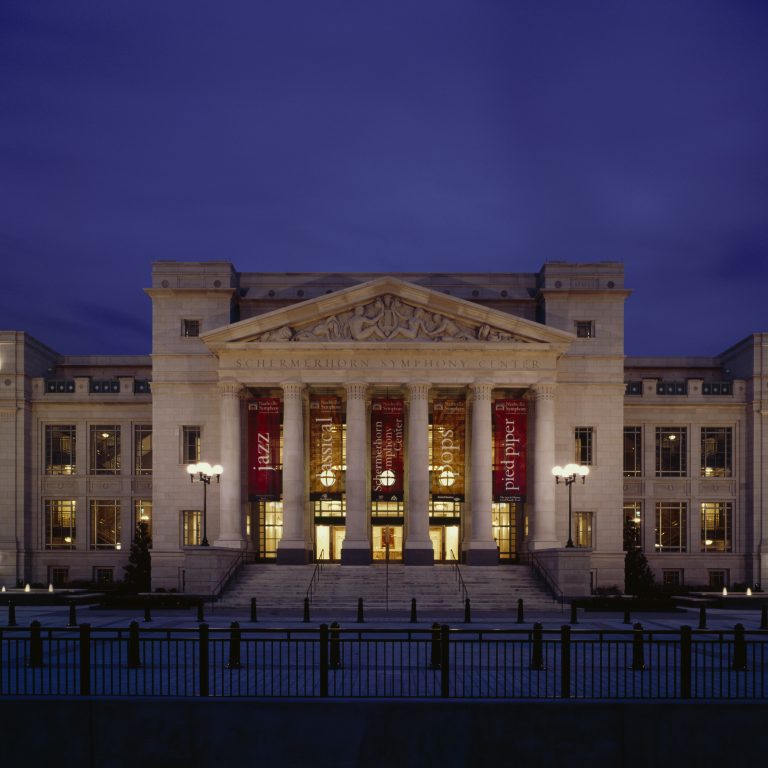
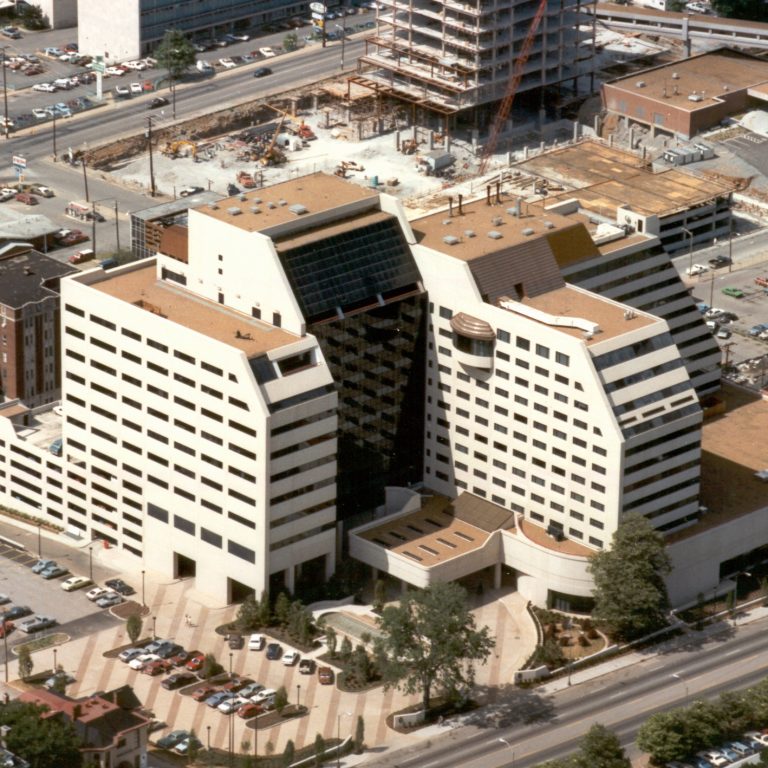
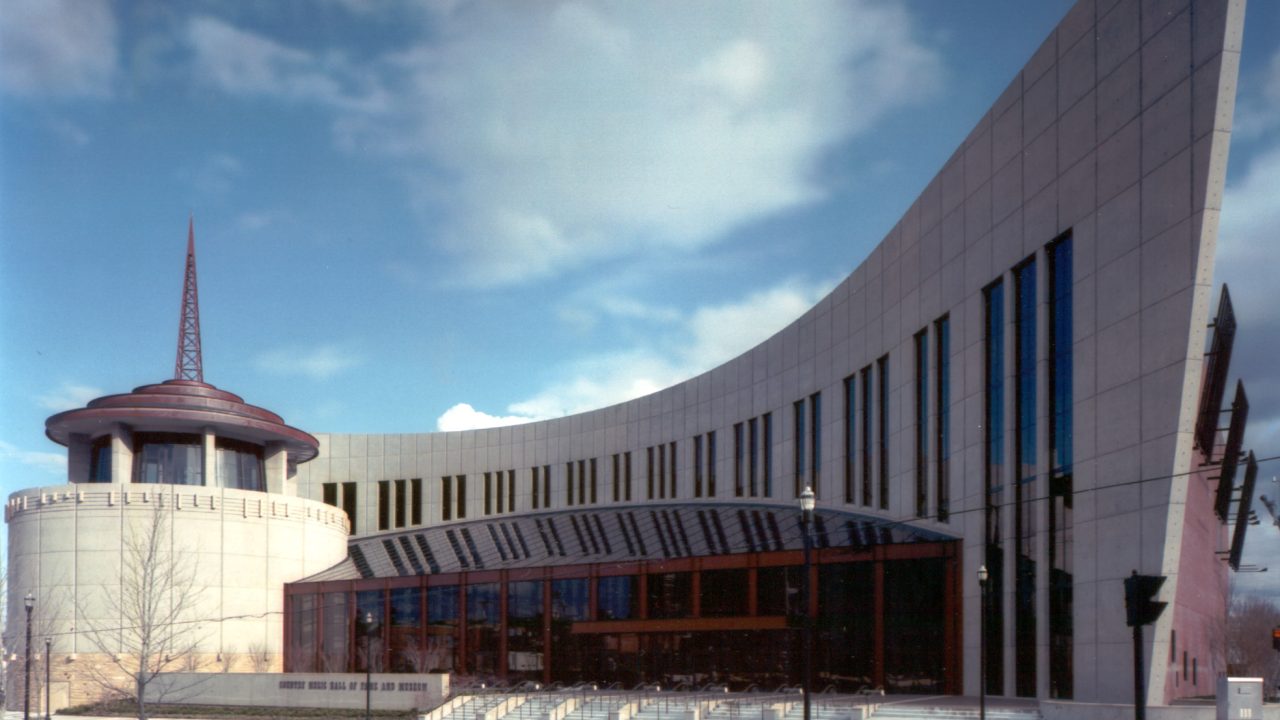
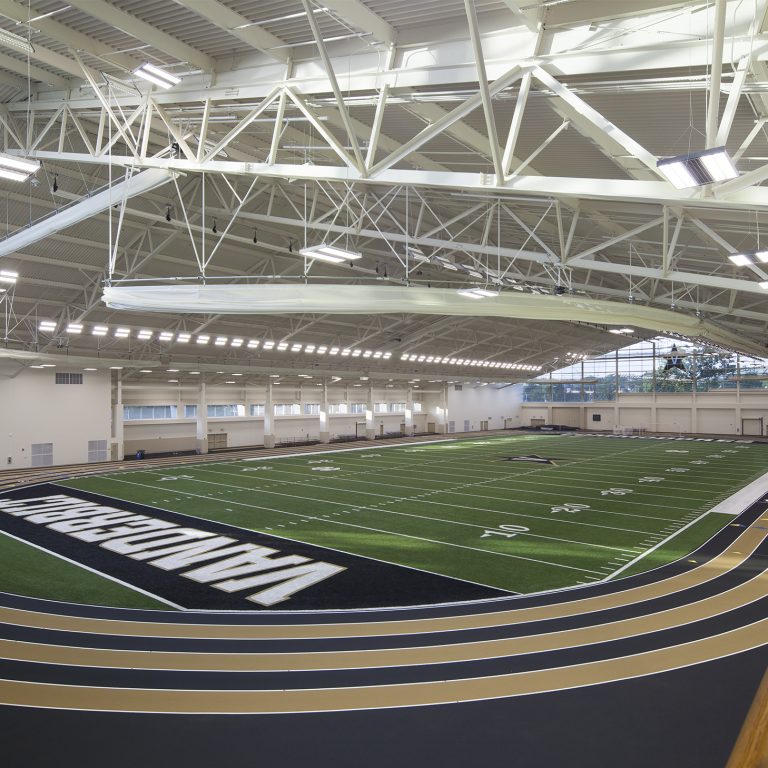
Foy dedicated nearly four decades to American Constructors, working on projects like the Loews Nashville Hotel and Office Building at Vanderbilt Plaza, Country Music Hall of Fame and Museum and the Schermerhorn Symphony Center in downtown Nashville. He also participated in multiple higher education projects across campuses including Vanderbilt University, University of the South at Swanee, Lipscomb University and Belmont University, as well as the University School of Nashville.
With his work across sectors, Foy became an expert in life safety systems. He helped transform the business into an employee-owned company with a qualified Employee Stock Ownership Plan and rose to Vice President of Estimating and Marketing before he retired in 2019 to spend time with his wife, two daughters and six grandchildren, all of whom live nearby in Nashville.
“I never intended to be in a management position, but as you mature, all of a sudden, you’re the mentor,” Foy said. “I filled that bill by leading by example.”
“Family, friends, birdwatching and bees are my life now,” he said. “I’d like to thank Auburn and the McWhorther School of Building Science—which I still think of as Building Construction.”
During his career he mentored multiple team members with Auburn connections, including Associate Professor Eric Wetzel, who was then a summer intern.
“Quick patiently guided me and the other interns through the fundamentals of quantity take-offs and estimating,” Wetzel said. “His mentorship not only helped me bridge the gap between classroom theory and real-world practice but also gave me a foundation I’ve built on ever since. I learned an enormous amount that summer—thanks in no small part to Quick.”
Throughout his career, Foy maintained his connection to the Building Science program, serving on the Industry Advisory Council and hosting student tours in Nashville. Now, 50 years after his graduation, Foy still thinks about Auburn and how it kept him marching forward.
“Persevering is what makes you successful. There’s no hesitation in building. You’ve got to keep going.”
See more in:
Alumni,
Alumni Recognition
Related people:
Eric Wetzel