ARCH Professor Explores Swedish Design, Progress and Rock Music
Architecture professor Matt Hall aims to make himself obsolete by empowering students to exercise their own decision‑making agency.
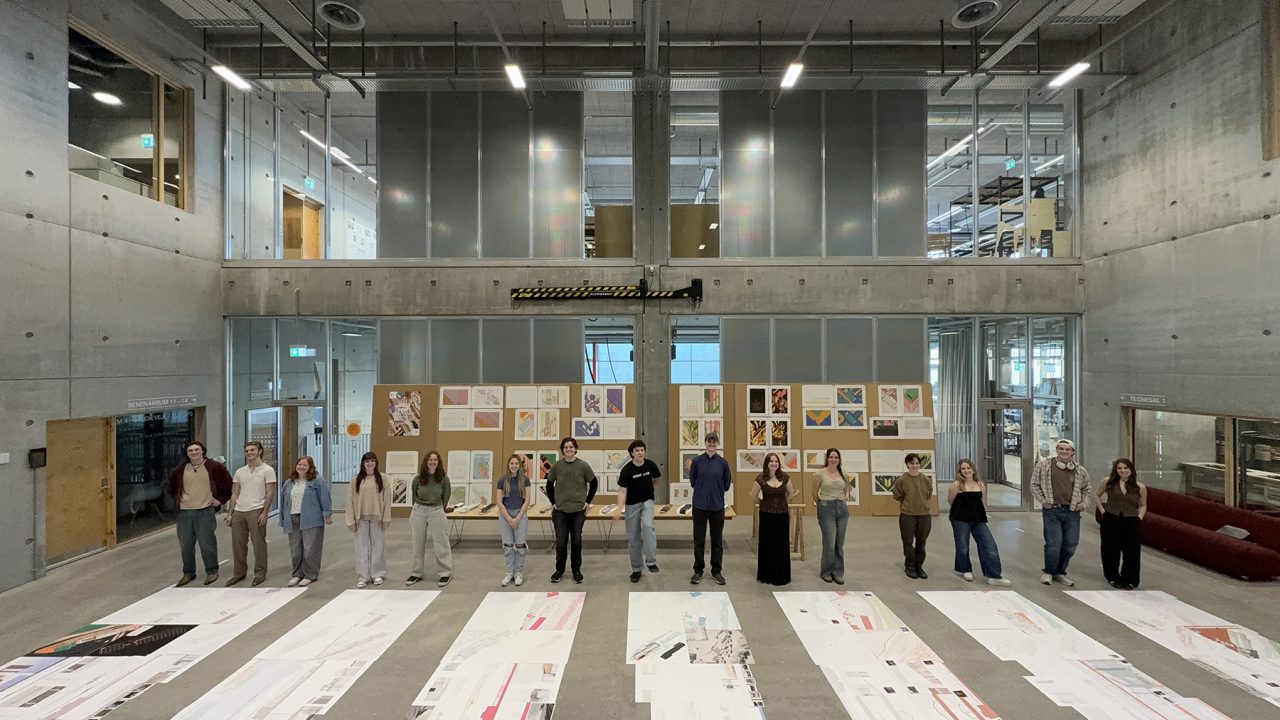
Hall, who has taught at the School of Architecture, Planning and Landscape Architecture (APLA) since 2013, challenges his students to develop their own agendas, values and ways of seeing the world.

Hall teaches architecture students in their first half of their design education, helping first-year students with early design foundations in the summers, guiding second-year studios though their first schematics in the falls and leading third-year students through Europe’s Nordic region on spring study abroad trips. Additionally, he helps lead the Interior Architecture (ARIA) thesis course.
“Teaching at Auburn means participation in open dialog towards a more reasonable, responsible, realistic and perhaps restrained architecture that can contend with the diverse forces and contexts that we are—and will in the future—be presented with,” Hall said. “It’s about maneuverability—not taking a position for too long and along with my students, being open to changes of mind.”
Outside of teaching, Hall splits his time between researching post-war Nordic architecture with a focus on Sweden, running his architectural practice Superunison in partnership with Shane Elliott and exploring product design through his industrial design practice Obstructures with Nathan Matteson.
Recently, Hall and Matteson published 2G Essays: Sigurd Lewerentz & Bernt Nyberg In Dialogue with Walther König that explores how the films and interviews that Swedish architect Nyberg completed with Lewerentz contribute to the dissemination of architecture. In November 2025, Hall, alongside assistant professor Mark Blumberg, published Architecture and Progress: Exploring a Progressively Problematic Built Environment with Routledge that collects essays from practitioners, theorists and thinkers to debate the consequences of progress in design.
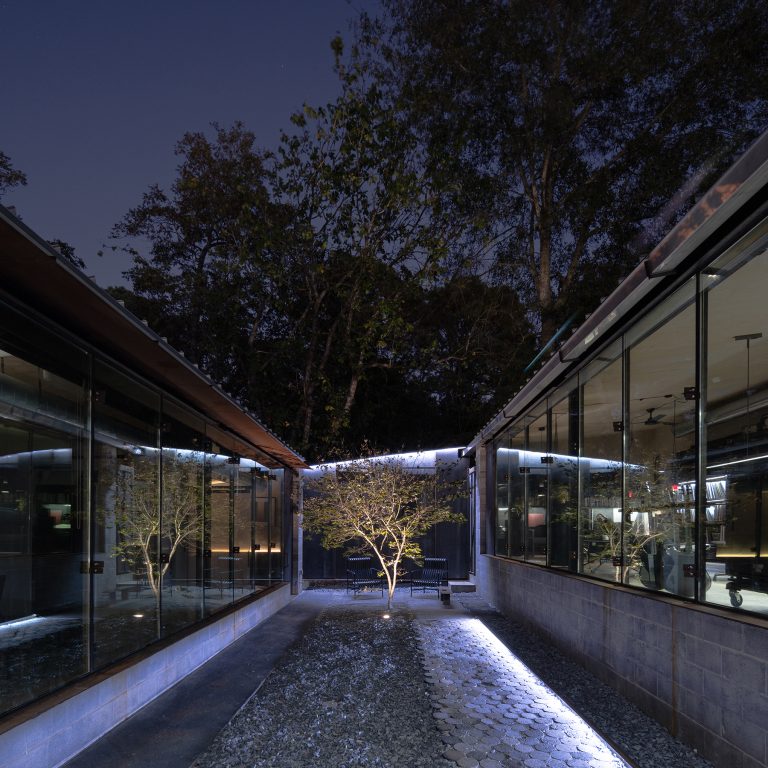
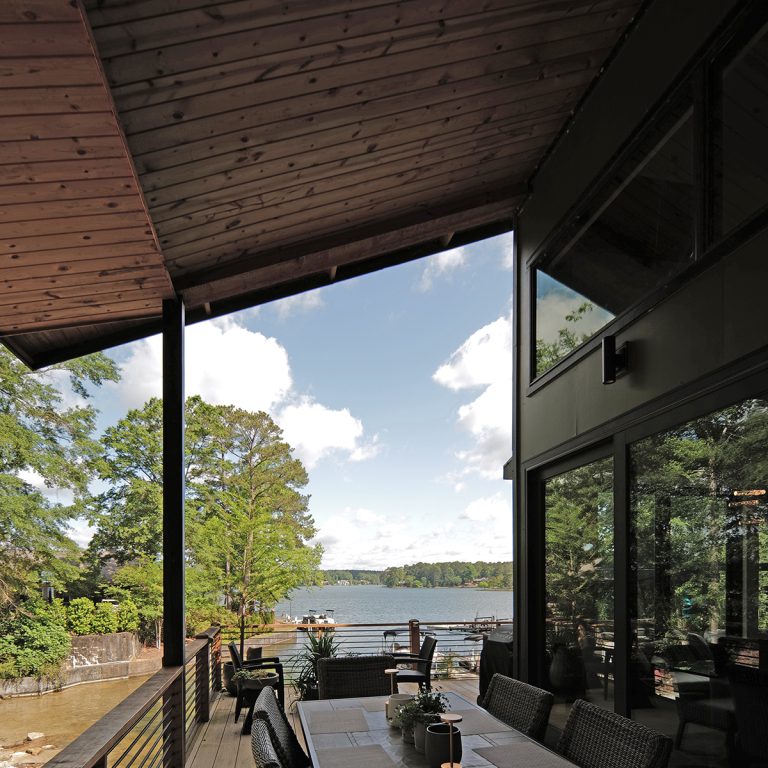
With Superunison, Hall and Elliott are working on a number of design-build projects in the Auburn-Opelika area, including the Boxcar Theater, the former Opelika Drycleaner Building and the future expanded space for Stinson Breads—drawing on lessons he learned in his AIA Award-winning design for his house and studio Villabrut. The practice was invited to run the 2025 Utzon Foundation’s Can Lis Summer School in Mallorca.
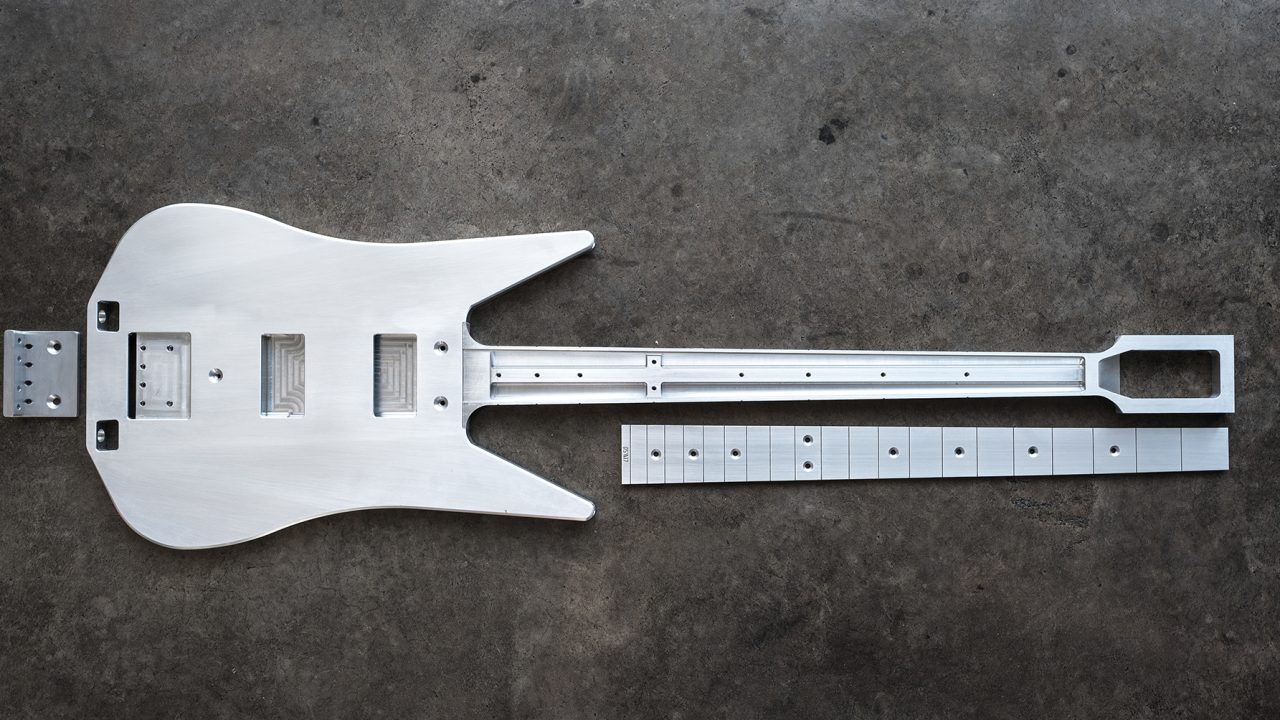
With Obstructures, Hall and Matteson develop and advance the design of musical instruments for international sale using their band New Brutalism as a venue for research and development.
“We are primarily focused on the design of aluminum guitars, drums and effects pedals building on 25 years of refinement to make the most stripped down and functional guitar with the least amount of material, the widest frequency range and new levels of durability,” Hall said.
Hall’s teaching, research and design allow him to dive into deep discussions and adapt to changes in context.
“It’s important to always return to what is existential and durable in architecture in contrast to passing trends,” he said. “Technology continues to advance, and perhaps the architect should balance their enthusiasm with some healthy skepticism.”
Related people:
Matt Hall