ARCH, ARIA Alumna Turns Research into Impact

For Candace Rimes, design is about being in service to others—and that service often stems from research about the project, place and people from whom the design was created.

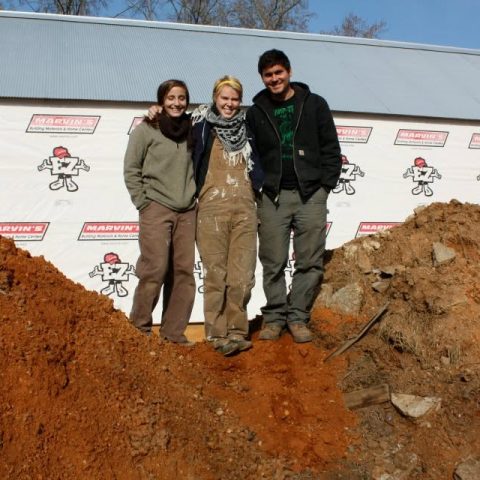
Rimes graduated from the School of Architecture, Planning and Landscape Architecture (APLA) in 2010 with concurrent degrees in Architecture (ARCH) and Interior Architecture (ARIA). After completing her thesis project—the Safe House Black History Museum in Greensboro, Alabama—at Rural Studio in 2011, she headed to Washington D.C. to work on high-end commercial interiors with Lehman Smith & McLeish (LSM) Studio.
While working on Brookfield’s headquarters in Manhattan’s Financial District with LSM, Rimes learned how to infuse art and custom furniture into her work. That project prompted her next role with Fogarty Finger in New York City.
Currently, Rimes is a Director in Fogarty Finger’s interiors studio and heads the firm’s 12-person Atlanta office, which she helped launch in 2020.
“Auburn set me up for so many different paths,” Rimes said. “There’s so much crossover in design—hospitality, residential, commercial—that architecture school sets you up for working on different typologies.”
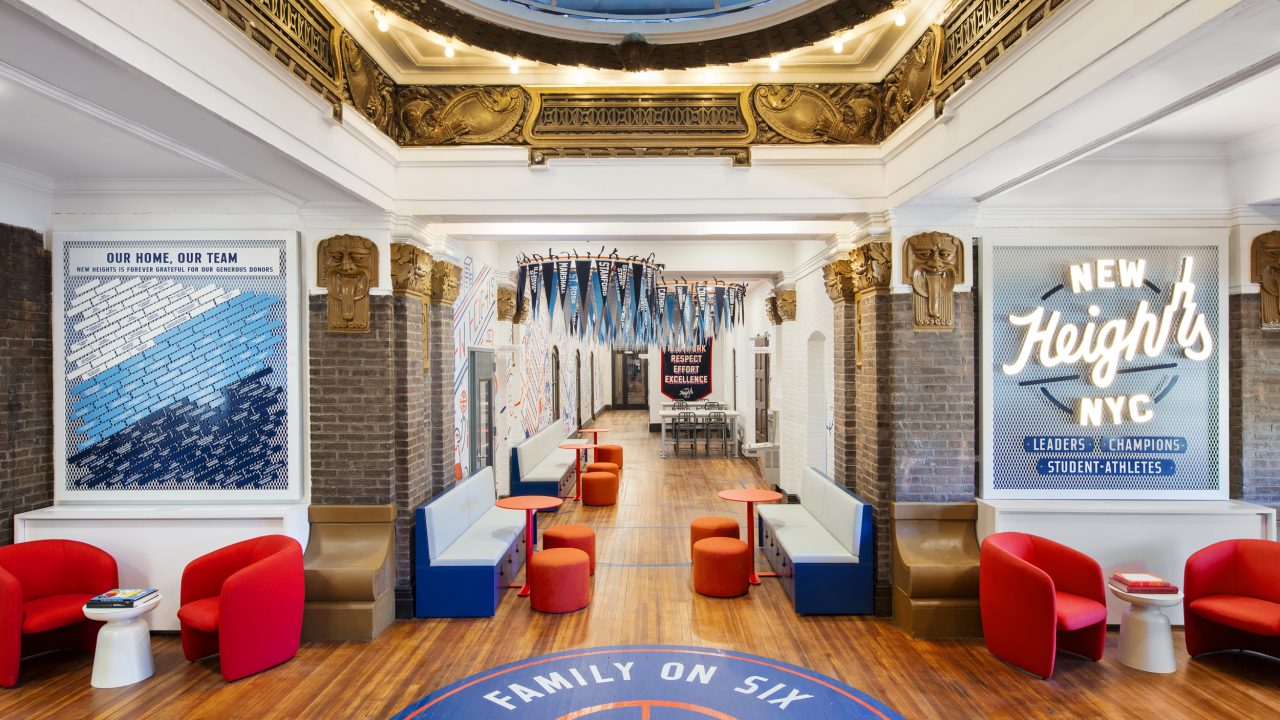
Over the last 12 years, she has been a part of the growth of the new towers in Atlanta’s Old Fourth Ward development, brought together artisans to display their creations at Dock 72 at Brooklyn Navy Yard and sourced local muralists to promote the power of athletics and learning at the New Heights after-school program.
Recently, Rimes has expanded the studio’s portfolio, taking on a new sports interiors typology by designing suites for the forthcoming Cleveland Browns NFL stadium and launching the firm’s first furniture partnership with Halcon.
These projects draw on the research and experimentation methods Rimes learned both at Rural Studio and in Associate Professor Emeritus Sheri Schumacher’s ARIA thesis course.
“The most valuable part of Rural Studio was being exposed to different cultures, communities and ways of life,” she said. “It opened my eyes to what people need—quality design, shelter, community space—and shaped me as I moved onward into the real world.”

In Schumacher’s studio, Rimes learned how to dig into research, form a defendable thesis concept and share that with others through presentations, workshops and discussions.
“That really set me up for success in working with clients and talking to my team,” she said.

Now, Rimes passes that expertise back to students, returning to APLA to sit in on reviews a couple times each year. She hopes future designers help bring an intentional human touch back to the field, rather than letting software lead designs.
“Get back to the ethos and roots of putting ideas to paper,” she said. “Get back to that discovery and research phase of design and think about the end user.”
See more in:
Alumni,
Alumni Recognition,
Rural Studio