APLA Historian Designs with Words

Since joining the faculty of the School of Architecture, Planning and Landscape Architecture (APLA) in 2021, Assistant Professor Ernesto Bilbao has built an extensive research portfolio that traces the cultural, political and technological forces that shaped modern architecture in Latin America.
What began as a doctoral investigation into the impact of aviation on his hometown of Quito, Ecuador, has evolved into a multifaceted body of scholarship that connects hospitality, transportation and international exchange across the mid-20th century.
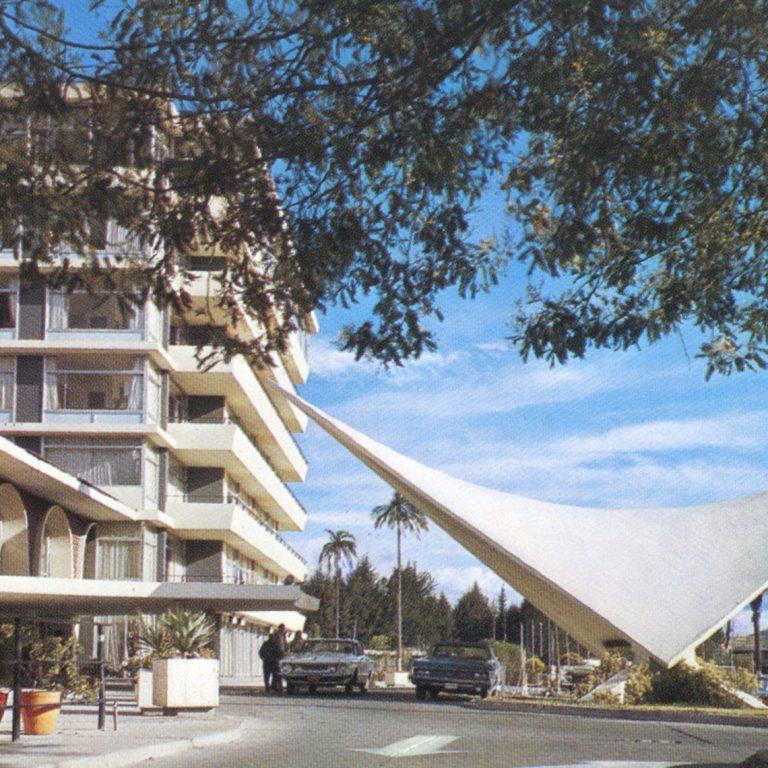
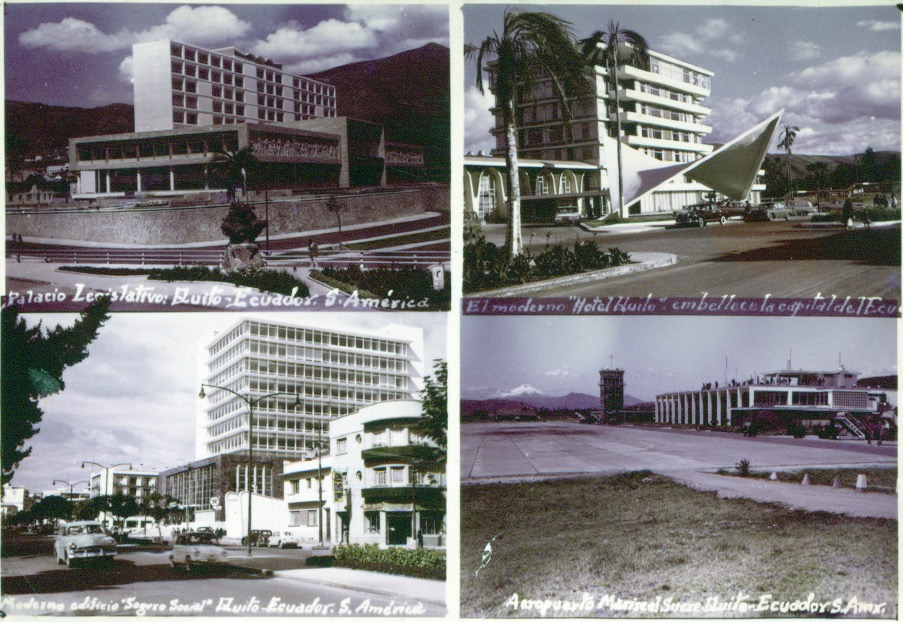
Bilbao’s primary project, “Modernity from the Air,” has grown out of his doctoral dissertation at the University of Texas at Austin. Covering the period from 1920—when the first airplane landed in Quito—to the 1960 arrival of the first jet, the manuscript examines how aviation transformed the city’s infrastructure, economy and identity. Supported by two CADC Seed Grants, he expanded the dissertation with new chapters on Hotel Quito and the vast flower-export greenhouses that developed around the airport.
“What I aim to share is that architectural history entails more than histories of form and material,” he said. “It is fascinating to see how buildings are porous, allowing us to understand and learn about the social, technical and cultural aspects of society at any given time.”
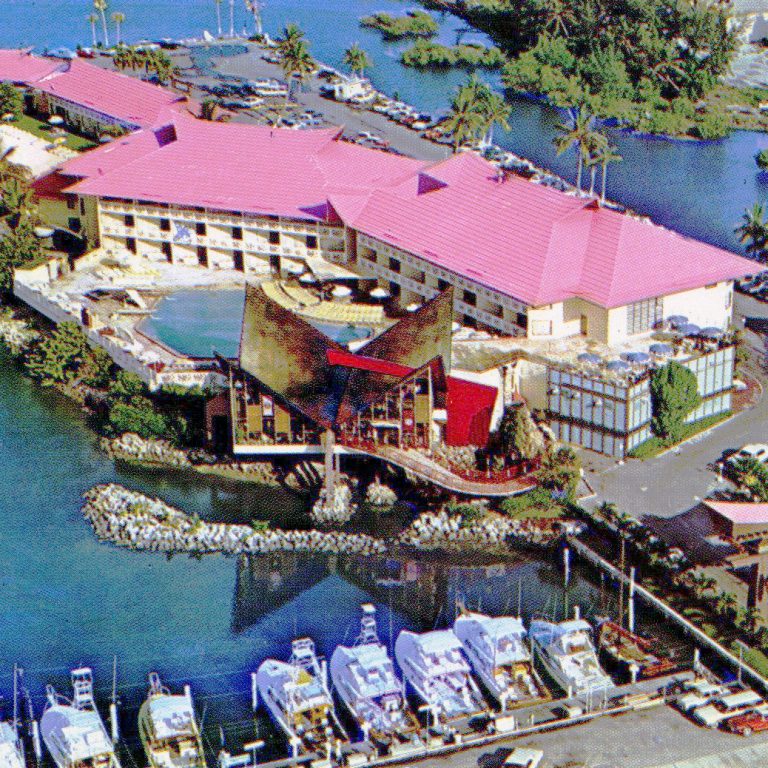
His interest in Hotel Quito sparked an additional line of inquiry into transnational modernism. The hotel—designed in 1960 by Florida architect Charles McKirahan—led Bilbao to southern Florida, where he studied McKirahan’s broader body of corporate hotel work. That research now forms a forthcoming chapter in “Modern Architecture Below the Mason-Dixon Line,” which is set to be published by the University of Virginia Press in 2027. His chapter “Wiggles, Woogles, and Hypars: The Architecture of Mingling of Charles F. McKirahan in South Florida, 1953–1964” examines two of McKirahan’s South Florida motels.
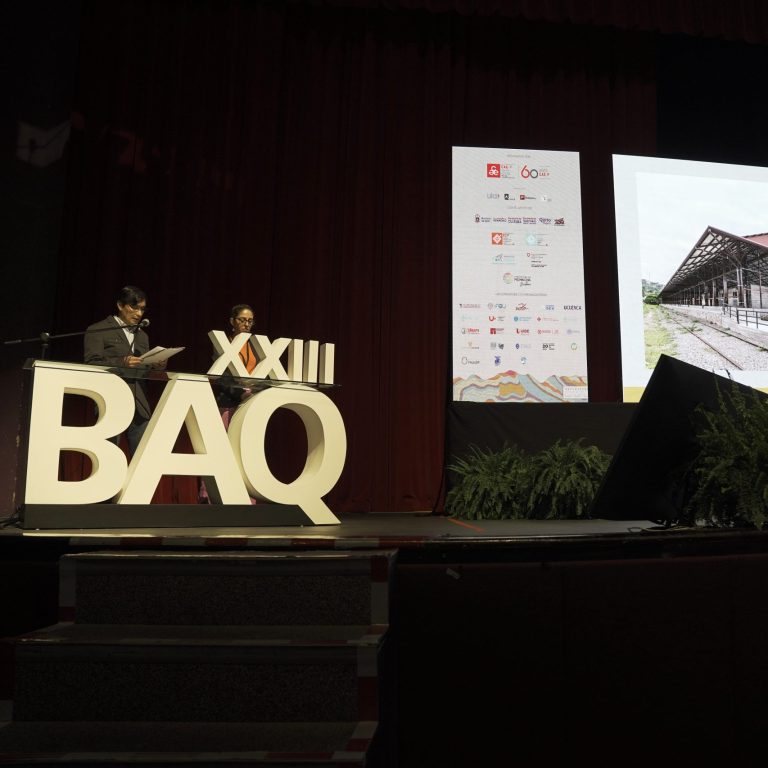
Bilbao’s scholarship also appears internationally. In 2024, his chapter, “Architecture for Pan-Americanism: Local Aspirations, Regional Interests, and the (unrealized) Inter-American Conference of Quito of 1959,” was published in Bloomsbury’s “Modern Architecture of Quito” and later translated into Spanish for release in Ecuador. The work received the Southeast Chapter of the Society of Architectural Historians’ Award for Best Essay in an Edited Volume earlier this year. He has also published with AMPS and was selected as one of six authors in an international manuscript competition sponsored by the College of Architects of Ecuador.
Bilbao sees his various research and writing pursuits as designing with words.
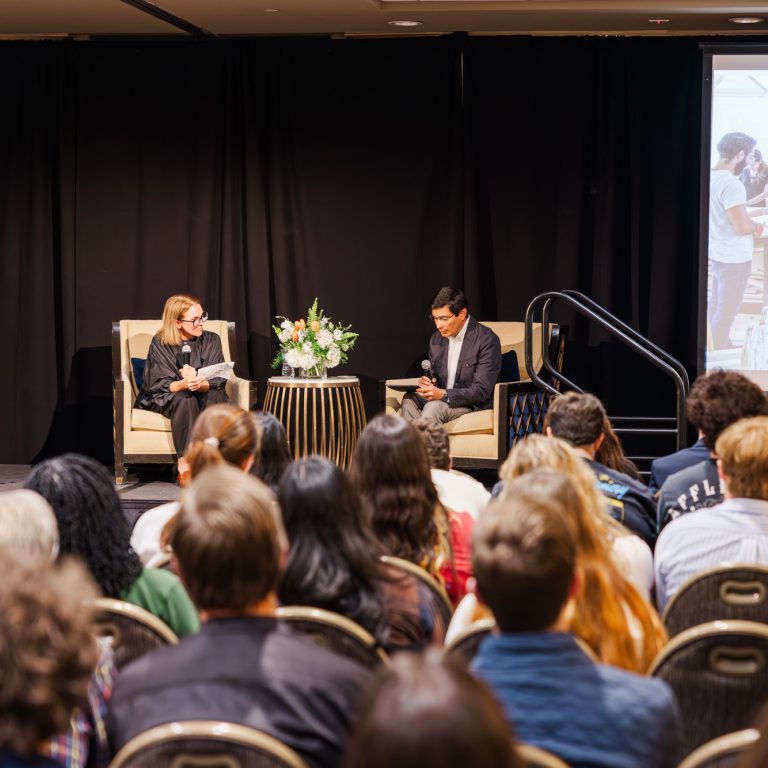
“When you design a building, you have to be very convincing and diligent in order to conceptualize that project and sell it to your client and the community,” he said. “When I write a paper, it’s about finding a very solid argument and evidence so that the piece becomes a contribution to the discipline.”
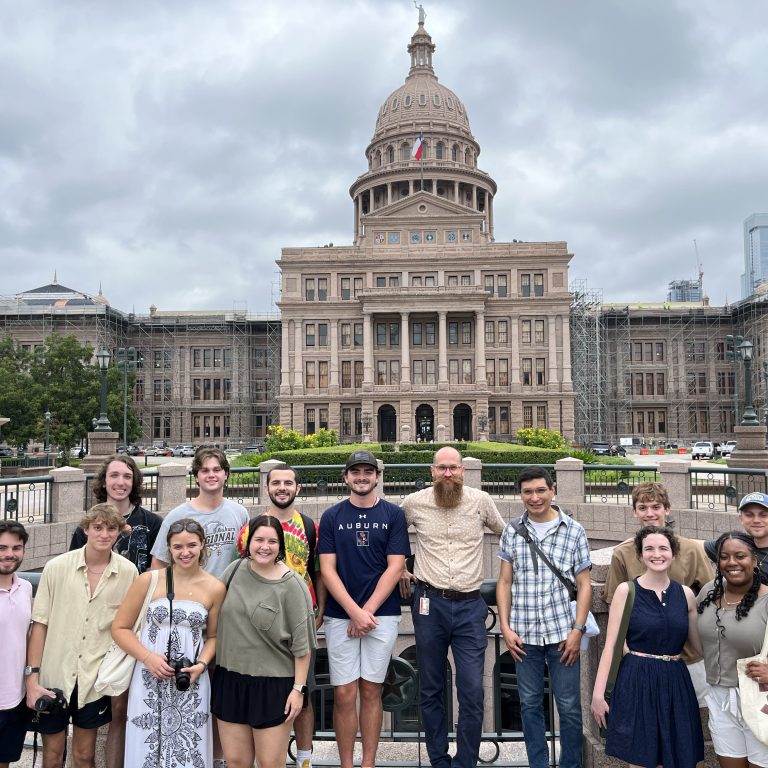
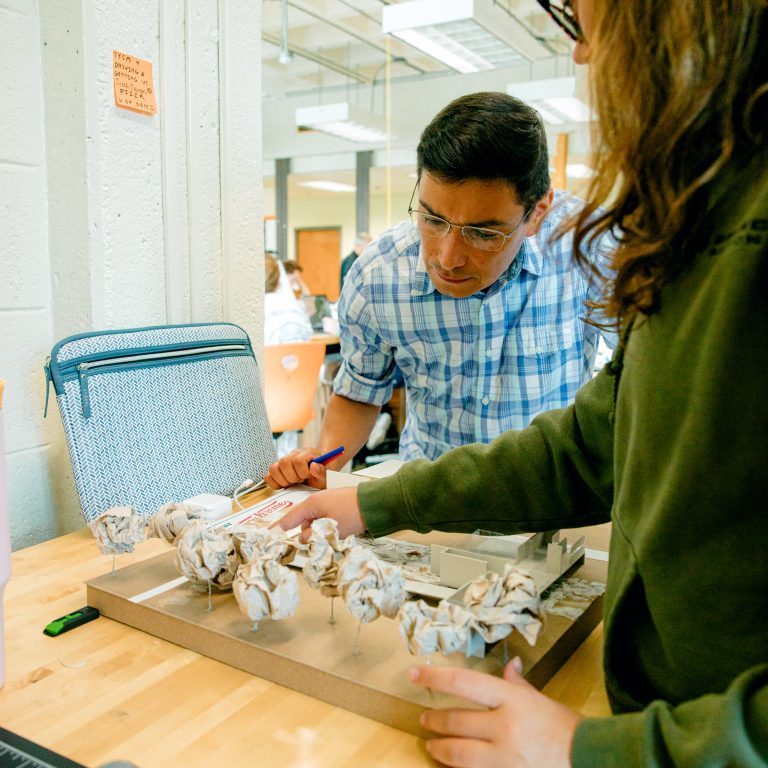
In the classroom, Bilbao brings these inquiries directly to his students. Through courses in architectural history, integrated design studio and his Latin America–focused seminar South Meets South, he encourages students to embrace architecture with the intellectual rigor he believes the discipline demands.
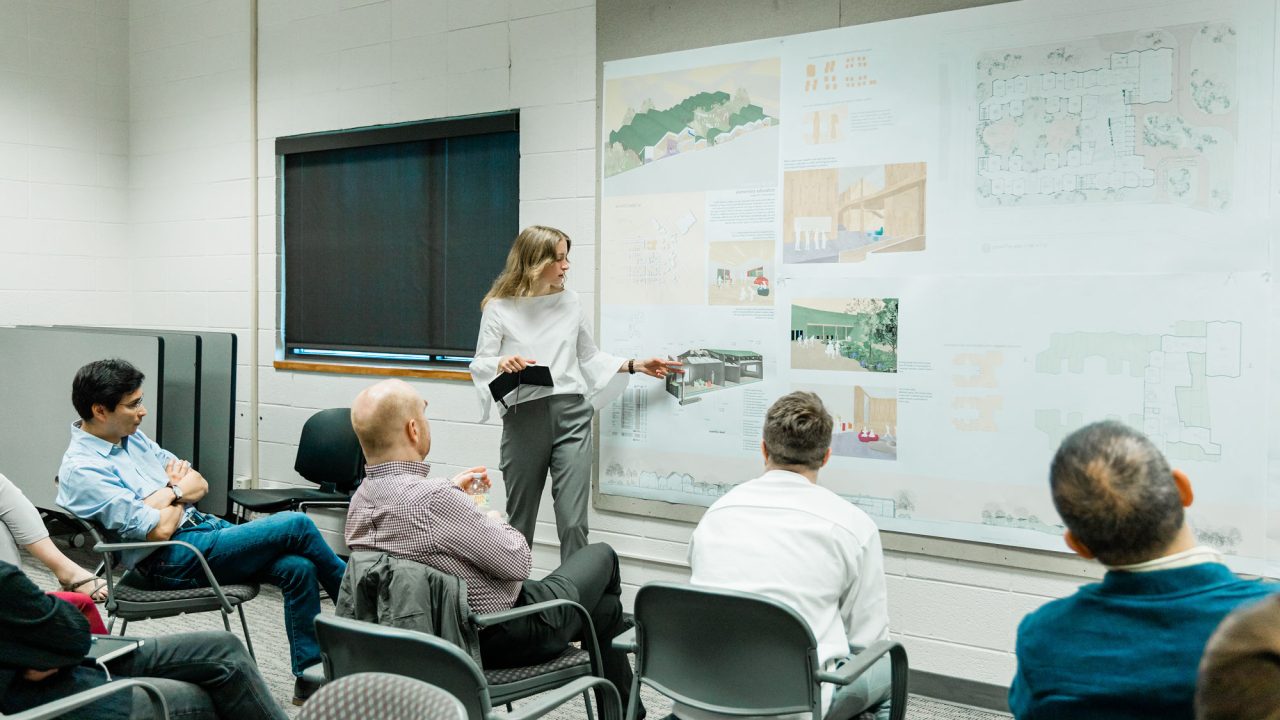
“My aim is that students look beyond the physical qualities of a great building,” he said. “To read deep into them to understand architectural objects as cultural expressions that not only hold incredible stories, but also essential reflections on our society and in what direction we want to take the profession of the design of the built environment.”
Related people:
Ernesto Bilbao