APLA Faculty Host “Forest-First” Mass Timber Workshop in Birmingham
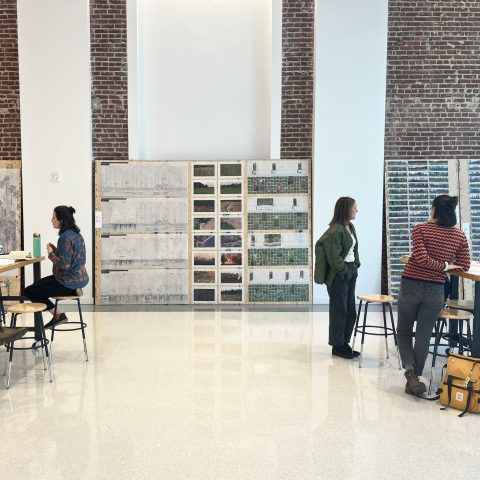
A two-day mass timber workshop hosted in downtown Birmingham brought together designers, foresters, ecologists and sociologists to rethink how Alabama’s forests shape—and are shaped by—the growing mass timber industry.
Organized by Landscape Architecture faculty Emily Knox, Associate Professor and Graduate Chair, and Maria Elena Vanegas Perez, Visiting Assistant Professor—alongside Architecture Professor of Practice Kiel Moe—the Landscapes of Mass Timber Workshop was supported by a $10,000 Hood McPherson Award through the College of Architecture, Design and Construction Dean’s Office, a one-year grant program, launched in spring 2024 to activate the newly renovated Auburn in Birmingham building.
Held at the end of January 2026, the workshop was connected to the Auburn Mass Timber Collaborative (AMTC) but intentionally focused on a different set of questions. Rather than beginning with engineered wood products, the organizers pushed the conversation “back 30 years,” examining forest management, land ownership and ecological systems that precede construction. In Alabama, where forests dominate the landscape and many parcels are owned by small landholders, mass timber presents both opportunity and risk.
“The timber industry has real potential to benefit the state,” Knox said. “Without careful attention, it can also reinforce extractive practices that leave rural communities and ecosystems behind.”
Workshop discussions addressed how mass timber could support small landowners, diversify forestry practices and prioritize ecological variety over efficiency alone.
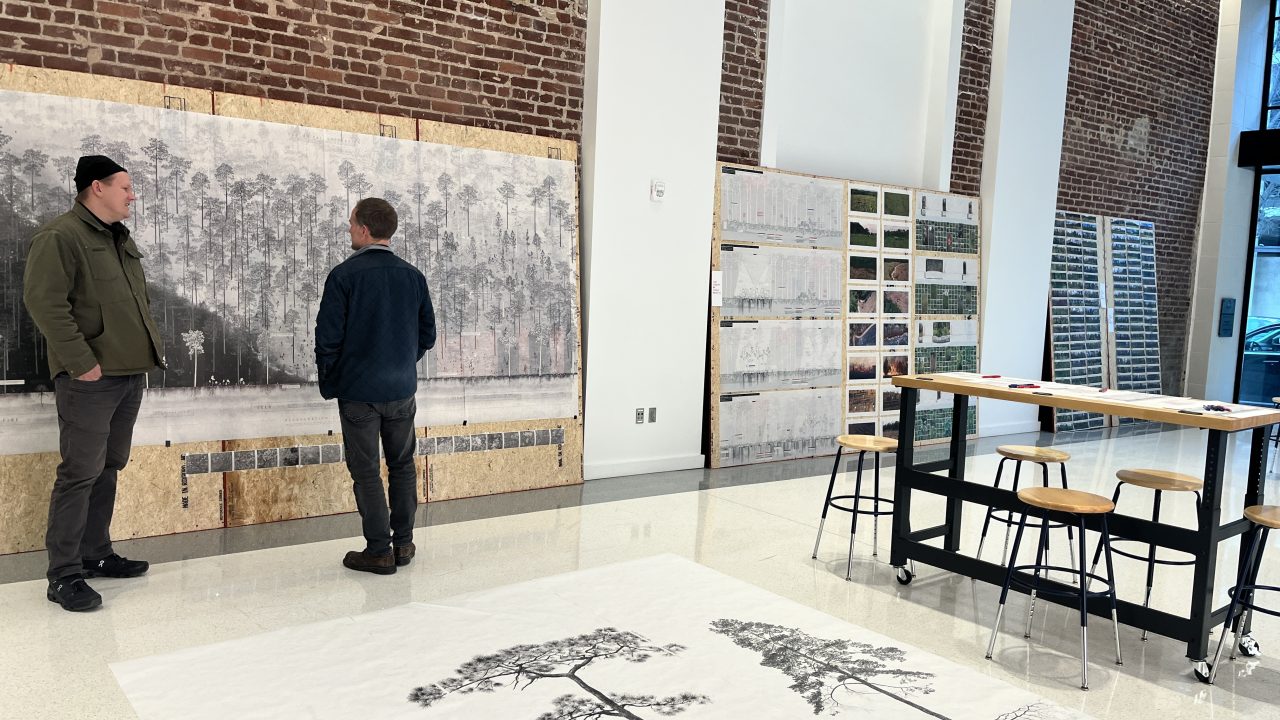
The event combined a small exhibition—developed by Knox and Vanegas Perez—with short presentations and working-group discussions. Drawings and models translated technical forestry data into visual formats accessible to architects and designers, while grounding the work in the everyday landscapes of Alabama. Participants included landscape architects, architects, forest ecologists, rural sociologists and representatives from the Longleaf Alliance, Front Porch Initiative and Rural Studio.
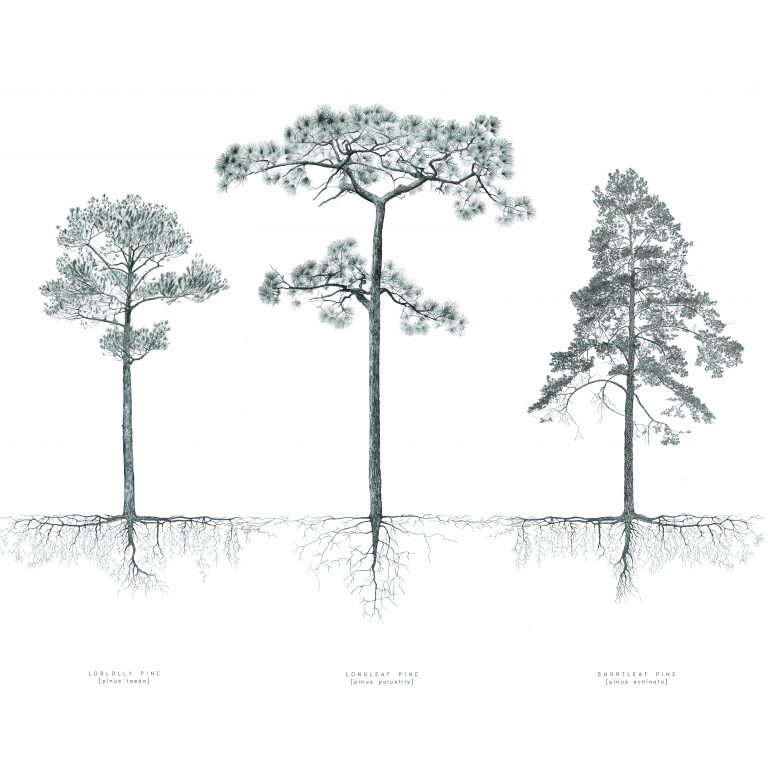
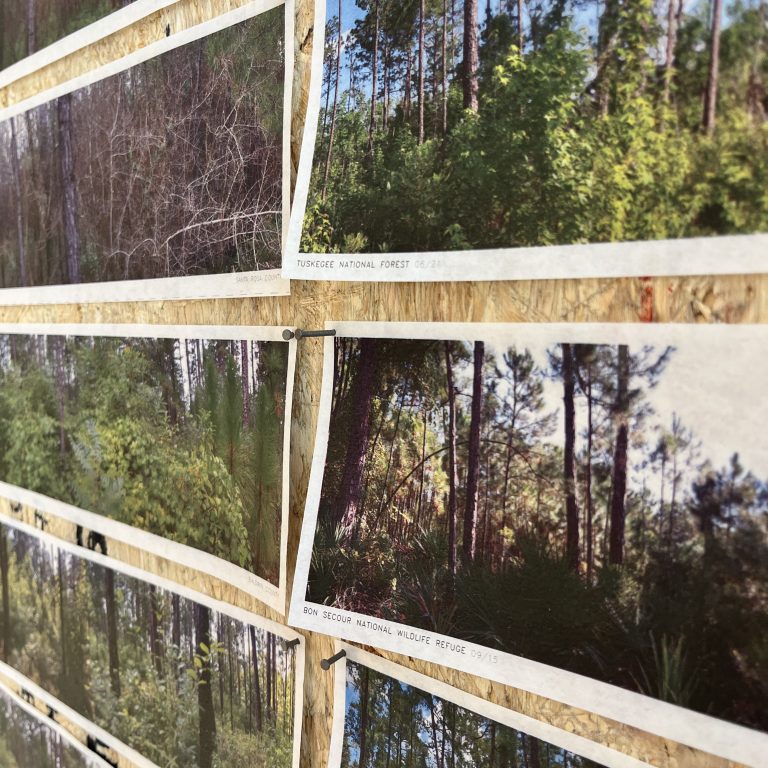
Beyond the immediate conversations, the workshop marked an early public step for a “forest-first” approach to mass timber research at Auburn. Landscape Architecture undergraduate research fellow Abby Garner and graduate research assistant Cristina Campos contributed to the work, and the exhibition incorporated initial studies from graduate Design Research and Representation courses, reinforcing the project’s role as both a research and teaching platform.
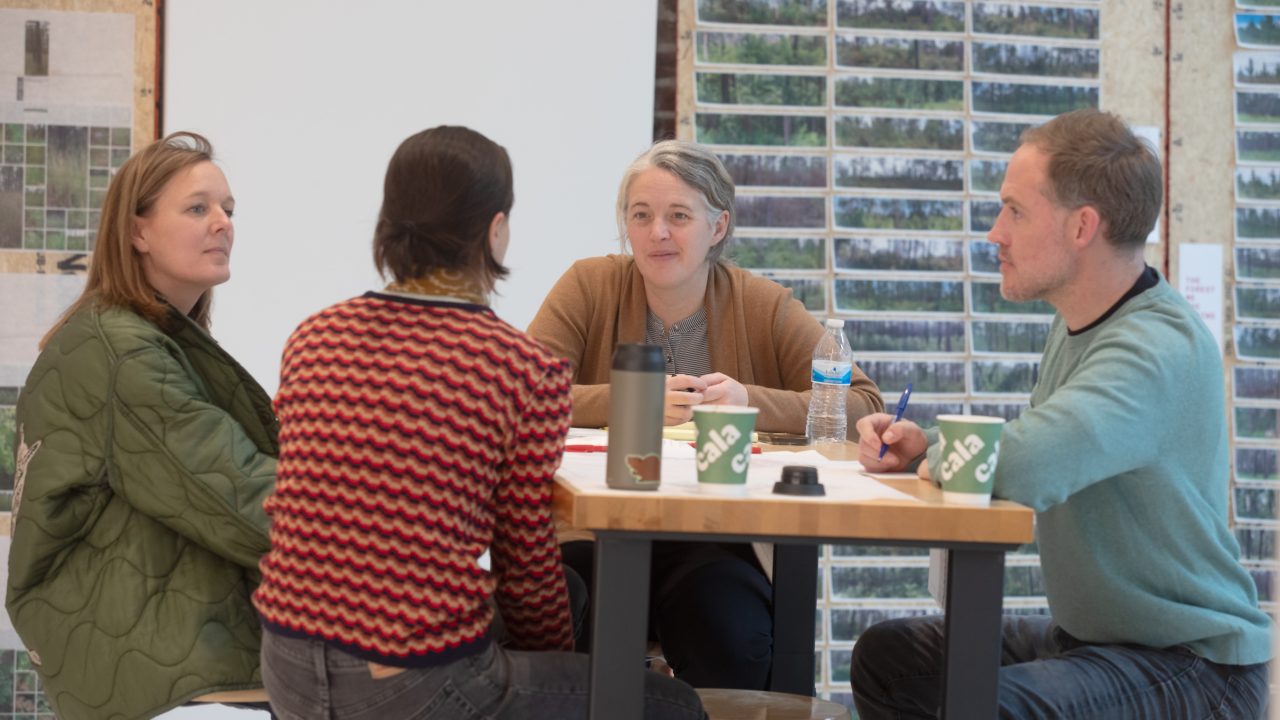
For the organizers, the greatest outcome was momentum—new relationships, shared questions and a growing network across Alabama and the Southeast committed to imagining mass timber futures that serve the construction industry, people and landscapes.
See more in:
Auburn Mass Timber Collaborative (AMTC),
Creative Work,
Faculty Collaboration,
Faculty Recognition,
Faculty Work,
Mass Timber,
Research,
Urban Studio
Related people:
Emily Knox,
Maria Elena Vanegas Perez,
Kiel Moe