APLA Alumna Amanda Loper ’05 Elevated to AIA College of Fellows
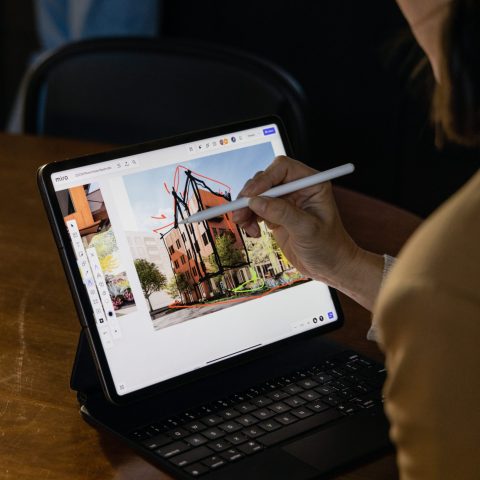
Amanda Loper challenges herself, her team and her peers to reexamine the scope of an architect.
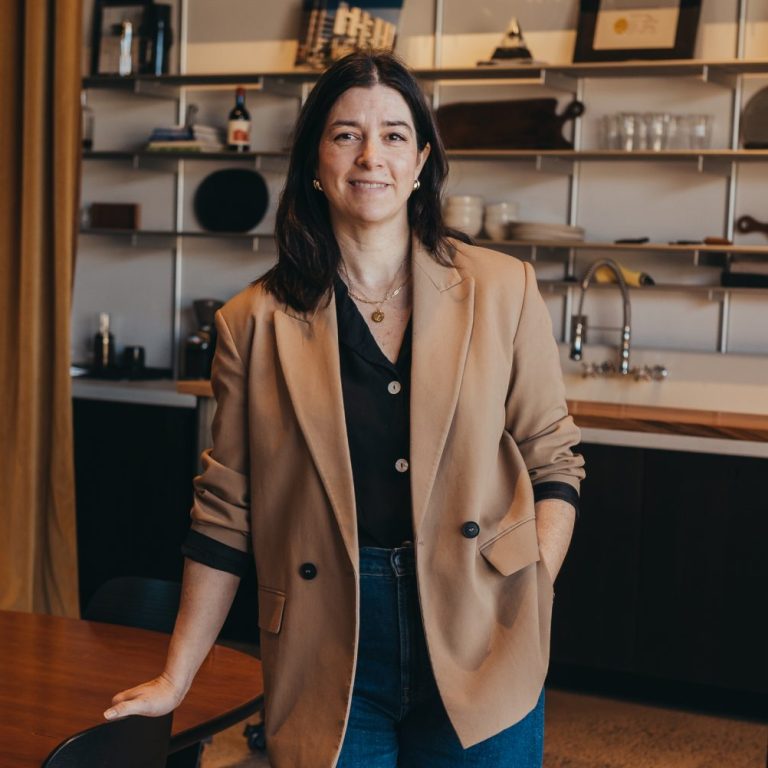
Beyond designing, she regularly asks how her architectural experience can be applied as a builder, project owner, policymaker, community member and steward of the built environment. This expansive view of architecture is one of the qualities that contributed to her elevation to the American Institute of Architects (AIA) College of Fellows.
“Amanda is an exemplar of the citizen architect we work so hard to nurture here at Auburn: excelling at the art of architecture, giving her talents and energy in service to her community and working to instill these values in the hearts and minds of future professionals,” said David Hinson, Associate Dean for Research and Graduate Studies at the College of Architecture, Design and Construction. “She has marbled community service, advocacy and activism into her professional activities throughout her career.”
After graduating with a Bachelor of Architecture and a Bachelor of Interior Architecture from the School of Architecture, Planning and Landscape Architecture (APLA) in 2005, Loper trekked to San Francisco, investing in both city lifestyle and urban-centered work at David Baker Architects (DBA). She soon established herself as an Associate after earning her license in 2011. In 2014, Loper was elevated to Principal and later returned to Alabama to establish the studio’s southeastern base in Birmingham. The firm, now with members spread across the country, works to place the human experience at the center of every design—utilizing its signature 9 Ways to Make Housing for People.
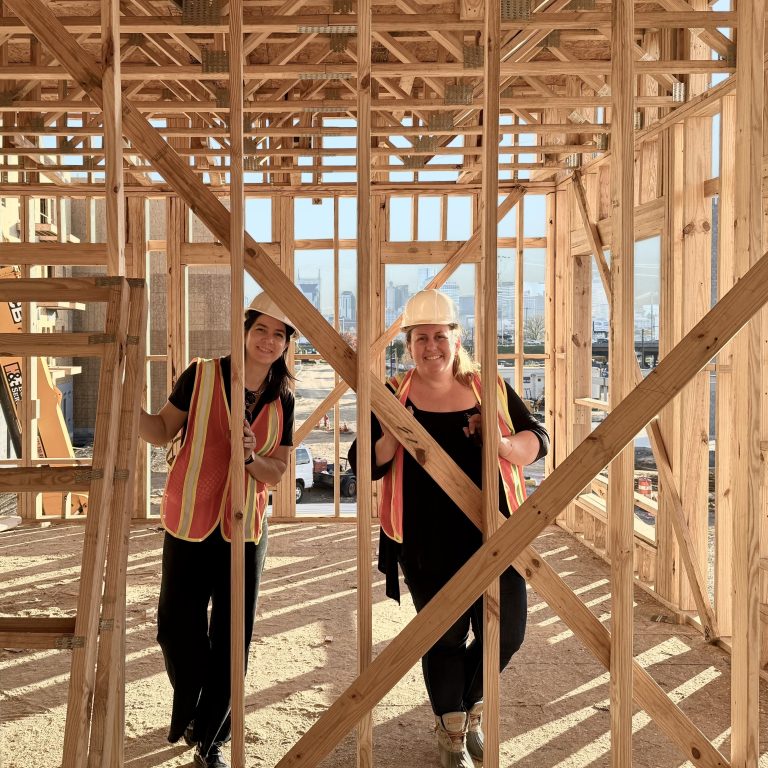
In 2022, Loper oversaw the design and construction of the Bandsaw Building, an adaptive reuse project on the edge of Downtown Birmingham. DBA partnered with Locke General Contractors to transform a midcentury masonry building into flagship office space for both firms, as well as tenant space for three local small businesses.
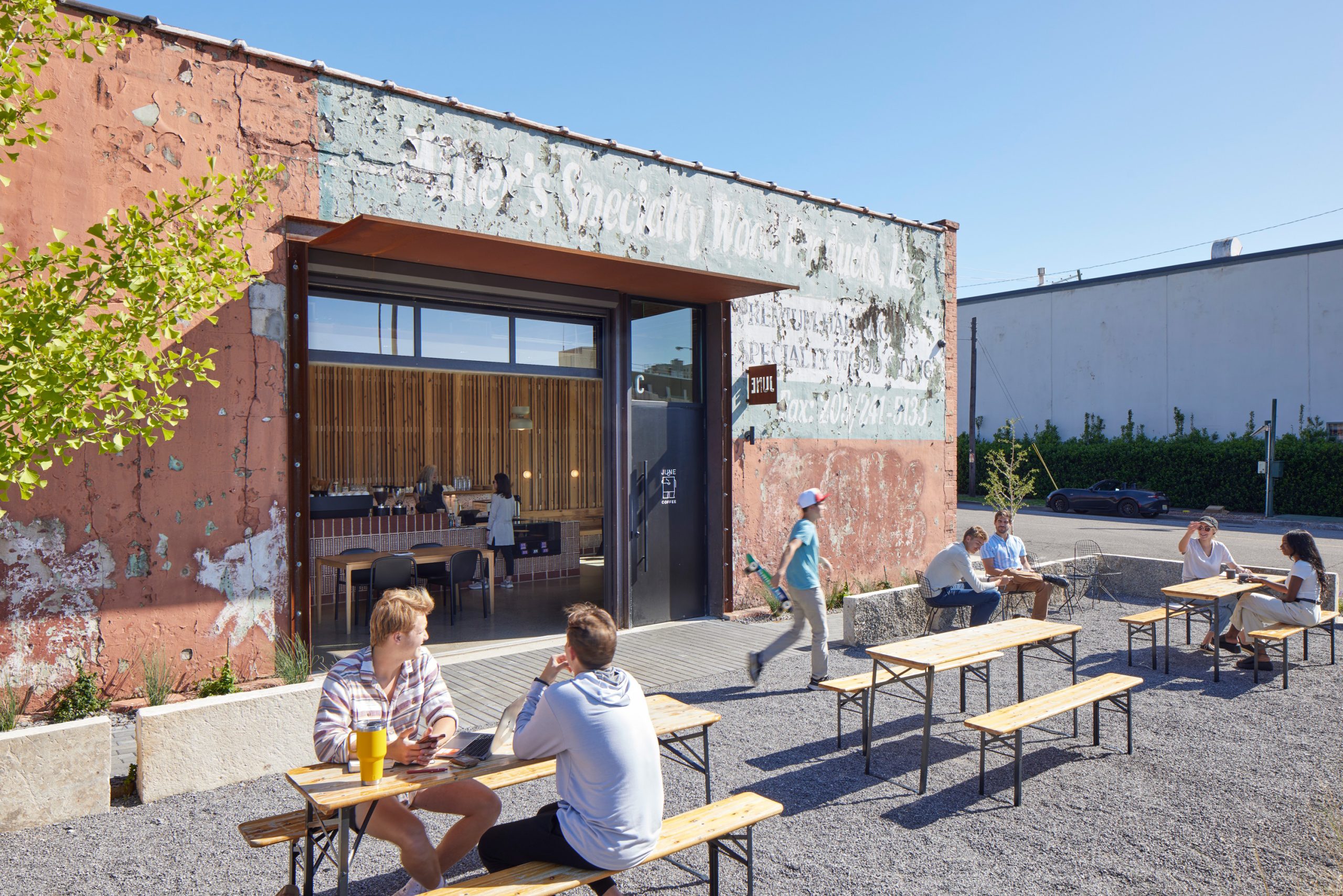
“Because we were able to be part of the developer scope, we were able to be very custom and focused,” Loper said, explaining that the 6,400-square foot project afforded the studio an unusual level of scrappiness and wabi sabi design—as well as the opportunity to be a pseudo business incubator for community enterprises.

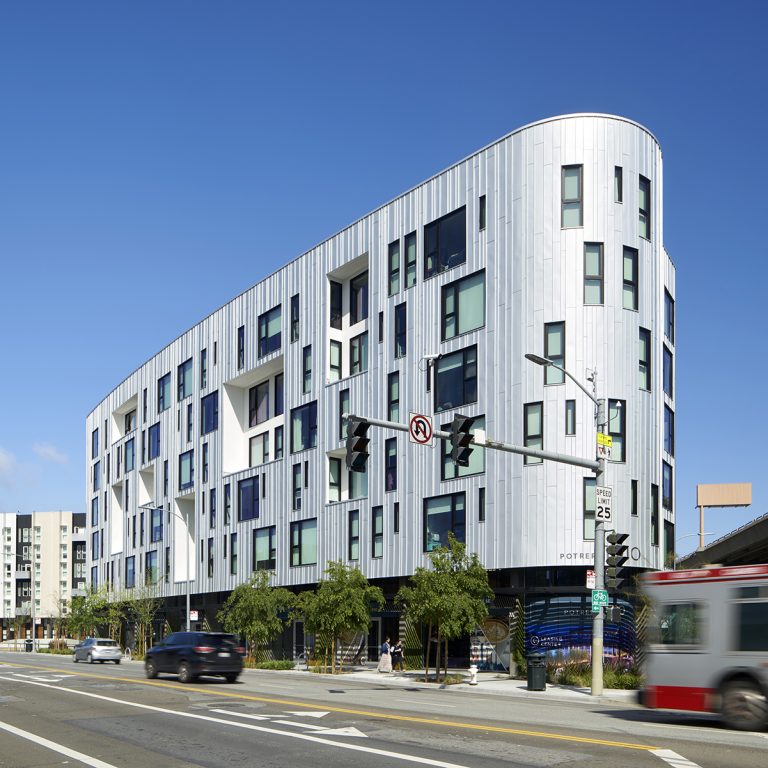
Previously, Loper managed projects that contribute to their environments on a much larger scale—such as Potrero 1010, a 453-unit mixed-income project that spanned housing, interiors and urban design in San Francisco, and a Residential Density Bonus Study that investigated urban density development opportunities and policies in the City of San Francisco.
“I’m so grateful for the projects that I’ve done,” Loper said, celebrating the impact of the studio’s projects and the clients she has worked with. “They’re all trying to do good in the world.”
Each of her projects centers around the belief that people deserve a built environment that can do more.
“Our firm-wide ethos is that good design matters on all projects, for all people—regardless of budget, scale or geography,” she said. “I would love to see Alabama to continue to know that is deserves good, walkable, equitable, resilient places that elevate communities.”
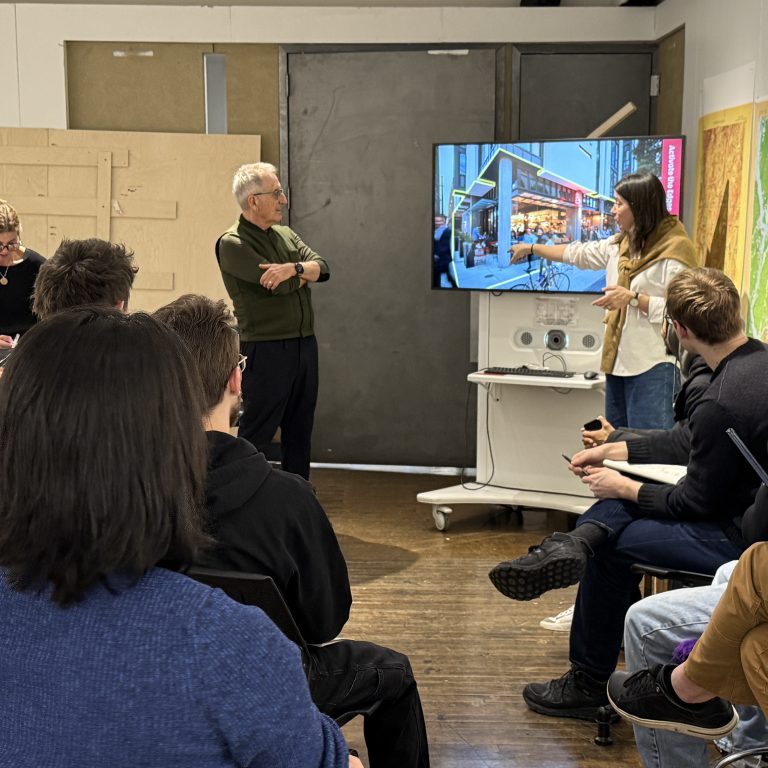
That belief traces back to her time in Auburn’s architecture school, where she solidified the knowledge that buildings are for people. At Rural Studio, she learned how to take initiative and figure things out, and at Urban Studio, she participated in community meetings, gaining experience working with multiple stakeholders.
“It felt completely well rounded—I got a lot of theoretical, conceptual training, but there’s also an underlying pragmatism in the program,” she said, explaining that Auburn gave her confidence in knowing that solving problems was in her wheelhouse.
Throughout her career, Loper has invested her time in future designers, returning regularly to APLA for Advisory Council and alumni opportunities, mentorship, critiques and lectures—and to scope out innovative students to join her team after graduation.
Beyond alumni involvement, she has been an active advocate for the built environment through participation in the AIA Regional and Urban Design Community, Affordable Housing Design Leadership Institute and Urban Land Institute: Affordable and Workforce Housing Product Council. She received the AIA Young Architect Award in 2021 and was awarded the Auburn University 20 under 40 Award in 2022.

Now, the elevation to the College of Fellows affords her the opportunity to represent women in architecture and her home state on a national level.
“It means so much to be elevated to what is one of the highest standards in a really discerning, critical group,” she said, explaining how encouraging and affirming it has been to be elevated to the College of Fellows. “I’m extra proud to be a Fellow in design as a woman in Alabama.”
See more in:
Alumni,
Alumni Recognition,
Industry Recognition